

Comics News
Tripwire’s 101 Greatest Comic Artists Of All Time: No.8: Will Eisner


No.8: Will Eisner
Like Harvey Kurtzman, Will Eisner inhabits a unique place in the comic medium, which transcends art and storytelling. Simply referring to Eisner as a pioneer or innovator is only telling half the story – if Jack Kirby was the beating heart of American comic books, then Eisner inhabited comics’ soul, a man whose identity as an artist, publisher and advocate forming an indelible line between his arrival in the new industry in the 1930s up until the end of the 20th century. Having begun as an entrepreneur before moving into newspaper strips, it is his work in graphic novels in the 1970s that crystallized what he brought to the table as a lifer, that of a biographer of modern America, with him playing a small yet fascinating part of that history. It is no wonder that he and Kurtzman would have the two most important comic awards named after them. Words: Andrew Colman…
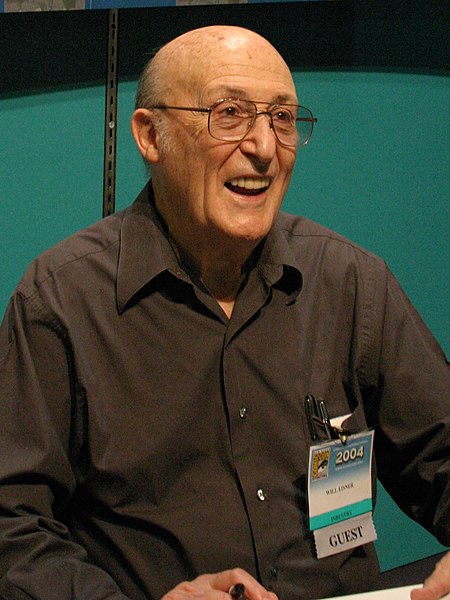
San Diego 2004 Will Eisner photo courtesy of Patty Mooney
The comic strip was in Eisner’s blood from a very early age. As a paper vendor working on street corners, Eisner got the chance to read newspaper strips from the age of eight onwards, with many of the artists involved becoming graphic influences – notably Burne Hogarth, Alex Raymond, Milton Canniff and George Herriman. He also enjoyed novels, primarily by Hecht, O Henry and Bierce, as well as pulps, through which he learned the mechanics and necessities of good storytelling. As one would also expect, he was highly influenced by Hollywood movies, as well as Italian neo-realism films.
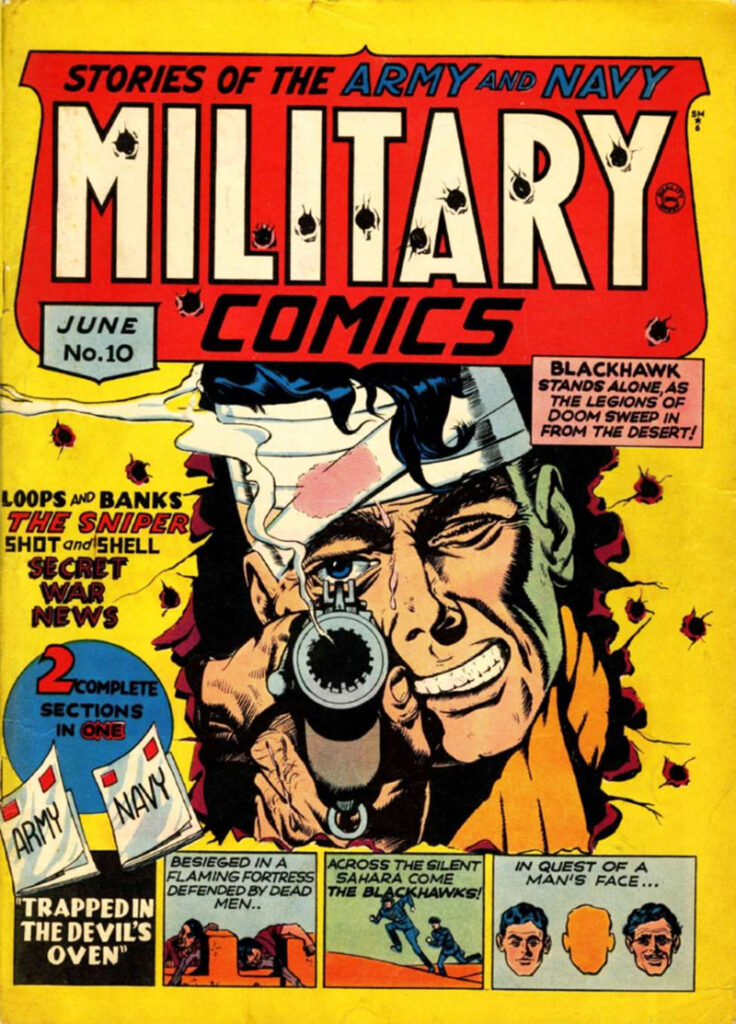
Having begun drawing comics from the mid-1930s onwards, it was on the advice of school friend and fellow cartoonist Bob Kane that Eisner managed to get his work published in Wow magazine, which may have lasted for four issues but brought him into contact with publisher and soon to be partner Jerry Iger. It was 1939, and Eisner had already honed his skills enough to be a superior creator in what was a hothouse field brimming with opportunity. It was self-evident that Eisner quickly found it easy to navigate the increasingly choppy waters of this new corner of pop culture with assurance and deftness. Eisner exhibited a keen entrepreneurial streak almost from his entry into the business, teaming up with Iger to form the Eisner Iger Studio, which provided inventory for most of the recently founded publishers of the time. Initially Eisner did most of the art pages, using synonyms to give the impression that the company had more artists on its roster than it did. However, within a short time a bullpen of hired hands was employed at the studio, with talents such as Jack Kirby (his only intersection with Eisner in terms of their careers), Bernard Baily, Reed Crandall, Lou Fine, Wally Wood and Bob Powell, amongst others, all coming on board.
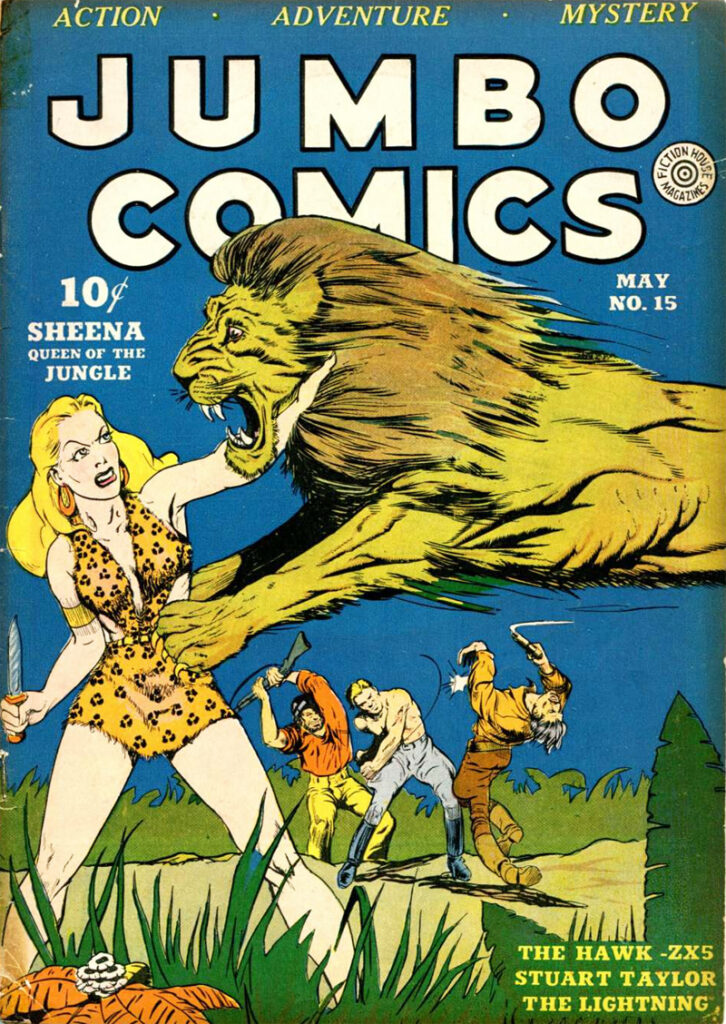
Kirby, working at this newly formed company, had considerable respect for his then-colleague, in awe of his and Iger’s professionalism and the fact that “they seemed to know what they were doing”. Kirby stated in an interview that “Eisner was always more mature than me through the years”. One of the companies who were the recipients of Eisner and Iger’s inventory was Fox Features, set up by former Timely Associate Victor Fox. For a brief period, the Studio supplied some excellent (and highly prized) pulpish covers as well as art to the publisher, along with Wonder Man, a Superman analogue that quickly resulted in a lawsuit and the termination of business between Eisner and Fox. Eisner and artist Lou Fine also worked on The Flame for Fox and Doll Man for Quality. Eisner’s most successful strip was Tarzan analogue Sheena, for Fiction House.


In 1939, Everett “Busy” Arnold, publisher of Quality Comics (a company that would be responsible for classic Golden Age fare such as Police Comics, Hit Comics and Plastic Man) approached Eisner regarding the possibility of doubling up a new strip for his comics, which would also be serialized in newspapers across the country. Never one to not spot provenance when it came knocking, Eisner immediately agreed his terms regarding the new strip, which included outright ownership in perpetuity. Such canniness was to serve the still very young Eisner very well – he had designs on the medium, making the lead character a conduit for all varieties of storytelling that would both innovate and entertain. The strip was of course The Spirit, a series that would elevate Eisner to the level of his forebears and ensure the remuneration that would provide complete financial independence. It also allowed him to escape the industry ghetto, enabling him to use more adult themes and tropes. Effectively a Spirit section was essentially a comic book, but Eisner craftily figured out that it would be treated with far more respect as part of a newspaper that wasn’t aimed at kids.

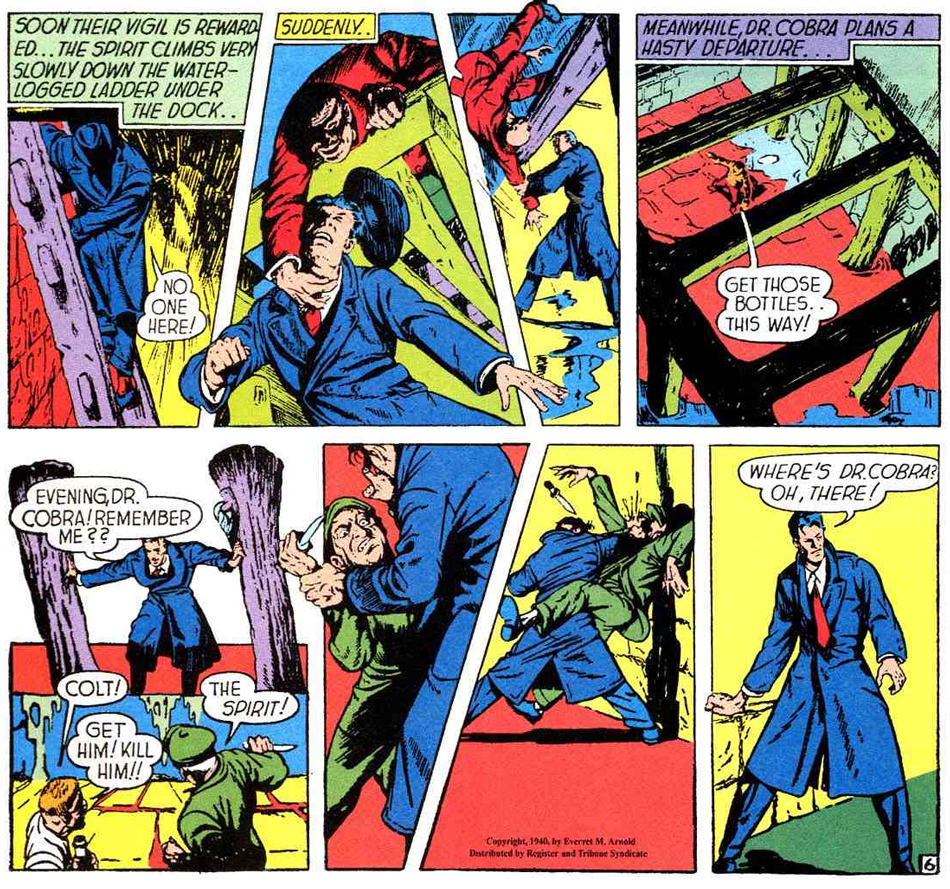
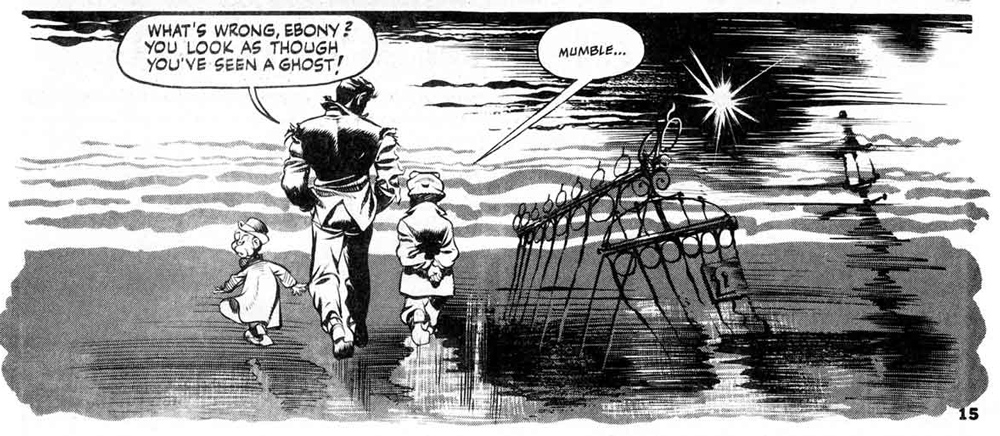
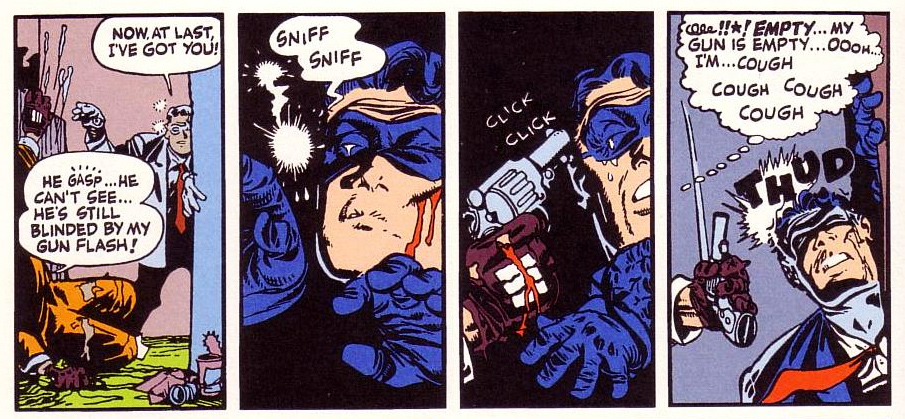


Eisner sold his share in the lucrative Eisner Iger Studio (which itself continued well into the pre-code era) and focused solely on The Spirit, a series that would last until 1952. Eisner reached his late ‘40s zenith with The Spirit, imbuing the strip and his barely costumed non-hero with noir, expressionist and outré filmic elements. By this point his confidence in what he and his co-workers on the strip could achieve meant that the lead character could be but one of an ensemble, sometimes being on the periphery of a story where the accent was more on illustrating the city and its inhabitants. There was no end to the inspiration on the page, with mood, symbolism, subtext, pathos and sophisticated characterisation very much to the fore – and very much a separate entity to the glut of four color pamphlets that were to dominate the newsstand more than ever in the ensuing decade. By 1952, with Eisner by now only supervising other artists and writers (notably such talents as future EC stalwart Wally Wood and DC war artist Jerry Grandenetti) he decided to shut the strip down, clearly aware that things had run their course and that it was time to move on.
Moving on in Eisner’s case meant leaving the industry and continuing with army manuals such as The Preventative Maintenance Monthly. Aside from a few reprint series of The Spirit, Eisner was absent from the comics’ industry throughout the tumultuous Atom Age and revivalist Silver Age – although these anthologies, courtesy of Harvey, Warren and later Kitchen Sink, kept Eisner and his legacy alive within fandom. Very few artists working in the industry during this period namechecked him as an influence – although later on many would. Despite his absence from the industry throughout this time Eisner still had plans for returning. Having been introduced to underground comix in the late 60s by Denis Kitchen and Art Spiegelman, who pointed out how much this new movement owed to him, Eisner felt ready to make a comeback, with his new focus, like the comix, the personal and autobiographical.
Having been away from comic strips for over a quarter of a century, he was ready to forge a second and entirely different phase of his career, by writing and illustrating (this time with no assistance) what he termed graphic novels. This was a clever sidestep by Eisner, who had never wanted to be identified as a regular comic artist – the neologism, which had been around for a few years prior to this, suited his needs as it brought gravitas and conferred an independent, auteur status to his work. The first of these books, 1978’s A Contract with God, and Other Tenement Stories, received very positive notices, its departure from his earlier work hailed as a refreshing new direction for Eisner but also for sequential narrative. The book concentrated on the impoverished lives of the residents of the Lower East Side in Manhattan in the 30s and 40s, detailing their struggles, hopeless dreams and unfulfillment. Thematically the stories would focus on the immigrant, particularly Jewish, experience in New York, with autobiographical elements. The stories followed the lives of strivers, down and outs and people on the make, as they holidayed in the Catskills and attempted to escape the relentless drudgery of their lives. The tales exuded pathos but were hard-hitting – Eisner was not afraid to shy away from the desperation of his protagonists and the determinism of their fate. Contract with God would lead to many more graphic novels, including such classics as The Building, Dropsie Avenue, A Life Force, Invisible People, Life on Another Planet and The Dreamer, based on Eisner’s early years as a naïve, struggling artist. From this point onwards Eisner took on an emeritus role in the industry, producing art handbooks, lecturing, and being a staple at comic conventions, now revered as the maven he was.

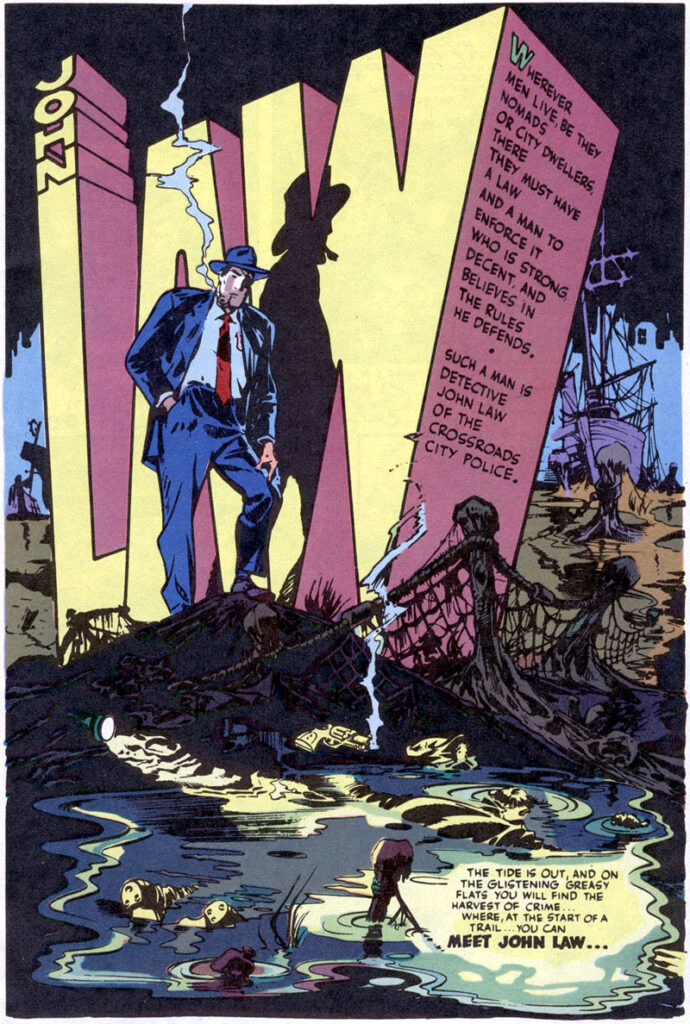
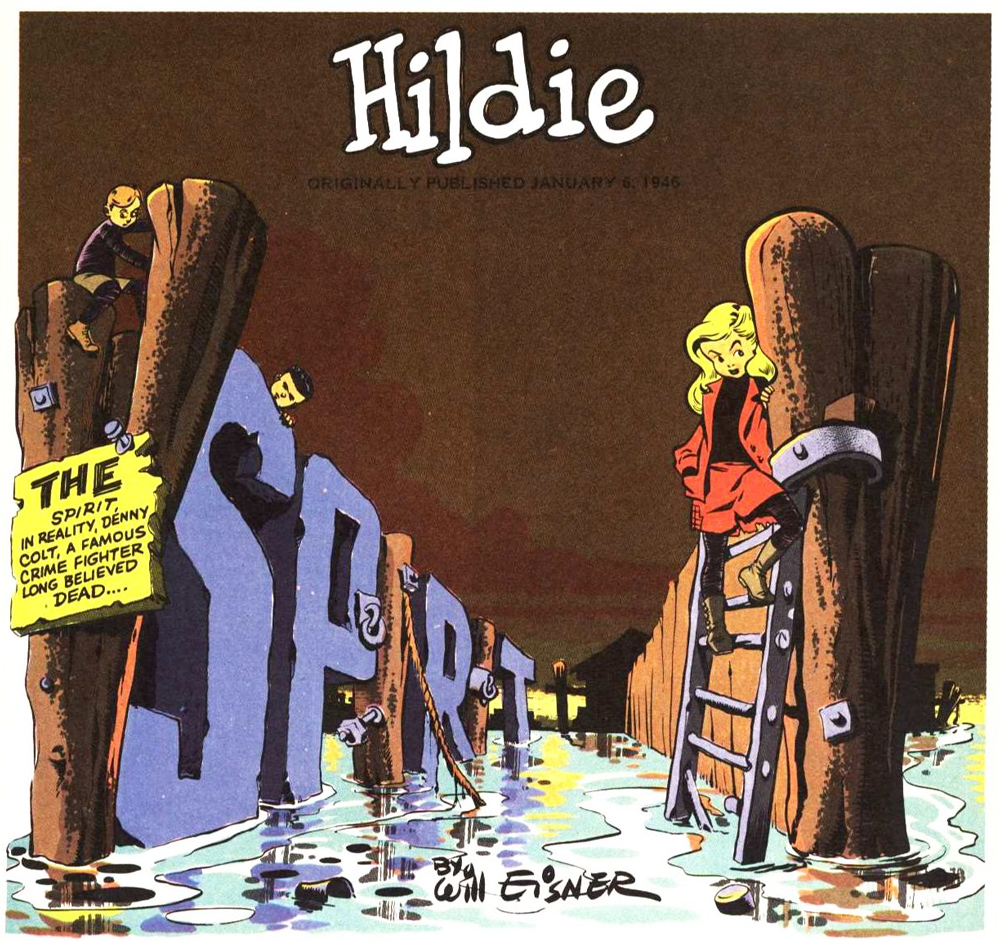
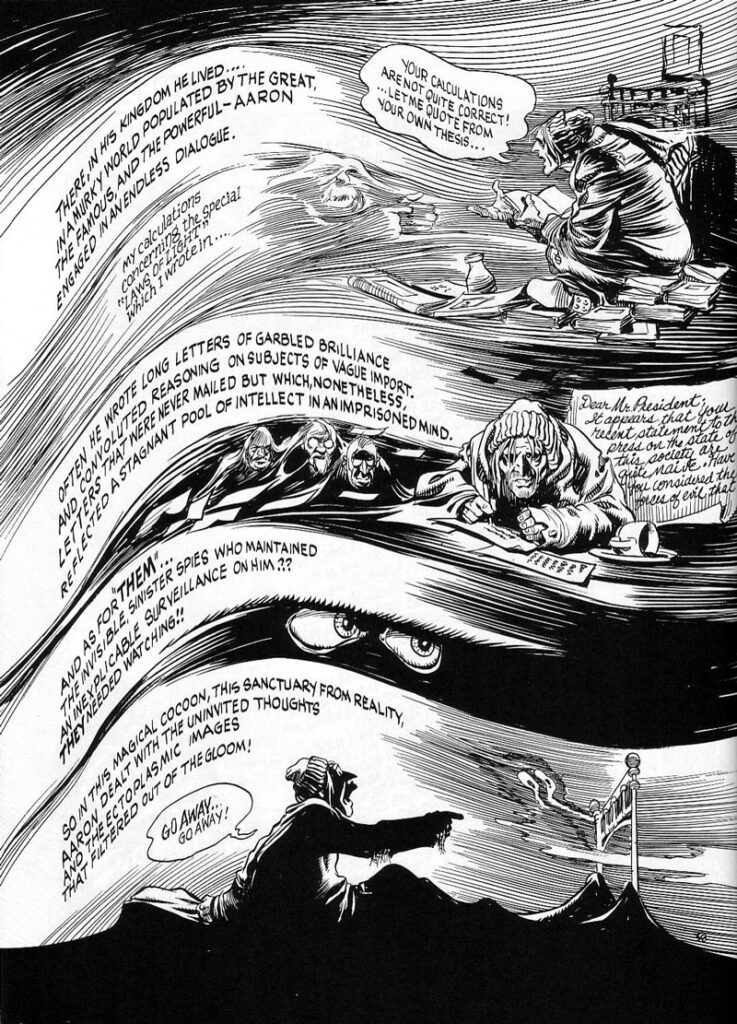

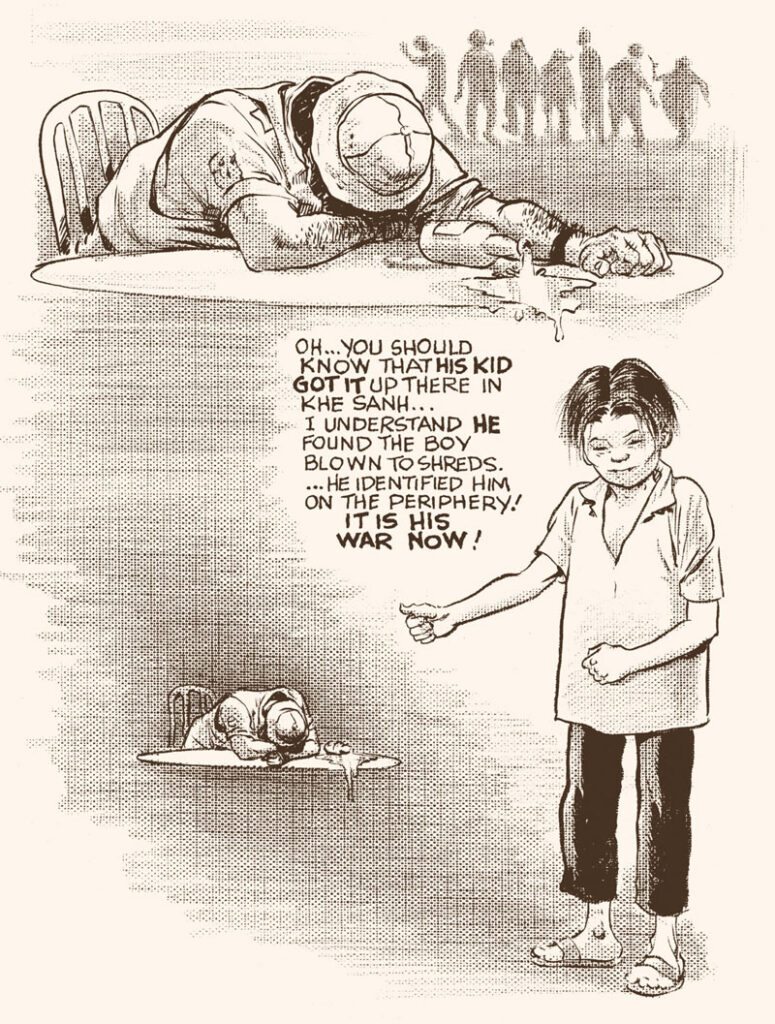



His later work was pivotal as a touchstone for all the alternative writer-artists that followed in its wake, while it also reminded fans and creators of The Spirit, particularly Frank Miller, whose work was obviously indebted to the strip. However, there have been so many artists and writers across the world over the last four decades who consider him a key influence, and not just in the industry either. It is difficult to overestimate Eisner’s importance in comics.
Here’s the rest of our 101 Greatest Comic Artists list so far
Tripwire’s 101 Greatest Comic Artists Of All Time: No.9: Lou Fine
Tripwire’s 101 Greatest Comic Artists Of All Time: No.10: Alex Schomburg
Tripwire’s 101 Greatest Comic Artists Of All Time: No.11: Joe Kubert
Tripwire’s 101 Greatest Comic Artists Of All Time: No.12: Wally Wood
Tripwire’s 101 Greatest Comic Artists Of All Time: No.13: Jim Steranko
Tripwire’s 101 Greatest Comic Artists Of All Time: No.14: Alex Raymond
Tripwire’s 101 Greatest Comic Artists Of All Time: No.15: Harvey Kurtzman
Tripwire’s 101 Greatest Comic Artists Of All Time: No.16: Walter Simonson
Tripwire’s 101 Greatest Comic Artists Of All Time: No.17: Russ Heath
Tripwire’s 101 Greatest Comic Artists Of All Time: No.18: Bill Sienkiewicz
Tripwire’s 101 Greatest Comic Artists Of All Time: No.19: Jack Cole
Tripwire’s 101 Greatest Comic Artists Of All Time: No.20: Bernie Krigstein
Tripwire’s 101 Greatest Comic Artists Of All Time: No.21: Graham Ingels
Tripwire’s 101 Greatest Comic Artists Of All Time: No.22: Al Williamson
Tripwire’s 101 Greatest Comic Artists Of All Time: No.23: Barry Windsor-Smith
Tripwire’s 101 Greatest Comic Artists Of All Time: No.24: Alex Ross
Tripwire’s 101 Greatest Comic Artists Of All Time: No.25: John Byrne
Tripwire’s 101 Greatest Comic Artists Of All Time: No.26: Mike Mignola
Tripwire’s 101 Greatest Comic Artists Of All Time: No.27: Basil Wolverton
Tripwire’s 101 Greatest Comic Artists Of All Time: No.28: Howard Chaykin
Tripwire’s 101 Greatest Comic Artists Of All Time: No.29: Moebius
Tripwire’s 101 Greatest Comic Artists Of All Time: No.30: Dave Gibbons
Tripwire’s 101 Greatest Comic Artists Of All Time: No.31: Creig Flessel
Tripwire’s 101 Greatest Comic Artists Of All Time: No.32: Milt Caniff
Tripwire’s 101 Greatest Comic Artists Of All Time: No.34: Burne Hogarth
Tripwire’s 101 Greatest Comic Artists Of All Time: No.35: LB Cole
Tripwire’s 101 Greatest Comic Artists Of All Time: No.37: Bill Everett
Tripwire’s 101 Greatest Comic Artists Of All Time: No.38: Robert Crumb
Tripwire’s 101 Greatest Comic Artists Of All Time: No.39: Mac Raboy
Tripwire’s 101 Greatest Comic Artists Of All Time: No.41: Jim Starlin
Tripwire’s 101 Greatest Comic Artists Of All Time: No.42: Mike Zeck
Tripwire’s 101 Greatest Comic Artists Of All Time: No.43: Adam Hughes
Tripwire’s 101 Greatest Comic Artists Of All Time: No.44: Daniel Clowes
Tripwire’s 101 Greatest Comic Artists Of All Time: No.45: Gene Colan
Tripwire’s 101 Greatest Comic Artists Of All Time: No.46: George Perez
Tripwire’s 101 Greatest Comic Artists Of All Time: No.47: Michael William Kaluta
Tripwire’s 101 Greatest Comic Artists Of All Time: No.48: Cary Nord
Tripwire’s 101 Greatest Comic Artists Of All Time: No.49: Frank Quitely
Tripwire’s 101 Greatest Comic Artists Of All Time: No.50: Mike Ploog
Tripwire’s 101 Greatest Comic Artists Of All Time: No.51: Johnny Craig
Tripwire’s 101 Greatest Comic Artists Of All Time: No.52: Darwyn Cooke
Tripwire’s 101 Greatest Comic Artists Of All Time: No.53: Steve Dillon
Tripwire’s 101 Greatest Comic Artists Of All Time: No.54: Gil Kane
Tripwire’s 101 Greatest Comic Artists Of All Time: No.55: Michael Zulli
Tripwire’s 101 Greatest Comic Artists Of All Time: No.56: John Romita
Tripwire’s 101 Greatest Comic Artists Of All Time: No.57: Joe Maneely
Tripwire’s 101 Greatest Comic Artists Of All Time: No.58: Marshall Rogers
Tripwire’s 101 Greatest Comic Artists Of All Time: No.59: John Severin
Tripwire’s 101 Greatest Comic Artists Of All Time: No.60: Alex Toth
Tripwire’s 101 Greatest Comic Artists Of All Time: No.61: Brian Bolland
Tripwire’s 101 Greatest Comic Artists Of All Time: No.62: David Mazzuchelli
Tripwire’s 101 Greatest Comic Artists Of All Time: No.63 Reed Crandall
Tripwire’s 101 Greatest Comic Artists Of All Time: No.64 Harry Anderson
Tripwire’s 101 Greatest Comic Artists Of All Time: No.65 Nick Cardy
Tripwire’s 101 Greatest Comic Artists Of All Time: No.66 Matt Wagner
Tripwire’s 101 Greatest Comic Artists Of All Time: No.67 Bryan Hitch
Tripwire’s 101 Greatest Comic Artists Of All Time: No.68 Shawn Martinbrough
Tripwire’s 101 Greatest Comic Artists Of All Time: No.69 Al Feldstein
Tripwire’s 101 Greatest Comic Artists Of All Time: No.70 Nestor Redondo
Tripwire’s 101 Greatest Comic Artists Of All Time: No.71 Tarpe Mills
Tripwire’s 101 Greatest Comic Artists Of All Time: No.72 Eduardo Risso
Tripwire’s 101 Greatest Comic Artists Of All Time: No.73 JH Williams III
Tripwire’s 101 Greatest Comic Artists Of All Time: No.74 Irv Novick
Tripwire’s 101 Greatest Comic Artists Of All Time: No.75 Dan Zolnerowich
Tripwire’s 101 Greatest Comic Artists Of All Time: No.76 Gilbert Shelton
Tripwire’s 101 Greatest Comic Artists Of All Time: No.77 Tommy Lee Edwards
Tripwire’s 101 Greatest Comic Artists Of All Time: No.78: Sean Phillips
Tripwire’s 101 Greatest Comic Artists Of All Time: No.79: Jose Luis Garcia-Lopez
Tripwire’s 101 Greatest Comic Artists Of All Time: No.80: Dan DeCarlo
Tripwire’s 101 Greatest Comic Artists Of All Time: No.81: Marie Severin
Tripwire’s 101 Greatest Comic Artists Of All Time: No.82: John Paul Leon
Tripwire’s 101 Greatest Comic Artists Of All Time: No.83: Jim Lee
Tripwire’s 101 Greatest Comic Artists Of All Time: No.84: Denys Cowan
Tripwire’s 101 Greatest Comic Artists Of All Time: No.85: Ross Andru
Tripwire’s 101 Greatest Comic Artists Of All Time: No.86: Paul Gustavson
Tripwire’s 101 Greatest Comic Artists Of All Time: No.87: George Evans
Tripwire’s 101 Greatest Comic Artists Of All Time: No.88: Michael Golden
Tripwire’s 101 Greatest Comic Artists Of All Time: No.89: Matt Baker
Tripwire’s 101 Greatest Comic Artists Of All Time: No.90: Todd McFarlane
Tripwire’s 101 Greatest Comic Artists Of All Time: No.91: Fiona Staples
Tripwire’s 101 Greatest Comic Artists Of All Time: No.92: Carl Barks
Tripwire’s 101 Greatest Comic Artists Of All Time: No.93: Carmine Infantino
Tripwire’s 101 Greatest Comic Artists Of All Time: No.94: Alan Davis
Tripwire’s 101 Greatest Comic Artists Of All Time: No.95: CC Beck
Tripwire’s 101 Greatest Comic Artists Of All Time: No.96: Syd Shores
Tripwire’s 101 Greatest Comic Artists Of All Time: No.97: Bob Fujitani
Tripwire’s 101 Greatest Comic Artists Of All Time: No.98: Tim Sale
Tripwire’s 101 Greatest Comic Artists Of All Time: No.99: Jim Aparo
https://tripwiremagazine.co.uk/headlines/tripwires-101-greatest-comic-artists-of-all-time-no-100/
https://tripwiremagazine.co.uk/headlines/tripwires-101-greatest-comic-artists-of-all-time-no-101/











You must be logged in to post a comment Login