

Comics News
Tripwire’s 101 Greatest Comic Artists Of All Time: No.28: Howard Chaykin


No.28: Howard Chaykin
Howard Victor Chaykin is an American comic artist who has brought the influence of advertising and commercial artists like Al Parker and Robert Fawcett and comic artists like Wally Wood, who he began assisting very early in his career, and fellow mentor Gil Kane to bear in his work. Words: Joel Meadows…
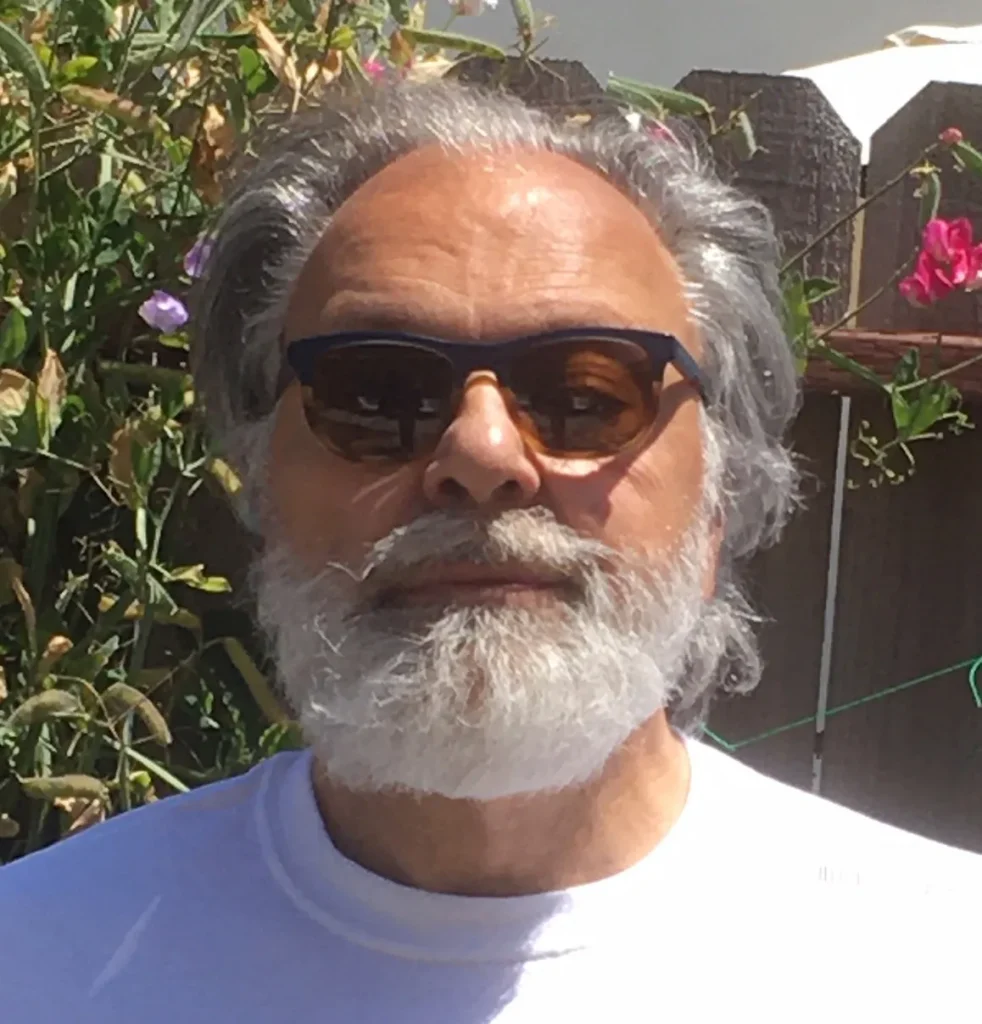
Chaykin was introduced to comics through his cousin and went to Columbia College in Chicago. He never finished school but it was his work as assistant to legendary comics artist Gil Kane at the age of 19 that pointed the way to his future career.
Chaykin worked with Kane for a number of years and then in 1970 he began to get his work published in comics and sci-fi fanzines under the pseudonym of Eric Pave.
Chaykin explained what he thought of Kane in our Tripwire interview with him from back in 2017: “Gil Kane was my first serious art crush. I loved his work from the moment I became aware of it, back in 1960, on the Silver Age revival of Green Lantern. I never did any actual hands-on work for Gil –trust me when I say it–to call my work inept is to credit it with far more value than it merited. I ran errands for Gil, and listened to and absorbed the monologue that ran from the beginning to the end of a work day. Gil was a deeply opinionated man, but unlike opinionated people these days, he was also profoundly well informed. The year I spent working for him so utterly informs my way of thinking – about the creative process of comics, as well as just about everything else in my life and experience. The only way I can imagine repaying this debt is to pass it on to others in kind.”
Once he left working under Kane, he switched to becoming an assistant to artist Wally Wood and his professional solo comics debut was in 1971 for adult-themed western feature Shattuck which ran in the military newspaper Overseas Weekly.
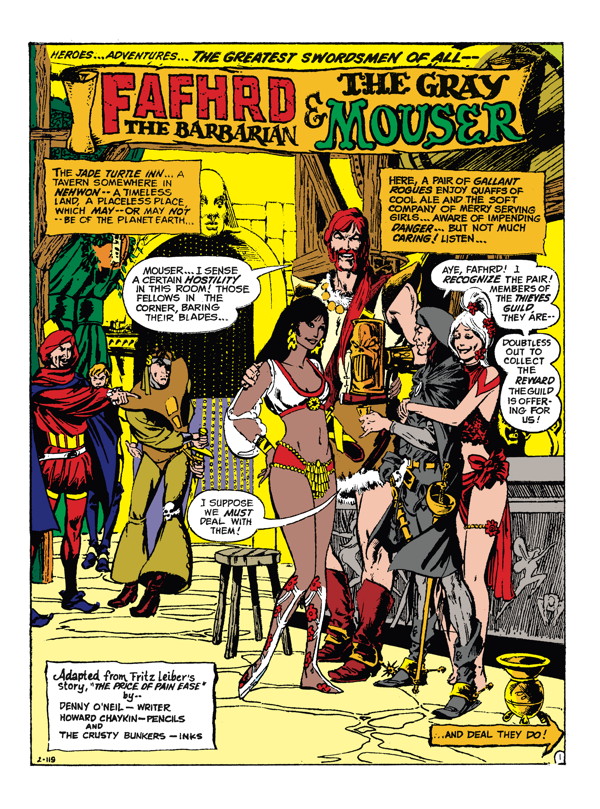
Chaykin pencilled a number of strips for artist Gray Morrow too for places like Marvel and National Lampoon but it was his full length The Price Of Pain Ease, writer Denny O’Neil’s adaptation of Fritz Leiber’s satirical fantasy characters at DC that was his first major work.
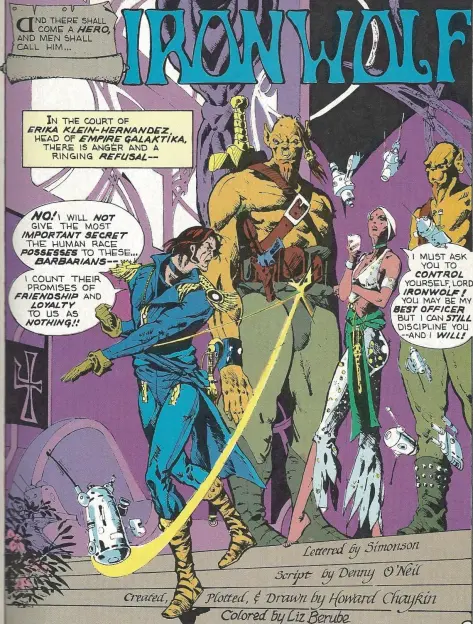
Chaykin also drew sci-fi character Iron Wolf in DC’s anthology series Weird Worlds which led to him drawing a number of adventure strips for Marvel including Dominic Fortune as well as writing and drawing Cody Starbuck for sci-fi anthology series Star Reach, which was one of the first independent comic series of the era.
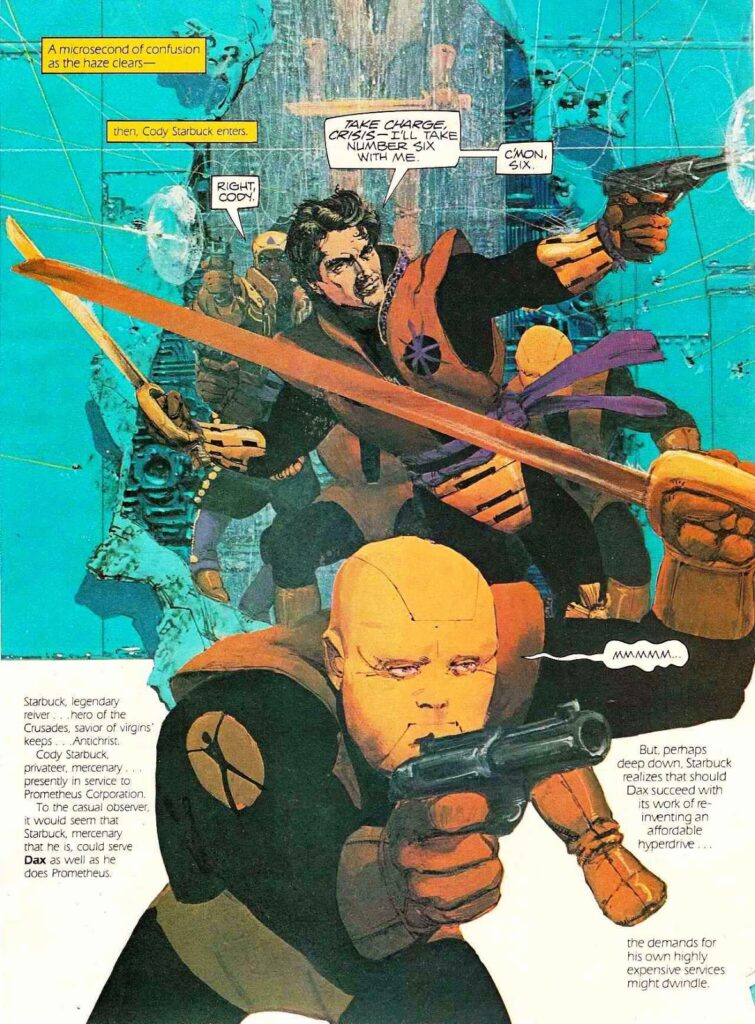
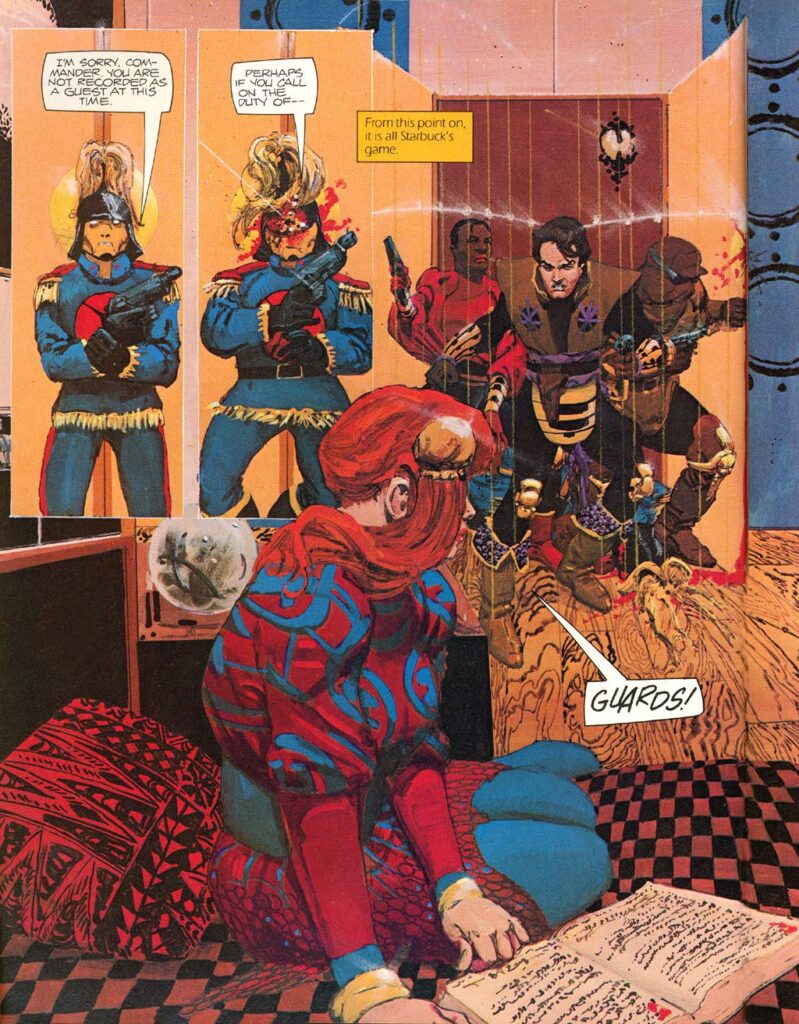
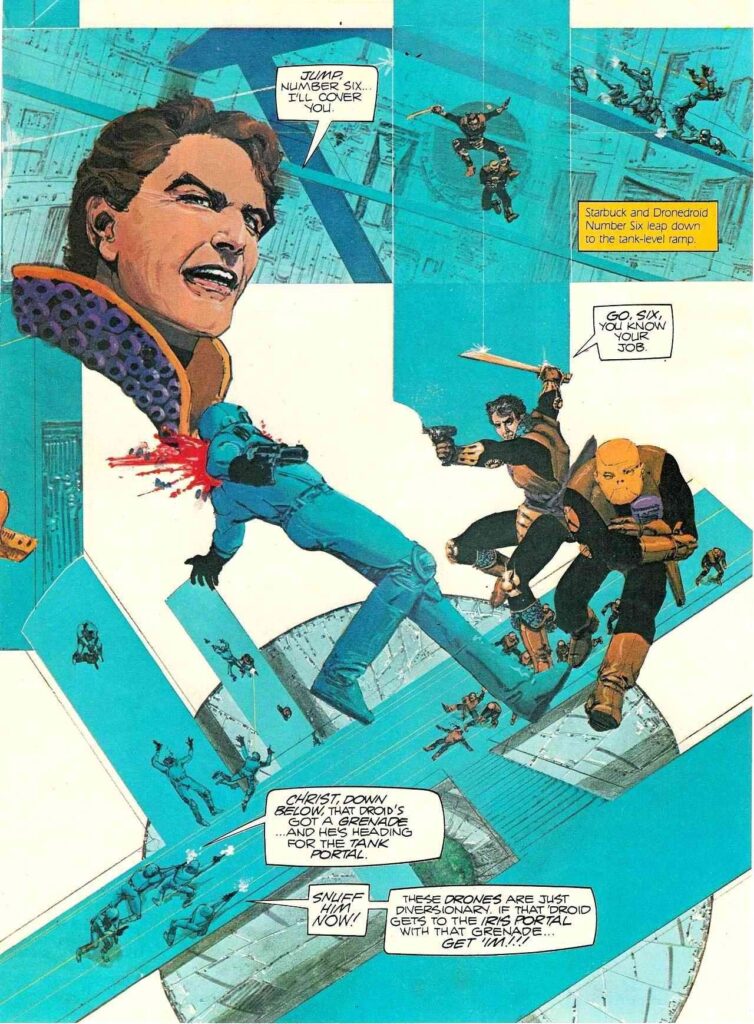
Chaykin has tried to combine both Wally Wood and another influence of his, Alex Toth, into his work as he told us in the same interview:
“As I’ve gotten older, and my tastes have grown both more graphic, and oddly, perhaps conversely, more baroque, I feel that my work has been at first an unconscious, then quite scrupulous, attempt to mesh both Alex Toth and Wallace Wood’s styles into something else entirely.”
In 1976, the artist was hired to pencil the Marvel Comics adaptation of Star Wars and he gave us his opinion of this in the same chat from 2017: “I’m on record everywhere regarding this – I’d like to think that had I known it was going to be that big a deal, I would have done a better job. That work will haunt me to my grave, diminishing the value of the actually good and true work I’ve produced in the past forty odd years. I figure my NYT obit will read HOWARD CHAYKIN DIES; FUCKED UP STAR WARS COMICS – AND REALLY NOW, WHO GIVES A SHIT ABOUT EVERYTHING ELSE HE DID, RIGHT?”
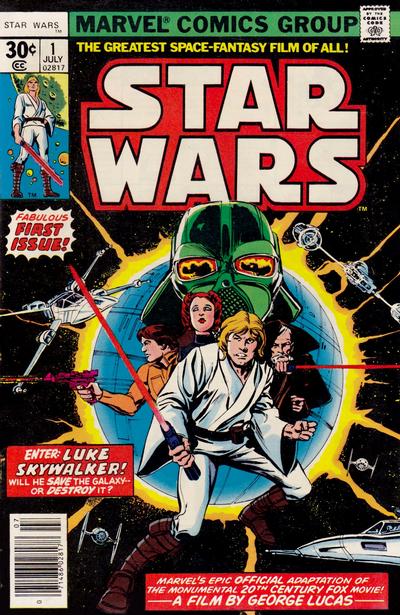
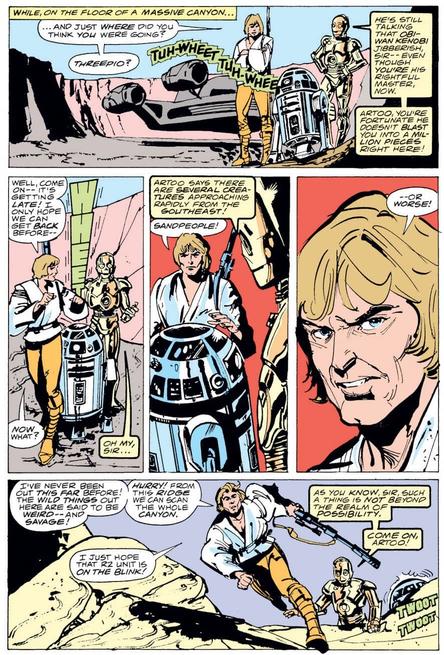
He left Star Wars after just 10 issues to work on more experimental work.
In 1978, he formed Upstart Associates with Walt Simonson, Val Mayerik and Jim Starlin and he reminisces about setting this up in the same interview with us in the aforementioned interview:
“It was mostly me and Walter, with Starlin showing up now and then. Mayerik decided to leave, and didn’t bother to tell any of us, or to let us know that he’d simply offered his workspace to Jim Sherman without seeing if this was good with me, or the others. To this day I’ll never quite understand that kind of presumptuous entitlement.
When Starlin left, he brought in Frank Miller, who did Ronin there while Walter produced his Thor run, and I did Flagg! Dean Haspiel and Larry O’Neil, Denny’s son, were our assistants. We had terrific parties – the atmosphere around the workplace was always good.
One of the highlights was working late on Flagg! one night, and overhearing a conversation between Sherman and Alan Weiss, discussing future projects, leaving the rest of the business to check chasing hacks. Still waiting to see how that worked out. For the record, I gather Sherman lives in that space now. Go figure.”
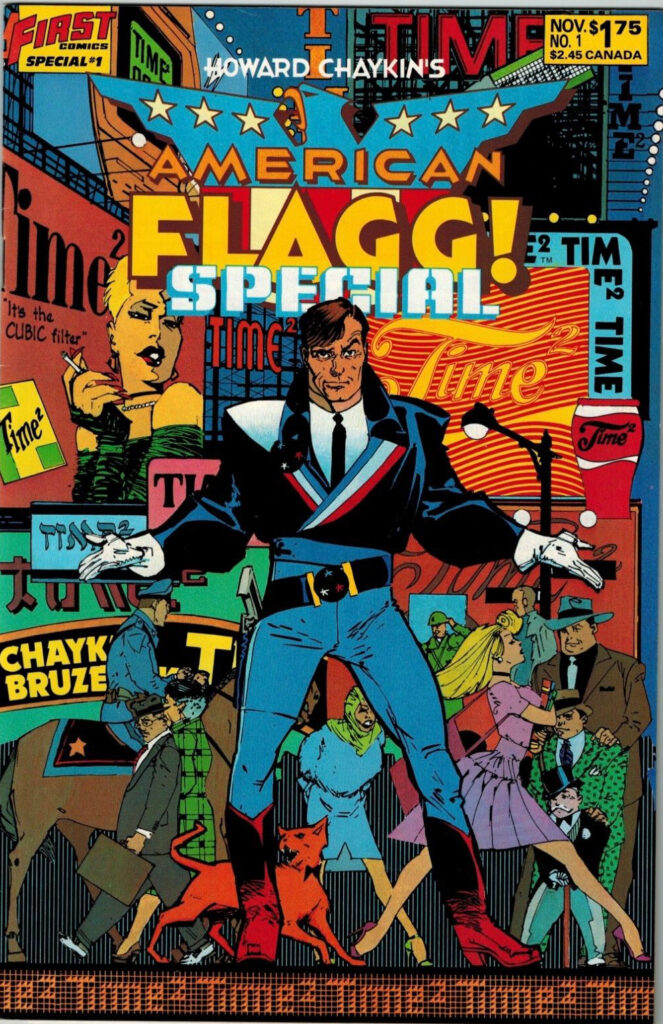
Chaykin moved out of comics for a period and into creating paperback covers in the late 1970s. He also worked on the Heavy Metal movie in the early 1980s but it was his work on American Flagg published by First Comics which really moved him into the vanguard of comic creators. Chaykin still looks fondly at American Flagg! even though these days it doesn’t quite seem to get the credit it deserves, he recalls in our chat from 2017:
“In the first place, while I believed otherwise at the time, Flagg! is not a mainstream comic book. Rather, it was my first serious attempt to synergise graphic ideas, narrative themes and visual syntax into a cohesive whole.
Even if it had reached the mass market, I don’t believe it would have met with any great or profound love, simply because it pissed all over many of the very tropes that comic fans hold dear. The book featured an untrustworthy, vaguely dishonest sidewinder of a hero – a liberal mugged by reality, in Ed Koch’s famous phrase.
Flagg! is packed with a slew of unlikeable supporting characters operating in a vulgar and unsettling place, with an equally difficult world view. Skeptical rather than cynical, the book is easy to read as nihilistic, when in fact it’s mostly a screed about the Reagan administration.
And that’s only the content. Visually, graphically, textually, narratively, the book isn’t easy to read – and doesn’t congratulate its reader for being there, the way ‘the hero with a wound’ traditional comic book formula does so well.
On the other hand, an entire generation of artists and writers grew up on it. And despite the current trend of nice driving out the good, in which talent has to apologise and pander to an audience that operates under the mistaken impression that it has the right not to have its feelings hurt, Flagg! opened the door to an entirely new vocabulary for telling stories in comics.”
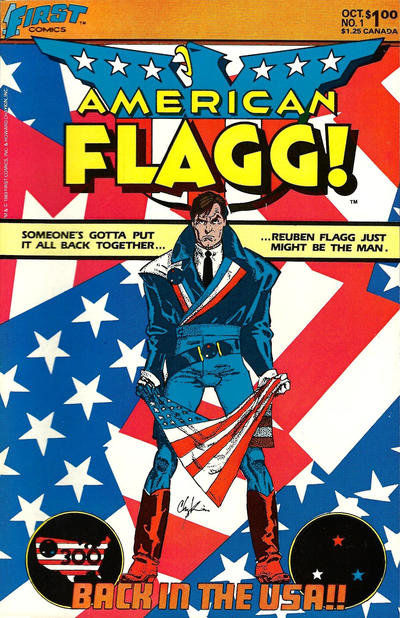
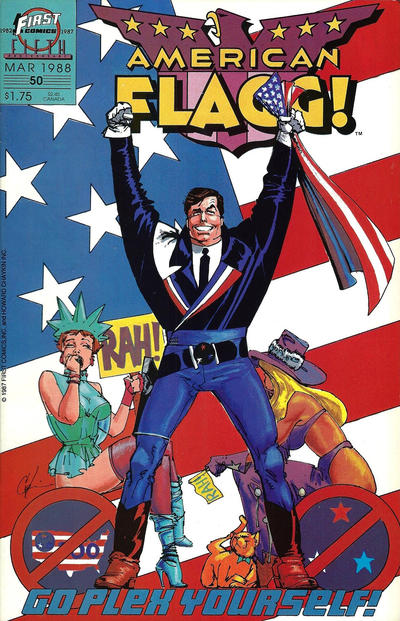
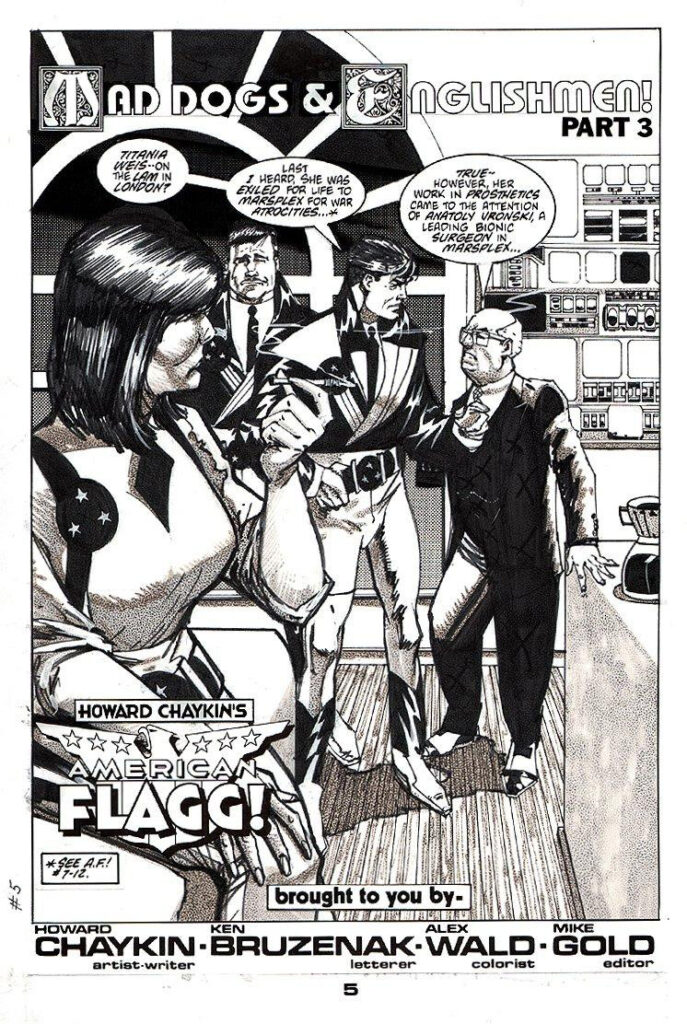
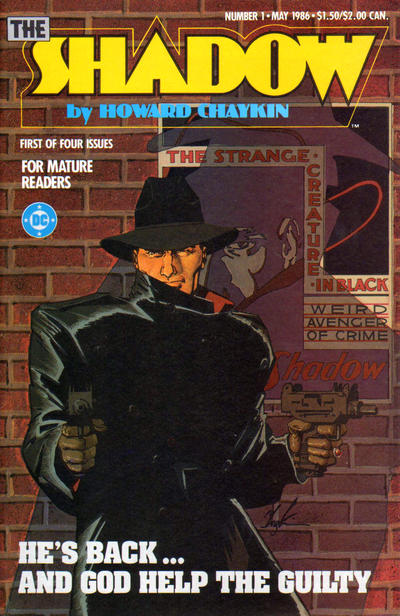
After American Flagg!, Chaykin returned to DC as writer/ artist on a reboot of classic pulp character The Shadow, which generated enough interest to create an ongoing series that he was not part of.
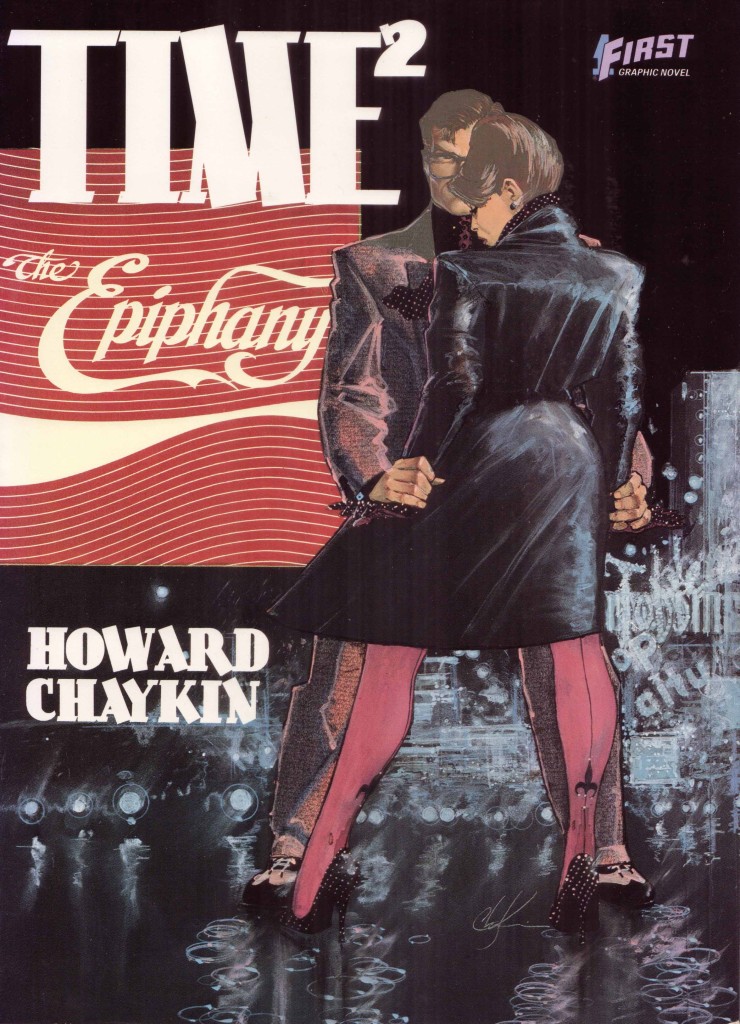
The American Flagg Special one shot introduced Howard Chaykin’s Time2, a story that Chaykin described as a particularly personal project.
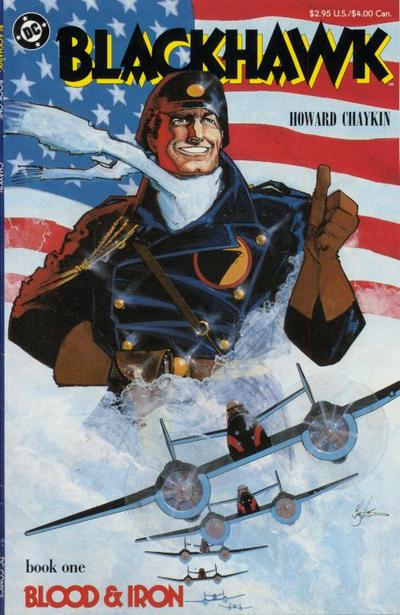
He then cane back to DC to write and draw Blackhawk, another reboot, this time of DC’s World War Two flying aces.
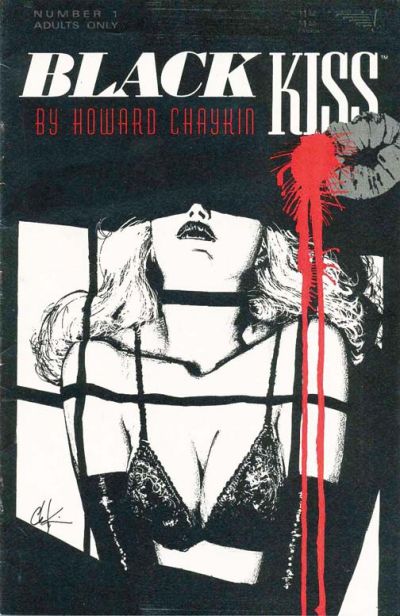
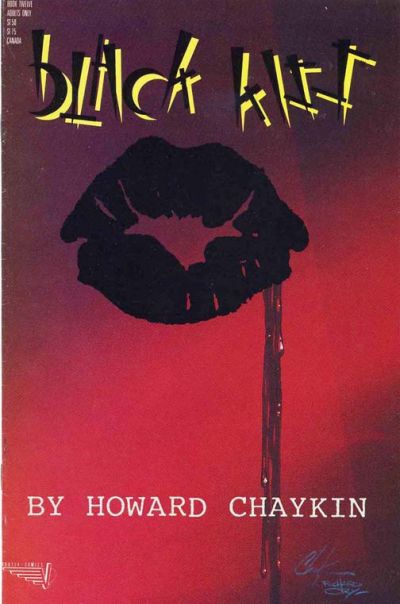
Leaving DC after they announced a labelling system for their comics, his next work was Black Kiss for Vortex, a series that generated a lot of controversy at the time.
He came back to DC again in the 1990s to write Twilight, a series that took a new look at DC’s naive sci-fi creations with artist Jose Luis Garcia Lopez.
In the same decade, he returned to Fafhrd and The Grey Mouser, this time as co-writer with John Francis Moore and now pencilled by Mike Mignola. He also came back to co-write Iron Wolf: Fires Of The Revolution with Moore and pencilled again by Mignola.
Over the past twenty years, Chaykin has worked on a number of series as both writer and artist including penciller with longtime friend and collaborator Walter Simonson on DC’s Hawkgirl and co-wrote Challengers Of The Unknown with friend David Tischmann. Chaykin has also completed the third Time2 graphic novel which will be published later this year by Image Comics.

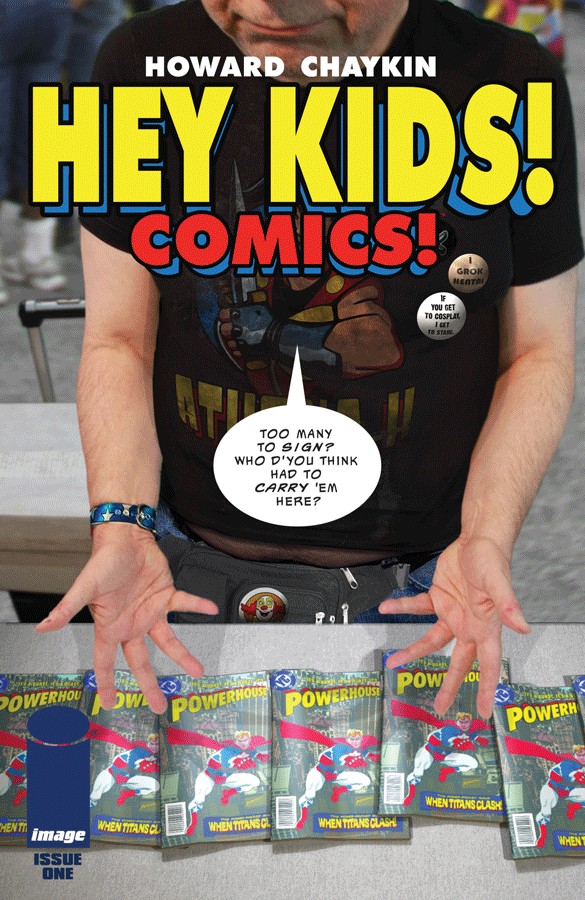
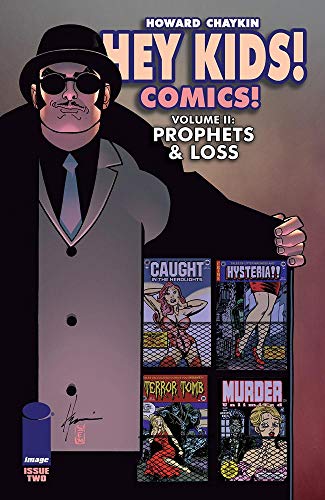
Most recently, Chaykin has also written and drawn Hey Kids Comics, a parody of the history of the rise of the comics industry, published by Image.
Chaykin is truly a renaissance man, a creator who is as comfortable drawing other people’s writing as he is working on his own material. Able to infuse his work with influences from the worlds of illustration and classic comics, he has an instantly recognisable line. Even after six decades, his ardour and passion for his work shows no sign of abating.
Here’s links through to the other entries in our 101 Greatest so far as well
Tripwire’s 101 Greatest Comic Artists Of All Time: No.29: Moebius
Tripwire’s 101 Greatest Comic Artists Of All Time: No.30: Dave Gibbons
Tripwire’s 101 Greatest Comic Artists Of All Time: No.31: Creig Flessel
Tripwire’s 101 Greatest Comic Artists Of All Time: No.32: Milt Caniff
Tripwire’s 101 Greatest Comic Artists Of All Time: No.34: Burne Hogarth
Tripwire’s 101 Greatest Comic Artists Of All Time: No.35: LB Cole
Tripwire’s 101 Greatest Comic Artists Of All Time: No.37: Bill Everett
Tripwire’s 101 Greatest Comic Artists Of All Time: No.38: Robert Crumb
Tripwire’s 101 Greatest Comic Artists Of All Time: No.39: Mac Raboy
Tripwire’s 101 Greatest Comic Artists Of All Time: No.41: Jim Starlin
Tripwire’s 101 Greatest Comic Artists Of All Time: No.42: Mike Zeck
Tripwire’s 101 Greatest Comic Artists Of All Time: No.43: Adam Hughes
Tripwire’s 101 Greatest Comic Artists Of All Time: No.44: Daniel Clowes
Tripwire’s 101 Greatest Comic Artists Of All Time: No.45: Gene Colan
Tripwire’s 101 Greatest Comic Artists Of All Time: No.46: George Perez
Tripwire’s 101 Greatest Comic Artists Of All Time: No.47: Michael William Kaluta
Tripwire’s 101 Greatest Comic Artists Of All Time: No.48: Cary Nord
Tripwire’s 101 Greatest Comic Artists Of All Time: No.49: Frank Quitely
Tripwire’s 101 Greatest Comic Artists Of All Time: No.50: Mike Ploog
Tripwire’s 101 Greatest Comic Artists Of All Time: No.51: Johnny Craig
Tripwire’s 101 Greatest Comic Artists Of All Time: No.52: Darwyn Cooke
Tripwire’s 101 Greatest Comic Artists Of All Time: No.53: Steve Dillon
Tripwire’s 101 Greatest Comic Artists Of All Time: No.54: Gil Kane
Tripwire’s 101 Greatest Comic Artists Of All Time: No.55: Michael Zulli
Tripwire’s 101 Greatest Comic Artists Of All Time: No.56: John Romita
Tripwire’s 101 Greatest Comic Artists Of All Time: No.57: Joe Maneely
Tripwire’s 101 Greatest Comic Artists Of All Time: No.58: Marshall Rogers
Tripwire’s 101 Greatest Comic Artists Of All Time: No.59: John Severin
Tripwire’s 101 Greatest Comic Artists Of All Time: No.60: Alex Toth
Tripwire’s 101 Greatest Comic Artists Of All Time: No.61: Brian Bolland
Tripwire’s 101 Greatest Comic Artists Of All Time: No.62: David Mazzuchelli
Tripwire’s 101 Greatest Comic Artists Of All Time: No.63 Reed Crandall
Tripwire’s 101 Greatest Comic Artists Of All Time: No.64 Harry Anderson
Tripwire’s 101 Greatest Comic Artists Of All Time: No.65 Nick Cardy
Tripwire’s 101 Greatest Comic Artists Of All Time: No.66 Matt Wagner
Tripwire’s 101 Greatest Comic Artists Of All Time: No.67 Bryan Hitch
Tripwire’s 101 Greatest Comic Artists Of All Time: No.68 Shawn Martinbrough
Tripwire’s 101 Greatest Comic Artists Of All Time: No.69 Al Feldstein
Tripwire’s 101 Greatest Comic Artists Of All Time: No.70 Nestor Redondo
Tripwire’s 101 Greatest Comic Artists Of All Time: No.71 Tarpe Mills
Tripwire’s 101 Greatest Comic Artists Of All Time: No.72 Eduardo Risso
Tripwire’s 101 Greatest Comic Artists Of All Time: No.73 JH Williams III
Tripwire’s 101 Greatest Comic Artists Of All Time: No.74 Irv Novick
Tripwire’s 101 Greatest Comic Artists Of All Time: No.75 Dan Zolnerowich
Tripwire’s 101 Greatest Comic Artists Of All Time: No.76 Gilbert Shelton
Tripwire’s 101 Greatest Comic Artists Of All Time: No.77 Tommy Lee Edwards
Tripwire’s 101 Greatest Comic Artists Of All Time: No.78: Sean Phillips
Tripwire’s 101 Greatest Comic Artists Of All Time: No.79: Jose Luis Garcia-Lopez
Tripwire’s 101 Greatest Comic Artists Of All Time: No.80: Dan DeCarlo
Tripwire’s 101 Greatest Comic Artists Of All Time: No.81: Marie Severin
Tripwire’s 101 Greatest Comic Artists Of All Time: No.82: John Paul Leon
Tripwire’s 101 Greatest Comic Artists Of All Time: No.83: Jim Lee
Tripwire’s 101 Greatest Comic Artists Of All Time: No.84: Denys Cowan
Tripwire’s 101 Greatest Comic Artists Of All Time: No.85: Ross Andru
Tripwire’s 101 Greatest Comic Artists Of All Time: No.86: Paul Gustavson
Tripwire’s 101 Greatest Comic Artists Of All Time: No.87: George Evans
Tripwire’s 101 Greatest Comic Artists Of All Time: No.88: Michael Golden
Tripwire’s 101 Greatest Comic Artists Of All Time: No.89: Matt Baker
Tripwire’s 101 Greatest Comic Artists Of All Time: No.90: Todd McFarlane
Tripwire’s 101 Greatest Comic Artists Of All Time: No.91: Fiona Staples
Tripwire’s 101 Greatest Comic Artists Of All Time: No.92: Carl Barks
Tripwire’s 101 Greatest Comic Artists Of All Time: No.93: Carmine Infantino
Tripwire’s 101 Greatest Comic Artists Of All Time: No.94: Alan Davis
Tripwire’s 101 Greatest Comic Artists Of All Time: No.95: CC Beck
Tripwire’s 101 Greatest Comic Artists Of All Time: No.96: Syd Shores
Tripwire’s 101 Greatest Comic Artists Of All Time: No.97: Bob Fujitani
Tripwire’s 101 Greatest Comic Artists Of All Time: No.98: Tim Sale
Tripwire’s 101 Greatest Comic Artists Of All Time: No.99: Jim Aparo
https://tripwiremagazine.co.uk/headlines/tripwires-101-greatest-comic-artists-of-all-time-no-100/
https://tripwiremagazine.co.uk/headlines/tripwires-101-greatest-comic-artists-of-all-time-no-101/







You must be logged in to post a comment Login