

Comics News
Tripwire’s 101 Greatest Comic Artists Of All Time: No.23: Barry Windsor-Smith


No.23: Barry Windsor-Smith
Along with The Studio colleagues Jeff Jones, Bernie Wrightson and Mike Kaluta, Barry Windsor-Smith was one of the artists who rose to prominence in the late 1960s as the medium and industry moved into more diverse territory. Immediately after leaving art school in 1968, Smith migrated from London to New York and began working in comics at Marvel on titles such as Daredevil, Nick Fury, X-Men and The Avengers, where his Kirby-derivative art was, despite its shortcomings, endorsed by editor Stan Lee. Within three years however, Smith would develop the virtuoso artistry that he was renowned for. Words: Andrew Colman…
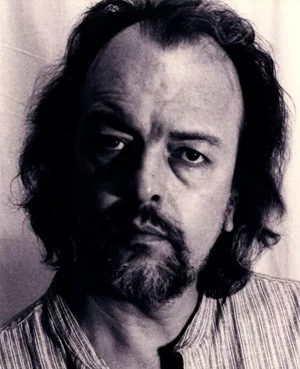
courtesy of Fantagraphics
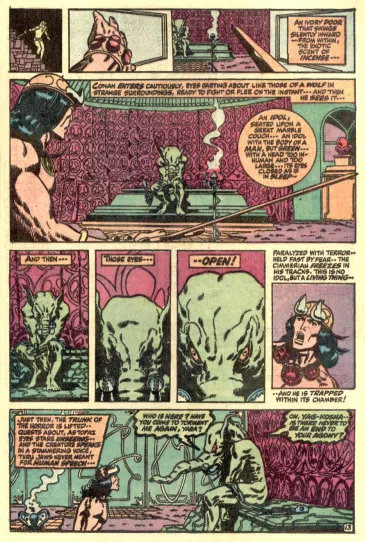
By 1970 Smith had moved into other parts of the medium that were more suited to his artistic style, working on Marvel’s re-emerging horror titles Tower of Shadows and Chamber of Darkness, alongside Bernie Wrightson. It was thanks to collaborator Roy Thomas that he was given his own series in another revived genre, sword and sorcery, on the Conan the Barbarian series. This pivotal book was one of the touchstones of the bronze age, with the title’s ruthless, amoral protagonist a corrective to the spandex heroes who had rose to prominence a decade earlier at Marvel. Within a few issues Smith’s artistic footprint had become fully-formed – his subtle, lyrical and elegant pencils informed by the pre-Raphaelites and classicism. The series grew to be a huge success, with Smith illustrating and co-writing nearly all of the first 24 issues, the stories lifted directly from Robert E. Howard’s tales of the character, along with Red Sonja. His storytelling abilities after the early issues scaled new heights, the drama and sense of place brilliantly recreating Howard’s originals, such as Red Nails, The Frost-Giant’s Daughter and Tower of the Elephant for a new readership.
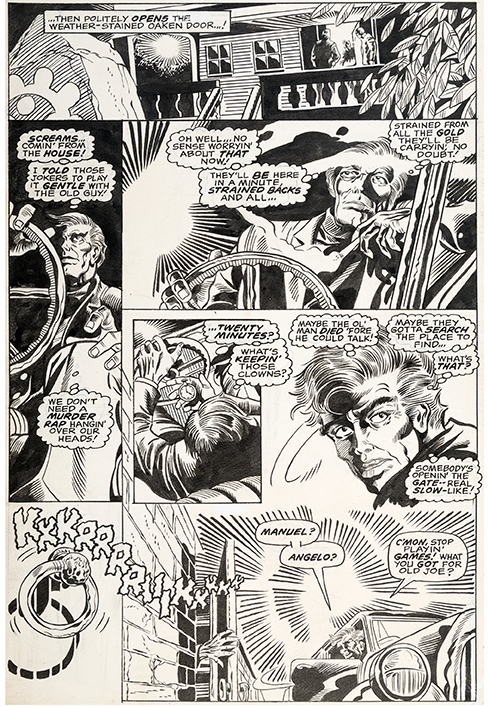
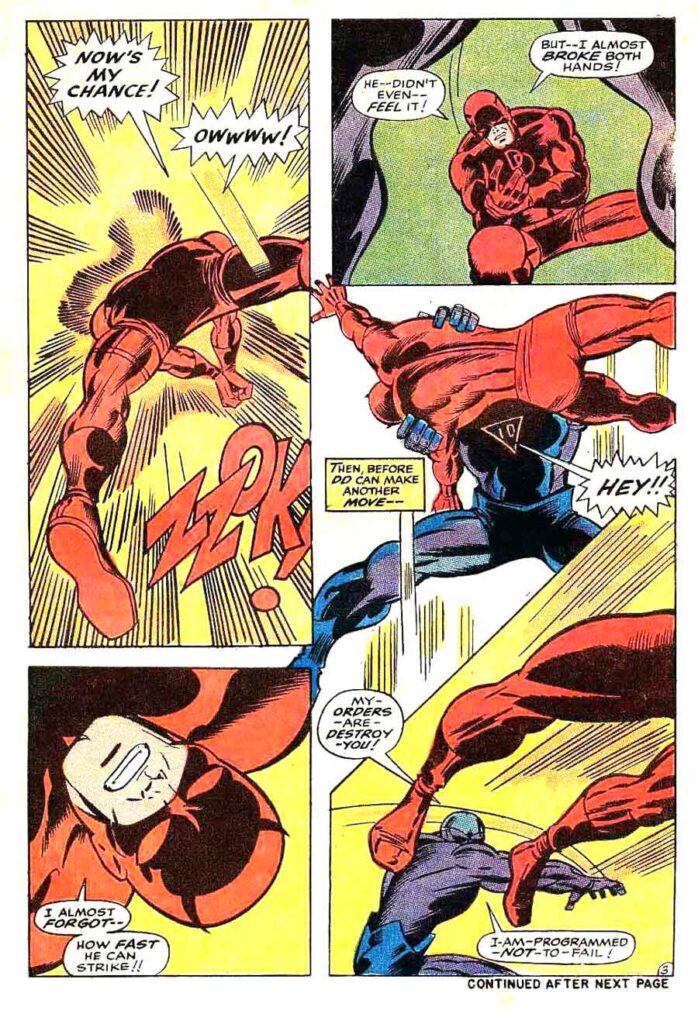
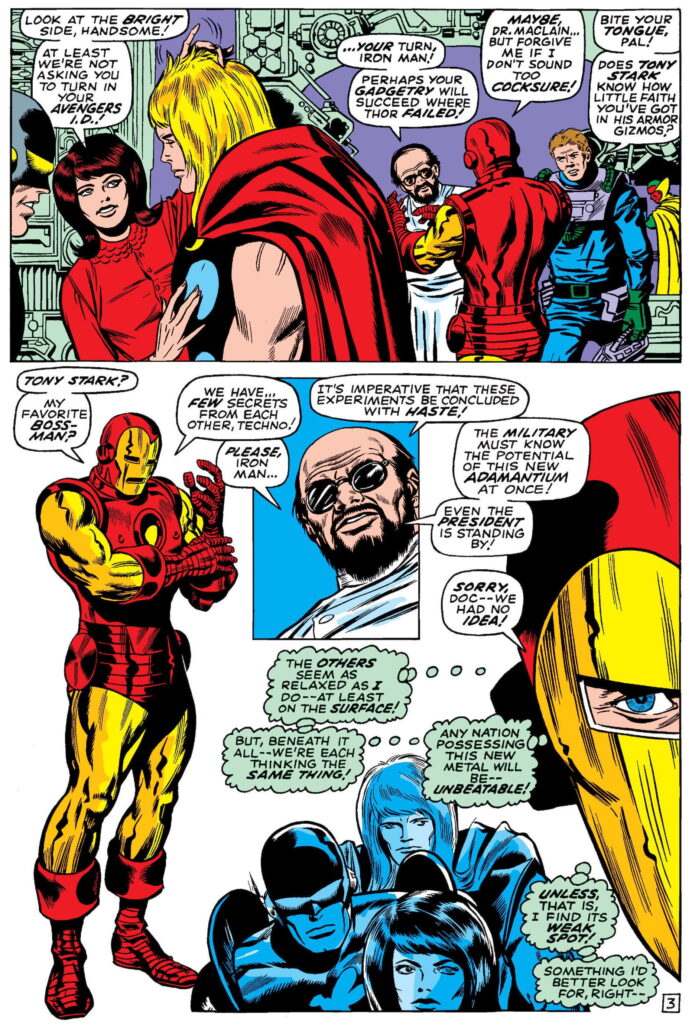
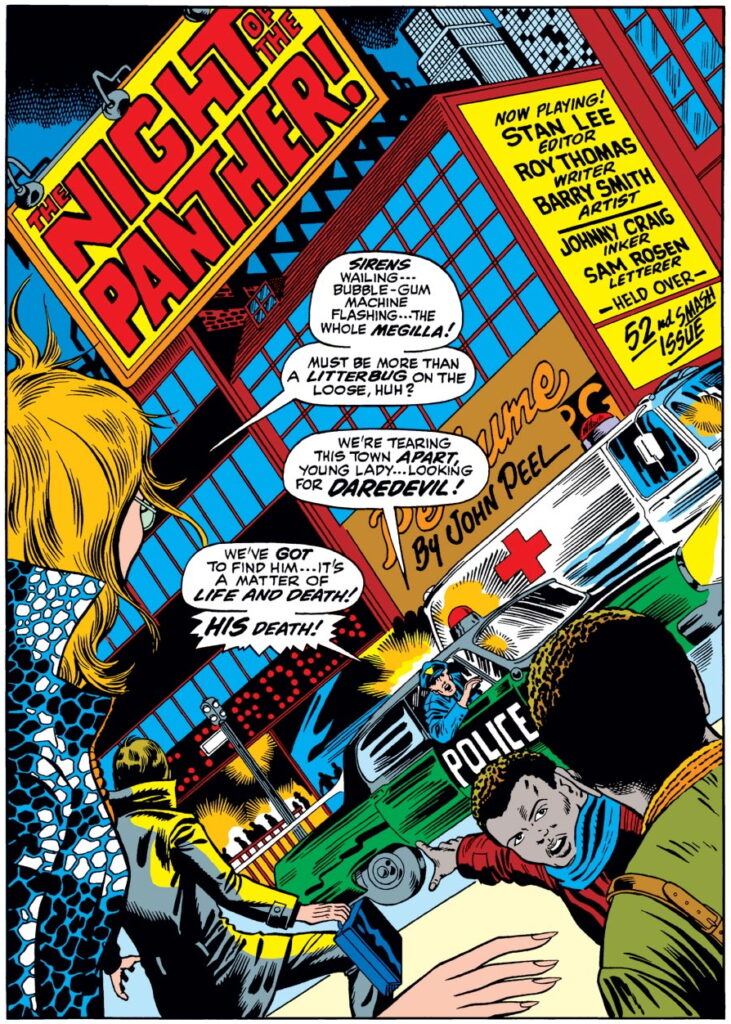
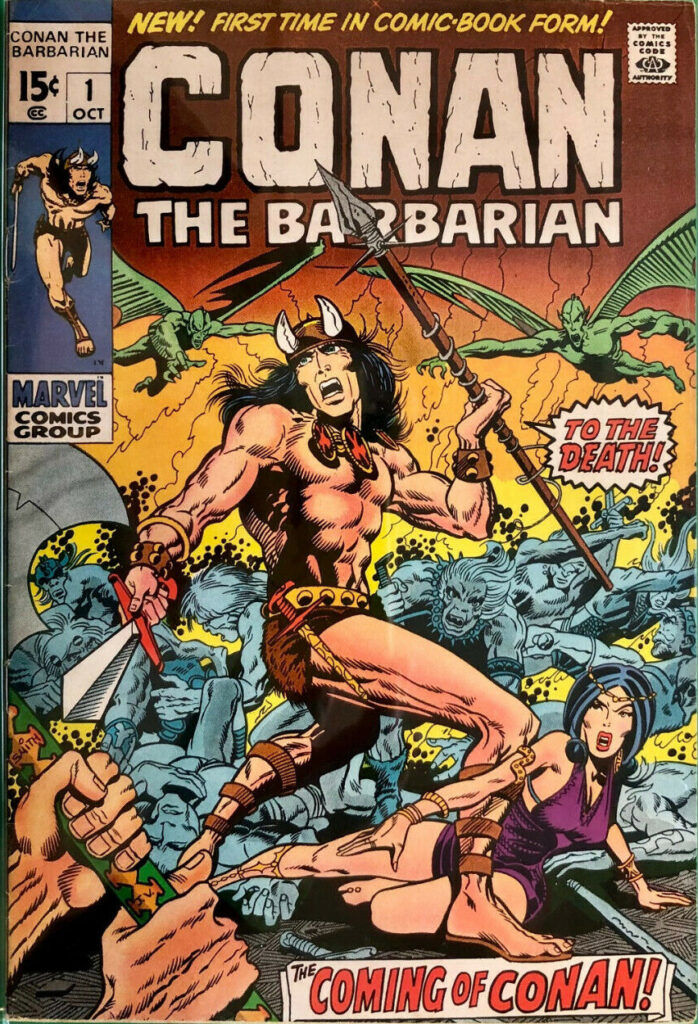
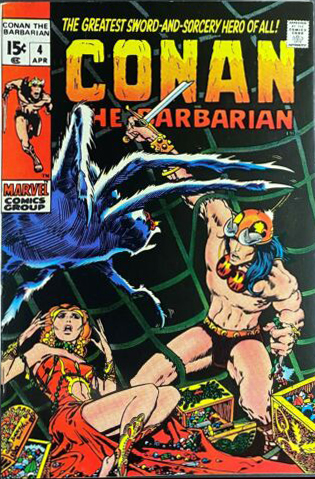
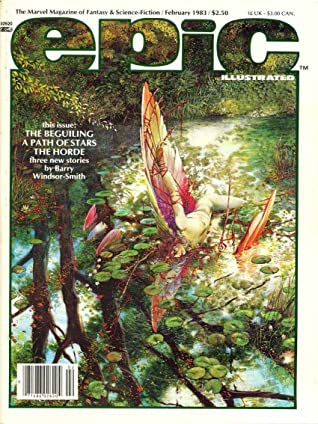
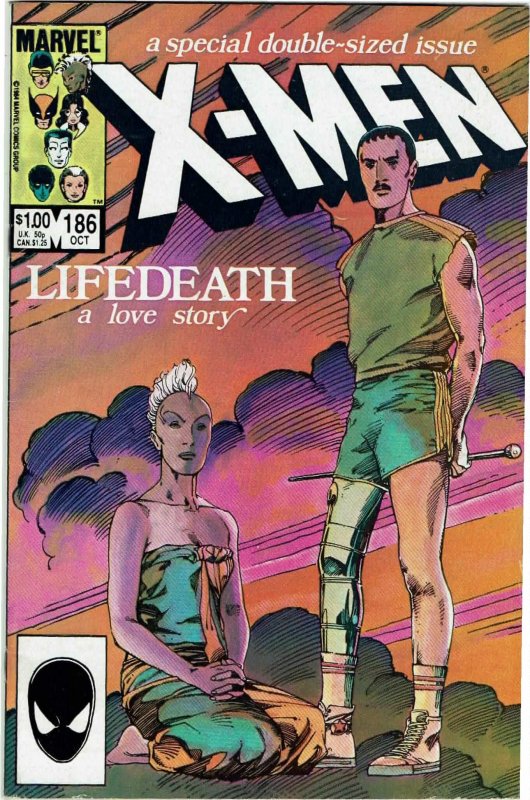
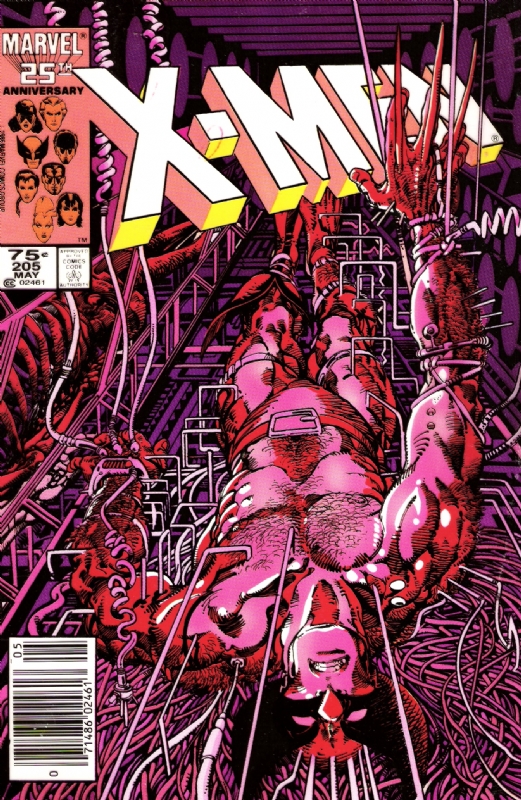
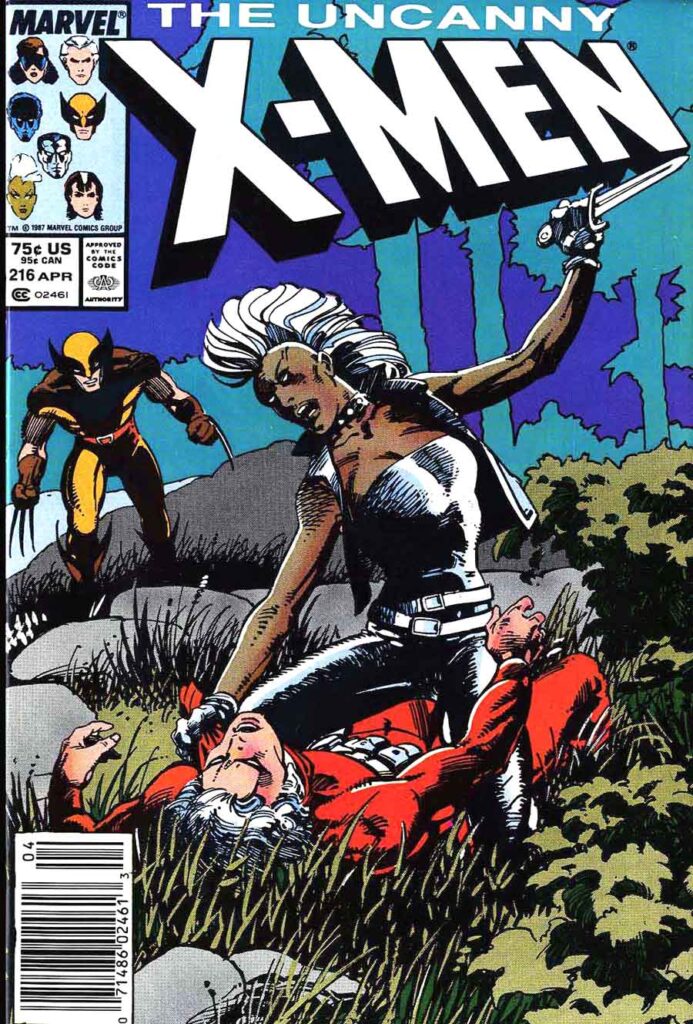
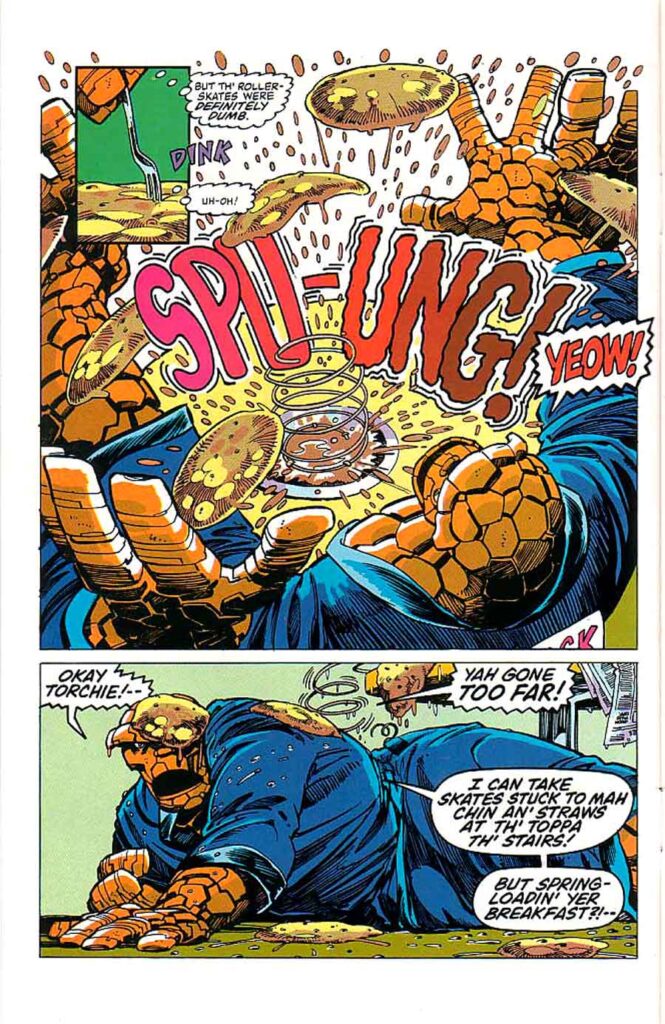
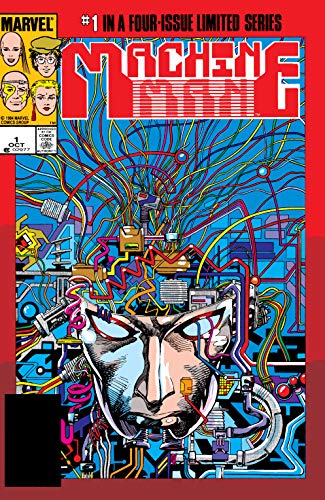
Apart from working on a handful of other titles during the early bronze age, Smith worked exclusively on Conan before leaving the industry, due to his desire to work in other media as well as being unhappy with being a work for hire artist. Working with the aforementioned Studio alumni, Windsor-Smith focused on posters, prints and fine art. He would not be coaxed back into the comics’ industry until 1983, where he began pencilling on various projects, mostly for Marvel. He rarely focused on any particular series for long during this period, but still produced excellent work for Epic Illustrated under the auspices of Archie Goodwin, Marvel Fanfare, Machine Man and three issues of the Uncanny X-Men, two of which featured the much-lauded Lifedeath saga. After doing a few further fill-in assignments, Smith ended his time at Marvel in 1990 on the Weapon X story arc in Marvel Comics Presents, which definitively retold Wolverine’s origin story. A far bleaker and more visceral effort than previously for Smith, who was the sole creator on the book, and reminiscent of the new, darker tone in comics that had recently become prevalent in that era, it was nevertheless a compulsive and powerful tale that had all the classic Windsor-Smith hallmarks.
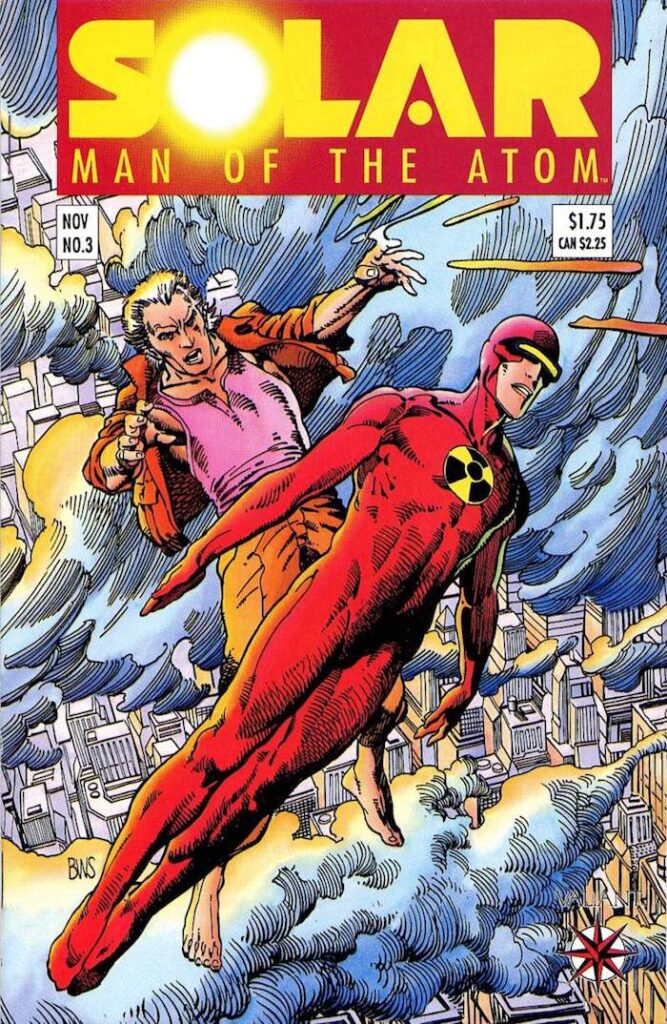
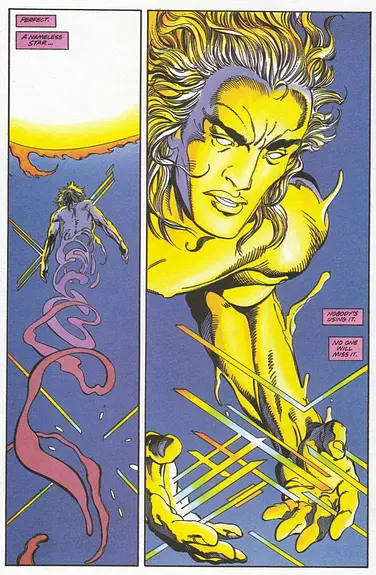
In 1991 Windsor-Smith was approached by Jim Shooter to become artistic and creative director, and lead artist of Valiant Comics, a publisher that would revive and update several 1960s Gold Key characters such as Magnus Robot Fighter and Doctor Solar, Man of the Atom. His main work for the publisher was the Alpha / Omega origin story of Solar, which appeared in the first eleven issues of the title. One of the high points of his career, his art and storytelling on the character was both cinematic and off-kilter, with Solar retaining the lost, enigmatic quality he had from the original series. Windsor-Smith imbued the character’s isolation and confusion in the reworked tale with remarkable psychological depth. Although Valiant’s time at the summit of the comics’ industry was relatively brief (as was his tenure there) his work on Solar, along with new title Archer and Armstrong, is certainly worth investigating.
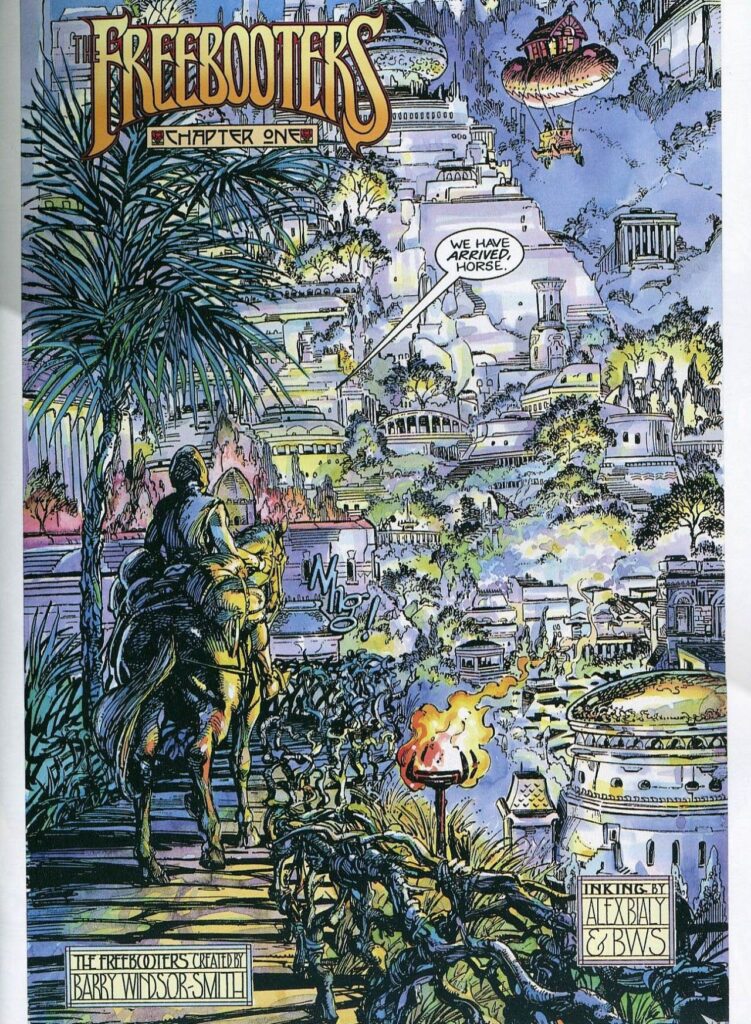
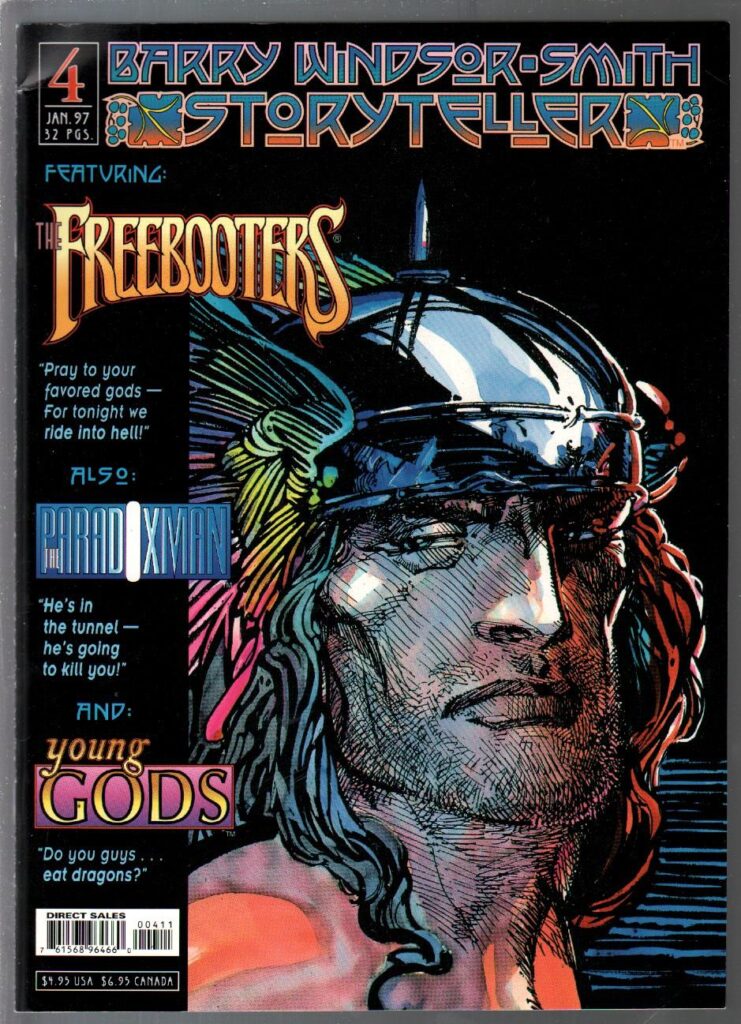
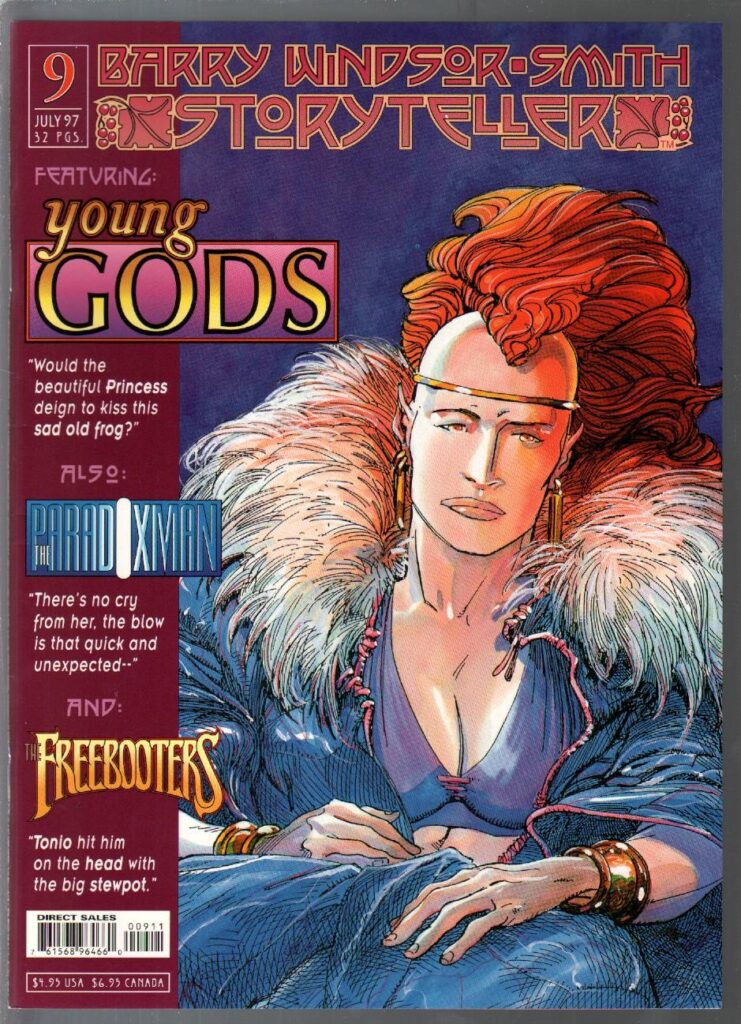
After leaving Valiant in 1993 in somewhat fractious circumstances Windsor-Smith would continue working sporadically at various comic publishers, as he gradually opted to leave the industry behind. Despite this his talent had not diminished, his time on Barry-Windsor-Smith: Storyteller for Dark Horse Comics in 1995 proving that if anything, his artwork was more refined than ever. His series, which revisited old themes and composites of Marvel and DC properties over nine large-format anthologies, was classic Windsor-Smith, and an atmospheric tour de force that had a more European edge.
By the mid-noughties, Windsor-Smith had cleared his desk as far as the comic industry was concerned. Indeed, no new product was forthcoming from the reclusive artist until last year, when the graphic novel Monsters arrived. A labour of love that had taken 35 years to complete, Monsters splices horror, the supernatural and science fiction, with plot strands and references that in certain ways encompass the artist’s career. A gothic tale about a man who ends up in a Nazi project where he is tortured and transformed (in a similar process to Weapon X), into a monster who is a cross between The Hulk and Frankenstein, the narrative parallels the young man’s fate with the abusive relationship he had with his father. Despite the artwork being uneven and inconsistent (bearing in mind how much time was involved and how his art style had inevitably changed) it’s still a compulsive read, with Windsor-Smith’s commitment to the piece all too obvious. For a swansong (which the book was intended to be) it played very well, and showed that regardless of his strong misgivings about the industry, there was still the creative impetus to return to it one final time.
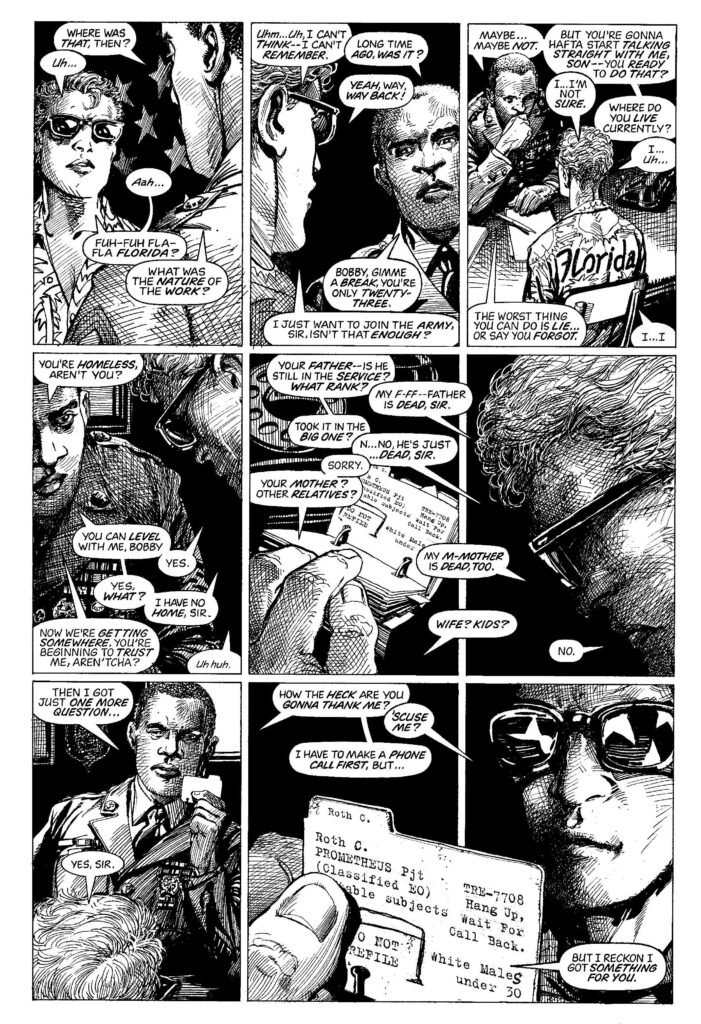
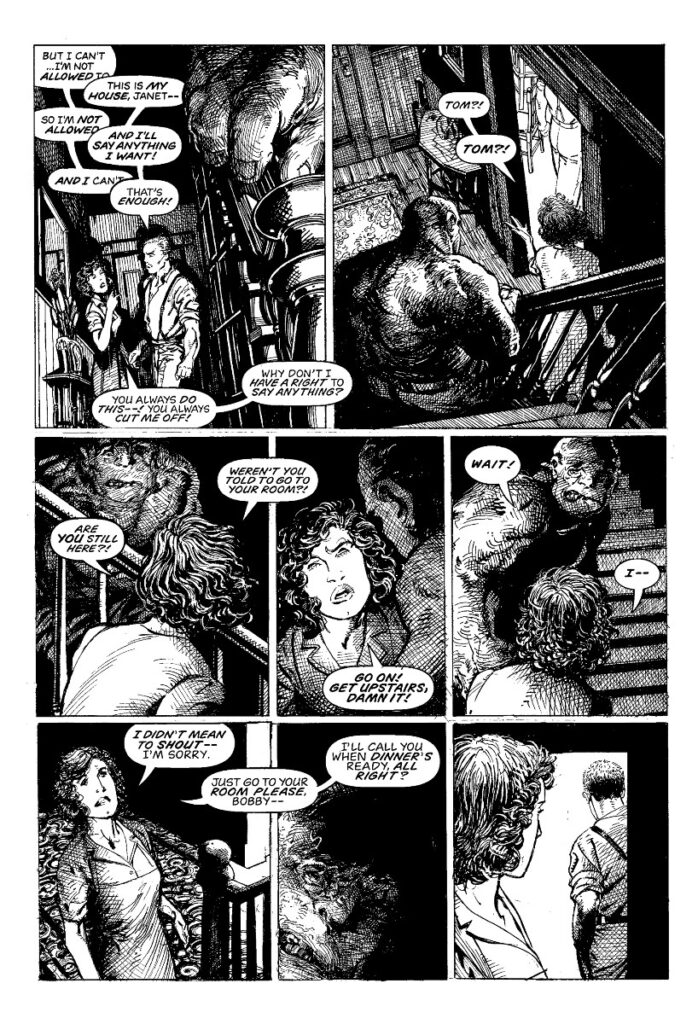
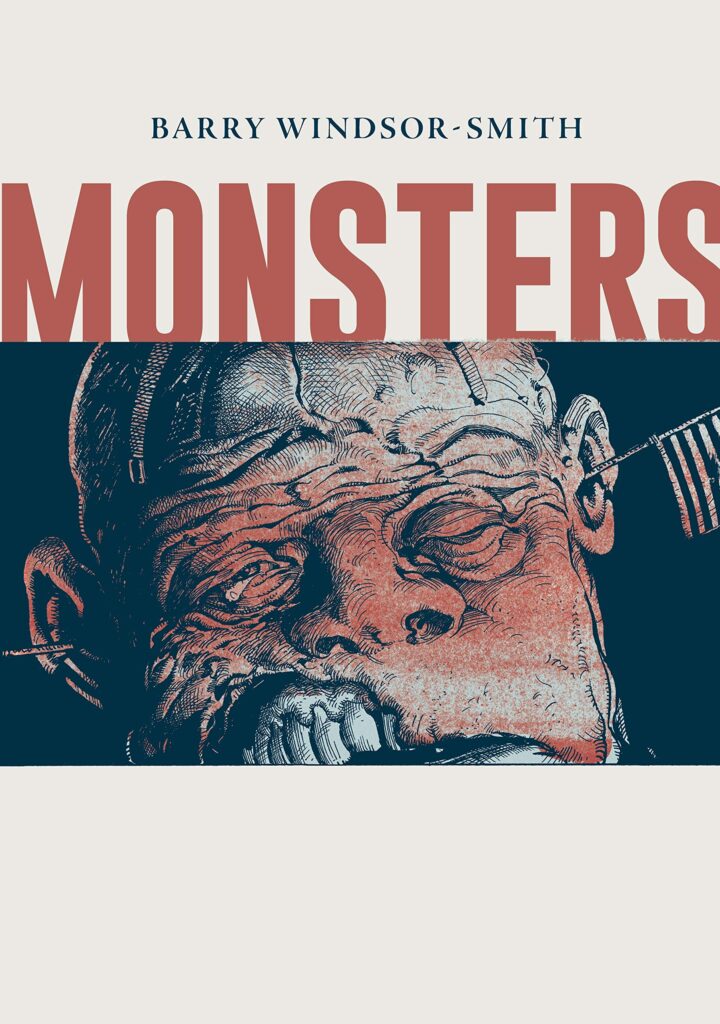
Overall, the much-awarded Barry Windsor-Smith has been one of the medium’s best fantasy artists, who brought a great deal of individualism to the table.
Here’s links through to the other entries in our 101 Greatest so far as well
Tripwire’s 101 Greatest Comic Artists Of All Time: No.24: Alex Ross
Tripwire’s 101 Greatest Comic Artists Of All Time: No.25: John Byrne
Tripwire’s 101 Greatest Comic Artists Of All Time: No.26: Mike Mignola
Tripwire’s 101 Greatest Comic Artists Of All Time: No.27: Basil Wolverton
Tripwire’s 101 Greatest Comic Artists Of All Time: No.28: Howard Chaykin
Tripwire’s 101 Greatest Comic Artists Of All Time: No.29: Moebius
Tripwire’s 101 Greatest Comic Artists Of All Time: No.30: Dave Gibbons
Tripwire’s 101 Greatest Comic Artists Of All Time: No.31: Creig Flessel
Tripwire’s 101 Greatest Comic Artists Of All Time: No.32: Milt Caniff
Tripwire’s 101 Greatest Comic Artists Of All Time: No.34: Burne Hogarth
Tripwire’s 101 Greatest Comic Artists Of All Time: No.35: LB Cole
Tripwire’s 101 Greatest Comic Artists Of All Time: No.37: Bill Everett
Tripwire’s 101 Greatest Comic Artists Of All Time: No.38: Robert Crumb
Tripwire’s 101 Greatest Comic Artists Of All Time: No.39: Mac Raboy
Tripwire’s 101 Greatest Comic Artists Of All Time: No.41: Jim Starlin
Tripwire’s 101 Greatest Comic Artists Of All Time: No.42: Mike Zeck
Tripwire’s 101 Greatest Comic Artists Of All Time: No.43: Adam Hughes
Tripwire’s 101 Greatest Comic Artists Of All Time: No.44: Daniel Clowes
Tripwire’s 101 Greatest Comic Artists Of All Time: No.45: Gene Colan
Tripwire’s 101 Greatest Comic Artists Of All Time: No.46: George Perez
Tripwire’s 101 Greatest Comic Artists Of All Time: No.47: Michael William Kaluta
Tripwire’s 101 Greatest Comic Artists Of All Time: No.48: Cary Nord
Tripwire’s 101 Greatest Comic Artists Of All Time: No.49: Frank Quitely
Tripwire’s 101 Greatest Comic Artists Of All Time: No.50: Mike Ploog
Tripwire’s 101 Greatest Comic Artists Of All Time: No.51: Johnny Craig
Tripwire’s 101 Greatest Comic Artists Of All Time: No.52: Darwyn Cooke
Tripwire’s 101 Greatest Comic Artists Of All Time: No.53: Steve Dillon
Tripwire’s 101 Greatest Comic Artists Of All Time: No.54: Gil Kane
Tripwire’s 101 Greatest Comic Artists Of All Time: No.55: Michael Zulli
Tripwire’s 101 Greatest Comic Artists Of All Time: No.56: John Romita
Tripwire’s 101 Greatest Comic Artists Of All Time: No.57: Joe Maneely
Tripwire’s 101 Greatest Comic Artists Of All Time: No.58: Marshall Rogers
Tripwire’s 101 Greatest Comic Artists Of All Time: No.59: John Severin
Tripwire’s 101 Greatest Comic Artists Of All Time: No.60: Alex Toth
Tripwire’s 101 Greatest Comic Artists Of All Time: No.61: Brian Bolland
Tripwire’s 101 Greatest Comic Artists Of All Time: No.62: David Mazzuchelli
Tripwire’s 101 Greatest Comic Artists Of All Time: No.63 Reed Crandall
Tripwire’s 101 Greatest Comic Artists Of All Time: No.64 Harry Anderson
Tripwire’s 101 Greatest Comic Artists Of All Time: No.65 Nick Cardy
Tripwire’s 101 Greatest Comic Artists Of All Time: No.66 Matt Wagner
Tripwire’s 101 Greatest Comic Artists Of All Time: No.67 Bryan Hitch
Tripwire’s 101 Greatest Comic Artists Of All Time: No.68 Shawn Martinbrough
Tripwire’s 101 Greatest Comic Artists Of All Time: No.69 Al Feldstein
Tripwire’s 101 Greatest Comic Artists Of All Time: No.70 Nestor Redondo
Tripwire’s 101 Greatest Comic Artists Of All Time: No.71 Tarpe Mills
Tripwire’s 101 Greatest Comic Artists Of All Time: No.72 Eduardo Risso
Tripwire’s 101 Greatest Comic Artists Of All Time: No.73 JH Williams III
Tripwire’s 101 Greatest Comic Artists Of All Time: No.74 Irv Novick
Tripwire’s 101 Greatest Comic Artists Of All Time: No.75 Dan Zolnerowich
Tripwire’s 101 Greatest Comic Artists Of All Time: No.76 Gilbert Shelton
Tripwire’s 101 Greatest Comic Artists Of All Time: No.77 Tommy Lee Edwards
Tripwire’s 101 Greatest Comic Artists Of All Time: No.78: Sean Phillips
Tripwire’s 101 Greatest Comic Artists Of All Time: No.79: Jose Luis Garcia-Lopez
Tripwire’s 101 Greatest Comic Artists Of All Time: No.80: Dan DeCarlo
Tripwire’s 101 Greatest Comic Artists Of All Time: No.81: Marie Severin
Tripwire’s 101 Greatest Comic Artists Of All Time: No.82: John Paul Leon
Tripwire’s 101 Greatest Comic Artists Of All Time: No.83: Jim Lee
Tripwire’s 101 Greatest Comic Artists Of All Time: No.84: Denys Cowan
Tripwire’s 101 Greatest Comic Artists Of All Time: No.85: Ross Andru
Tripwire’s 101 Greatest Comic Artists Of All Time: No.86: Paul Gustavson
Tripwire’s 101 Greatest Comic Artists Of All Time: No.87: George Evans
Tripwire’s 101 Greatest Comic Artists Of All Time: No.88: Michael Golden
Tripwire’s 101 Greatest Comic Artists Of All Time: No.89: Matt Baker
Tripwire’s 101 Greatest Comic Artists Of All Time: No.90: Todd McFarlane
Tripwire’s 101 Greatest Comic Artists Of All Time: No.91: Fiona Staples
Tripwire’s 101 Greatest Comic Artists Of All Time: No.92: Carl Barks
Tripwire’s 101 Greatest Comic Artists Of All Time: No.93: Carmine Infantino
Tripwire’s 101 Greatest Comic Artists Of All Time: No.94: Alan Davis
Tripwire’s 101 Greatest Comic Artists Of All Time: No.95: CC Beck
Tripwire’s 101 Greatest Comic Artists Of All Time: No.96: Syd Shores
Tripwire’s 101 Greatest Comic Artists Of All Time: No.97: Bob Fujitani
Tripwire’s 101 Greatest Comic Artists Of All Time: No.98: Tim Sale
Tripwire’s 101 Greatest Comic Artists Of All Time: No.99: Jim Aparo
https://tripwiremagazine.co.uk/headlines/tripwires-101-greatest-comic-artists-of-all-time-no-100/
https://tripwiremagazine.co.uk/headlines/tripwires-101-greatest-comic-artists-of-all-time-no-101/









You must be logged in to post a comment Login