

Comics News
Tripwire’s 101 Greatest Comic Artists Of All Time: No.25: John Byrne


No.25: John Byrne
The first half of the 1970s were a hothouse period for Marvel, with the company moving away from the less ironic, more inflexible boundaries of the 60s. During this period many new series in different genres appeared, while many superhero titles matured with weightier themes or subtexts. However, the property that became the hallmark of the era, The Uncanny X-Men, relied on classic and more mainstream tropes, its artist and co-plotter, John Byrne, the lynchpin of what developed into one of Marvel’s biggest franchises. Byrne and writer Chris Claremont’s work on the book garnered many awards across the board throughout their tenure. Words: Andrew Colman…

© Luigi Novi.
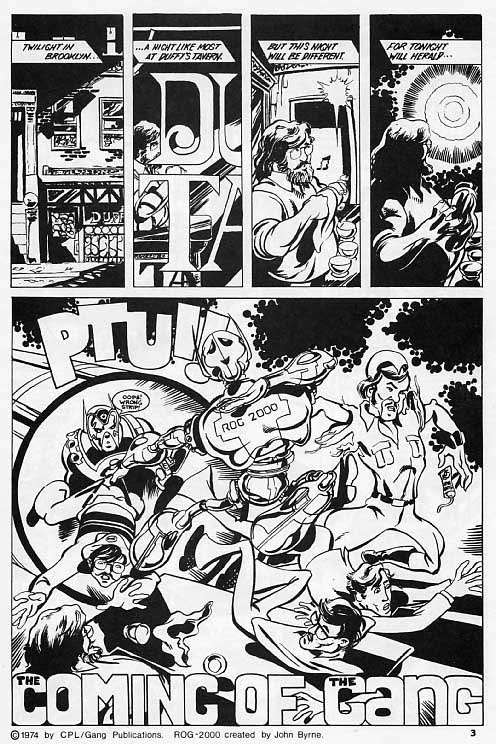
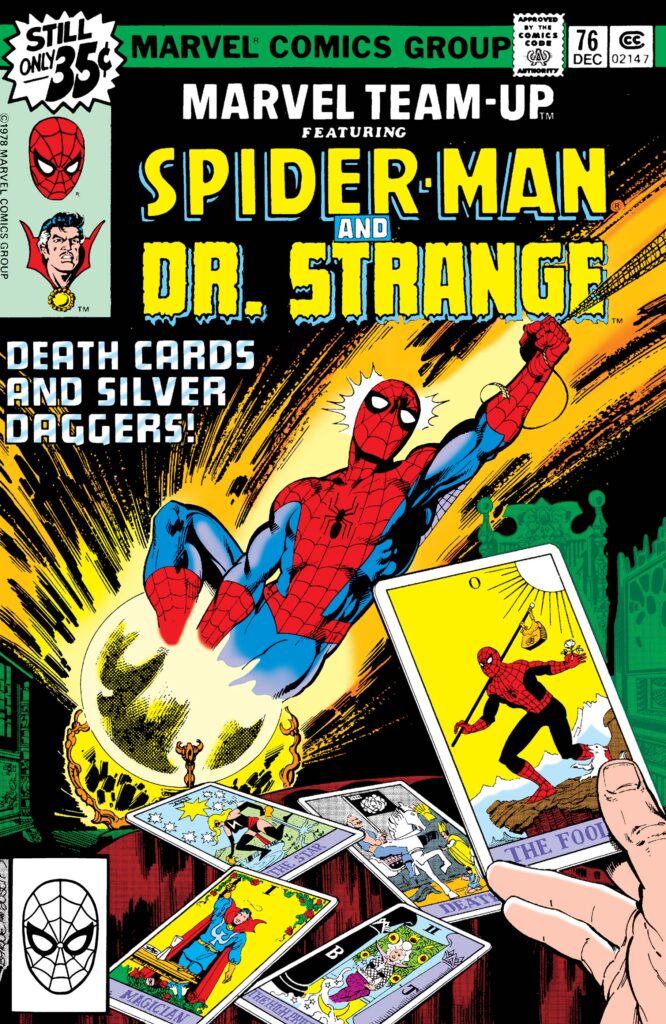
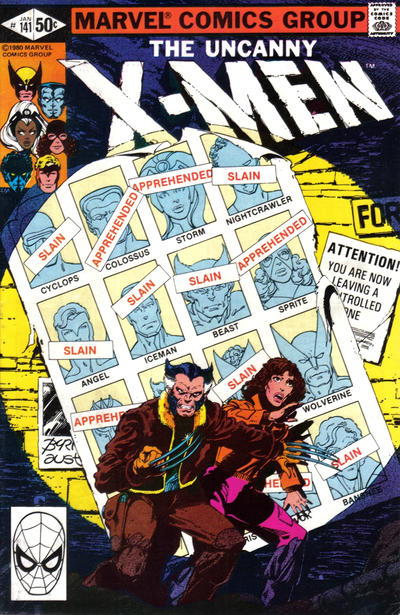
After leaving college in the early 70s, Byrne began to find work at minor publishers such as Charlton and Skywald. It was future collaborator Chris Claremont who really kick-started his career by recommending him to Marvel, as he was keen to work with him. After cutting his teeth on the publisher’s secondary titles such as The Champions and Marvel Team-Up, mostly in tandem with Claremont, it was manifestly clear that Byrne, only in his mid-20s at this point, had become fully formed as an artist – his style merging the dynamism of Jack Kirby and realism of Neal Adams. In 1977 they were commissioned to take over the X-Men along with Terry Austin, one of the best inkers of the era. The X-Men had had a chequered history at Marvel, starting strongly in the early 60s before losing readers, with the arrival of Neal Adams later in the decade failing to prevent the title’s termination. Nevertheless, the book continued as a reprint, with the original team appearing as guests or cameos in other titles before it was finally revived with a new group of mutants in Giant-Size X-Men 1 and X-Men 94 in 1975.

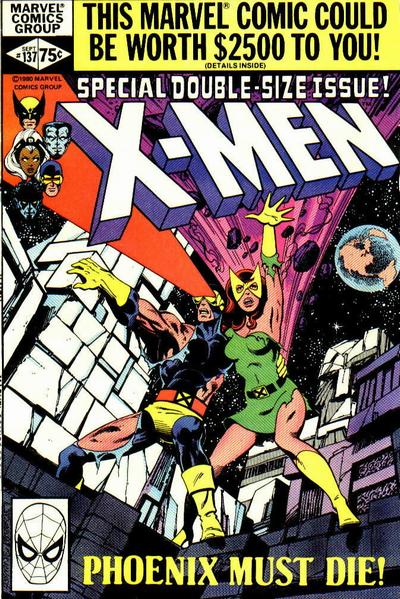
Byrne and Claremont turned the strip into an event series, with Byrne’s emotive and cinematic pencils and Claremont’s attention to characterization and themes of alienation, isolation and outsiderdom proving to be a huge hit with fans and critics. Thanks to Byrne the five-foot feral comic relief with retractable claws that was Wolverine became humanized and rapidly the star of the show. Not to mention that many celebrated story arcs (Dark Phoenix, Days of Future Past, The Hellfire Club, Proteus) and new characters and groups (such as Alpha Flight and the new Brotherhood of Evil Mutants) were brought to the canon.

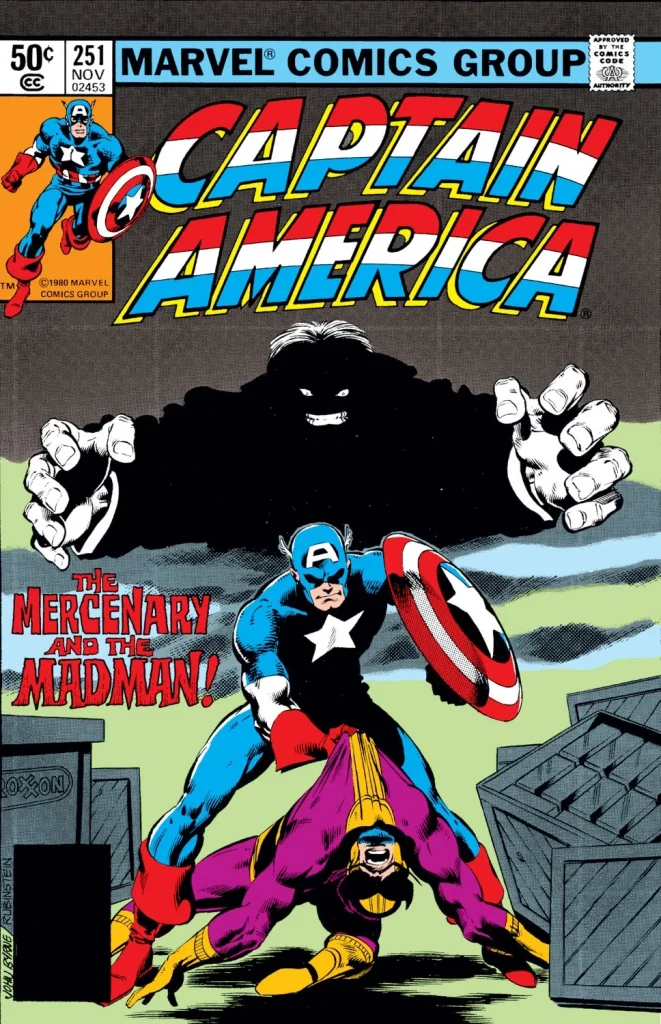
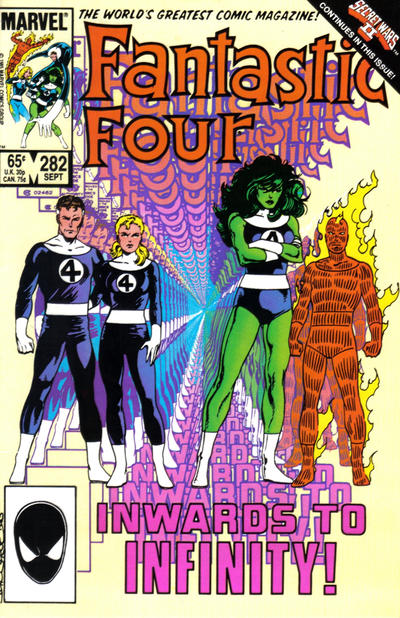
Byrne also had a couple of brief yet excellent runs on The Avengers and Captain America before turning his hand to the Fantastic Four in 1981. Basically taking over the helm of the book for over five years, Byrne assumed writing duties along with his pencilling. His time on the book, which recalled the more classic, simpler era of the title, saw him make changes to the characters and their relationships, while his artwork featured a slightly retro look. Considered by fandom to be one of the high points in the F.F.s lengthy run, it proved to Byrne that he could run the show on his own.


Towards the end of his time on the Fantastic Four Byrne was hired by DC to work on flagship character Superman, in several series. His take on Superman was seismic, with the writer / artist altering the Man of Steel’s backstory, character, and universe. Once again Byrne was at the height of his powers with his work at DC, and it was his version of Superman that was adapted later for television shows such as Lois and Clark and Smallville.


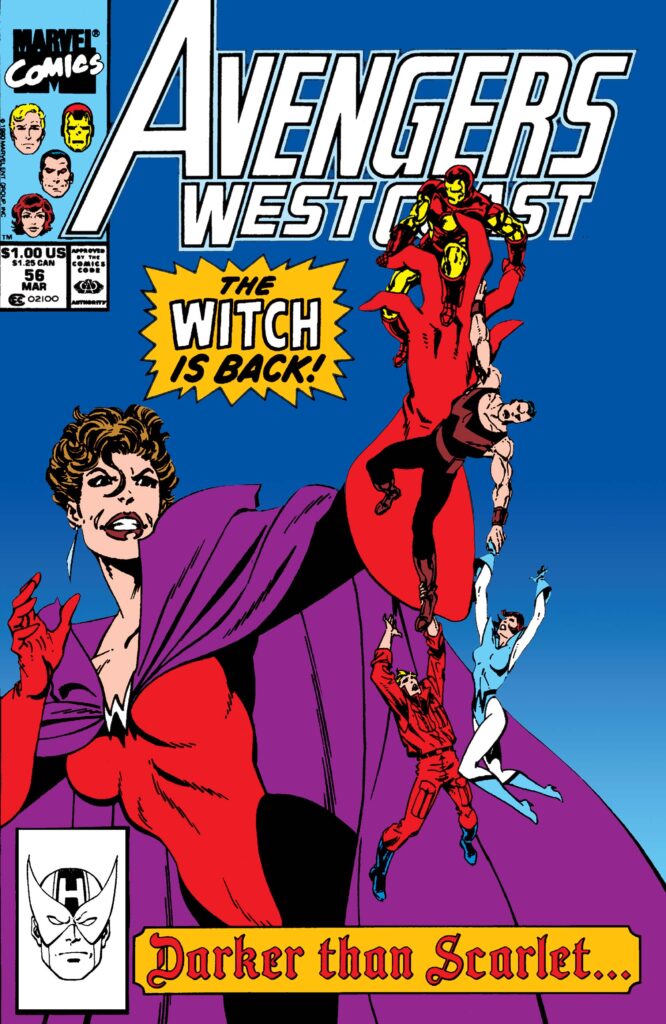
The prolific Byrne went back to Marvel to continue on various series such as Avengers West Coast and his humorous, knowing, post-modern revamp of the She-Hulk. In the 1990s, Byrne moved to Dark Horse comics to produce creator owned books such as the noirish Next Men and Danger Unlimited. After his time there Byrne returned to work at both Marvel and DC on myriad ongoing titles and miniseries, notably Wonder Woman and Spider-Man, along with a return to the X-Men. Although he was not the force he was in his later years, the opinionated and single-minded Byrne retained his profile in the industry by his constant work and his controversial outpourings, either at conventions or on his blog. A man who exudes the medium, its politics and its need for progression, John Byrne has been one of the industry’s firebrands and prime movers, his key works all outstanding examples of how great comics and comic art can be.



Here’s links through to the other entries in our 101 Greatest so far as well
Tripwire’s 101 Greatest Comic Artists Of All Time: No.26: Mike Mignola
Tripwire’s 101 Greatest Comic Artists Of All Time: No.27: Basil Wolverton
Tripwire’s 101 Greatest Comic Artists Of All Time: No.28: Howard Chaykin
Tripwire’s 101 Greatest Comic Artists Of All Time: No.29: Moebius
Tripwire’s 101 Greatest Comic Artists Of All Time: No.30: Dave Gibbons
Tripwire’s 101 Greatest Comic Artists Of All Time: No.31: Creig Flessel
Tripwire’s 101 Greatest Comic Artists Of All Time: No.32: Milt Caniff
Tripwire’s 101 Greatest Comic Artists Of All Time: No.34: Burne Hogarth
Tripwire’s 101 Greatest Comic Artists Of All Time: No.35: LB Cole
Tripwire’s 101 Greatest Comic Artists Of All Time: No.37: Bill Everett
Tripwire’s 101 Greatest Comic Artists Of All Time: No.38: Robert Crumb
Tripwire’s 101 Greatest Comic Artists Of All Time: No.39: Mac Raboy
Tripwire’s 101 Greatest Comic Artists Of All Time: No.41: Jim Starlin
Tripwire’s 101 Greatest Comic Artists Of All Time: No.42: Mike Zeck
Tripwire’s 101 Greatest Comic Artists Of All Time: No.43: Adam Hughes
Tripwire’s 101 Greatest Comic Artists Of All Time: No.44: Daniel Clowes
Tripwire’s 101 Greatest Comic Artists Of All Time: No.45: Gene Colan
Tripwire’s 101 Greatest Comic Artists Of All Time: No.46: George Perez
Tripwire’s 101 Greatest Comic Artists Of All Time: No.47: Michael William Kaluta
Tripwire’s 101 Greatest Comic Artists Of All Time: No.48: Cary Nord
Tripwire’s 101 Greatest Comic Artists Of All Time: No.49: Frank Quitely
Tripwire’s 101 Greatest Comic Artists Of All Time: No.50: Mike Ploog
Tripwire’s 101 Greatest Comic Artists Of All Time: No.51: Johnny Craig
Tripwire’s 101 Greatest Comic Artists Of All Time: No.52: Darwyn Cooke
Tripwire’s 101 Greatest Comic Artists Of All Time: No.53: Steve Dillon
Tripwire’s 101 Greatest Comic Artists Of All Time: No.54: Gil Kane
Tripwire’s 101 Greatest Comic Artists Of All Time: No.55: Michael Zulli
Tripwire’s 101 Greatest Comic Artists Of All Time: No.56: John Romita
Tripwire’s 101 Greatest Comic Artists Of All Time: No.57: Joe Maneely
Tripwire’s 101 Greatest Comic Artists Of All Time: No.58: Marshall Rogers
Tripwire’s 101 Greatest Comic Artists Of All Time: No.59: John Severin
Tripwire’s 101 Greatest Comic Artists Of All Time: No.60: Alex Toth
Tripwire’s 101 Greatest Comic Artists Of All Time: No.61: Brian Bolland
Tripwire’s 101 Greatest Comic Artists Of All Time: No.62: David Mazzuchelli
Tripwire’s 101 Greatest Comic Artists Of All Time: No.63 Reed Crandall
Tripwire’s 101 Greatest Comic Artists Of All Time: No.64 Harry Anderson
Tripwire’s 101 Greatest Comic Artists Of All Time: No.65 Nick Cardy
Tripwire’s 101 Greatest Comic Artists Of All Time: No.66 Matt Wagner
Tripwire’s 101 Greatest Comic Artists Of All Time: No.67 Bryan Hitch
Tripwire’s 101 Greatest Comic Artists Of All Time: No.68 Shawn Martinbrough
Tripwire’s 101 Greatest Comic Artists Of All Time: No.69 Al Feldstein
Tripwire’s 101 Greatest Comic Artists Of All Time: No.70 Nestor Redondo
Tripwire’s 101 Greatest Comic Artists Of All Time: No.71 Tarpe Mills
Tripwire’s 101 Greatest Comic Artists Of All Time: No.72 Eduardo Risso
Tripwire’s 101 Greatest Comic Artists Of All Time: No.73 JH Williams III
Tripwire’s 101 Greatest Comic Artists Of All Time: No.74 Irv Novick
Tripwire’s 101 Greatest Comic Artists Of All Time: No.75 Dan Zolnerowich
Tripwire’s 101 Greatest Comic Artists Of All Time: No.76 Gilbert Shelton
Tripwire’s 101 Greatest Comic Artists Of All Time: No.77 Tommy Lee Edwards
Tripwire’s 101 Greatest Comic Artists Of All Time: No.78: Sean Phillips
Tripwire’s 101 Greatest Comic Artists Of All Time: No.79: Jose Luis Garcia-Lopez
Tripwire’s 101 Greatest Comic Artists Of All Time: No.80: Dan DeCarlo
Tripwire’s 101 Greatest Comic Artists Of All Time: No.81: Marie Severin
Tripwire’s 101 Greatest Comic Artists Of All Time: No.82: John Paul Leon
Tripwire’s 101 Greatest Comic Artists Of All Time: No.83: Jim Lee
Tripwire’s 101 Greatest Comic Artists Of All Time: No.84: Denys Cowan
Tripwire’s 101 Greatest Comic Artists Of All Time: No.85: Ross Andru
Tripwire’s 101 Greatest Comic Artists Of All Time: No.86: Paul Gustavson
Tripwire’s 101 Greatest Comic Artists Of All Time: No.87: George Evans
Tripwire’s 101 Greatest Comic Artists Of All Time: No.88: Michael Golden
Tripwire’s 101 Greatest Comic Artists Of All Time: No.89: Matt Baker
Tripwire’s 101 Greatest Comic Artists Of All Time: No.90: Todd McFarlane
Tripwire’s 101 Greatest Comic Artists Of All Time: No.91: Fiona Staples
Tripwire’s 101 Greatest Comic Artists Of All Time: No.92: Carl Barks
Tripwire’s 101 Greatest Comic Artists Of All Time: No.93: Carmine Infantino
Tripwire’s 101 Greatest Comic Artists Of All Time: No.94: Alan Davis
Tripwire’s 101 Greatest Comic Artists Of All Time: No.95: CC Beck
Tripwire’s 101 Greatest Comic Artists Of All Time: No.96: Syd Shores
Tripwire’s 101 Greatest Comic Artists Of All Time: No.97: Bob Fujitani
Tripwire’s 101 Greatest Comic Artists Of All Time: No.98: Tim Sale
Tripwire’s 101 Greatest Comic Artists Of All Time: No.99: Jim Aparo
https://tripwiremagazine.co.uk/headlines/tripwires-101-greatest-comic-artists-of-all-time-no-100/
https://tripwiremagazine.co.uk/headlines/tripwires-101-greatest-comic-artists-of-all-time-no-101/








You must be logged in to post a comment Login