


gambling
What Do Cultural Symbols In Asian Slot Games Mean?


Reflecting Culture
Asian slot games are renowned for their rich tapestry of cultural symbols, each laden with historical significance and meaning. These symbols do more than just add aesthetic value; they tell stories and convey traditions that enhance the gaming experience. Understanding these symbols can provide deeper insights into the cultural narratives they represent, making gameplay not only entertaining but also educational.
In this article, we will explore the meaning behind some of the most common cultural symbols found in Asian slot games…
Dragons
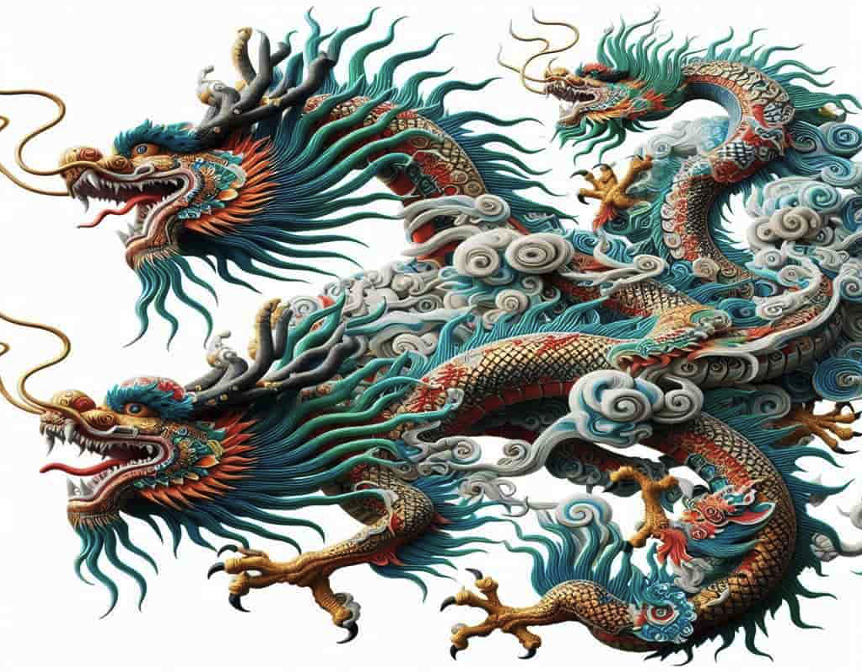
Dragons are a prominent feature in many Asian cultures and are known to symbolize power, strength, and good fortune. In Chinese mythology, dragons were revered as divine creatures that controlled the elements and brought prosperity and blessings. This belief is reflected in slot games where dragons often appear as wilds or high-paying symbols, bringing luck and big wins to players.
Koi Fish
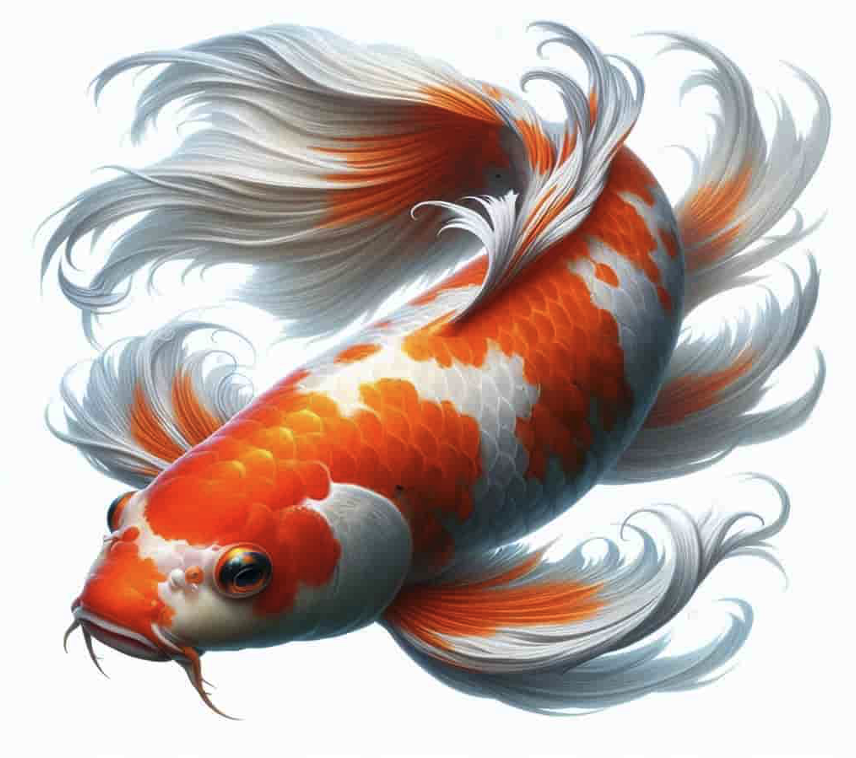
Koi fish are another powerful symbol frequently seen in Asian slot games. These vibrant fish are often associated with perseverance, courage, and success, rooted in the legend of the koi swimming upstream to become a dragon.
In the 5 Treasures slot game, koi fish often appear as significant symbols that can lead to rewarding bonus features or multipliers. Their inclusion in slot games is not just for their visual appeal but also for their deeper significance, representing the potential for great rewards and personal achievements for the player.
Lotus Flower
The lotus flower is a common sight in many Asian cultures and holds great spiritual and cultural significance. Its delicate petals and striking beauty make it a symbol revered in various traditions. In Buddhism, the lotus represents purity, enlightenment, and rebirth. It is said to emerge untainted from the muddy waters, symbolizing the journey of the soul through the murky challenges of life toward spiritual awakening.
In slot games, the lotus often appears as a scatter symbol that can trigger free spins or bonus rounds. This not only adds to the game’s visual appeal but also serves to remind players of the potential for transformation and renewal in their own lives. The presence of the lotus in these games is a subtle nod to its powerful symbolism, encouraging players to embrace change and growth, much like the flower itself.
Fu Dogs
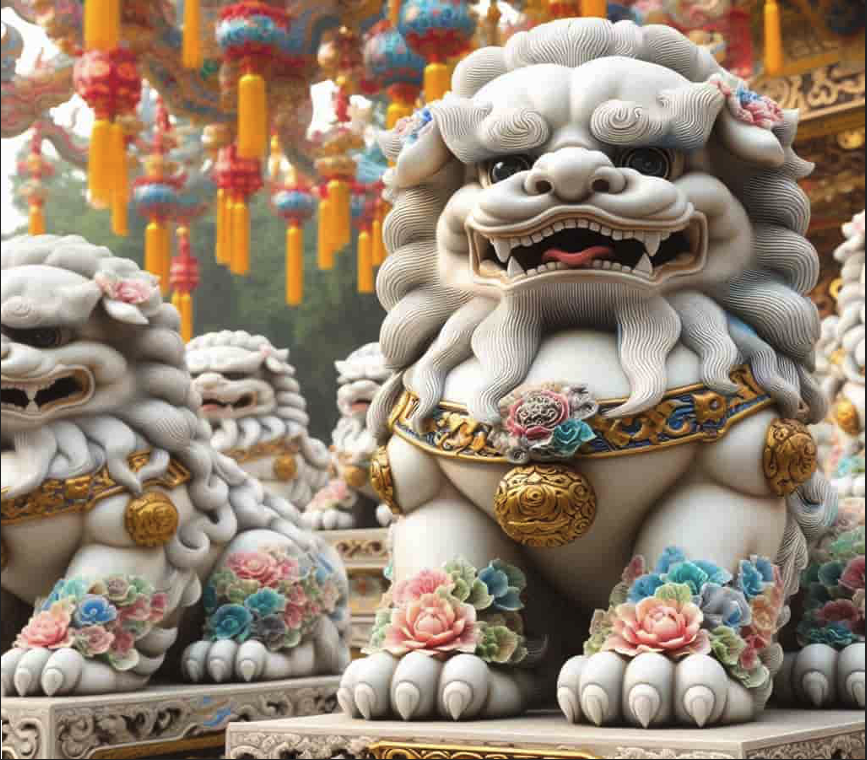
Fu dogs are a popular symbol in Chinese culture and are believed to bring protection, good luck, and prosperity wherever they appear. These mythical creatures resemble lions and are often seen guarding temples, palaces, and other important structures.
In slot games, fu dogs may appear as a high-paying symbol or as a wild that can substitute for other symbols to create winning combinations. Their inclusion in slot games adds an element of guardianship and good fortune, providing players with a sense of protection and auspiciousness while playing.
Wealth and Prosperity
Many slot games incorporate symbols of wealth and prosperity, such as gold coins, jewels, and treasure chests. These symbols not only add to the game’s theme but also represent the potential for financial success and abundance.
In Asian cultures, these symbols hold great significance as they are often associated with good fortune and prosperity. By including them in slot games, players are reminded of the potential for wealth and success while playing, adding an extra layer of excitement to their gaming experience.
Yin and Yang

The yin and yang symbol is a fundamental concept in Chinese philosophy, representing the balance between opposing forces. In slot games, this symbol may appear as a high-value symbol or as a scatter that can trigger bonus features.
Beyond its visual appeal, the yin and yang symbol adds depth to the game by embodying the idea of balance and harmony. This serves as a reminder for players to find balance in their own lives and approach gambling with moderation.
Lucky Numbers
In Chinese culture, certain numbers are considered lucky and are believed to bring good fortune. For example, the number 8 is associated with prosperity and success, while the number 9 represents longevity and completeness.
In slot games, these lucky numbers may appear as winning combinations or play a significant role in bonus features. The inclusion of lucky numbers adds an element of excitement and cultural significance to the game, making it more appealing to players who believe in their luck.
Festive Celebrations
Festivals and celebrations hold great importance in Asian cultures, often symbolizing new beginnings, family gatherings, and gratitude. Slot games may incorporate elements of these celebrations, such as dragon and lion dance animations, red lanterns, or firecrackers. These festive symbols not only add to the visual appeal of the game but also represent joy and good luck. They serve as a reminder to players that gambling can be a fun activity, rather than an obsessive pursuit for wealth.
Final Thoughts
From its use as a philosophical concept to incorporating elements of luck and festivities, the yin and yang symbol holds great significance in Chinese culture. Its inclusion in slot games adds depth and cultural relevance, making them more appealing to players from Asian backgrounds or those interested in Eastern philosophies.
However, it also serves as a reminder for all players to approach gambling with balance and moderation, keeping the true essence of the yin and yang symbol alive. So next time you see this iconic symbol in a slot game, take a moment to appreciate its meaning beyond just being another high-paying symbol on the reels.



You must be logged in to post a comment.