

Feature
Tripwire’s 101 Greatest Comic Artists Of All Time: No.97: Bob Fujitani


No.97: Bob Fujitani
Bob Fujitani is a classic example of the overlooked and underrated artist, a prolific and multifaceted illustrator who worked across several comic eras and media and was known primarily by Golden Age buffs and fans of classic strips from the 60s and 70s. Words: Andrew Colman…
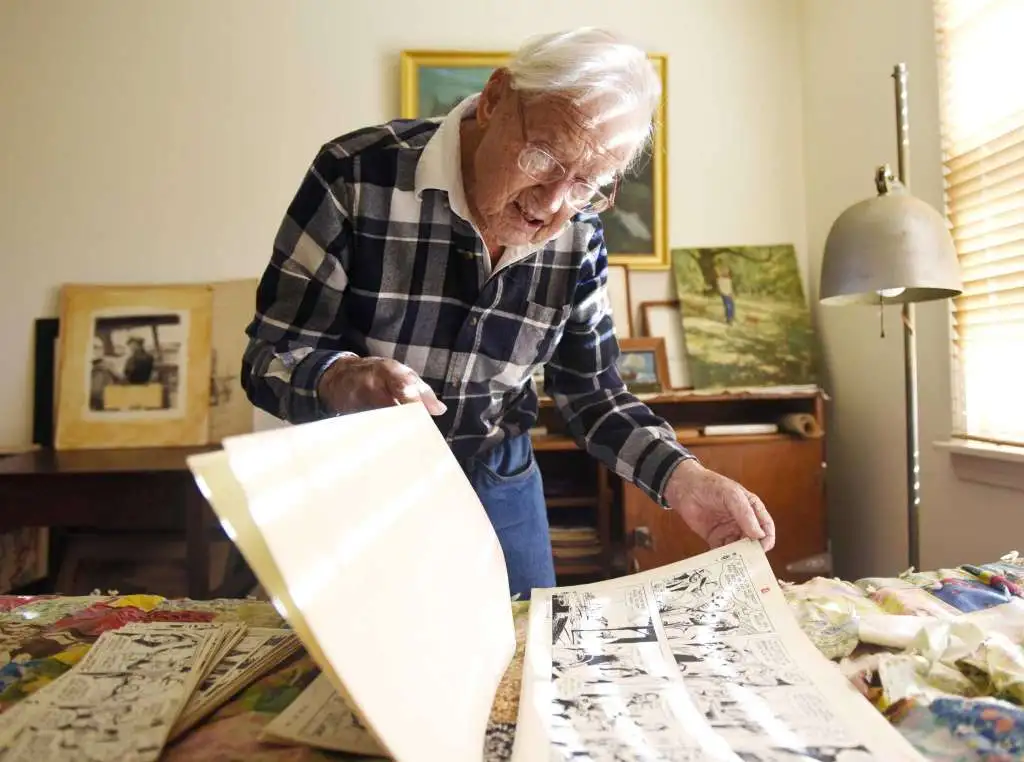
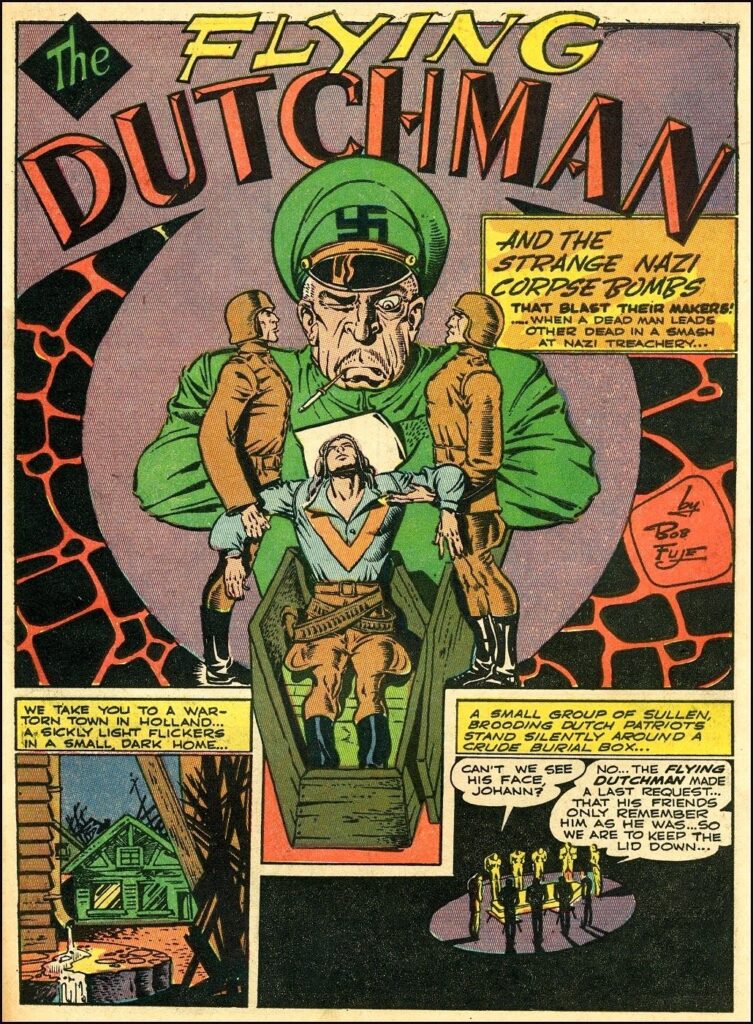
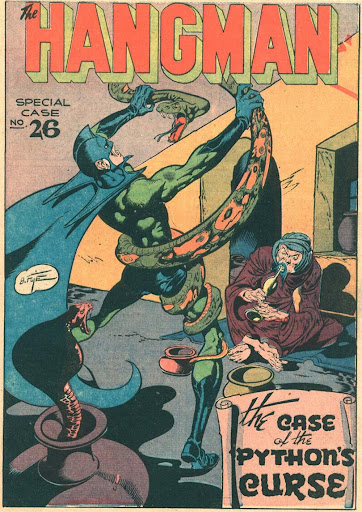
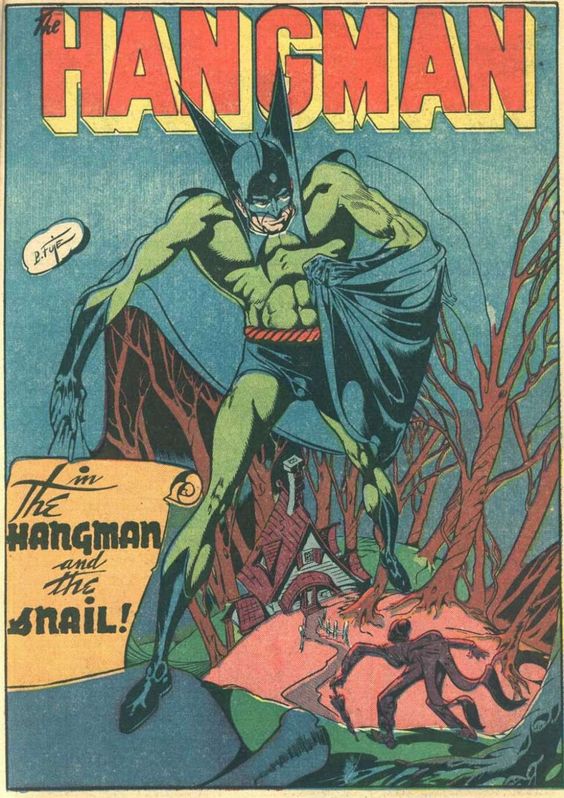
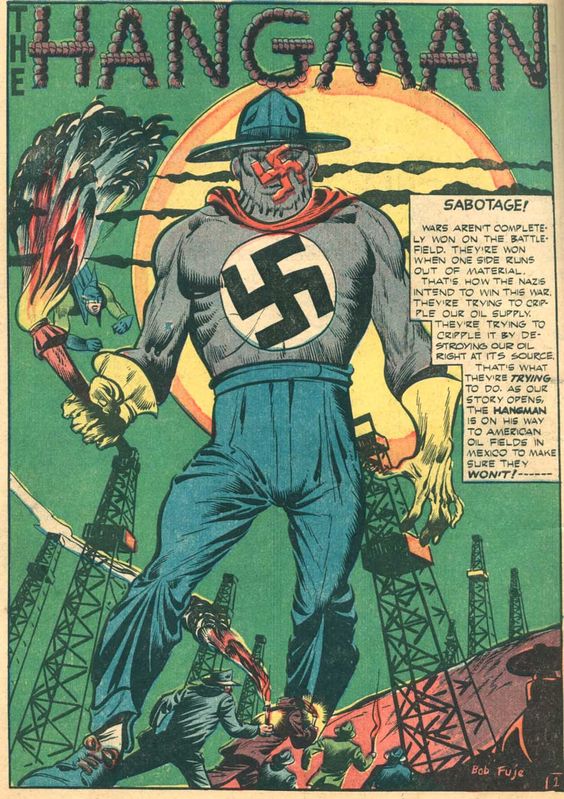
Fujitani, who worked for many Golden Age publishers, got his start, like many artists, at the Eisner / Iger workshop, pencilling short stories before becoming inker for leading illustrator Lou Fine at Quality Comics on such titles as Dollman and Uncle Sam. After Fine left, Fujitani began developing his drawing style, taking his cues from his former colleague while working for other publishers, notably MLJ. Here his work, specifically on The Hangman title, has been recognised by fans as quintessential Golden Age art – dynamic, gothic, lurid and innovative, and almost a stylistic precursor to the pre-code books of the 1950s. His covers in particular were reminiscent of Bernard Baily, if not more surreal.
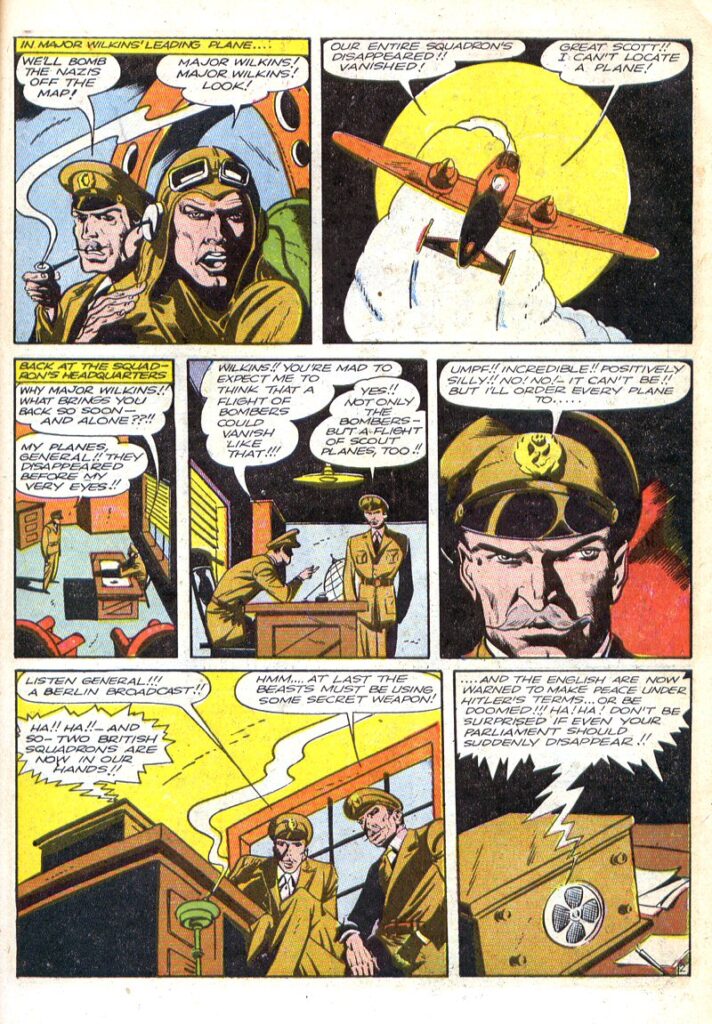
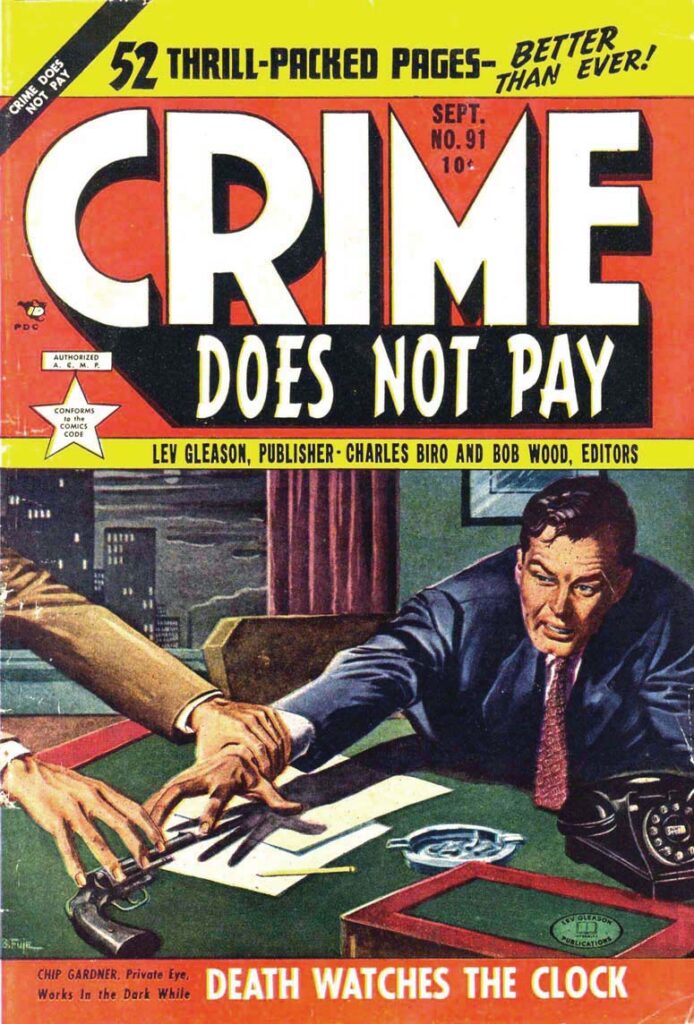
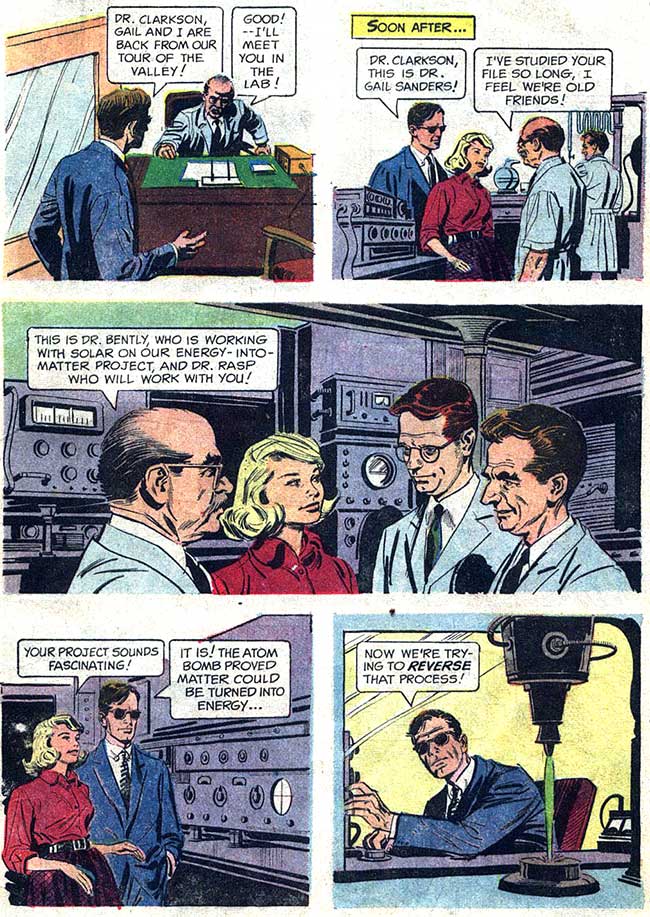
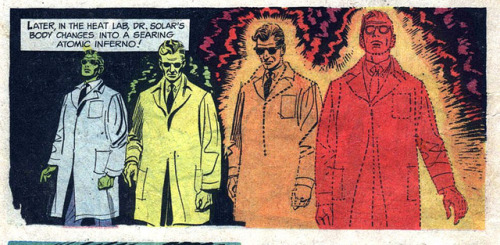
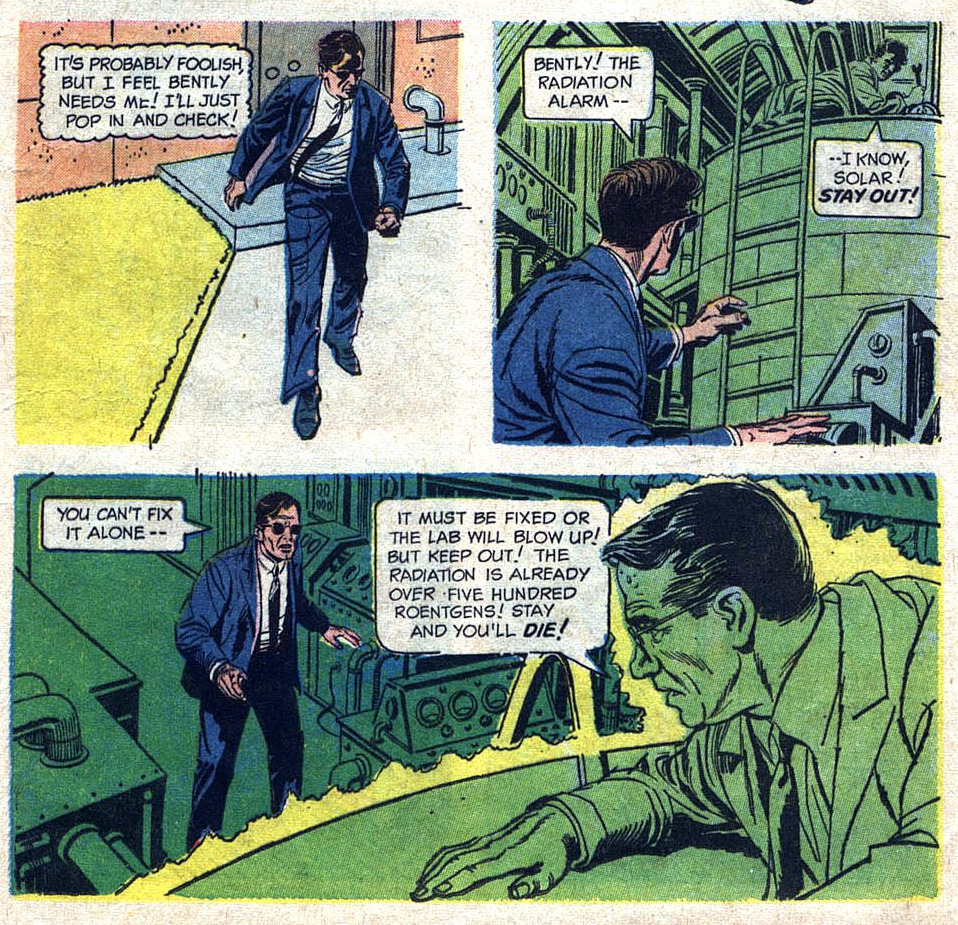
After MLJ there were stints at Harvey, where amongst others he drew the Green Hornet, and Holyoke, where he worked on collector favourite Catman. After a brief spell on newspaper strips the highly adaptable Fujitani continued to work for many other publishers, including Gleason, Atlas, and Dell, where he worked on Prince Valiant, continuing the epic, clean line art style of series originator Hal Foster. After this he worked on several other series, including Turok, before co-creating the innovative and somewhat psychedelic Doctor Solar at Gold Key.
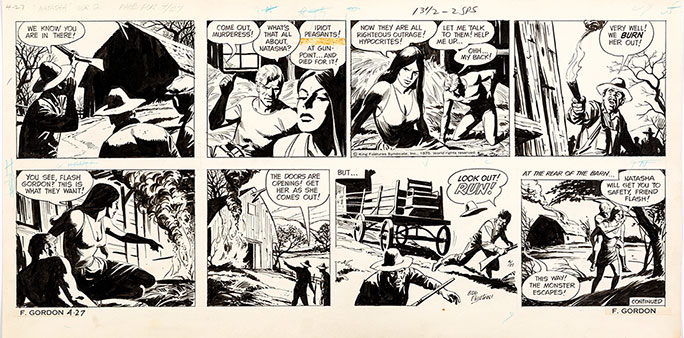
For the rest of his career, he mostly worked on celebrated newspaper strips such as Rip Kirby, Mandrake the Magician and most importantly Flash Gordon. If anything, Fujitani was an overachiever in his field and the professional’s professional, who remained off the radar partly due to being a second fiddle to other artists, anti-Japanese sentiment during and after the war (he was half Japanese), his longevity and mercurial work rate, which meant he never became identified with one particular era, title or character. Nevertheless, his work, especially in the Golden Age, has often been scintillating and much admired by fans who are still discovering his excellent canon.
AC
Read the first four entries so far here too
Tripwire’s 101 Greatest Comic Artists Of All Time: No.98: Tim Sale
Tripwire’s 101 Greatest Comic Artists Of All Time: No.99: Jim Aparo













You must be logged in to post a comment Login