

Comics News
Tripwire’s 101 Greatest Comic Artists Of All Time: No.5: John Buscema


No.5: John Buscema
In no uncertain terms, Marvel were fortunate that they were able to coax John Buscema back into the fold after an eight-year absence. An artist who didn’t so much define the Marvel House Style as exemplify or even transcend it, Buscema’s return to the Bullpen in the late 60s and rapid rise to excellence in such a short time proved to be one of the high points of the Silver Age, with his work on The Avengers and especially The Silver Surfer the nonpareil. A highly productive artist who worked almost exclusively for The House of Ideas, his quality output graced comics for over three decades..… Words: Andrew Colman

Buscema followed a similar path to most of his contemporaries – growing up on the strips of Caniff, Hogarth, Raymond and Foster, along with the heavyweight illustrators of the 30s and 40s such as Wyeth, Rockwell and Dorne, he attended a music and art school before studying at the Pratt Institute. Originally Buscema had planned to work in commercial art, but as luck would have it he found a place in the Timely bullpen in the late 1940s, taking assignments from editor in chief Stan Lee. He would spend most of his early career at Timely / Atlas, pencilling crime, horror, romance and western books to order. He also moonlighted at other publishers such as St. John, Quality, Hillman and Dell, where he worked on Four Color’s series of movie tie-ins. By the late 1950s, he focused on science fiction / fantasy titles such as Strange Worlds, Tales of Suspense and Tales to Astonish for Atlas. His work throughout was of a high standard but remained generic, while his interest in remaining in comics waned, and in 1958 he left the industry to work in commercial illustration.
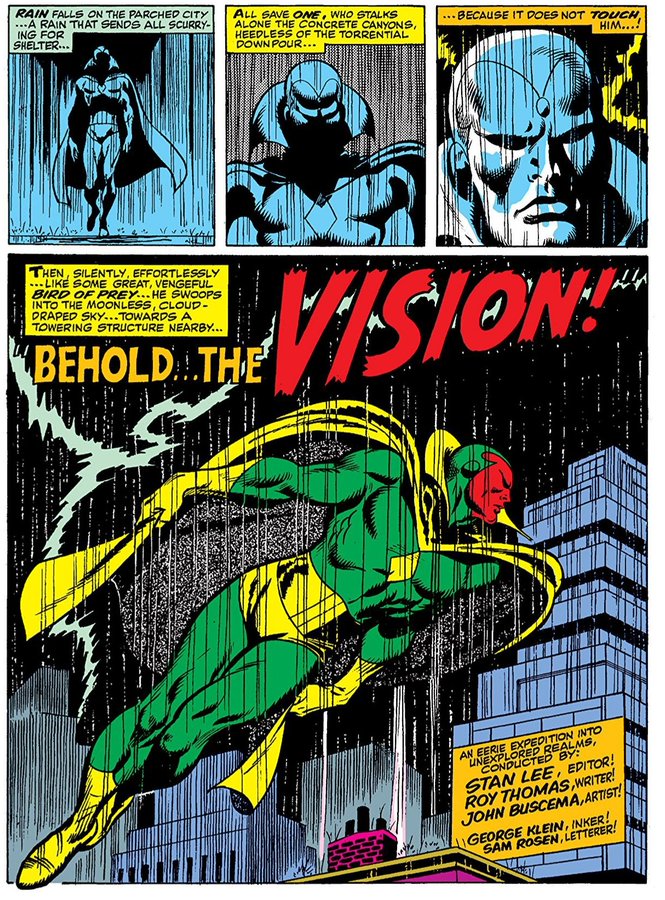
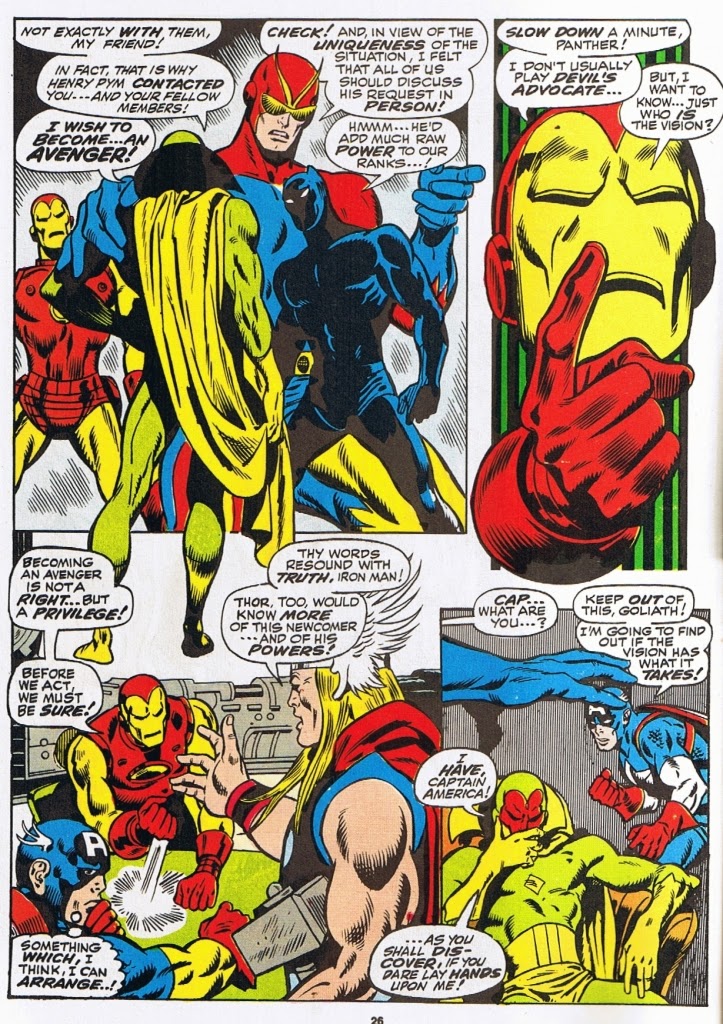
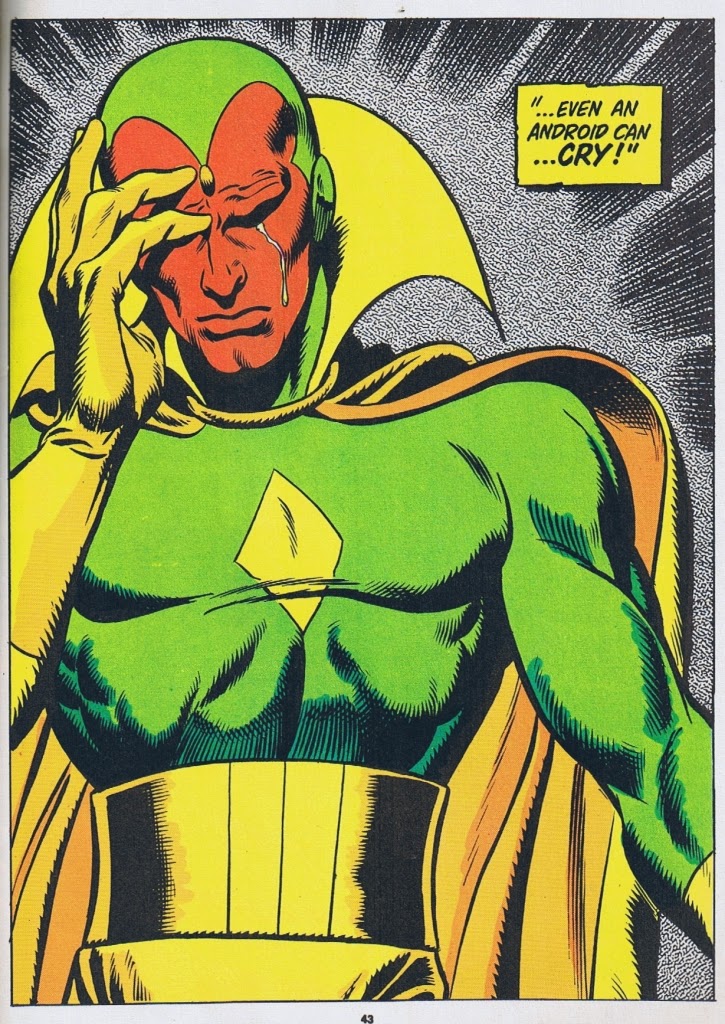
His eight years away from comics were well spent however, with his time as a freelancer at various companies leading him to hone his skills and understanding of structure and layouts in storyboards and art. When Buscema returned to what was by then Marvel in 1966 the publisher was far removed from the one he had left in 1958, with the company’s focus and direction radically different, its fanbase growing exponentially. Initially a freelancer, his first Marvel work was pencilling over Jack Kirby’s layouts on the Nick Fury series in Strange Tales and The Hulk in Tales to Astonish. But it was his artwork on The Avengers, starting in 1967, where Buscema’s style rapidly began to evolve, his pencilling combining Kirby’s epic bombast and cosmic tropes with a more melodramatic, subtle, if not realistic tone. Although it would be Neal Adams who brought photorealism to the medium not long afterwards, Buscema’s art at this time often merged realism with the fantastic, his work adding a fresh dimension to Marvel that would be the missing cornerstone of the publisher’s ascent to market leadership. His key moment in his twenty issue tenure on The Avengers was his co-creation of The Vision in issue 57 and 58.


For the most part however his best work in comics was on The Silver Surfer, which debuted in August 1968. Stan Lee cherished the character and saw the proposed title as a chance to elevate the super-hero genre, using more serious themes that would appeal to an older demographic. Essentially The Silver Surfer series, which lasted for 18 issues (Buscema drew all but the last instalment) was one of the high points in pop culture in this era. Created by Lee and Kirby two years earlier in Fantastic Four 48 – 50, the Silver Surfer had been the herald of planet-consuming god Galactus, who ended up betraying his mentor to save earth, which consequently led him to being trapped on this benighted, deeply flawed world. His angst-ridden, idealistic, indefatigably noble character (not to mention his surfboard!) was certainly popular with the college crowd. And as luck would have it, Buscema had been champing at the bit to take on such a project, in order to try something less typical of Marvel. His art throughout the series was perfect for the otherworldly spacescapes and widescreen battles with belligerent aliens, demonic malefactors and in the first issue, Galactus, his efforts producing peerless storytelling featuring many classic and iconic images. The first four issues, showcasing his origin, the merciless Brotherhood of the Badoon, Mephisto and his battle with Thor are the best of the run, which very much betray the uncertainty, fear and hope of what was a turbulent year in America. In tandem with Lee’s scripts, Buscema’s pencils to a certain extent evoked the anxiety of the time while delineating ever more ambitious and psychedelic art pages. His take on the Silver Surfer remains the definitive version.
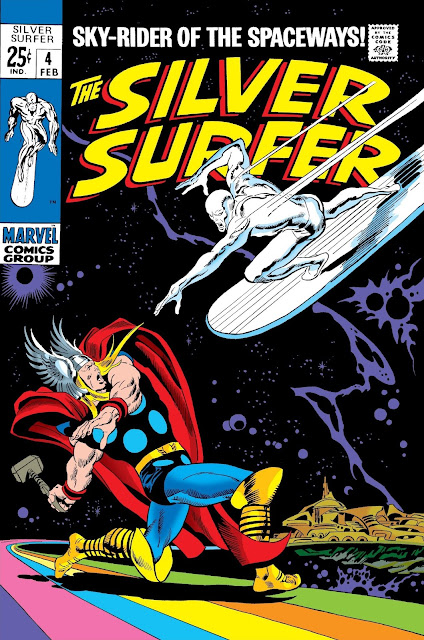


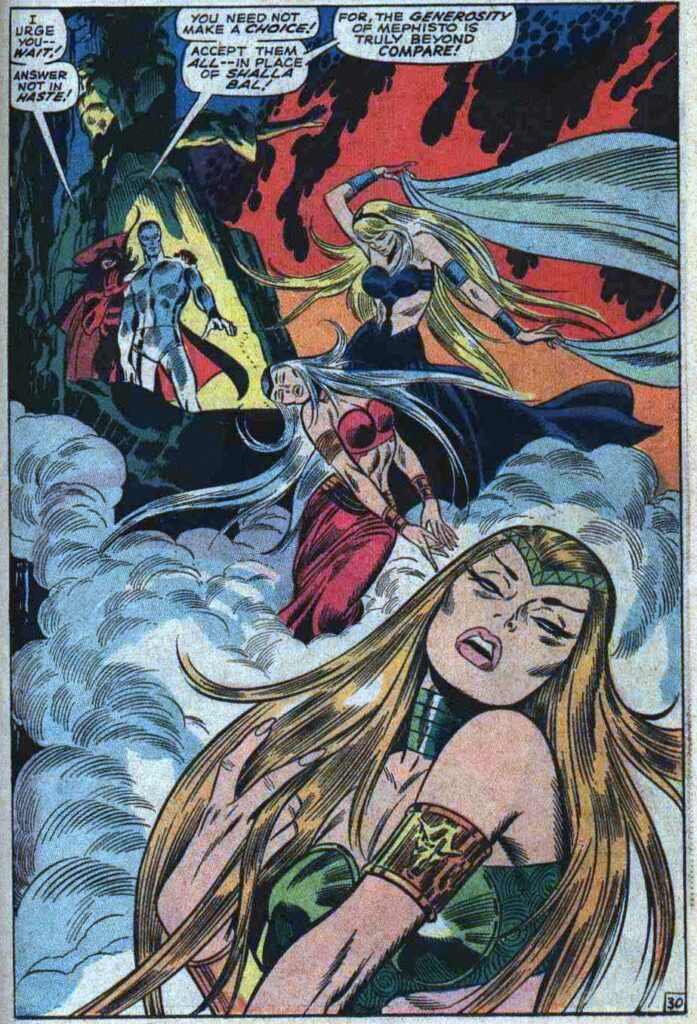


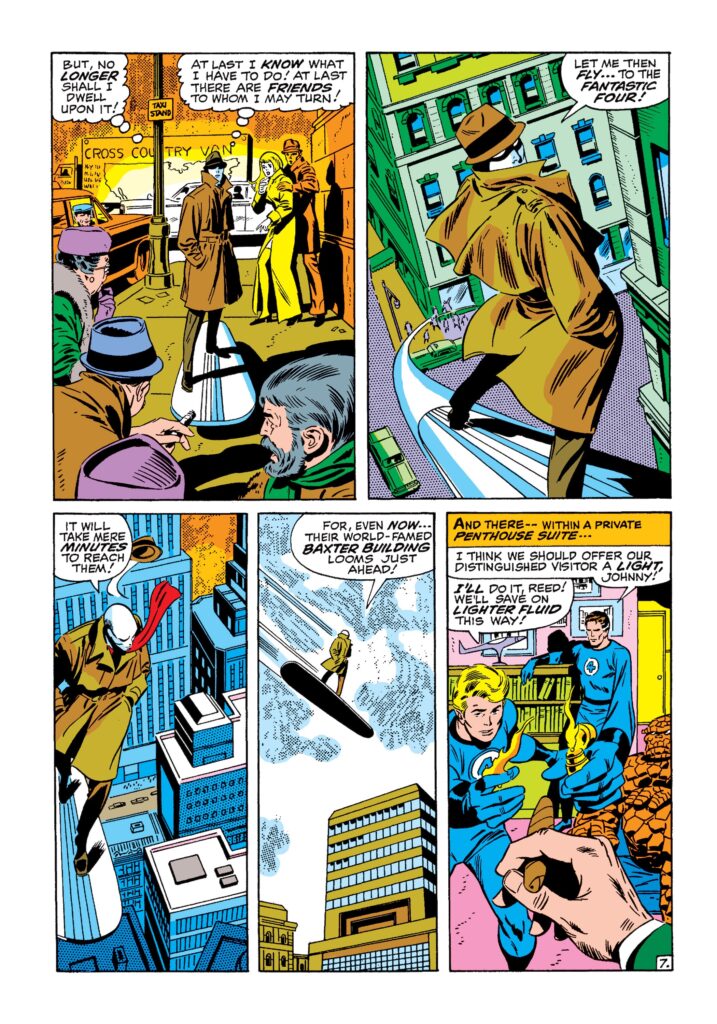
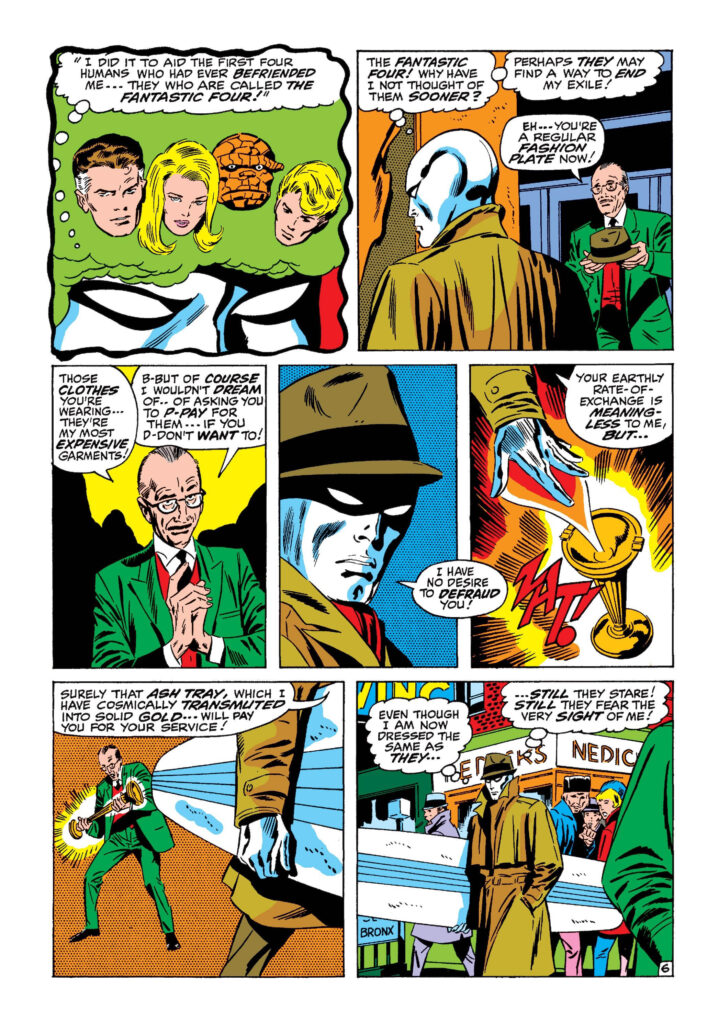

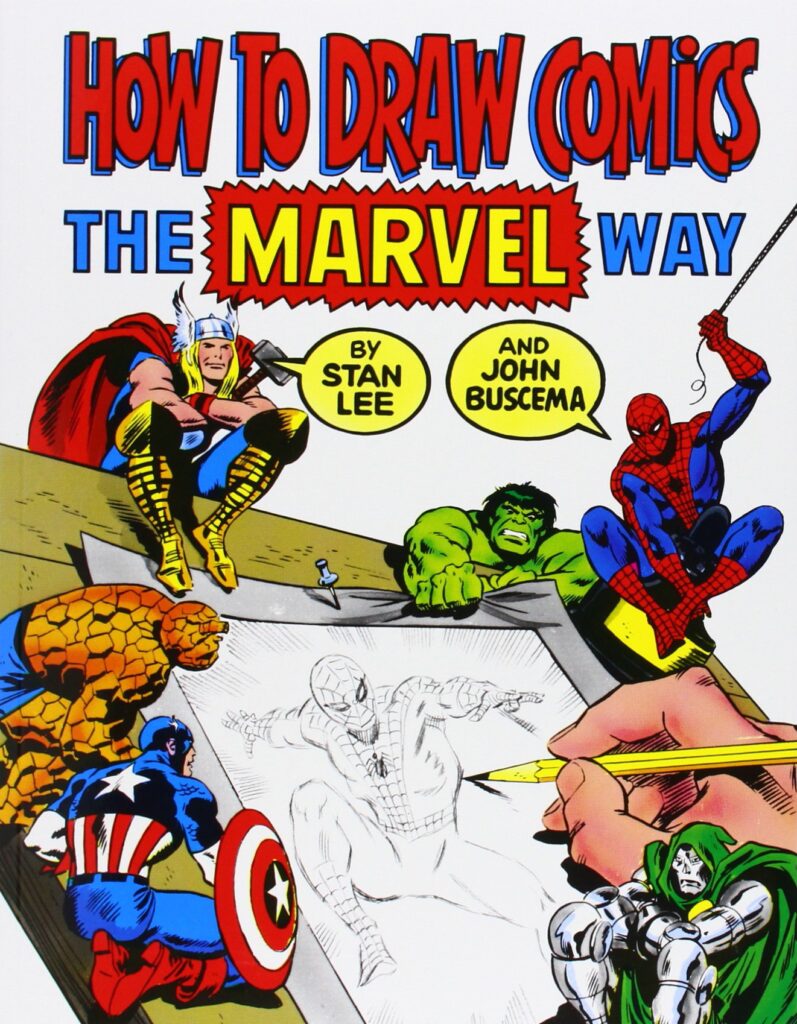
Buscema’s other work at Marvel in the late Silver Age included ten issues of the Amazing Spider-Man, performing art duties alongside John Romita, along with romance books like My Love and Our Love Story, as well as a couple of titles for the re-emerging horror line, Tower of Shadows and Chamber of Darkness. As the 70s and the Bronze Age began, Marvel expanded their line by moving into new areas, such as sword and sorcery. Conan The Barbarian, which had started its run in 1970, needed a new penciller with the departure of Barry Windsor-Smith. Buscema took over art chores on the title with issue 25, along with its companion black and white magazine, Savage Sword of Conan, and found the new comics genre and the character of Conan fit him perfectly. Many fans consider his Conan work the equal of Smith and Frazetta, and his work on such R.E. Howard classics such as Tower of the Elephant certainly showed how Buscema adapted so easily to the canon. He went on to draw over a hundred issues of each of title. Away from Conan, the prolific Buscema drew many fill in issues for various Marvel titles, a familiar presence on newsstands throughout this era. His other standout effort in the 1970s was How to Draw Comics the Marvel Way, a collaboration with Stan Lee that effectively was a book version of the classes he had taught at the short-lived John Buscema Art School, which focused on storytelling and the nuts and bolts of comic illustration. The book cemented his place as Marvel’s house artist and has been one of the touchstone handbooks for the budding illustrator.
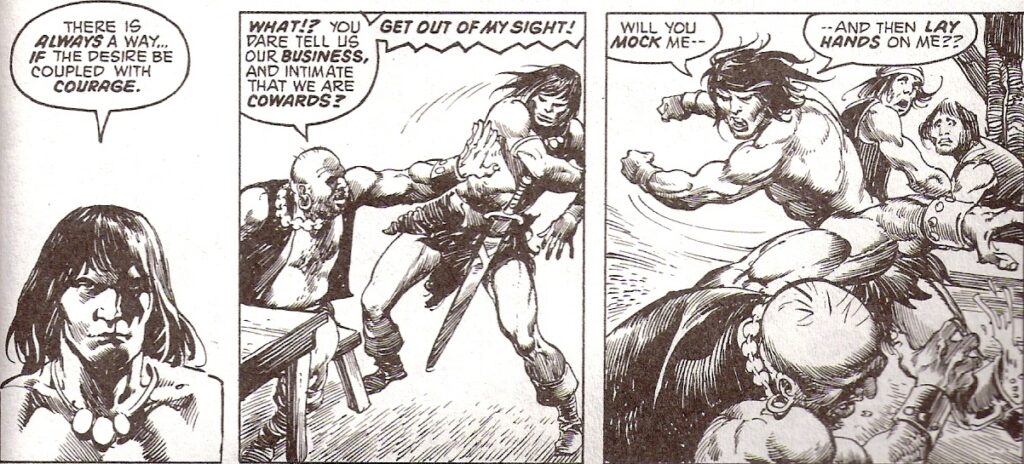
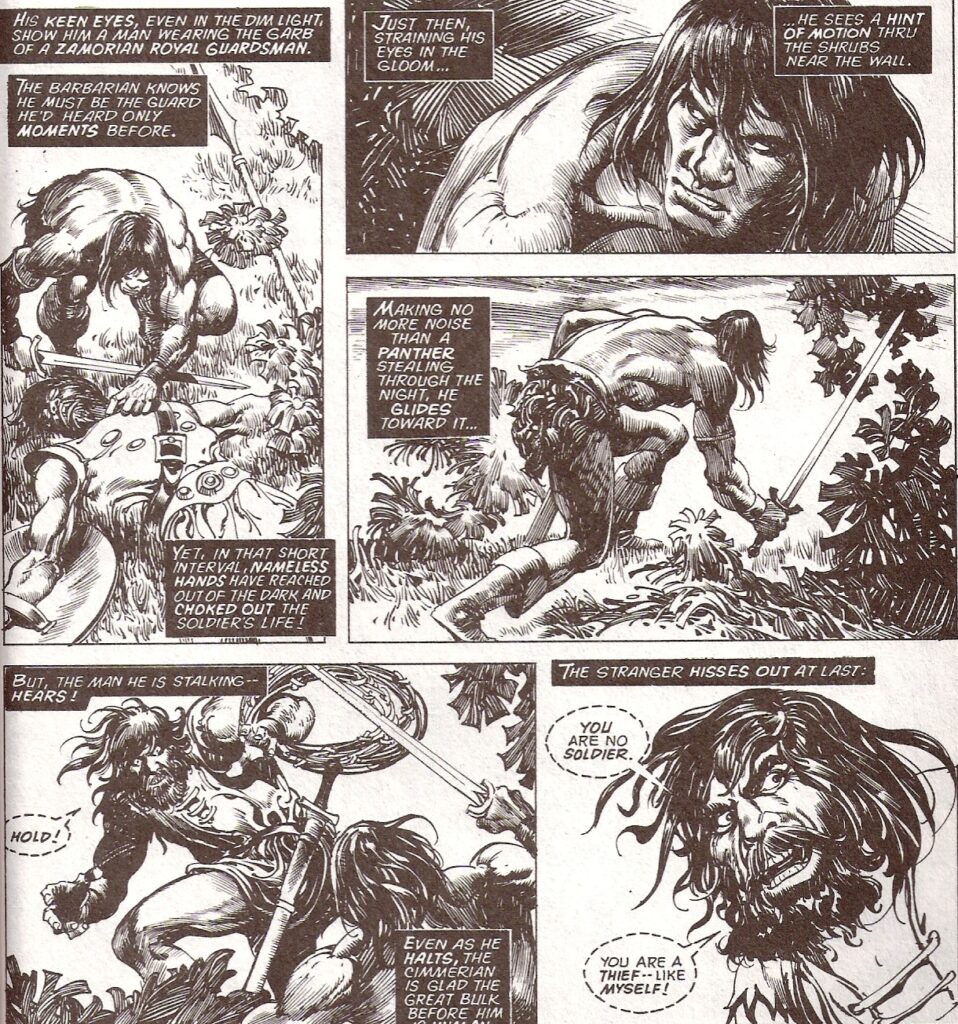
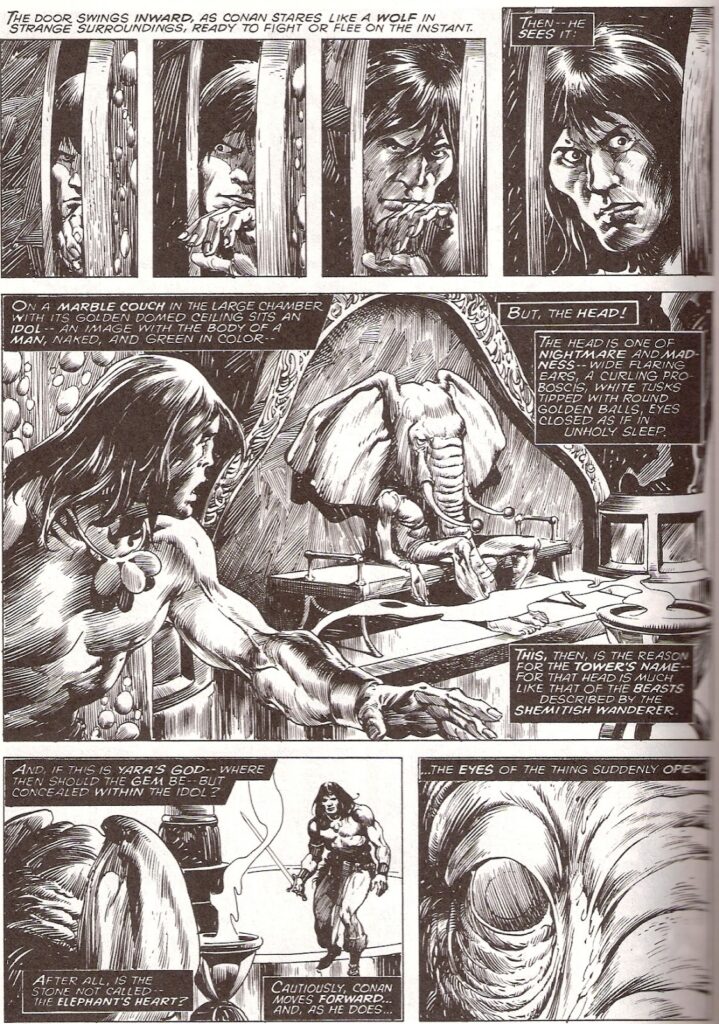
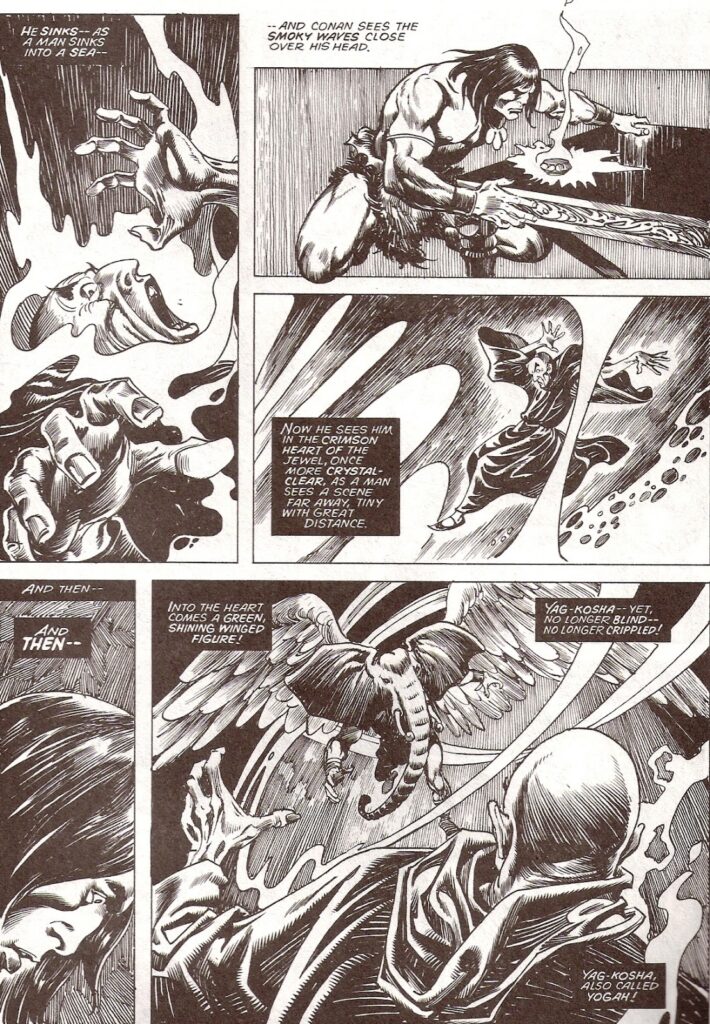

The 1980s saw Buscema continue on Conan and other sword and sorcery books, while later in the decade he went back to The Avengers for a few years, along with a stint on the Fantastic Four. He returned to the Silver Surfer with Stan Lee on two occasions, both stories of a very high standard, in Epic Illustrated 1 and the ambitiously rendered graphic novel Silver Surfer: Judgment Day, which featured single panel pages. Buscema kept busy in this latter stage of his career, occasionally revisiting Conan, while working on several Punisher series. In 2000 he surprised fandom by opting to (briefly) work at DC Comics, on a few Batman one shots as well as Just Imagine Stan Lee and John Buscema Creating Superman. He was still drawing series right up until he passed away in 2002.
John Buscema remains one of the somewhat overlooked legends of the four color idiom, a powerhouse artist who helped shape the Marvel Universe and its parameters, and whose presence made a huge difference to Marvel’s feted Silver and Bronze Ages. A classicist in the best sense of the word who deserves his position on this list.
Here’s the rest of our 101 Greatest Comic Artists list so far
Tripwire’s 101 Greatest Comic Artists Of All Time: No.6: Steve Ditko
Tripwire’s 101 Greatest Comic Artists Of All Time: No.7: Frank Miller
Tripwire’s 101 Greatest Comic Artists Of All Time: No.8: Will Eisner
Tripwire’s 101 Greatest Comic Artists Of All Time: No.9: Lou Fine
Tripwire’s 101 Greatest Comic Artists Of All Time: No.10: Alex Schomburg
Tripwire’s 101 Greatest Comic Artists Of All Time: No.11: Joe Kubert
Tripwire’s 101 Greatest Comic Artists Of All Time: No.12: Wally Wood
Tripwire’s 101 Greatest Comic Artists Of All Time: No.13: Jim Steranko
Tripwire’s 101 Greatest Comic Artists Of All Time: No.14: Alex Raymond
Tripwire’s 101 Greatest Comic Artists Of All Time: No.15: Harvey Kurtzman
Tripwire’s 101 Greatest Comic Artists Of All Time: No.16: Walter Simonson
Tripwire’s 101 Greatest Comic Artists Of All Time: No.17: Russ Heath
Tripwire’s 101 Greatest Comic Artists Of All Time: No.18: Bill Sienkiewicz
Tripwire’s 101 Greatest Comic Artists Of All Time: No.19: Jack Cole
Tripwire’s 101 Greatest Comic Artists Of All Time: No.20: Bernie Krigstein
Tripwire’s 101 Greatest Comic Artists Of All Time: No.21: Graham Ingels
Tripwire’s 101 Greatest Comic Artists Of All Time: No.22: Al Williamson
Tripwire’s 101 Greatest Comic Artists Of All Time: No.23: Barry Windsor-Smith
Tripwire’s 101 Greatest Comic Artists Of All Time: No.24: Alex Ross
Tripwire’s 101 Greatest Comic Artists Of All Time: No.25: John Byrne
Tripwire’s 101 Greatest Comic Artists Of All Time: No.26: Mike Mignola
Tripwire’s 101 Greatest Comic Artists Of All Time: No.27: Basil Wolverton
Tripwire’s 101 Greatest Comic Artists Of All Time: No.28: Howard Chaykin
Tripwire’s 101 Greatest Comic Artists Of All Time: No.29: Moebius
Tripwire’s 101 Greatest Comic Artists Of All Time: No.30: Dave Gibbons
Tripwire’s 101 Greatest Comic Artists Of All Time: No.31: Creig Flessel
Tripwire’s 101 Greatest Comic Artists Of All Time: No.32: Milt Caniff
Tripwire’s 101 Greatest Comic Artists Of All Time: No.34: Burne Hogarth
Tripwire’s 101 Greatest Comic Artists Of All Time: No.35: LB Cole
Tripwire’s 101 Greatest Comic Artists Of All Time: No.37: Bill Everett
Tripwire’s 101 Greatest Comic Artists Of All Time: No.38: Robert Crumb
Tripwire’s 101 Greatest Comic Artists Of All Time: No.39: Mac Raboy
Tripwire’s 101 Greatest Comic Artists Of All Time: No.41: Jim Starlin
Tripwire’s 101 Greatest Comic Artists Of All Time: No.42: Mike Zeck
Tripwire’s 101 Greatest Comic Artists Of All Time: No.43: Adam Hughes
Tripwire’s 101 Greatest Comic Artists Of All Time: No.44: Daniel Clowes
Tripwire’s 101 Greatest Comic Artists Of All Time: No.45: Gene Colan
Tripwire’s 101 Greatest Comic Artists Of All Time: No.46: George Perez
Tripwire’s 101 Greatest Comic Artists Of All Time: No.47: Michael William Kaluta
Tripwire’s 101 Greatest Comic Artists Of All Time: No.48: Cary Nord
Tripwire’s 101 Greatest Comic Artists Of All Time: No.49: Frank Quitely
Tripwire’s 101 Greatest Comic Artists Of All Time: No.50: Mike Ploog
Tripwire’s 101 Greatest Comic Artists Of All Time: No.51: Johnny Craig
Tripwire’s 101 Greatest Comic Artists Of All Time: No.52: Darwyn Cooke
Tripwire’s 101 Greatest Comic Artists Of All Time: No.53: Steve Dillon
Tripwire’s 101 Greatest Comic Artists Of All Time: No.54: Gil Kane
Tripwire’s 101 Greatest Comic Artists Of All Time: No.55: Michael Zulli
Tripwire’s 101 Greatest Comic Artists Of All Time: No.56: John Romita
Tripwire’s 101 Greatest Comic Artists Of All Time: No.57: Joe Maneely
Tripwire’s 101 Greatest Comic Artists Of All Time: No.58: Marshall Rogers
Tripwire’s 101 Greatest Comic Artists Of All Time: No.59: John Severin
Tripwire’s 101 Greatest Comic Artists Of All Time: No.60: Alex Toth
Tripwire’s 101 Greatest Comic Artists Of All Time: No.61: Brian Bolland
Tripwire’s 101 Greatest Comic Artists Of All Time: No.62: David Mazzuchelli
Tripwire’s 101 Greatest Comic Artists Of All Time: No.63 Reed Crandall
Tripwire’s 101 Greatest Comic Artists Of All Time: No.64 Harry Anderson
Tripwire’s 101 Greatest Comic Artists Of All Time: No.65 Nick Cardy
Tripwire’s 101 Greatest Comic Artists Of All Time: No.66 Matt Wagner
Tripwire’s 101 Greatest Comic Artists Of All Time: No.67 Bryan Hitch
Tripwire’s 101 Greatest Comic Artists Of All Time: No.68 Shawn Martinbrough
Tripwire’s 101 Greatest Comic Artists Of All Time: No.69 Al Feldstein
Tripwire’s 101 Greatest Comic Artists Of All Time: No.70 Nestor Redondo
Tripwire’s 101 Greatest Comic Artists Of All Time: No.71 Tarpe Mills
Tripwire’s 101 Greatest Comic Artists Of All Time: No.72 Eduardo Risso
Tripwire’s 101 Greatest Comic Artists Of All Time: No.73 JH Williams III
Tripwire’s 101 Greatest Comic Artists Of All Time: No.74 Irv Novick
Tripwire’s 101 Greatest Comic Artists Of All Time: No.75 Dan Zolnerowich
Tripwire’s 101 Greatest Comic Artists Of All Time: No.76 Gilbert Shelton
Tripwire’s 101 Greatest Comic Artists Of All Time: No.77 Tommy Lee Edwards
Tripwire’s 101 Greatest Comic Artists Of All Time: No.78: Sean Phillips
Tripwire’s 101 Greatest Comic Artists Of All Time: No.79: Jose Luis Garcia-Lopez
Tripwire’s 101 Greatest Comic Artists Of All Time: No.80: Dan DeCarlo
Tripwire’s 101 Greatest Comic Artists Of All Time: No.81: Marie Severin
Tripwire’s 101 Greatest Comic Artists Of All Time: No.82: John Paul Leon
Tripwire’s 101 Greatest Comic Artists Of All Time: No.83: Jim Lee
Tripwire’s 101 Greatest Comic Artists Of All Time: No.84: Denys Cowan
Tripwire’s 101 Greatest Comic Artists Of All Time: No.85: Ross Andru
Tripwire’s 101 Greatest Comic Artists Of All Time: No.86: Paul Gustavson
Tripwire’s 101 Greatest Comic Artists Of All Time: No.87: George Evans
Tripwire’s 101 Greatest Comic Artists Of All Time: No.88: Michael Golden
Tripwire’s 101 Greatest Comic Artists Of All Time: No.89: Matt Baker
Tripwire’s 101 Greatest Comic Artists Of All Time: No.90: Todd McFarlane
Tripwire’s 101 Greatest Comic Artists Of All Time: No.91: Fiona Staples
Tripwire’s 101 Greatest Comic Artists Of All Time: No.92: Carl Barks
Tripwire’s 101 Greatest Comic Artists Of All Time: No.93: Carmine Infantino
Tripwire’s 101 Greatest Comic Artists Of All Time: No.94: Alan Davis
Tripwire’s 101 Greatest Comic Artists Of All Time: No.95: CC Beck
Tripwire’s 101 Greatest Comic Artists Of All Time: No.96: Syd Shores
Tripwire’s 101 Greatest Comic Artists Of All Time: No.97: Bob Fujitani
Tripwire’s 101 Greatest Comic Artists Of All Time: No.98: Tim Sale
Tripwire’s 101 Greatest Comic Artists Of All Time: No.99: Jim Aparo
https://tripwiremagazine.co.uk/headlines/tripwires-101-greatest-comic-artists-of-all-time-no-100/
https://tripwiremagazine.co.uk/headlines/tripwires-101-greatest-comic-artists-of-all-time-no-101/










You must be logged in to post a comment Login