

Comics News
Tripwire Reviews The Mad World Of Harvey Kurtzman

The Man Behind Mad
Tripwire’s contributing writer Laurence Boyce looks at the documentary about the comic book legend, The Mad World Of Harvey Kurtzman, which just premiered at the Edinburgh International Film Festival…
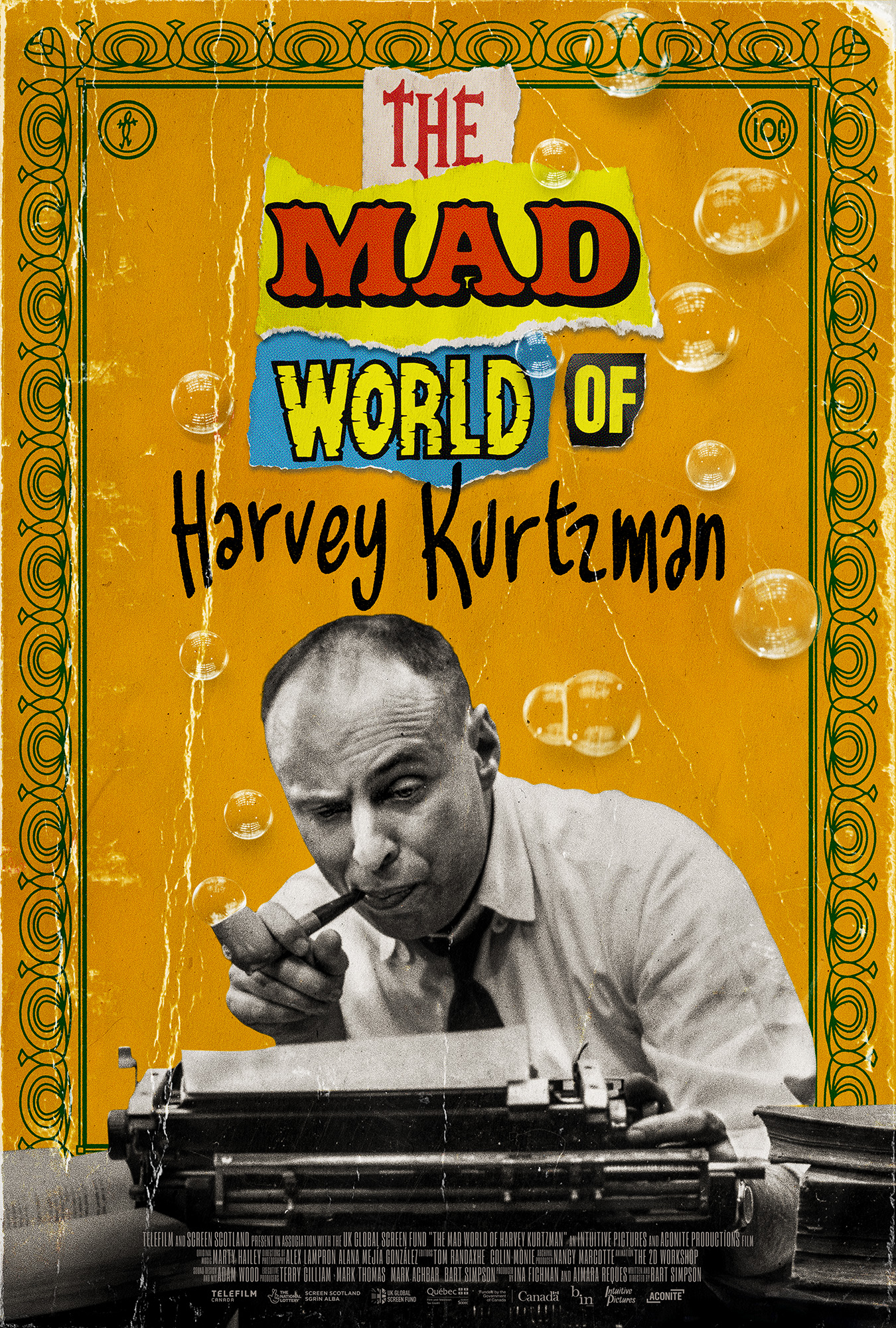
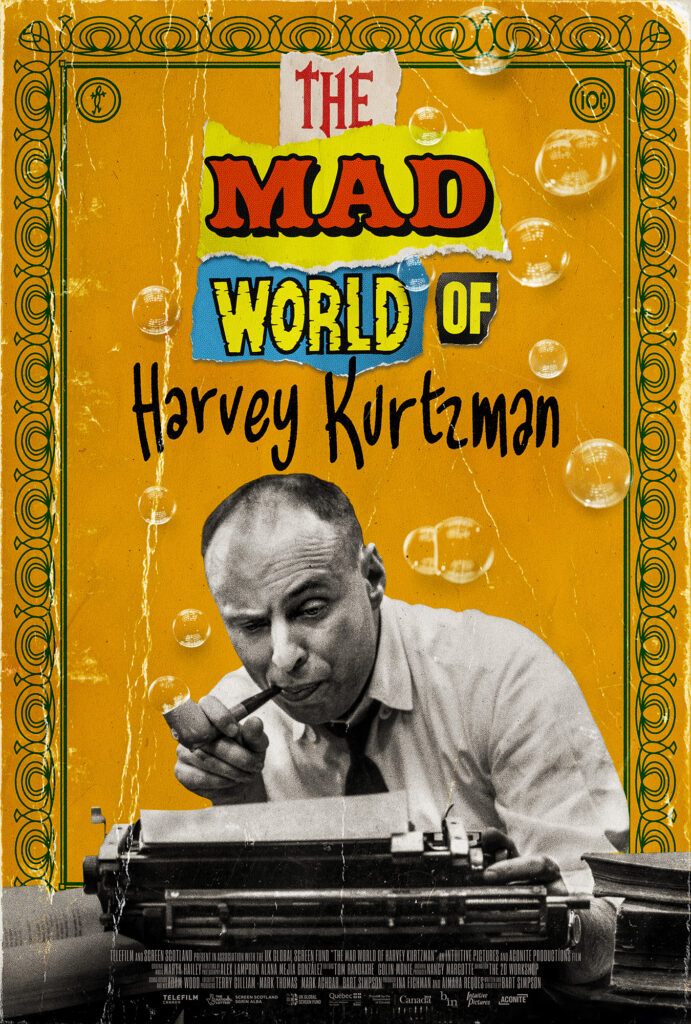
The Mad World Of Harvey Kurtzman
Directed by Bart Simpson
Mad infamously had the ‘usual gang of idiots’ behind the creation of each issue of the satirical magazine. Perhaps then – in this case at least – it is far from insulting to describe Harvey Kurtzman as ‘the biggest of idiot of all’. Responsible for the inception of the magazine that brought us the ‘Me Worry?” doe eyes of Alfred E Neuman, parodies of pop culture that first garnered popularity with Superduperman (proving that things rarely change) and a general puncturing of the power structures that make up life, Kurtzman became one of the most influential figures in comic book history.
Documentary The Mad World Of Harvey Kurtzman – which just premiered in International Competition at the 2026 edition of the Edinburgh International Film Festival – delves into Kurtzman’s life and examines just how much of a seismic impact that Kurtzman had on not only on comics but also on popular culture in general. Director Bart Simpson (whose name takes on an ironic significance when Matt Groening appears to talk about the influence that Mad has upon him, replete with a clip of the cartoon Bart Simpson visiting the Mad magazine offices) paints a portrait of a man blessed with a rare genius but one for whom large scale success remained frustratingly out of reach.

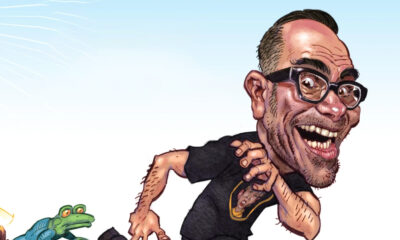
Director Bart Simpson (above)
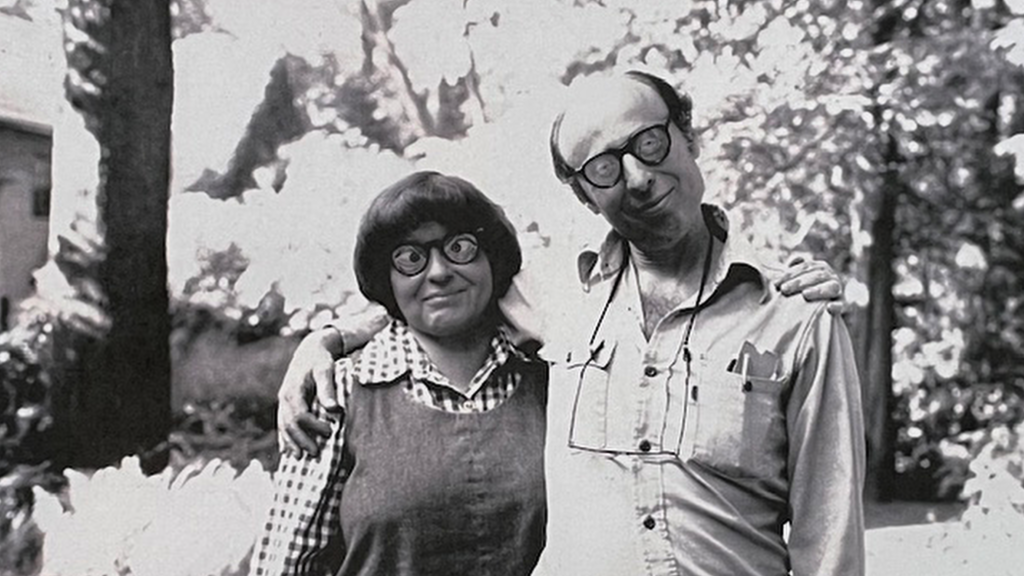
Beginning with one of Kurtzman’s daughters visiting her late father’s archives, Simpson soon reveals an origin story that is similar to many of the many comic book pioneers. Born in New York in 1927, Kurtzman was the son of immigrants in 1924. Discovering a talent for drawing, both his parents and educators encouraged him in his skill and, after leaving school and college, he found himself pursuing a career in comics.
Whereas this story is echoed in the lives of Joe Shuster, Jerry Seigel, Stan Lee, Jack Kirby and countless other comic book luminaries, Kurtzman eschewed the thrall of superheroes. Instead of wanting to portray an idealised world, we wanted to expose the world for what it was. Early work at EC Comics (after a stint at Marvel precursor Timely Comics, where Kurtzman worked with Stan Lee) saw Kurtzman edit Frontline Combat, a war comic that stripped away jingoistic heroism to explore the true horrors of war.
Mad was an extension of this desire to show the reality underneath the glamour. While inspired by college humour magazines, the wit, satire and parody in each issue had an underlying message of: “Everyone is lying to you. Don’t trust those who have the power.” The way it cut through pop cultures and politics, refusing to take anything seriously whilst also being genuinely funny is a testament to how long it lasted (while Mad no longer publishes regularly, new issues with reprinted material and some new material is still published to this day).
A word of caution: those looking for a complete history of Mad magazine in this film will be disappointed. After publisher William Gaines and Kurtzman fell out over money, Kurtzman was no longer part of the idiot gang and the later years of the magazine are given no scrutiny. Instead we see Kurtzman’s following career being of a number of near-misses that never had the caches of Mad. There was an expensive folly in Trump magazine (published by Hugh Hefner – with whom Kurtzman would also have a complex relationship – and nothing to do with any orange coloured leaders) and his social satire the Jungle Book – seen by some as the precursor to the graphic novel – garnered a loyal but small audience.
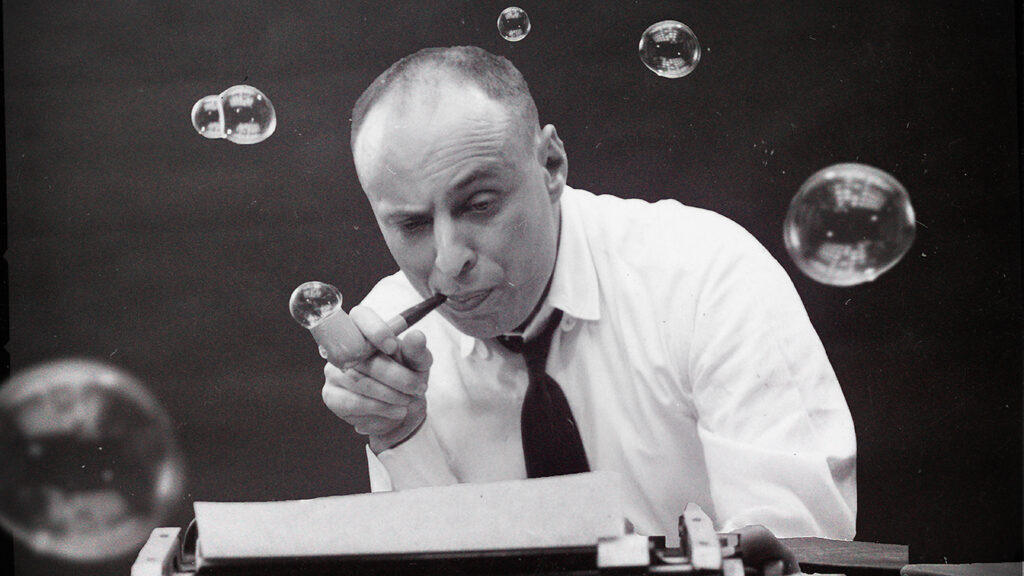
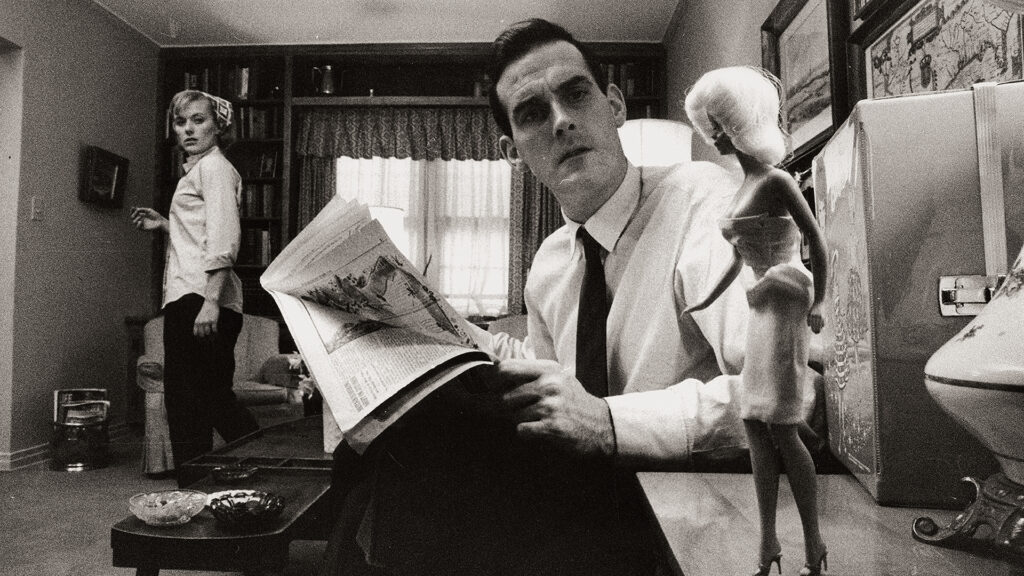
Help! magazine is covered with Terry Gilliam turning up to talk about his time there (including giving us a look at the fumetti – i.e. photo-story – with a certain John Cleese playing a character who falls in love with a Barbie doll) and his return to the Playboy fold creating (with Will Elder) Little Annie Fanny, in which Kurtzman’s desire for satire was sometimes at odds with the needs for titillation.
Through these eras, the film shows a man who struggled with what he perceived as a lack of recognition (and commensurate financial reward) for his work. But the film also tells of how he began to become lauded in the latter half of the 70s. Reminisces on time teaching at the New York School of Arts include an anecdote from Art Spiegelman who spent a guest lecture at Kurtzman’s class extolling Kurtzman’s virtues to all his students.
But the film avoids being a hagiography – tales of being sometimes inflexible and a hard taskmaster abound amongst more of the tender reminiscence from family and friends. Whilst the form of the documentary is very standard ‘interviews and archive footage’ (though it has a lovely jazz score), Simpson garners many intriguing talking heads –aside from those mentioned, he also includes the likes of Robert Crumb and the legendary Sergio Aragones – whilst said archive footage allows Kurtzman to tell some of his own story. This includes a lovely moment of Kurtzman and Stan Lee in which Lee – showing off Kurtzman’s early work for Timely – notes how Lee’s name isn’t there. Kurtzman dryly notes that he took it off. Knowing what we know now of both comic book pioneers, it’s an eye opening scene of what both their careers would come to embody.
The Mad World Of Harvey Kurtzman is a tender portrayal of a family man – the film’s portrayal of his latter years battling Parkinson’s are particularly affecting – and an invaluable historical examination of one of comics’ most important luminaries. Those with even the slightest bit of interest in comic book and pop culture history should seek it out immediately.
The Mad World Of Harvey Kurtzman has just premiered at the Edinburgh International Film Festival. More information about its release will be available over the coming weeks.











You must be logged in to post a comment.