
gambling
Why Directors Love The Casino Setting

Betting On The Roulette Wheel
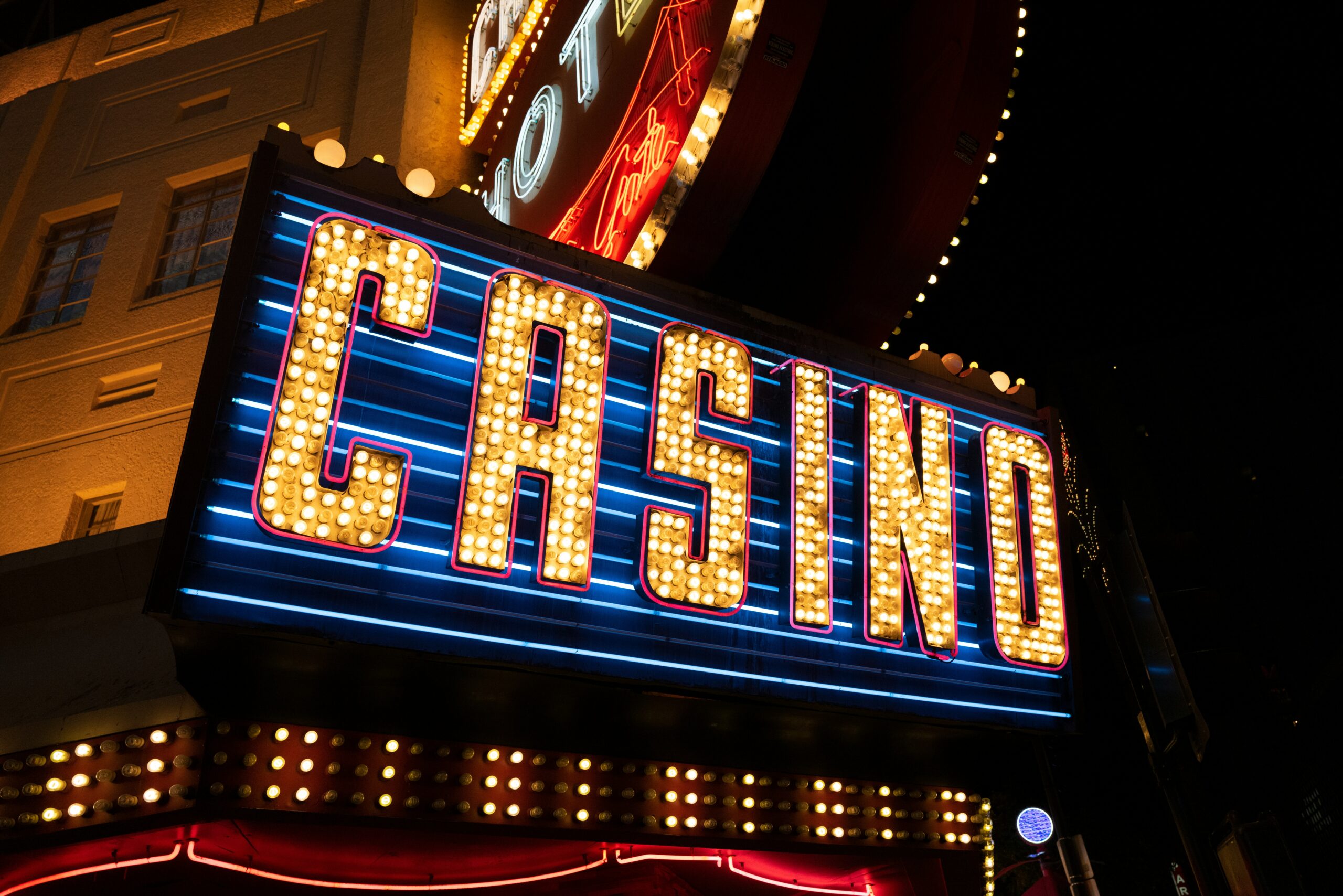
Casinos are one of the most recognisable settings in film. Directors have been using them for decades, and for good reason. They are intense, unpredictable and visually rich. A single scene set in a casino can suggest tension, wealth, danger, risk and ooze glamour all at once. It is no surprise filmmakers keep returning to the felt-covered tables and flashing lights.
From Scorsese’s Casino to the poker scenes in Casino Royale or even the comic chaos of The Hangover, the casino has become more than just a backdrop. It is a character in its own right. Directors love locations that do some of the work for them, and casinos come fully loaded with drama…
High Stakes And Hidden Motives
A casino setting brings instant suspense. There is always something on the line. Whether it is money, pride or the outcome of a heist, audiences know what is at stake without it being spelled out.
Take Casino Royale, for example. Martin Campbell directed the 2006 Bond reboot with a clear focus on tension. That poker game is one of the film’s most talked-about sequences. But the action comes not from the cards, but from the characters watching each other. A single bead of sweat; a glance; a posture shift. It is all amplified by the pressure of the game.
Then there is Steven Soderbergh’s Ocean’s Eleven trilogy, which turned casino-based crime into a stylised art form. Soderbergh made use of the Bellagio, the Mirage and the MGM Grand in Las Vegas not just as physical spaces but as symbols of opulence and danger. The first film grossed over £360 million worldwide. Audiences clearly could not resist the mix of glamour and smart, fast-paced storytelling set against the casino backdrop.
Directors also use casinos for character development. In Rain Man, Barry Levinson showed how the casino setting could highlight both tension and growth. The blackjack scene did not just push the story forward. It revealed something deeper about the characters and their relationship.
A New Kind of Casino Experience
While traditional casinos still play a big role in storytelling, the way most people engage with them has changed. We are no longer dressing up and heading out to gamble in person. Instead, the experience has moved online. Now, millions of us in the UK choose to log in from our phones or laptops to enjoy everything from blackjack to slots.
This massive move to cyberspace has made online platforms a huge part of modern entertainment. The best paying online casinos in the UK have become especially popular, offering a convenient way to enjoy games with impressive bonuses without having to leave home. These platforms are ideal for those of us to players who want that thrill and risk, but without the travel, expense, or, well, effort.
Interestingly, we have not seen this modern version of the casino setting appear in mainstream films much yet. But that may change. Just as tech start-ups and social media moved from real life to the big screen, maybe just maybe, online casinos will begin to influence storylines in coming years.
For now, though, physical casinos still dominate the cinematic space.
Why It Works On Screen
Casinos look good. That is a big part of it. They are designed to be eye-catching. Bright lights, mirrors, rich colours, constant movement. All of it plays well on camera. Directors use this to their advantage.
Lighting plays a big role. Michael Ballhaus, the director of photography on Martin Scorsese’s Casino, created a visual language built around warm tones, sharp reflections and deep shadows. The result was a film that felt alive, even in its quieter moments. It is worth noting that Casino included over 150 locations in Las Vegas, filmed across several real casinos with extensive permissions. It was not just set dressing: The real thing, used to its full effect.
Casinos also provide sound. The ding of slot machines, the shuffle of cards, the murmur of people trying to stay calm. It is all useful to a sound designer. In Uncut Gems, directed by the Safdie brothers, sound is used relentlessly. The film piles noise on top of noise to create anxiety. When Howard, played by Adam Sandler, places a bet that could fix everything or destroy it all, the tension is almost unbearable. The casino is not a glamorous playground in this case. It is a trap.
For action directors, casinos also offer controlled chaos. In Rush Hour 2, Brett Ratner stages a major fight scene in a casino. The setting adds colour, confusion and humour. Jackie Chan and Chris Tucker move between tables, dodging henchmen and security guards while roulette wheels spin and chips fly.
Quick Stats for Film Buffs
The following aren’t mere trivia points. They show how much effort goes into making a casino scene work and why directors keep coming back to them…
- Casino (1995) used over 7,000 extras during its filming in Vegas
- The poker scenes in Casino Royale took three weeks to shoot and were filmed in the Czech Republic, not Monaco
- Ocean’s Eleven required 24-hour filming clearance from three major casinos to allow for overnight interior shots
- In 21 (2008), based on the real-life MIT Blackjack Team, over 500 visual effects were used to mimic surveillance footage and card-table reflections
- Over 50 films have featured the Bellagio Hotel and Casino since it opened in 1998
Casinos offer everything a director could want in a setting. Style, pressure, movement and meaning. They remain one of film’s most useful locations, and they are not going anywhere soon.