
gambling
Why Slot Games With Identical Symbols Can Have Completely Different Results

Not All Experiences Are The Same
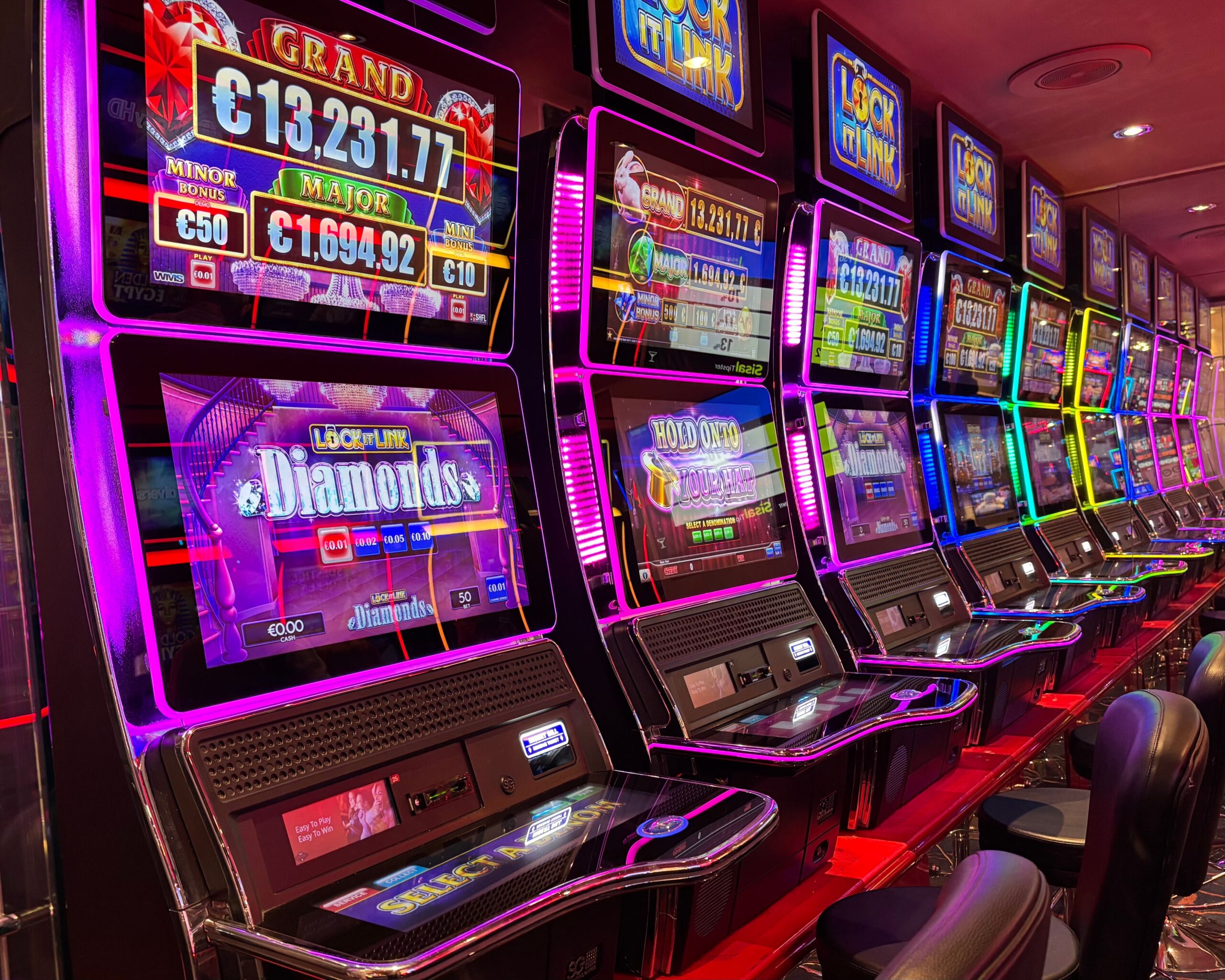
Walk into a casino or open an online slot game, and you’ll probably recognise many symbols at a glance. Cherries, golden sevens, bells and colourful fruit have appeared on slot machines for decades. Some modern games still use these traditional designs, even though the underlying technology has changed considerably. Two slots might look almost identical, with five reels, similar animations and the same winning symbols. Yet the experience can differ surprisingly. One game may regularly award small amounts, while another produces fewer wins but offers the possibility of much larger payouts. The explanation has little to do with the pictures themselves. What matters is how each game has been programmed…
What Actually Happens When You Press Spin?
Modern online slots use software to determine each spin’s outcome. At the centre of this process is a random number generator, usually called an RNG.
The RNG produces numerical results that the game converts into reel positions or other outcomes, depending on its design. The game then evaluates the symbols on the screen according to its rules and payout table.
This means two games can show the same symbol combination but pay out completely different amounts. Three golden sevens might represent a valuable prize in one game and a relatively small payout in another.
Animations and sound effects make the experience entertaining, but they don’t affect the underlying probabilities.
Another important detail is that spins in properly functioning random slot games are independent. If a player loses ten times in a row, the eleventh spin isn’t more likely to win because of those earlier losses.
Why Some Games Pay More Often
One of the main differences between slot games is something called volatility, or variance.
Low-volatility slots generally pay out smaller amounts more often. High-volatility games tend to distribute their theoretical returns less evenly, with a greater emphasis on occasional larger prizes.
Imagine two games with the same symbols and similar bonus features. In the first, small winning combinations might appear regularly. In the second, substantial payouts could depend heavily on rare combinations or special bonus rounds.
Neither game guarantees a particular outcome. A low-volatility slot can still produce losing streaks, while a high-volatility game might award several prizes close together.
The difference becomes clearer when you look at results over many spins rather than a short session.
Remember that frequent payouts don’t necessarily mean frequent profits. A game that pays €0.50 on a €1 spin still returns less than the original stake.
What Do RTP and Hit Frequency Mean?
Two other figures help explain how slots are designed: return to player and hit frequency.
Return to player, commonly shortened to RTP, describes the theoretical percentage of total wagers a game is expected to pay back over extensive play.
For example, a slot with a 96% RTP is designed to return approximately €96 for every €100 wagered across a very large number of spins. The remaining 4% represents the theoretical house advantage.
That doesn’t mean someone spending €100 will receive €96 back. Individual results can vary considerably, and players can lose their entire balance.
Hit frequency measures how often a spin pays out. A game with a theoretical hit frequency of 25% would return a prize on approximately one in four spins over the long run.
These figures describe different aspects of a game’s mathematics. A higher hit frequency doesn’t automatically mean better overall returns.
Online entertainment venues such as https://klondaika.lv/ operate in a market where slot games can vary considerably in their mathematical characteristics. Players should consult the rules and information provided for each title rather than assume familiar graphics mean similar payout behaviour.
Why Bonus Rounds Make Such a Difference
Free spins, multipliers and special bonus symbols have become common features of modern online slots. Although these additions can make games look more exciting, they also influence how theoretical payouts are distributed.
Some games allocate a considerable portion of their expected returns to bonus features. Others distribute more of that return through ordinary winning combinations.
Developers may also use virtual reel positions or weighted symbol arrangements. As a result, simply counting the symbols visible on a reel doesn’t necessarily reveal the probability of landing a particular combination.
Exact arrangements vary between games, and the full mathematical models aren’t always public.
This helps explain why two slots with similar artwork can feel completely different even when they follow the same basic rules.
Conclusion: The Mathematics Matter More Than the Symbols
A slot game’s appearance tells players very little about its actual payout structure. Familiar symbols and animations may make two titles seem like they work the same way, but their mathematical models can differ entirely.
Volatility, hit frequency, RTP, and bonus features all shape how a game distributes payouts over time.
Understanding these characteristics can make slot mechanics easier to interpret, but none lets players predict future results or eliminate the house advantage.
Ultimately, players see the symbols. The mathematics behind them determine how the game works.