
gambling
Set Design in Live Casino Entertainment

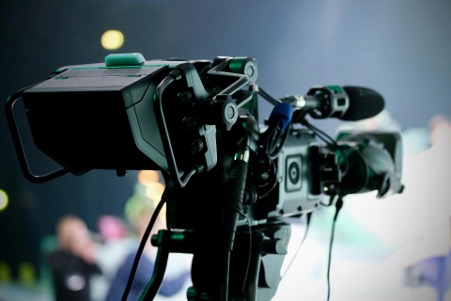
The Studio Behind the Screen
A studio can establish its identity before a presenter says a word. A brightly coloured wheel suggests one kind of show, while a neatly framed card table creates a different atmosphere. The placement of objects, the depth of the background and the relationship between the presenter and the camera all contribute to that first impression.
Live casino entertainment offers an interesting setting for examining these production choices. Its presentation brings together physical equipment, people and a digital interface, with each part needing to remain understandable on screen. For viewers interested in television and production design, there is plenty to notice beyond the central game…
Start With the Object That Organises the Set
Many studio formats have a physical object around which the presentation is built. A wheel provides a strong circular shape, while a card table creates a horizontal surface that holds the important action. The object gives the viewer somewhere to look and gives the presenter a clear relationship with the surrounding space. Its position also affects what the camera can show comfortably.
The range listed under Mr Q live casino includes Crazy Time, Monopoly Live, Lightning Roulette and Evolution Live Blackjack, providing different starting points for examining live casino presentation. These titles sit within the same broad category, but a wheel-led format and a card-table format ask different things of the image. Comparing them draws attention to composition and presentation rather than treating every live game as visually interchangeable.
A useful production question is whether the central object remains easy to identify throughout the action. Elaborate scenery can establish a mood, but the viewer still needs a clear view of the relevant equipment. The set succeeds when its decorative details support that view and give the format an identity without obscuring what is happening.
Lighting Creates Order Within the Image
Lighting does more than make a studio bright enough to film. It helps separate the presenter from the background, reveals the shape of physical objects and directs attention towards important areas. A reflective surface may need different treatment from a painted backdrop, while a small object on a table requires enough definition to remain visible in a wider shot.
These choices influence the atmosphere as well as the readability of the scene. A restrained background can keep attention near the table, whereas a more colourful arrangement gives the image a broader sense of spectacle. Neither approach is automatically better. What matters is whether the lighting supports the format and allows its important details to be seen without constant visual competition.
Camera Framing Gives the Set Its On-Screen Shape
A studio is a three-dimensional space, but the viewer encounters it through selected frames. A wide image establishes the relationship between the presenter, equipment and scenery. A closer view can make a card or part of a wheel easier to examine. Each framing choice therefore determines both what information is available and how much surrounding atmosphere remains visible.
This is where production design and camera placement need to work together. A decorative feature may look impressive in the room yet disappear behind the presenter from the main camera position. Another object might create an awkward visual overlap when the image is reduced. Assessing the set through the intended camera views helps reveal those problems and makes the finished image feel more deliberate.
The Finished Image Depends on Several Crafts
Viewers usually see a single composed scene, although its appearance comes from several kinds of work. Set construction establishes the physical environment, lighting shapes what is visible, sound keeps speech understandable, and presentation connects the activity to the audience. These contributions need to support one another because a weakness in one area can affect how comfortably the whole scene is followed.
Variety’s coverage of production training at the Western Australian Academy of Performing Arts describes the progression from set concepts and workshop construction through lighting and sound, connecting those skills with film, television and live experiences. The article provides a useful reminder that production is a collaborative craft. Applying that perspective to live casino studios is an editorial comparison, rather than a claim about who trained or worked on any particular game.
The Presenter Needs a Place Within the Design
A presenter’s position affects the balance of the image. Standing beside a large piece of equipment creates one relationship, while sitting behind a table creates another. The set needs to accommodate movement and gestures without making the presenter appear detached from the activity or allowing their body to block the important details.
Clothing also becomes part of the composition. Its colour and pattern interact with the background, and its outline needs to remain distinguishable under the studio lighting. These are practical visual considerations that apply across presented entertainment. A successful arrangement gives the person enough presence to guide attention while preserving a clear view of the game itself.
Physical Scenery and Interface Graphics Share the Screen
Live casino presentation has an additional design layer because the broadcast appears alongside interactive controls and information. The physical set supplies the filmed environment, while the interface communicates actions and details that do not exist as objects in that room. The viewer must be able to distinguish those layers and understand the role of each.
A busy background can make that relationship harder to manage if it competes with text or controls. Clear spacing and a predictable hierarchy help the game image and interface coexist. This becomes particularly relevant on a phone, where the available area is smaller. A studio image that looks spacious on a large display may need more careful framing to preserve its defining features at a reduced size.
Recognisable Style Comes From Coordinated Choices
A memorable studio does not need every surface to demand attention. Its identity can come from a limited group of choices: a particular colour palette, the shape of its main equipment, a distinctive background or the way the presenter occupies the space. Repeating those choices consistently makes the presentation feel coherent.
The same approach appears throughout screen entertainment, where production design gives a format a recognisable visual character. In live casino games, that character belongs to the presentation and does not alter the rules or determine results. Keeping those roles distinct allows the creative work to be discussed on its own terms, through atmosphere, clarity and the arrangement of the image.
Looking Past the Central Action
Examining a live studio closely reveals details that can otherwise pass unnoticed. The relationship between foreground and background, the placement of a light and the amount of space around a presenter all contribute to the experience of following the broadcast. Small choices become more apparent when different formats are viewed with the same production questions in mind.
For an audience interested in film and television craft, this offers another way to read screen-based entertainment. The physical game provides the activity, while the studio shapes how that activity is presented. Looking at the set as a coordinated piece of production work makes the lighting, framing and design decisions behind the finished image easier to appreciate.