
Comics News
Comics, Film and High Roller Casinos

Here’s What Genre Culture Has Always Known About Playing for High Stakes
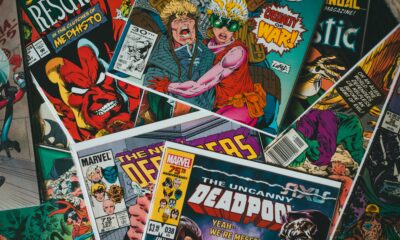
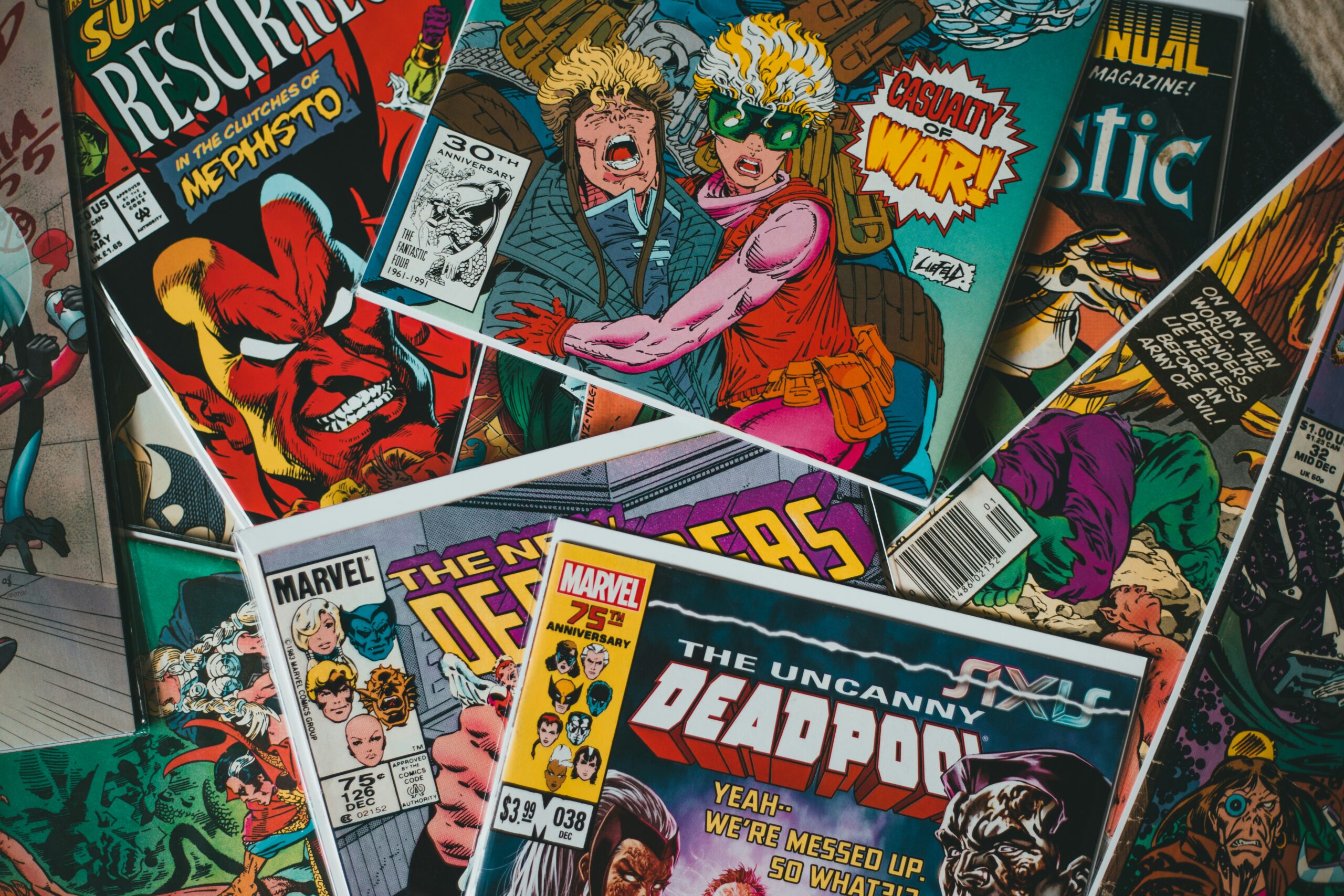
Every reader who has followed Bond from Fleming’s paperbacks to Denis Villeneuve’s incoming reboot already knows the scene by heart. Baccarat, in the original novel; a $10 million no-limit hold’em freeze-out by the time Casino Royale reached cinemas in 2006, the producers swapping card games because a poker boom had made hold’em the version audiences would actually recognise. Either way, the table does the same job it always has in this genre: it is where a character’s nerve gets tested in public, with money as the visible stake and something bigger sitting underneath it. Ocean’s Eleven runs the same trick from the other side of the felt, turning the Bellagio into a target rather than a backdrop. Maverick spends two hours proving that a gambler’s real currency is patience, not luck. Long-running comics arcs keep returning to the same image, a rigged table or a card game gone wrong, because writers know a casino floor is a shortcut to tension that doesn’t need explaining.
That inherited fascination is also why so many of Tripwire’s readers ask, once the credits roll, what a real version of that world looks like under UK law in 2026. The honest answer has very little to do with tuxedos and everything to do with licensing paperwork, because what a UK operator can legally call high roller casinos now sits inside Gambling Commission oversight, not a screenwriter’s imagination. That distinction matters more this year than it has in a while, because the rules governing what a casino can offer its biggest spenders have just moved again…
The Real Table Stakes in 2026
Since 7 July 2026, the Gambling Commission has confirmed that customers spending more than 1,000 pounds online within a 24-hour window will be run through a financial risk check, with the threshold falling to 750 pounds for under-25s and a parallel 3,000-pound trigger across a rolling 90-day period. It is a staged rollout, starting with the largest operators and the highest spenders, and it lands squarely on the population this article is nominally about: the players a fictional high-stakes table exists to romanticise. Bond never had to prove where his stake money came from. Anyone playing at that level on a licensed UK site now does.
This is not a new impulse from the regulator, just a sharper version of one. Back in September 2020, the Commission rewrote the rulebook on so-called VIP schemes after finding that some operators were funnelling free bets, hospitality and preferential service toward customers who were losing more than they could afford, rather than customers who were playing sustainably. Licensees now have to run ongoing affordability and safer-gambling checks before anyone gets moved into a rewards tier, not just after a complaint lands. The tailored bonuses and personal account management that used to define the VIP label on a casino site are still around. They are just attached to considerably more paperwork than the genre ever bothered to mention.
What That Leaves for Everyone Else
Strip away the mythology and what is left looks closer to a loyalty desk with a compliance team attached than a Monte Carlo fantasy. A properly licensed operator running high roller online casinos UK programmes in 2026 has to document why a customer qualifies, review that status regularly, and be able to pull perks the moment spending starts looking less like entertainment and more like a problem. None of that makes for a great third act. It does make for a genuinely safer version of the thing this genre has been dramatising for seventy years, and it is worth knowing the difference before anyone books a table expecting the film version.
It also explains why the comics side of this keeps returning to the same well. A rigged table is a clean visual shorthand for a character who has lost control somewhere off the page, and it works whether the artist is drawing a smoky backroom or a glass-walled resort floor. The UK’s current rulebook is, in its own dry way, an attempt to stop that loss of control from happening for real, which is a less cinematic story than any of the ones Tripwire usually covers, but a more useful one for anyone actually sitting down to play.
Whether Villeneuve’s take on Bond keeps the character anywhere near a card table is still an open question. Tripwire has been following every twist in who is actually writing and directing that film since the news broke. What isn’t in doubt is that the archetype survives changes of studio, format and even the game being played, because the appeal was never really about baccarat or poker in the first place. It was always about watching someone stay calm while the number on the table gets uncomfortably large. The regulated version just makes sure the person across from them checked first