
gambling
The Best Casino Sites in the UK Carry Film IP That Rivals Any Streaming Catalogue

From Dark Knight To Jumanji And More
Licensing a comics or film property into a slot machine sounds like the laziest kind of merchandising, a logo stapled onto a standard reel set and sold on recognition alone. The actual catalogue of licensed slots in the UK market tells a different story, and it’s one that sits closer to Tripwire’s usual territory than it first looks: adaptation decisions, what translates and what gets lost, and which studios actually understood the source material before they licensed it out…
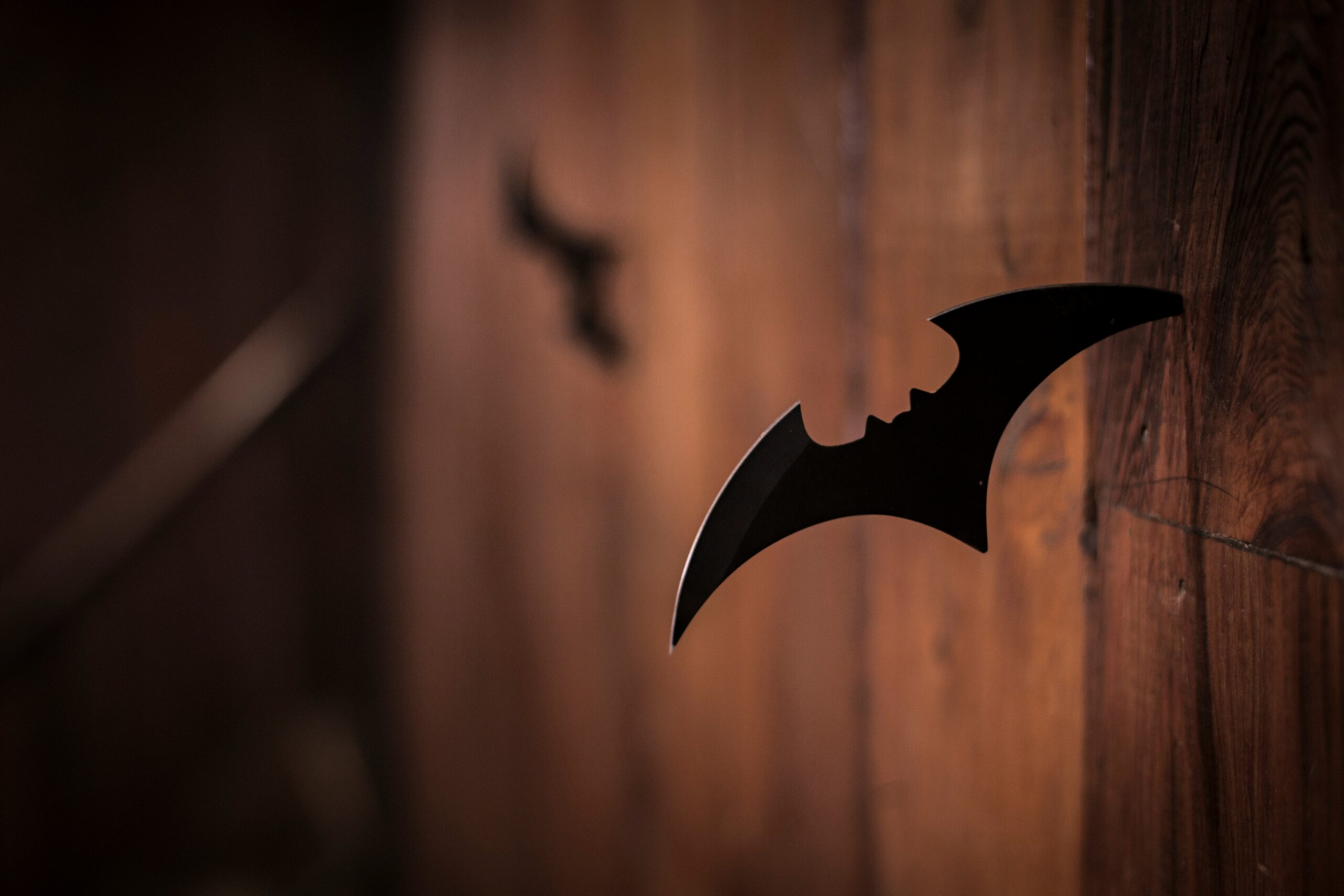
Playtech’s The Dark Knight slot, built on Christopher Nolan‘s 2008 film and still running in UK casino lobbies nearly two decades later, is a genuinely considered piece of design work. It carries over Gotham’s lighting palette and sound design rather than just dropping a Batman logo onto a generic layout, which makes it a more faithful translation of the film’s mood than a lot of official video game tie-ins ever managed. A recent industry breakdown of branded slots flagged it alongside Light & Wonder’s Beetlejuice and Wizard of Oz titles as evidence that film-licensed games are now a genuine design category in UK slot lobbies, rather than a marketing afterthought.
For readers working out which platforms actually carry these titles properly rather than burying them under generic reels, The Independent runs a guide to the best UK casino sites that covers where the better film and comics adaptations are currently live. It’s worth checking against the UK market specifically, since several of the most interesting licensed titles, including BetMGM’s Wizard of Oz series built with Light & Wonder and Warner Bros. Discovery, are exclusive to North American operators and never reach a UK lobby at all.
Barcrest’s Beetlejuice Megaways, released under an official Warner Bros. licence, takes the opposite approach to The Dark Knight and mirrors the film’s chaotic energy through its reel mechanics, using Big Time Gaming’s Megaways engine to generate up to 248,832 ways to win on a single spin. Structural chaos standing in for the character’s own, which is a more interesting design choice than the licence strictly required.
NetEnt’s Jumanji slot is the clearest case of a developer actually reading the source material rather than skimming the poster. Its bonus round puts players through a dice-driven board game across a 3-4-5-4-3 reel layout, directly lifting the mechanic that drives the film’s plot rather than inventing a generic free-spins round and slapping the Jumanji name on it. Blueprint Gaming has leaned hardest into one franchise specifically: The Goonies slot has spawned three sequels since its original release, including The Goonies Quest for Treasure 2 in November 2025, each one expanding the same treasure-map structure the way a long-running comics title expands its own continuity rather than rebooting from scratch.
Licensing rules changed meaningfully at the start of this year, too. The Gambling Commission’s updated promotions requirements came into force on 19 January 2026, capping bonus wagering requirements at ten times the deposit and banning incentives that combine more than one gambling product. That doesn’t touch slot design directly, but it does mean the promotional campaigns built around these franchise titles, including anything a UK operator runs around its own Dark Knight or Goonies licence, now have to be considerably more transparent about their terms than they were two years ago.
We’ve looked at where slot design borrows its visual language from before, in our piece on what cultural symbols in Asian slot games mean, and the same instinct for lifting meaning from an existing visual system applies here: a licensed slot only works if the designer understands why the source material looks and feels the way it does, not just what it looks like on a poster.
The comics and film industries spent decades treating licensed games as a secondary revenue stream rather than a creative one. The slot market has reversed that assumption for its own licensed catalogue over the past five years, and the better titles now get built by designers who clearly sat through the source material rather than just bought the rights to its logo. Whether that counts as adaptation in the same sense a good film or ongoing comics run does is a fair argument to have, but the design choices in The Dark Knight and Jumanji suggest somebody on the development team was paying genuine attention.