
Headlines
Why Horror Games Are Getting Scary Again

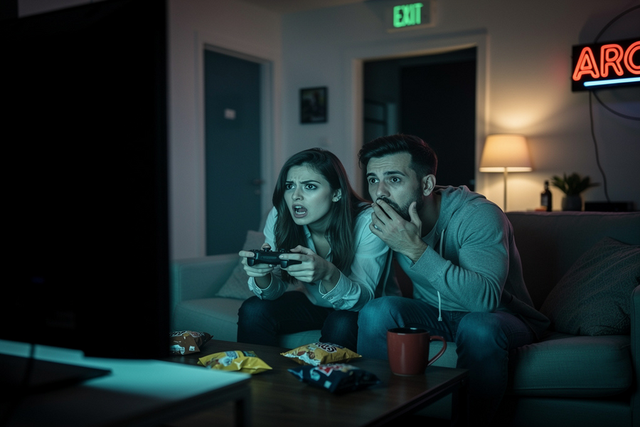
Get Unsettled Again
For nearly a decade, horror gaming felt stuck. Jump scares became predictable, enemies grew weaker, and players accumulated so much firepower that fear evaporated. The genre that once made people sleep with lights on had become routine entertainment. Something has shifted. Horror games are terrifying again, and the reasons are structural, deliberate and worth dissecting…
The Powerlessness Equation
The core mechanic driving modern horror is engineered vulnerability. When players can shoot their way out of every threat, tension collapses. Contemporary designers understand that fear scales inversely with player power. Strip away ammunition, limit combat, and force retreat, and the result is dread. The analysis of why horror lost its edge, documented in a study of how the genre became predictable through declining fear mechanics, points directly at empowerment as the problem. Give someone a rocket launcher and a monster becomes a target. Give them a flashlight with dying batteries and that same monster becomes a nightmare.
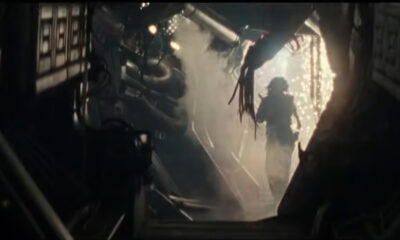
This recalibration is intentional. Modern titles like Alien Isolation, Amnesia and Resident Evil 7 restored the chase dynamic. The player does not win fights; the player survives encounters. That distinction transforms the entire emotional architecture of the experience.
Technology Amplifying Terror
Hardware improvements matter more than many admit. Advanced lighting systems, ray tracing, and spatial audio create environments that feel physically threatening. Shadows behave realistically. Sound comes from precise directions, so a footstep behind the player registers as a genuine warning. These are not cosmetic upgrades; they are fear-delivery systems.
Audio engineering deserves particular attention. The human brain processes sound as a primal survival signal. Horror developers exploit this by layering ambient dread beneath silence, then puncturing it with sudden, directional cues. Virtual reality pushes this further, removing the screen barrier and placing players inside the threat. The immersion multiplies every design decision, making vulnerability feel personal rather than abstract.
Horror As Legitimate Art
The cultural status of horror has changed. Once dismissed as a niche for shock value, the genre now earns critical respect as a serious creative form. This legitimacy attracts talented developers, larger budgets, and ambitious storytelling. The history of horror gaming, traced through decades of evolution in this survey of genre milestones, shows a steady maturation from crude experiments into sophisticated psychological experiences.
Recognition breeds investment. When showcases and industry events dedicate significant airtime to horror, publishers notice. The commercial case is now proven. Horror sells, streams well, and generates community engagement that few genres match. That economic reality fuels further innovation, creating a reinforcing cycle of quality and quantity.
Exploiting Modern Anxieties
The most effective horror reflects real fear. Contemporary developers mine current social anxieties as creative material. Isolation, surveillance, pandemics, technological dependence, and environmental collapse all surface in modern horror narratives. These themes resonate because they are not fictional abstractions; they are amplified versions of genuine concerns.
This relevance gives horror emotional weight beyond cheap scares. A game about isolation lands harder in an era defined by disconnection. A story about losing control over technology feels urgent when daily life depends on systems nobody fully understands. By grounding terror in recognizable truths, designers bypass skepticism and reach the player directly.
The Engagement Factor
Horror thrives in the streaming age. Watching someone react to a terrifying moment is compelling content, and that visibility drives discovery and sales. The genre generates shared experiences, communities, and conversation. This social dimension parallels the energy found around competitive entertainment, where unpredictability and tension keep audiences invested, much like following live action through platforms such as optibet.lt/sport where anticipation defines the appeal.
The unpredictability is key. Just as live competition cannot be fully scripted, strong horror relies on uncertainty. Players never feel safe, never fully master the environment, and never predict the next threat with confidence. That sustained uncertainty is the engine of replayability and discussion.
Design Discipline Returns
The resurgence reflects a return to discipline. Early horror succeeded through constraint: limited resources, fixed camera angles, and deliberate pacing. Many years of genre dilution came from abandoning those principles in favor of accessibility and action. The current wave reverses that drift. Developers now embrace restriction as a feature rather than a flaw.
Pacing has become a weapon again. The best horror alternates tension and release, never letting comfort settle permanently. Quiet stretches build dread; sudden violence releases it, then the cycle restarts. This rhythmic engineering keeps the nervous system engaged, preventing the desensitization that killed older titles.
Conclusion
Horror games are frightening again because the industry relearned its fundamentals. Powerlessness replaced power fantasies. Technology deepened immersion. Cultural respect attracted serious talent. Real anxieties supplied authentic fear. Together, these forces produced a genuine renaissance. The genre no longer coasts on predictable shocks. It engineers dread with precision, respects player intelligence, and delivers experiences that linger long after the screen goes dark, proving fear remains a powerful design objective.