


Headlines
Why Gamers Are Looking For Cinematic Storytelling In Online Worlds


The Big Screen On The Gaming Console
The different genres found within video games are numerous, and together, they create a wonderful pot of new experiences that players can get into and explore. The video game industry has been ever-evolving throughout the years, with designers and developers looking to create that next big hook that attracts players. From graphics to music and new game-play innovations, many elements combine to make the final product.
Another of those important game elements, which now seems to play a major role in the latest releases, is cinematic storytelling. Gaming has evolved far beyond basic pixel bashing, into richly imagined worlds. Helping to guide the play and interactions within them are plots and narratives specifically designed to get players more heavily invested.
Compared to simpler, plotless video games, these rich storytelling elements have grown in prominence throughout the years and are common among top AAA releases. But what is the appeal that lies at the heart of this deeply immersive way to play video games?…
The differences matter
There is, of course, no one way to do things. Different styles of gaming mean that players can not only find plenty of titles in their favourite genre, but it leaves the landscape open for their exploration into different ones when the fancy takes them.
A good example of the importance of variety can be seen at an online casino, where everything from video poker to live dealer blackjack tables and an enormous style range of slots can be found. Reputable, licensed casinos use that variety of gaming options to build their customer base and boost engagement.
However, because casino games deliver instant results, iGaming sessions are typically shorter than video gaming ones, and while some casino slots have basic story plots and themes, it is a world away from the immersive story-based video game genre.
Beyond the basics
It’s always fun to jump into some mindless button-mashing games, but immersive storylines offer a much wider, and usually much longer, playing experience. Video games in this genre introduce well-crafted cutscenes throughout, and these serve as major plot points to take a player deeper into the adventure.
This is a key factor in developing enhanced worldbuilding because the cutscenes deliver more than just an in-game event. They can depict the universe that the player is in in different ways, from the views of the land to unique characters, and it’s a massive, visually impactful way of passively delivering layers of the story.
These cutscenes still have to be done in the right way, because if a game is heavy-handed with them and they happen every 10 minutes of gameplay, that’s going to create an interrupted, frustrating game experience.
Instead, they need to be well-timed to control the narrative to perfectly execute those crucial plot points, sort of like posing a cliffhanger that builds tension at the end of a book’s chapter to sustain engagement into the next one.
Character development and exploration
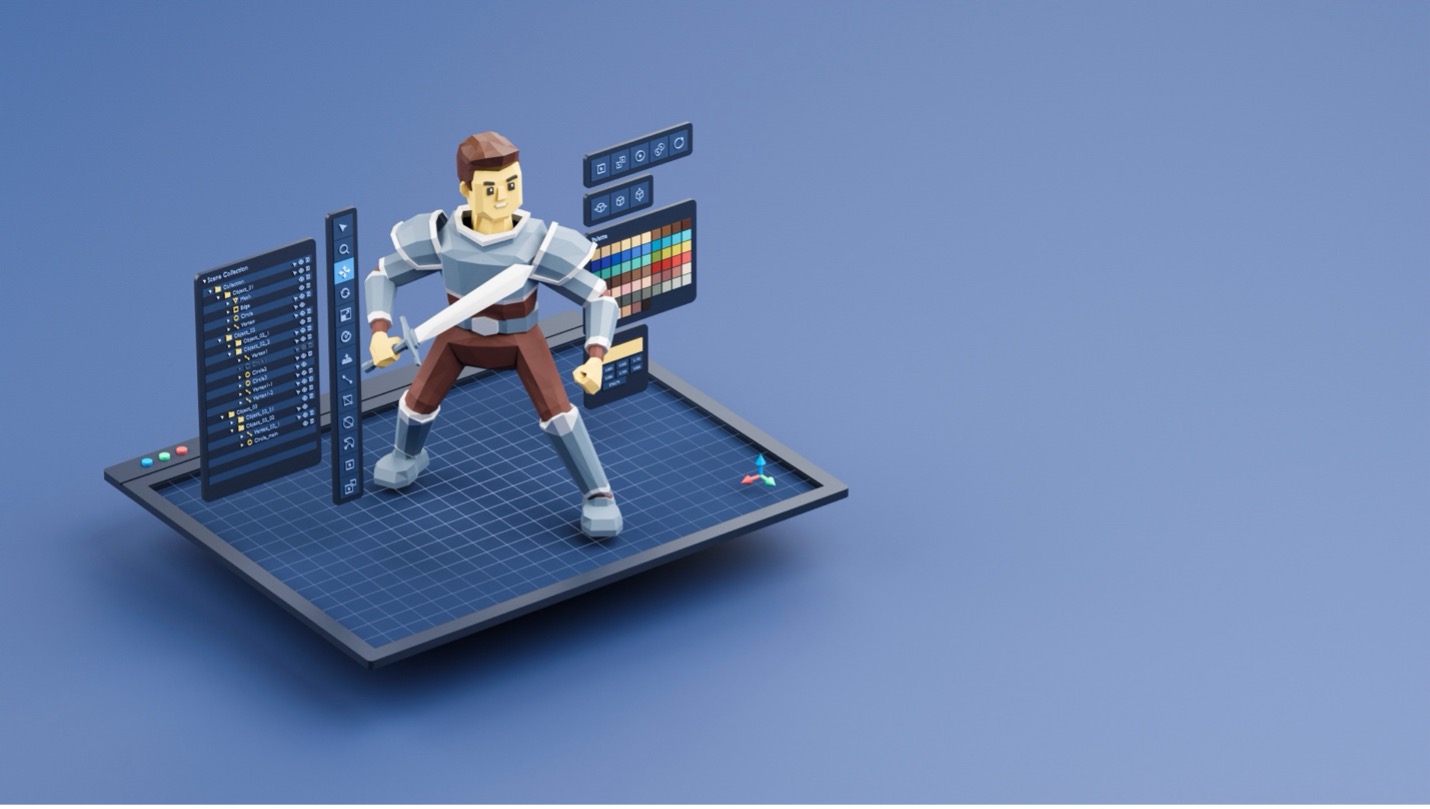
Video games with immersive storytelling also give players the chance to understand and explore the development of characters a lot more. Simply seeing how a character is dressed, their facial features, body language, and depicted emotions can help to forge a strong connection.
Whether that’s a connection of empathy for a character going through a hard time on their quest, or disgust at an antagonist, having visual representations of these things brings a greater level of engagement with those in-game elements.
Professional voice acting also plays a big role in the area of character storytelling. The visuals and dialogue all combine to help players relate to the characters they come across, and this instils a sense of wanting to know what those characters will do, and how they will evolve and impact the plot.
Sharing the experience
There are a lot of MMORPG games that follow the open-world, immersive storytelling format, meaning players can experience a shared story-based game together. With different gamers intertwined into a single adventure, it provides an opportunity for the story to be experienced from different perspectives, for the plot to be discussed, decisions to be collaborated on, and shared achievements to be celebrated.
For a richly nuanced storyline that has led up to a climactic point in a game, something like the point where a group of friends are heading into a big showdown, having the tension amped up by a brilliant, timely cut scene narrative, is a wonderful thing to experience together. It takes the level of immersion far beyond just a battle showdown and makes it just that more epic.
The cinematic storytelling
The cinematic storytelling element is a modern invention in gaming. That’s not to say older games didn’t have stories in them, but due to limited graphic capabilities and machine storage capacities, the cutscenes were choppy and generic.
Modern games now feature something called branching cutscenes, which add layers of uniqueness to the experience. With this, different dialogues are available, but the cutscene that’s shown at a particular point of the journey will be based on what has happened to get there.
That plot point can change the course of character relationships and future decisions, all based on the unique way the story unfolded. This is a very important and understated feature of cinematic storytelling, as having a more personalised experience gives players the feeling of having more agency in the game.
It gives them confirmation that the choices they make are important. With branching storylines, everything becomes specifically relevant to the journey that they are on, and that deepens the immersion.
Purpose driven
Stories give a greater purpose to gaming. They elevate the entire experience far beyond just completing a level, which would be dull and lifeless in comparison, without the unfolding intricacies of a well-crafted plot.
Plot points create markers through the immersive world that can help guide the player and pose challenging decisions for them. Because of them, there’s a greater reason to keep playing, as players become keen to know where things are going next. What is the next big plot twist going to be? What will the gratifying resolution be at the end of the game’s final chapter?
All-in-all, a good purpose-driven storyline adds a tremendous amount of quality to gaming, like cutscenes giving players a bit of breathing space just after an intense epic boss battle, expertly controlling the pacing and rhythm.
Cinematic storytelling raises the stakes for the player in understanding what their mission is and how to complete it. Players go with those integral characters on a long journey and feel a greater sense of accomplishment because of it.













You must be logged in to post a comment.