

Comics News
Tripwire Magazine Plans To Celebrate Forty Years of The Dark Knight Returns and Watchmen. But What Else Happened In 1986?

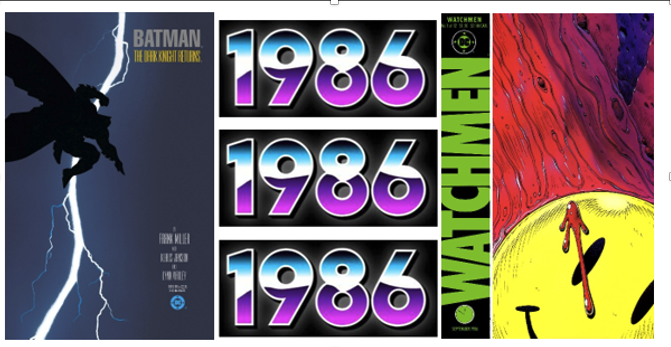
Was it really all FORTY years ago?!
The next print issue of Tripwire magazine is due to be completed, published and in readers’ hands in April of 2026.
Among many other exciting articles, the magazine will feature Scott Braden’s expertly written piece about the legacy of The Dark Knight Returns and Watchmen both of which were released in1986.
With this in mind, Tripwire’s contributing writer Paul N Neal thought it may be interesting to put these two milestones in context. Simply put he suspected it might be fun to see what else was happening in 1986.
Politics and The World
1986 saw the Challenger Space Shuttle disaster, Pixar was founded with the help of entrepreneur Steve Jobs and the Russian nuclear power plant Chernobyl suffered a catastrophic meltdown.
In sport, the English football team experienced the “Hand Of God” courtesy of Argentinian playmaker Diego Maradona, and US President Ronald Reagan met the Soviet leader Mikhail Gorbachev to discuss nuclear disarmament.
In other news, British Prime Minister Margaret Thatcher officially opened the British M25 motorway, and the Voyager 2 space probe became the first man-made object to encounter the planet Uranus on the outskirts of the Solar System.
All the while, many may remember 1986 fondly for the opportunity to see Halley’s Comet in the night sky, an event that will not occur again until the summer of 2061.
Music
In music, Freddie Mercury performed with Queen for the very last time at Knebworth Park, Madonna’s Papa Don’t Preach topped the charts in numerous countries, and the band Berlin won the Academy Award for Best Original song with Take My Breathe Away because of the Tom Cruise blockbuster Top Gun.
The Interesting Stuff
Beyond the fascinating politics, or the music of 1986, it is far more enjoyable to consider the movies, tv shows and the OTHER comics that people enjoyed during the heady days of 1986. So, here for your consideration is a Top Ten that celebrates all that was cool about 1986.
10. ALF
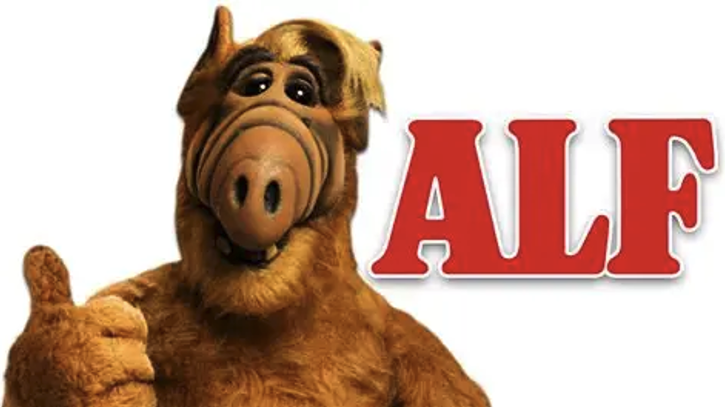
ALF (Alien Life Form) was an American sitcom that was broadcast by NBC in America and the children’s morning programming block CITV on ITV in the UK. The first episode aired in America on 22 September 1986.
The series told the story of ALF, a refugee from the planet Melmac who is taken in by Willie Tanner and his young family.
ALF was extremely successful and ran for four years with a total of one hundred episodes. It is still available to purchase on DVD and can also be found on demand from Amazon and Apple’s streaming services depending on your location.
- Marvel Comics New Universe
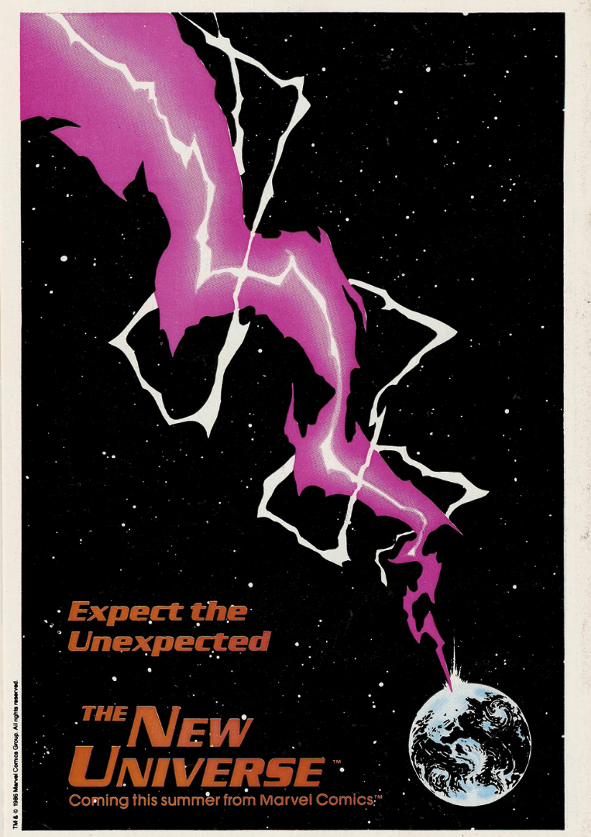
The New Universe was a bold new imprint of titles and characters created by Marvel Comics that began in 1986. This was an ambitious project that was famously the brainchild of Marvel’s Jim Shooter. Part of the idea was that it endeavoured to capitalise on Marvel’s 25th anniversary. Spearheaded by the title Star Brand, the New Universe proved to be a failure.
Despite Marvel’s ongoing efforts to reignite enthusiasm for some of the characters involved it is likely the New Universe will forever be remembered as a brave, and albeit fascinating, failed experiment. The first and only significant incarnation of the imprint became defunct only three short years later in 1989.
- The Fly
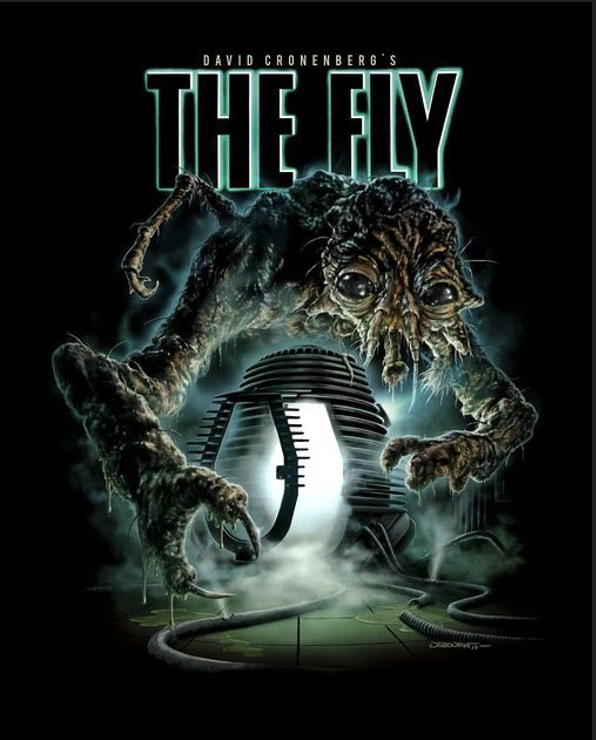
The Fly was a 1986 science fiction body horror movie co-written and directed by David Cronenberg, which itself was a very loose remake of the 1958 film of the same name. It is now regarded as an artistic triumph, not only was it critically and commercially successful at the time of release it is still loved and respected to this day for its award-winning make-up and performances.
For many film fans, it would also likely have been the first time seeing future stars Jeff Goldblum and Geena Davis on the big screen.
- Doctor Who: The Trial of a Time Lord
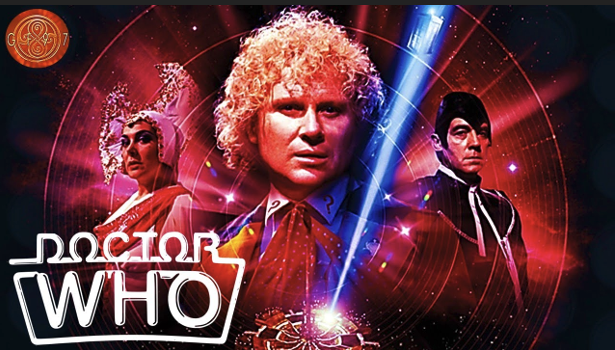
The 23rd season of the first era of Doctor Who was broadcast during the Autumn of 1986. It starred Colin Baker as The Doctor and Nicola Bryant and Bonnie Langford as his time travelling companions. Consisting of fourteen episodes, it technically became the longest running serial in the series history, but behind the scenes it suffered from a whole host of production issues.
Ultimately it resulted in Baker’s dismissal from the role, and while it may be looked upon kindly by a handful of loyal fans, for the majority it was a year that began to show the cracks in the programme’s previously impenetrable armour. Eventually, all bar an ill-judged TV movie in 1996, the Doctor was banished to the television wilderness in 1989 only to finally regenerate in 2005.
- Dark Horse Presents # 1
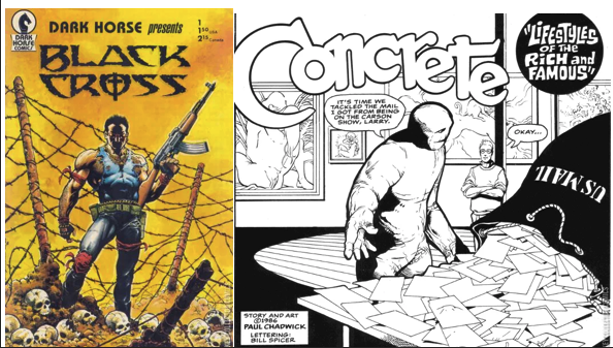
The Publication of Dark Horse Presents issue 1 in July of 1986 is still a watershed moment in the history of comics and certainly creator rights. While the comic itself introduced Chris Warner’s Black Cross and Paul Chadwick’s highly acclaimed character Concrete, it is the legacy of this single comic that must be recognised.
This very first comic from Mike Richardson’s fledgling publisher founded in Milwaukie, Oregon led to so much more. In the forty years since then, the publisher has gone on to print a plethora of break-out titles. From licensed properties such as Aliens, Terminator, Predator, and several ongoing Star Wars series, Dark Horse is likely most respected for its incredible library of titles from independent creators.
An exhaustive list is almost impossible, but highlights of Dark Horse’s output include Frank Miller’s Sin City and 300, Mike Mignola’s Hellboy, Madman, Roachmill and Usagi Yojimo to name only a small handful.
Fundamentally however Dark Horse’s most significant impact on the comic industry may be introducing Western audiences for the first time to an astonishing number of Manga titles. These include Blade of the Immortal, Oh My Goddess! and Ghost in the Shell.
For all these reasons, Dark Horse Comics Presents # 1 remains a truly landmark comic book.
- ALIENS
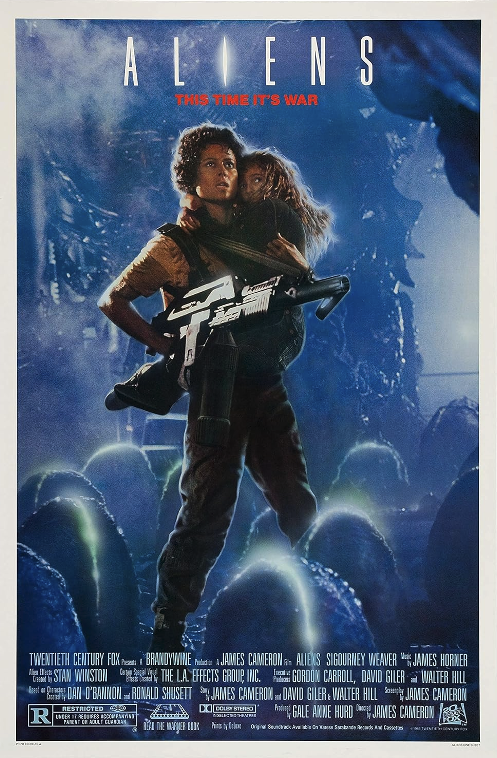
James Cameron’s Aliens, a sequel to Ridley Scott’s creepy and gory 1979 haunted house in space classic Alien, was a bombastic in your face powerhouse lesson in what it means to push the filmmaking envelope.
Much of the subtle atmosphere of Scott’s original was jettisoned out of a metaphorical airlock only to be replaced with a darker colour scene, the constant echo of high-calibre gunfire, and a frantic pace normally associated with the Vietnam war movies of the era rather than scary space-based science fiction yarns.
Aside from proving once and for all 20th Century Fox had a viable film franchise on their hands, and likely cementing Sigourney Weaver’s place in film history, it represented something far more important.
Without the success of Aliens, it is exceptionally unlikely in later years moviegoers would go onto enjoy Cameron’s further successes. The Abyss and Terminator 2: Judgment Day were largely applauded and loved, yet despite remarkable box office numbers, Titanic, and the director’s three Avatar movies really do seem to divide opinion.
4. Star Trek: The Voyage Home
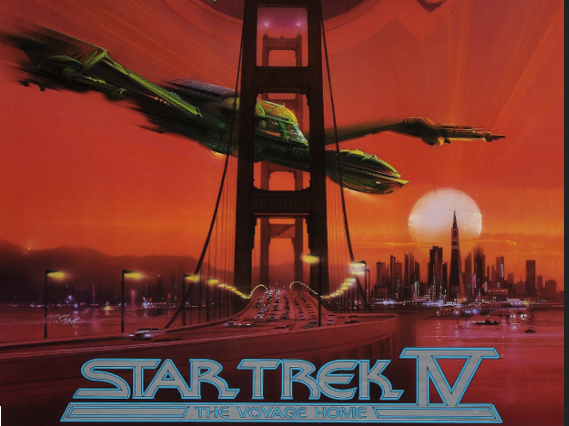
The time-travelling antics of The USS Enterprise crew in The Voyage Home was the fourth cinema outing for the hugely popular Star Trek franchise. Leonard Nimoy was in the director’s chair for the second time, and the film was released in North America during the 1986 Thanksgiving weekend.
While reboot movies such as Star Trek Into Darkness may have been the highest grossing Trek movie (however opinion varies once ticket sale prices are adjusted for inflation) The Voyage Home remains the series greatest success in widespread audience appeal.
Putting to one side the storytelling conceit and convenience that Captain Kirk and his crew just so happened to need to travel to 1986 (the same year the film was produced and released), AND the frankly absurd notion that the fate of the Federation and the human race hinged on rescuing a pair of humpback whales and returning them to the future, it is still a shining example of how to make a science fiction film that could be honestly popular with a family audience.
Many of the film’s most joyous scenes can still make us smile 40 years later: from Spock administering a Vulcan nerve pinch to an unruly and colourful passenger loudly playing his music with a boombox (it would be a mobile phone these days) on a San Francisco bus, to the crowd-pleasing confrontation with a whaling ship. As it turns out, a great deal of observers credit this scene, and the film in general, for helping to genuinely assist with the ongoing fight against whaling and raising awareness about the dwindling humpback whale population at the time.
The film’s fish out of water tone (pun intended) was infectious and came alongside 1986’s thematically similar comedy Crocodile Dundee, after all who could forget Walter Koenig’s character Chekov enquiring in his trademark Russian accent where he might be able to find some nuclear wessels.
The film was dedicated to the lives of Space Shuttle Challenger crew who tragically died earlier that year.
Finally, it is also worth remembering 2026 is a milestone year for Star Trek, marking 60 years since its very first television debut.
- Marvel Comics: X-Men Mutant Massacre Crossover
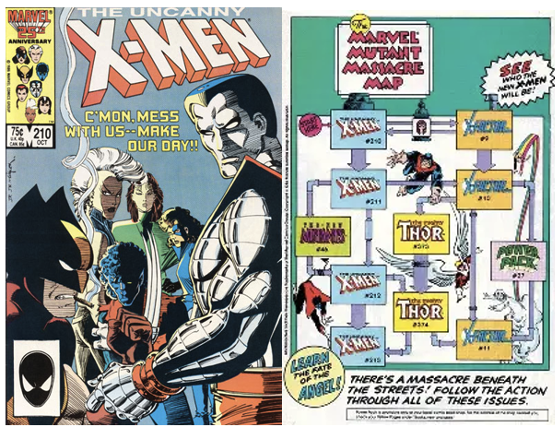
The “Mutant Massacre” was an important 1986 Marvel Comics crossover storyline. It came only a year or so after Marvel’s first Secret Wars series and DC Comics equally important Crisis On Infinite Earths. Both of these series had been remarkably successful, and at the time, the X-Men titles were already becoming popular but Mutant Massacre was Marvel’s way of testing the waters to discover what giddy heights their burgeoning new line of titles could reach.
It primarily involved the superhero teams X-Men and X-Factor (featuring the original five X-Men), but there were also tie in issues from titles like Thor, New Mutants, Power Pack and even Daredevil although at the time it was never included as an official part of the storyline. (More about the Man Without Fear later!)
Put simply, the story depicts a massacre of a group of mutants called The Morlocks that hid in the subways of New York who were attacked by Mister Sinister’s group of assassins, The Marauders. The X-Men, X-Factor and even the young members of Power Pack attempt to help.
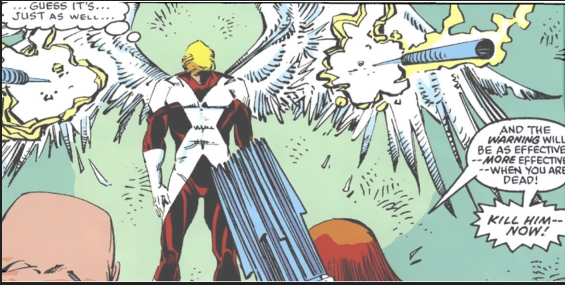
After the battle, it resulted in the X-Men coming off the worse for wear, with founding X-Men member Warren Worthington III (aka Angel) seemingly crucified, losing his feathered angelic wings only to return a few issues later with a far darker attitude and a brand-new set of shiny and very deadly razor-sharp replacements.
This is an example of how comics began a tendency towards a bleaker approach to storytelling that would become popular in the comics of the late 1980s and would only continue to evolve into more and more over the top ideas in the 1990s.
The crossover proved to be a tremendous hit, it prompted a significant bump in sales and laid the groundwork for Marvel to create a mutant crossover every summer for several years with events like Fall of The Mutants, Inferno, Age Of Apocalypse and many more.
Mutant Massacre was fundamentally significant. If these few issues had not captured the imagination of fans at the time, and the X-Men had not started to truly begin their meteoric rise in popularity during 1986 who is to say if the world would have ever come to enjoy Hugh Jackman’s portrayal of Wolverine in copious X-Men movies, or even if the careers of artists like Jim Lee or Rob Liefeld would have taken the same path and led them to becoming two of the founders of Image Comics?
- DC Comics – The Man Of Steel
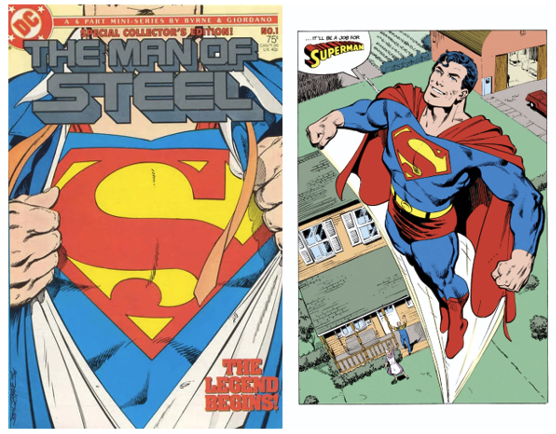
The Man of Steel was a 1986 limited series that entirely rebooted DC Comics’ flagship character Superman for a new generation. It was written and drawn by John Byrne and inked by comics veteran Dick Giordano. In six issues it retold the story of Superman’s origin for a modern audience in the wake of DC’s Crisis On Infinite Earths.
Alan Moore and Dave Gibbons may have been creating their own slightly colder version of an all-powerful superhero in the form of Doctor Manhattan in the pages of Watchmen, but John Byrne practically recreated the original caped crusader from the ground up. His story was full of warmth, morality, sincerity and a sense of hope. It was the desperately needed shot in the arm the character required at just the right time.
A great deal has already been written about Byrne’s departure from Marvel Comics and his move to DC Comics. While celebrating these comics from 1986, it would potentially be possible to still be discussing everything that occurred behind the scenes until 2086, except to say Byrne went above and beyond in fulfilling his brief.
The impact of some of the creative decisions Byrne made in 1986 were felt for years to come in a wealth of subsequent comics but also in Superman: The Aminated Series, the live actions series Lois and Clark: The New Adventures of Superman, and the popular series Smallville.
While a little darker in tone, it is possible to sense Byrne’s influence on Clark Kent’s family dynamics during Zack Snyder’s 2013 film titled appropriately Man Of Steel, and in places Byrne’s fingerprints can be felt in the slightly gentler and kinder hero seen in James Gunn’s 2025 film Superman.
Forty years later, these six comics still resonate loud and clear.
- Marvel Comics. Daredevil: Born Again
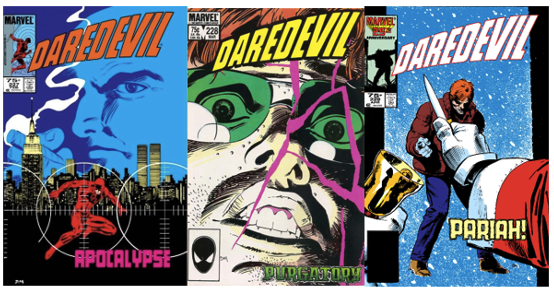
Anyone with even a passing familiarity with American superhero comic books should be familiar with Daredevil: Born Again. For the uninitiated, it was a creative epic that deconstructed Matt Murdoch (Daredevil) over seven sublime monthly comic books. Specifically, these were Daredevil #227-233 all of which were published during 1986.
Much is said about how great comics are formed by a successful collaborative process where a writer and an artist both need to be at the top of their game at the same time, if that is true these seven comics make that point abundantly clear.
Incredible comics need to marry storytelling and spectacle in equal measure and with Born Again, writer Frank Miller and artist David Mazzucchelli accomplished precisely that.
The story itself details Daredevil’s descent into madness and poverty at the hands of Marvel’s ultimate New York gangster, The Kingpin. The suspense is born from the title character’s fall from grace, and his efforts to rise above it all to try to rebuild his life.
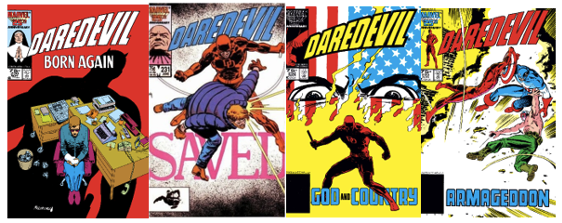
What makes Born again all the more impressive is the fact it came out in the same year as Fank Miller’s The Dark Knight Returns. A solid argument could be made for the fact that Born Again is actually a superior work.
While all of Miller’s efforts revitalising Batman were hugely celebrated, in many ways Born Again reads as a much more human, down to Earth and almost believable story.
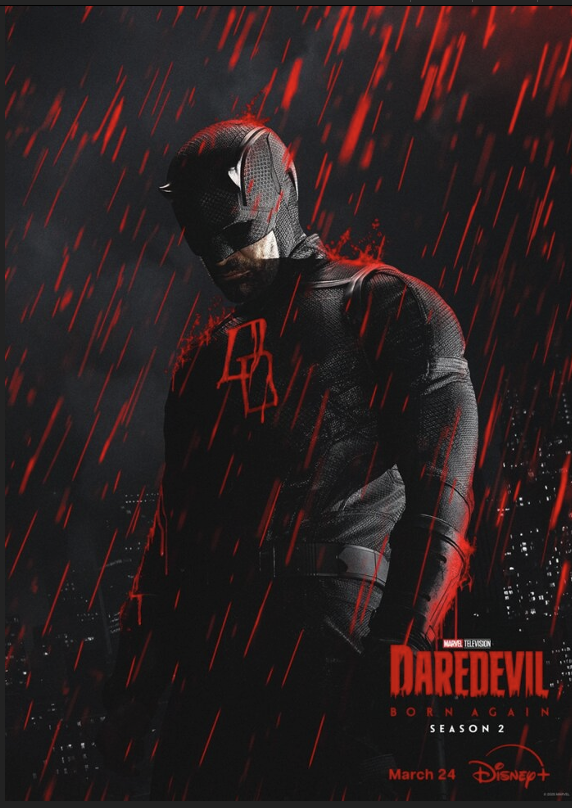
It is also worth noting that reasonably shortly (at the time of writing) Season Two of Daredevil Born Again will soon be available to enjoy on Disney Plus. While the storylines may not be precisely the same and some elements were already covered during the popular Netflix series the fact the story still has an impact forty years later is truly astonishing.
Final Notes
Some might feel one further comic storyline is missing from our top ten here. Indeed, no mention of the Avengers Under Siege story from 1986 may feel like a glaring omission. Please rest assured we have plans to cover this pivotal story later this year.
Tripwire also appreciates any top ten may create discussion. Wherever you read our article, sensible and polite online comments are always more than welcome.
Surely though we can all agree: 1986 was a great year!
The issue of Tripwire is still available to order from here
https://www.lunardistribution.com/home/search?term=Tripwire+Spring+2026









You must be logged in to post a comment.