

Comics News
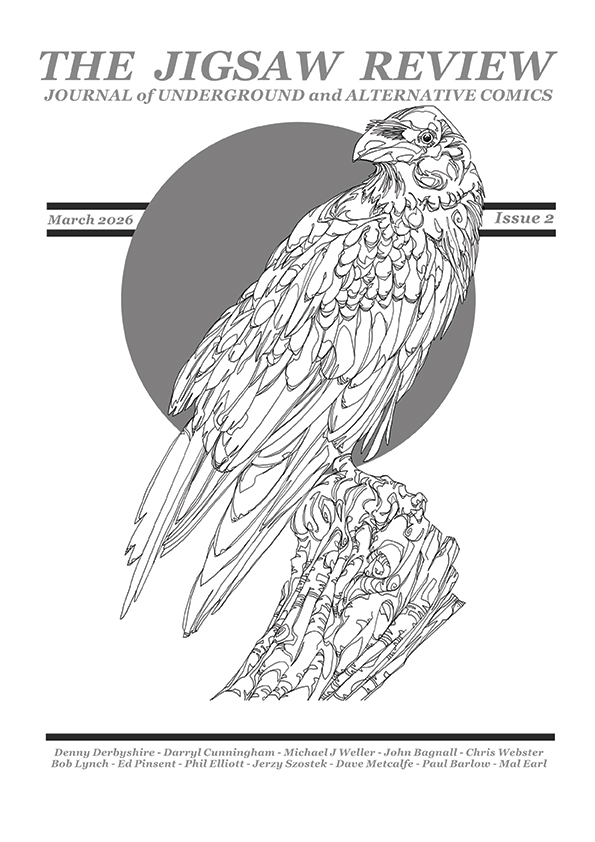
Tripwire Reviews Mal Earl’s The Jigsaw Review Issue#2

Pieces Of An Independent Puzzle
Tripwire’s contributing writer Tim Hayes takes a look at Mal Earl’s The Jigsaw Review issue #2 out now…
The Jigsaw Review#2
writers: various
artists: various
The second issue of Mal Earl’s anthology series reprinting UK indie and small press comics carries on from where issue #1 left off – in some cases exactly. Seven of the ten solo creators or creative teams in the new issue were featured in the first volume, and a handful of returning characters continue their adventures and misadventures, comic or serious as the case may be. The mission of the overall series is unchanged: collect material from past UK black & white indie and small press comics, as a reminder of the vitality of that sector at the time and a contrast to more timid material circulating around the pipes of the mainstream right now.
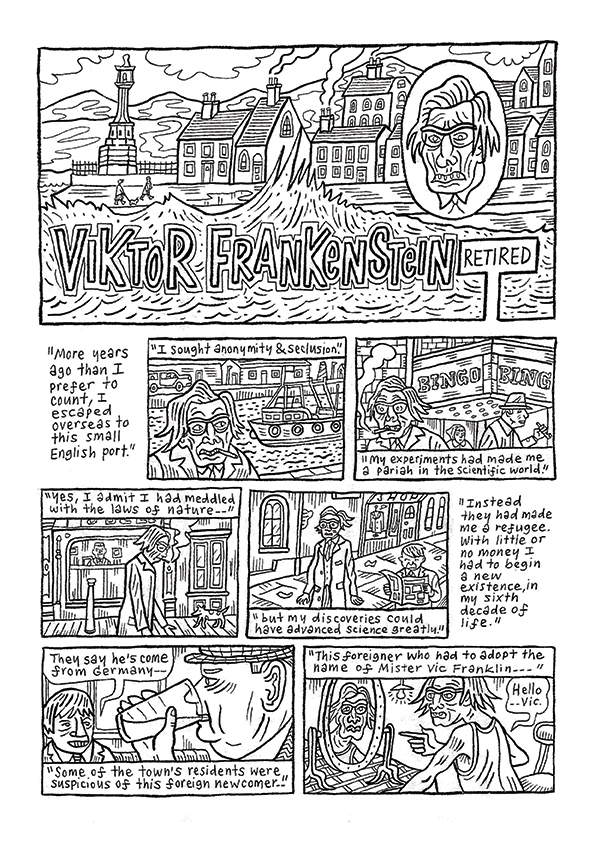
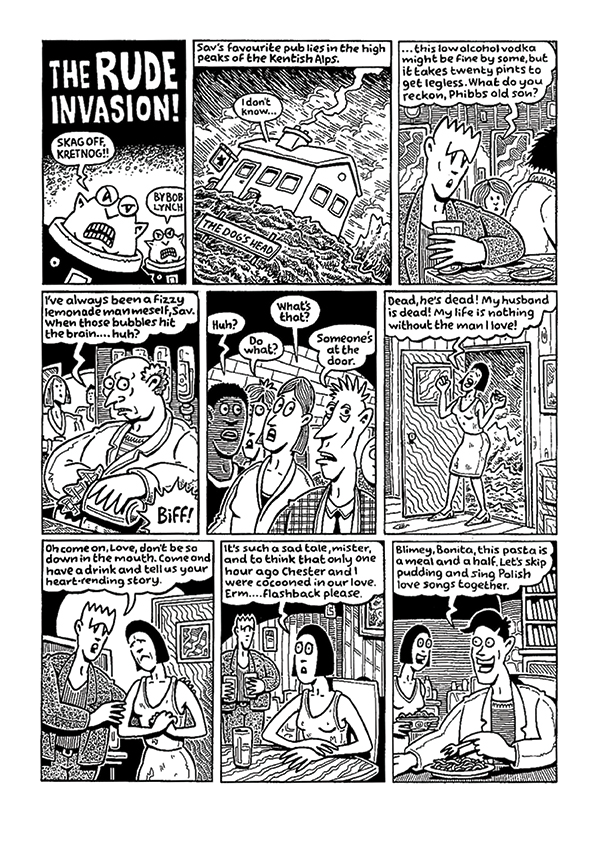
Returners include Chris Webster, whose Wormwood from 1997 involves a corpulent porn actor and a plastic surgeon and an orbiting space station and leaving the bees as the new hosts of the Earth, a splintering narrative in Webster’s unsettling and twisting lines, a skittish twitching atmosphere of fleshy unease. Dusty Sideboard is from the other side of the thematic sun, being some further droll vignettes from John Bagnall, woodcuts from a Britain where music comes on vinyl and colour television may arrive at any moment. Bob Lynch continues the absurdist travails of Sav Sadness from issue one with more Tales of Sadness, Sav still bearing a loose resemblance to Gary Panter’s Jimbo and blithely keeping his bearings in a loopy modernist world, this time adopting a dinosaur child and accidentally becoming a nuclear superpower.
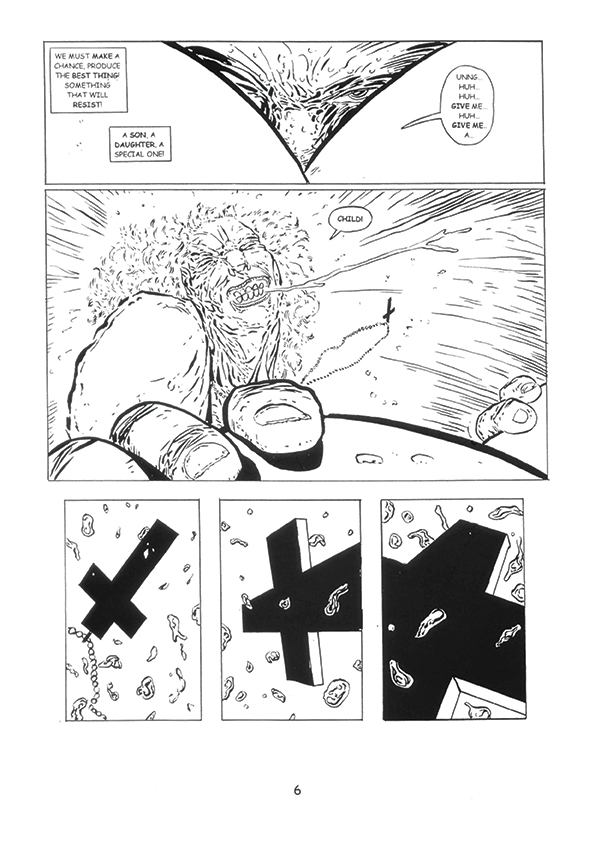
New artists to the series include Jerzy Szostek, whose Human Soup dates from 1981, the oldest material in this issue, with wordplay and scatological jokes laid over dark 1980s Cold War tensions of nuclear apocalypse. Michael J Weller ‘s Space Opera is from 1997 and looks like a reaction to the state of American superhero comics at the time, tying the genre into self-reflexive knots. Partly the story of Britain’s stab at a Fantastic Four-adjacent comic called “The Cosmic Squad,” partly a record of an attempt to make a film out of this IP, partly a metaphysical mechanism about Heaven and Hell, Space Opera‘s drawings look like 1960s pop art processed through a modernist milling machine. Some pages have 24 tiny panels, while the speech balloons of angels are caked in heavy mystic cross-hatching, impenetrable.
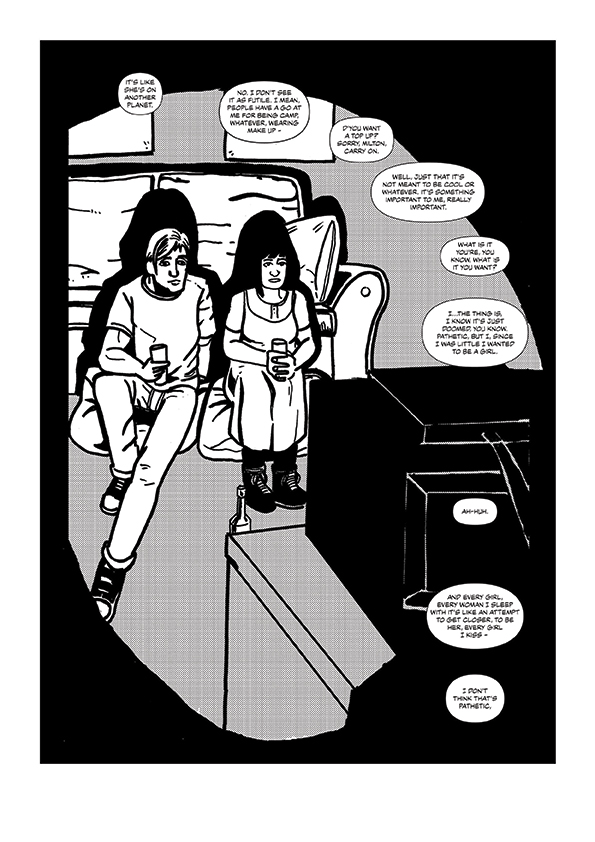

Space Opera easily clears the bar Mal Earl sets in his introduction, when he calls the work in Jigsaw Review self-expression in personal voices by artists thinking about creativity rather than monetary profit. He also points out that the original materials were often fragile A5 photocopies; presenting them here on A4 paper with decent reproduction is a break with the attractively ramshackle aura of the small press, but gives the strips something of a Treasury Edition promotion. And Earl mentions that although there are still huge seams of UK small press material left to mine, there may well be only one further volume of The Jigsaw Review after this, due to the time and effort involved in this particular archaeological expedition. The effort is certainly worth it.

order it here online













You must be logged in to post a comment.