
Feature
The Art Of Movie Special Effects

The Magic Behind Movie Masterpieces
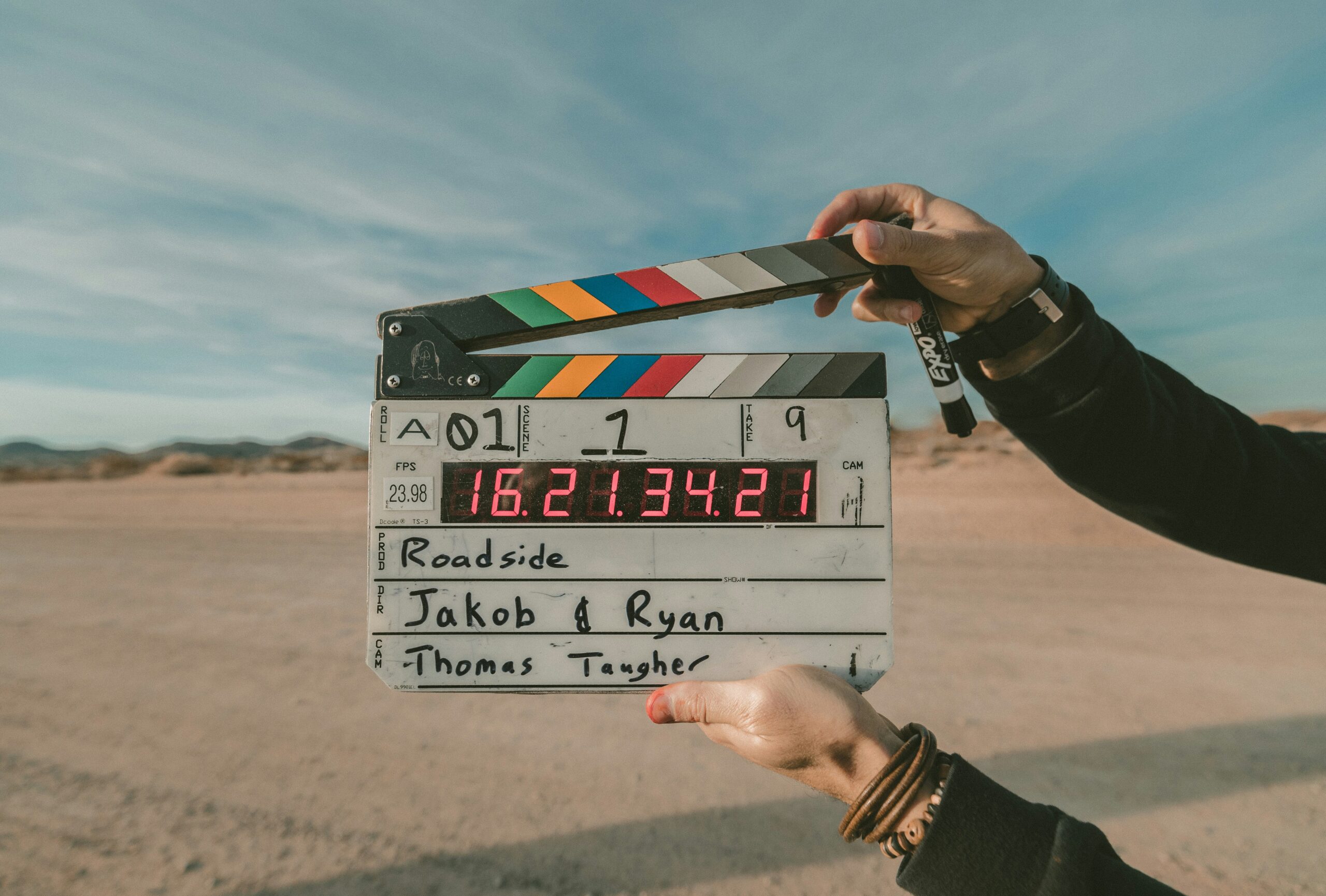
Movies have the unique ability to transport audiences to different worlds, times, and realities. While compelling storytelling and strong performances are key components, special effects play an essential role in creating these immersive experiences. From the early days of cinema to the cutting-edge technology of today, special effects have continuously evolved, transforming the way we experience films.
Beyond the realm of movies, these visual innovations have also influenced other entertainment sectors, including online gaming. Platforms like UK online bingo and Steam have integrated advanced visual effects, enhancing the gaming experience with lifelike animations and immersive graphics.
The stunning visuals in modern games owe much to the techniques pioneered in cinema, showing how special effects continue to push the limits of digital entertainment, creating not just engaging films, but also captivating gaming environments that hold players’ attention for hours…
The Evolution of Special Effects
The history of special effects can be traced back to the late 1800s, where filmmakers like Georges Méliès pioneered techniques that would shape the future of cinema. Méliès’ 1902 film A Trip to the Moon is proof of his innovation, using double exposure and stop-motion to create stunning illusions that still inspire today’s filmmakers.
Moving into the 20th century, the original King Kong (1933) introduced audiences to stop-motion animation, turning a 50-foot gorilla into a believable monster. In the 1970s, the release of Star Wars changed visual effects with its groundbreaking use of models, matte paintings, and computer-controlled cameras.
The industry changed again in the 1980s with Blade Runner (1982), which set new benchmarks with its intricate cityscape miniatures and use of cutting-edge visual techniques. These examples showcase not just technical progression but a deepening collaboration between artistry and technology.
Digital Revolution & CGI
The late 20th century heralded a new era in special effects with the introduction of computer-generated imagery (CGI), forever transforming the outlook of filmmaking. Films like Terminator 2: Judgment Day (1991) marked a turning point, with the liquid metal antagonist T-1000 demonstrating what CGI could accomplish.
Similarly, Jurassic Park (1993) flawlessly blended CGI with animatronics to create living, breathing dinosaurs that felt strikingly real. These films opened doors to a new world of digital possibilities, and CGI quickly became integral to blockbuster filmmaking. The Matrix (1999) further changed CGI with its iconic “bullet-dodging” effect. As CGI continues to advance, films like Avatar (2009) and Avengers: Endgame (2019) have proven that the only limits are the imaginations of filmmakers.
Practical Effects: Still Relevant
Despite the rapid rise of CGI, practical effects have retained their importance, bringing a tangible sense of realism to the screen. Directors like Christopher Nolan famously favour practical effects in films like Inception (2010) and Dunkirk (2017), using real explosions, sets, and models to ground their stories in reality. Practical effects often provide a level of detail and authenticity that can be hard to replicate digitally, offering audiences a more visceral experience.
Mad Max: Fury Road (2015) is another standout example, combining live-action stunts and real-world pyrotechnics with CGI, making the film’s chaotic desert landscapes and action sequences feel intensely real. This hybrid approach, mixing practical effects with digital enhancements, creates a perfect balance that gives movies an organic yet fantastical feel, reminding us that even in a digital age, physical craftsmanship still holds power.
The Future of Special Effects
The future of special effects promises exciting advancements, with new technologies like virtual reality (VR), augmented reality (AR), and artificial intelligence (AI) poised to transform the industry. VR and AR are already being explored for interactive storytelling, allowing audiences to step into immersive worlds rather than just watch them unfold.
AI, meanwhile, is beginning to play a role in automating complex visual effects processes, helping filmmakers create more intricate simulations and visual sequences faster and more efficiently. AI can now generate realistic landscapes and animate digital characters with lifelike precision, as seen in experimental projects from studios like Disney and Lucasfilm.