

Book News
Stevyn Colgan Talks Cockerings

Welcome To The Three-Ring Circus
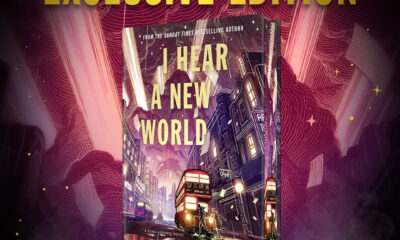
Author Stevyn Colgan has just published his latest book, Cockerings, and here he is talking about it to Tripwire’s editor-in-chief Joel Meadows…
TRIPWIRE: What was the genesis of Cockerings?
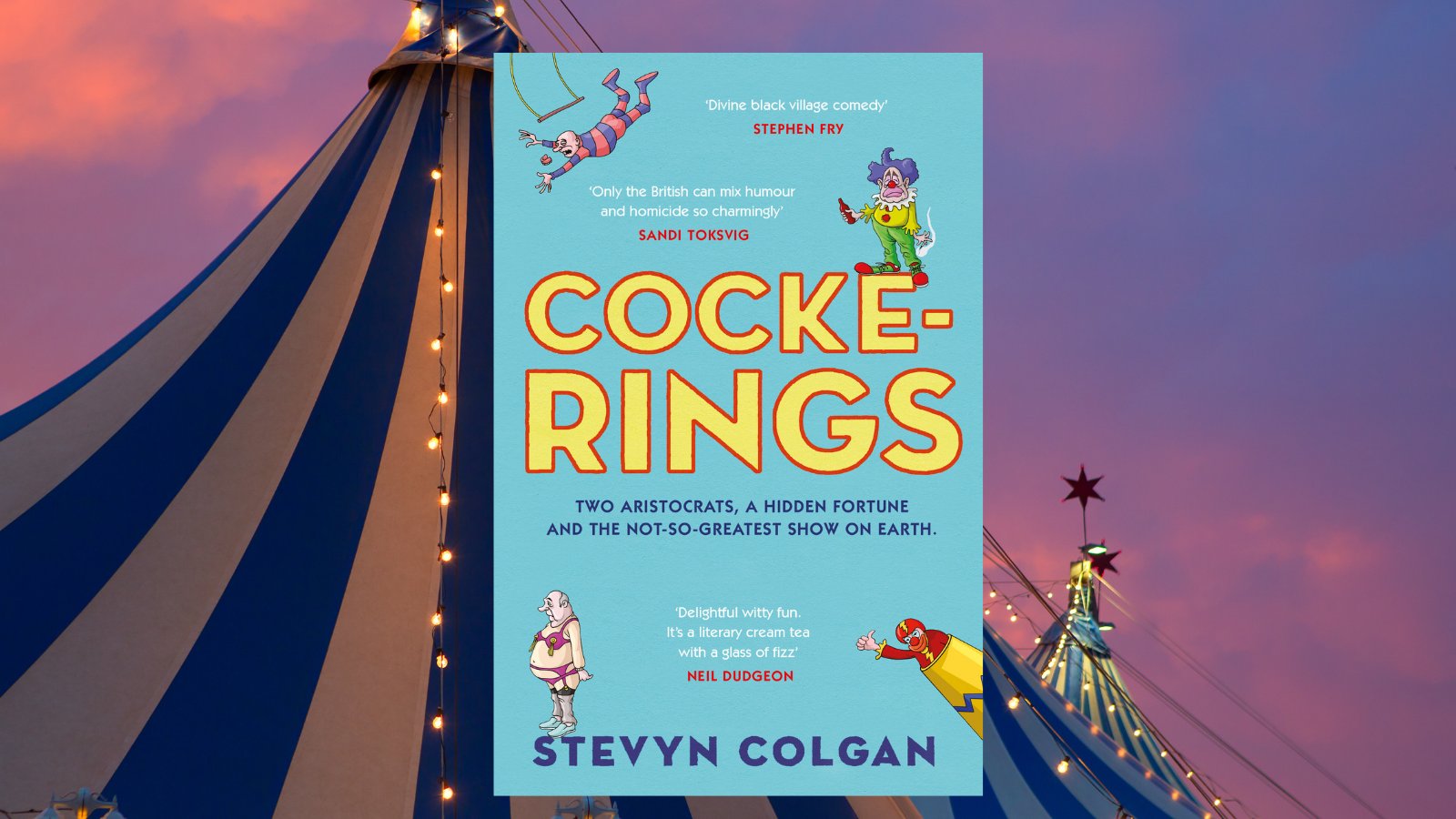
STEVYN COLGAN: Back in the early 1990s I worked at Hendon Police College and one of my responsibilities was writing exams. These included mock promotion questions for prospective new sergeants and inspectors to practice on before they faced the real thing. Each question presented them with a policing situation and they would then have to prove their mettle by identifying which, if any, offences were being committed and by describing what course(s) of action they would take. We wrote a new exam, once a month, for several years but then responsibility was taken over by the Home Office. So Chris and I decided to go out with a bang. For our swansong, we created the maddest, most ridiculous scenario ever. It involved a geriatric circus, a catastrophic fire, drunk clowns, a troupe of aged trapeze artists, escaped tigers, an incontinent elephant and so much more. The promotion candidates loved it. And, afterwards, I realised that the idea of a geriatric circus was just too good to throw away. Coincidentally, I then discovered the marionettes of the British puppet maker Stan Parker (1926-2004). The characters who performed in his Stanelli’s Super Circus were wonderfully eccentric and many looked quite old. They became a secondary source of inspiration for me and I began writing. I already had the bones of a novel involving a spat between aristocratic siblings – throwing the circus into the mix just brought the whole thing together.

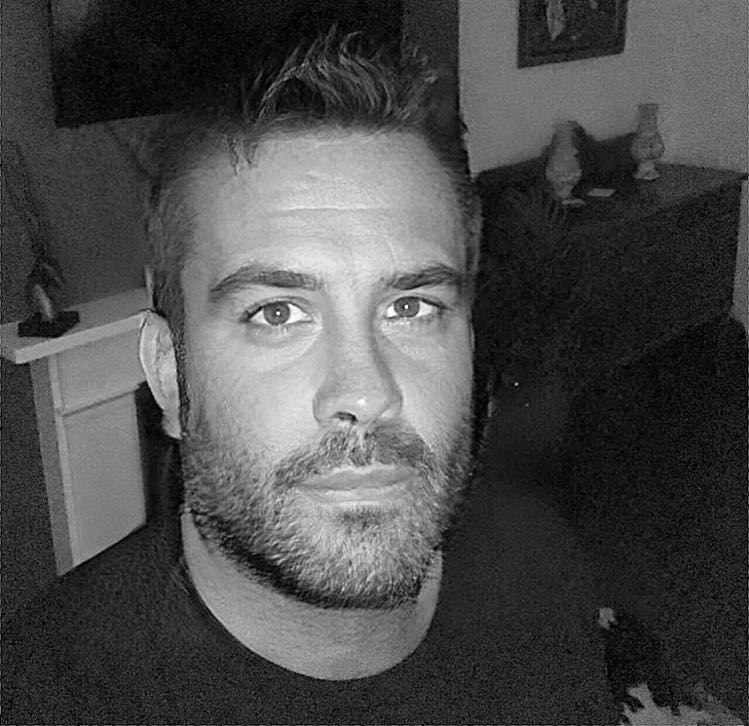
Stevyn Colgan photo©Sarah Carr
TW: This is your third novel. Was it easier to write a novel on the third occasion?
SC: That’s a yes and a no. I actually wrote this book before A Murder To Die For and The Diabolical Club. As I said earlier, it started to come to life back in the 90s. I’d had several non-fiction books published from 2008 to 2017 and I fancied branching out into fiction. So I pitched Cockerings to my agent. I also explained that I had a series planned, all set in the same bubble universe. His advice – excellent as it happens – was to do A Murder To Die For first as murder mystery is an easier genre to get noticed in than straight comedy. It did okay so then we released The Diabolical Club, which had to be Book 2 because it picked up some strands from Murder. Cockerings had to bide its time. But no, I didn’t find the third novel any easier or harder than the first. But maybe that’s because I’ve been writing novels since I was 17 (I’m 60 now) and I have over a dozen unpublished books sitting on my hard drive. Like any skill, practice makes you better at doing something and it took a while before I finally felt that my books were good enough to be released.
TW: Can you describe the book in one pithy sentence?
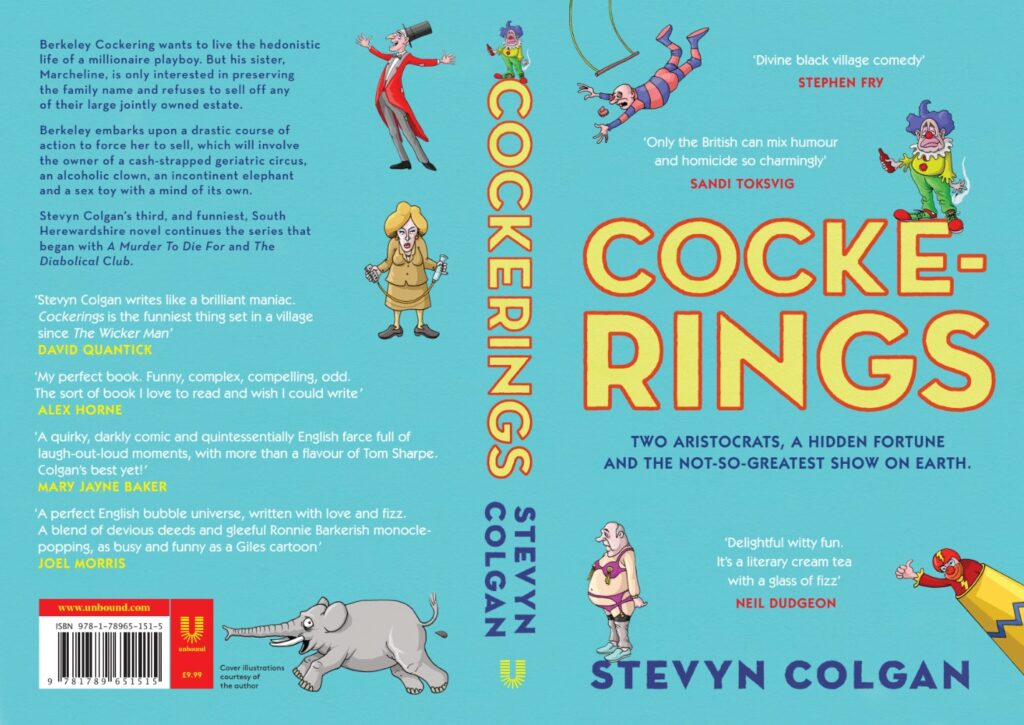
SC: Two squabbling aristocrats, one hidden fortune and the not-so-greatest show on Earth.
TW: You spent thirty years in the police force. How useful was that experience with your writing?
SC: It certainly gave me a wealth of stories and characters to play with! As a police officer you encounter situations that most people never will. But more importantly, the job gave me the confidence to be able to approach and speak to anyone – from a homeless guy to royalty. That has made it easier to do research, to interview people, to wheedle out their stories and to be a bit more pushy when it comes to marketing and getting noticed. It also means that I’m very comfortable in front of audiences at things like book signings, writers groups and festivals.
TW: What was it about Unbound again that made it the place to publish Cockerings?
SC: They did a great job with the first two books so finishing off the trilogy with Unbound seemed logical and only right. There is also the fact that traditional publishers have a downer on comedy these days. After the deaths of people like Douglas Adams, Tom Sharpe, Sue Townsend, Terry Pratchett etc. there was a comic void left behind that, unfortunately, coincided with publishing going through a major crisis of confidence. E-books had come along, online shops like Amazon started to dominate, the supermarkets would only sell books by well-known names and we lost book chains like Ottakar’s, Books etc., Dillons and more. Publishers panicked and looked to celebrity books to keep them afloat. But celebs cost money and this had the effect of draining away all the money that was once used to give authors a decent advance. We’re now locked into a situation where publishers are pretty much only taking on ‘dead certs’ by people with an existing fan following and 5% of authors are earning 95% of all the money. Most jobbing writers earn less than the minimum wage and have to hold down a ‘day job’ to stay solvent. That’s why Unbound was created – to put the power to choose what gets published back into the hands of readers by asking them to pre-order and pay for a book’s production in advance. In every other way it is a traditional publishing house – it’s just not controlled by the accountants.
TW: What was the biggest influence on this particular novel?
SC: I’m standing on the shoulders of giants here. I love British comedy films from the 1950s and 1960s – not just those from Ealing Studios, but British Lion, Bryanston, London Films, Eros, Anglo Amalgamated, Mario Zampi etc. There are hundreds of them and they are, for the most part, funny, charming and beautifully written. Did you know that T E B ‘Tibby’ Clarke won the 1952 Academy Award for best screenplay for The Lavender Hill Mob? That’s something very few British writers – let alone comedy writers – have ever achieved. And he was previously nominated in 1949 for Passport to Pimlico. Then, in 1956, William Rose was nominated for The Ladykillers. They may have been comedy films but they were Oscar-worthy British comedy films and they didn’t have to be edgy, or bloodthirsty, or stuffed full of digital effects or fart gags to please an audience. They just had to be good stories, made well and acted brilliantly. They also had an underlying morality – no matter how much you rooted for the bad guys, they never quite got away with it. The Italian Job is the perfect example of this. That same moral code is why Peter Sellers and his gang lose the proceeds of their heist in Two Way Stretch, why Basil Fawlty’s attempts to out-snob everyone always result in him falling on his arse, and why there’s that delicious twist in the final minute of Kind Hearts and Coronets. Justice is always served: the pompous get pricked, the wicked get punished, the unlikely love story is consummated and, of course, the underdog always comes out on top. Tom Sharpe was a big influence on me too – I have never laughed so much when reading a book as I did with novels like Wilt, The Throwback and The Great Pursuit. I would not be lying if I said that I am trying to write 21st century Ealing Comedies that occasionally employ the same biting and occasionally savage wit that Sharpe used.
TW: How hard is it to write and market a comedy novel these days?
SC: Honestly? Next to impossible unless you’re a celebrity. The comedy books have all vanished. A couple of years back they couldn’t award the annual Wodehouse Prize because they couldn’t find a comedy novel to award it to. That’s tragic. We have a fantastic tradition of British comic writing going back to Jerome K Jerome and the Grossmith brothers, P G Wodehouse, Stella Gibbons, Compton Mackenzie, George MacDonald Fraser, John Mortimer, Stephen Potter, Evelyn Waugh, right through to Helen Fielding, David Nobbs, Michael Frayn … the list is enormous. But where are all of our great comedies now? There are some very funny books in women’s fiction by the likes of Mary Jayne Baker, Sophie Kinsella etc. and a few die-hards like John Niven are still pumping out some cracking reads. But they’re few and far between. With my books I’m trying, in some small way, to redress that issue. And I’m hoping Richard Osman’s phenomenal success helps to kickstart things again. Just because you’re a celeb doesn’t mean you can write a comic novel but Richard is a shining example of someone who can. However, his success is also a snapshot of where the publishing industry is today. When my agent pitched A Murder To Die For, the replies he got back from publishers were universally positive: ‘Very funny’, they said. ‘Really well written.’ But they also said, ‘There isn’t a market for comic murder mystery’. Then Richard pitches a similar book and it garners him a three book deal, a whopping great advance and it sells in the millions. Now, I don’t begrudge him his success – I know Richard. He’s smart and funny and genuinely one of the nicest men you’ll ever meet. But his story does demonstrate the state of the industry at the moment. It’s very risk averse. The quality of your writing is no longer the main factor – it’s how many people follow you on your social media platforms. As a non-celeb you have to fight very very hard to get a deal and get noticed these days. But all we can do is fight on.
TW: You have also done a lot of public speaking and radio writing. How useful has that been in terms of transferrable skills?
SC: As I said before, confidence has been my most useful asset. You have to take any opportunity to plug your books and I’m happy to appear at any kind of public event or to guest on radio shows or podcasts. I’d happily do TV to but they’re not interested, sadly. Having worked behind the scenes in TV and radio on shows like QI and The Museum of Curiosity means that I’m not flummoxed by the microphones and cameras.
TW: Are you planning to write any more novels?
SC: There’s a gang of them sitting on my hard drive – including comedy science fiction and fantasy books – all waiting for their chance to shine! Like all authors, you hope to get a ‘breakthrough book’ that then opens up possibilities for you. I also have a fourth novel – set in the same world as the previous three – called Meet The Whites that’s ready to go. We’ll have to see how Cockerings does before we start the long haul to publication again. All I can do is write the best books that I can and cross my fingers.
Cockerings is out now from Unbound






You must be logged in to post a comment Login