


Book News
Bloomsbury Academic Adds To Its Line With Spider-Man Miles Morales

Swinging Into The Line
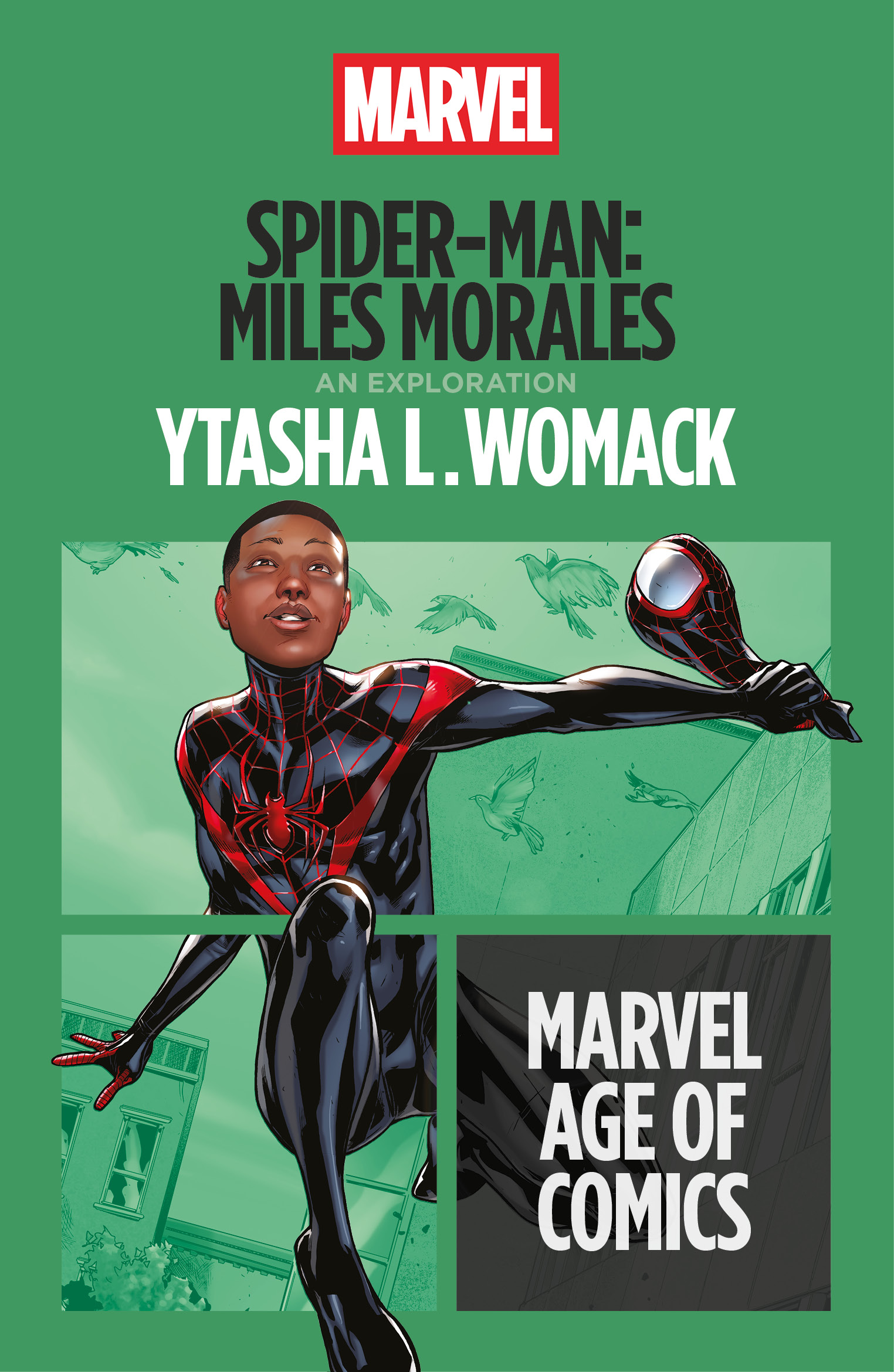
Bloomsbury Academic has just announced another title to add to its growing list of Marvel academic history titles, Spider-Man: Miles Morales…
When Miles Morales came on the scene in 2011, a new generation of comics writers, artists and editors were thinking about how to keep comics reflective of the “world outside [your] window,” attracting new audiences while maintaining old ones. Readers were demanding stories more reflective of a changing world and now artists and writers with more expansive worldviews were in positions to tell them. Although Miles wasn’t the first Black or Latine character in the Marvel Universe, nor the first to embody a legacy character, he was new—a character of the times with the potential to connect with teens who were accustomed to a multicultural America.
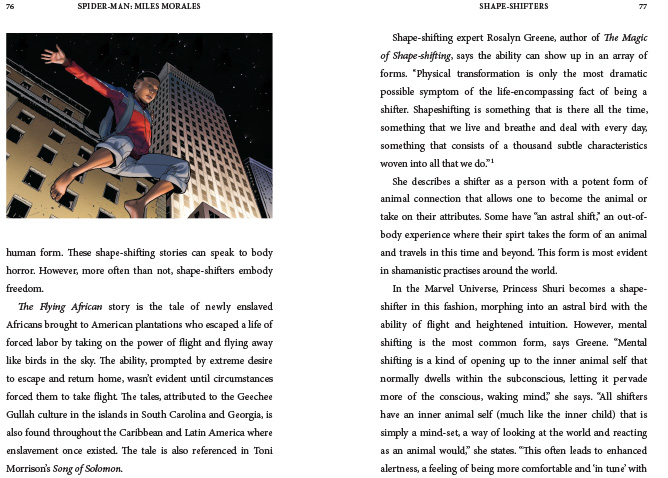
So, Miles Morales exists not just in the Marvel Universe, but in this one, too. In Spider-Man: Miles Morales, Ytasha L. Womack examines Miles in the context of Ananse and Trayvon Martin, Ralph Ellison and Richard Wright, Sun Ra and Kendrick Lamar. Miles is a symbol of the dynamism of Afro-Latine culture. She explores the core themes in the first 15 issues of Miles Morales: The Ultimate Spider-Man and how they detail the evolution of one of the most compelling arachnid lores of the new ages, the pressures of legacy, and the power of shapeshifting.
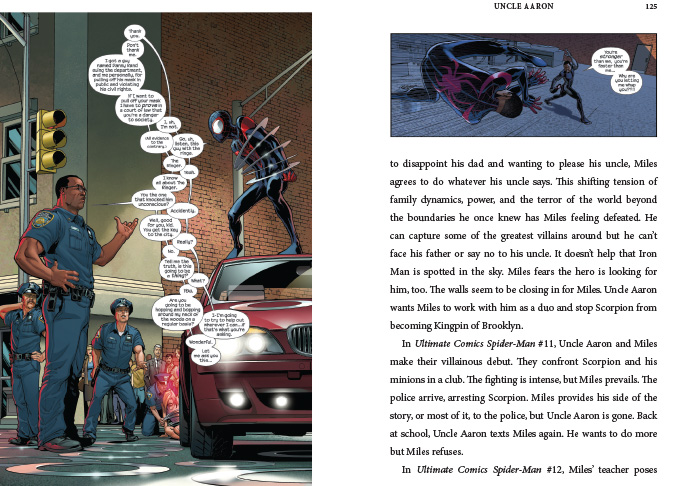
Womack spends time examining the cultural and historic significance of Miles’s new powers, particularly the power of invisibility. While it’s an asset for a vulnerable teen whose physical strength is underestimated and useful for a new super hero unknown to police and the citizenry, Womack cites culture critic Seve Chambers observation that in Black and Brown communities, invisibility is about “erasure of identity and individuality.”
At 13, Miles symbolises a crossroads that many teenagers face. They seek to understand where their family values fit in a complex world of adult power struggles. It’s incredibly transforming, Womack writes, to watch a teen come into his power just as his world and timeline go into a catastrophic flux.
Miles is the rare super hero with a father, Jefferson, a good man and police officer with a strong moral code, who also hates mutants. His presence is a strong influence on Miles’s personal ethics and his behaviour as Spider-Man, even as Jefferson is a threat to his secret identity.
“Miles exists as a symbol of hope and inspiration,” Womack writes. “We can be our own hero whether a spider strikes or not. Miles Morales is a light. His shape-shifting presence lives eternal.”
Ytasha L. Womack is a writer, cultural critic, and filmmaker recognised for her work in Afrofuturism, race, and speculative fiction. She is the author of Afrofuturism: The World of Black Sci Fi & Fantasy Culture (2013), Black Panther: A Cultural Exploration (2023), The Afrofuturist Evolution: Creative Paths to Self Discovery (2025), and the forthcoming graphic novel Black Moon Ritual.
Find out more at www.bloomsbury.com/marvel-books










You must be logged in to post a comment.