Back in 2005, myself and my colleagues Gary Marshall and Andrew Colman interviewed 20 prominent comic artists. These interviews were published in Image’s Studio Space book and one of the interviews I did was with George Pratt. So I thought it would be fun to run that interview here…
I was raised in Texas and I grew up copying all my favourite comic guys. I started publishing when I was in high school. I did work for Space Gamer magazine. It was all black and white and lots of it was me ripping off people I was really into at the time, like P. Craig Russell, Neil Adams and Paul Neary’s Creepy Stuff. I didn’t get real drawing instruction until I went to Pratt Institute for three years. I was lucky because the buddies I was around were Kent Williams, John Van Fleet, and Mark Chiarello. At that point too, we had hooked up with Scott Hampton. So if one of us learned something, they would pass it on to the others. I was also fortunate because I had some great teachers there, Baron Story, Dave Pasolacqua, and Jerry Contreras. On top of that, Kent and I would go and paint with Jeff Jones, which was a huge thing too. I would get the New York phone book and find numbers for artists like Mike Kaluta and I’d call him up too.
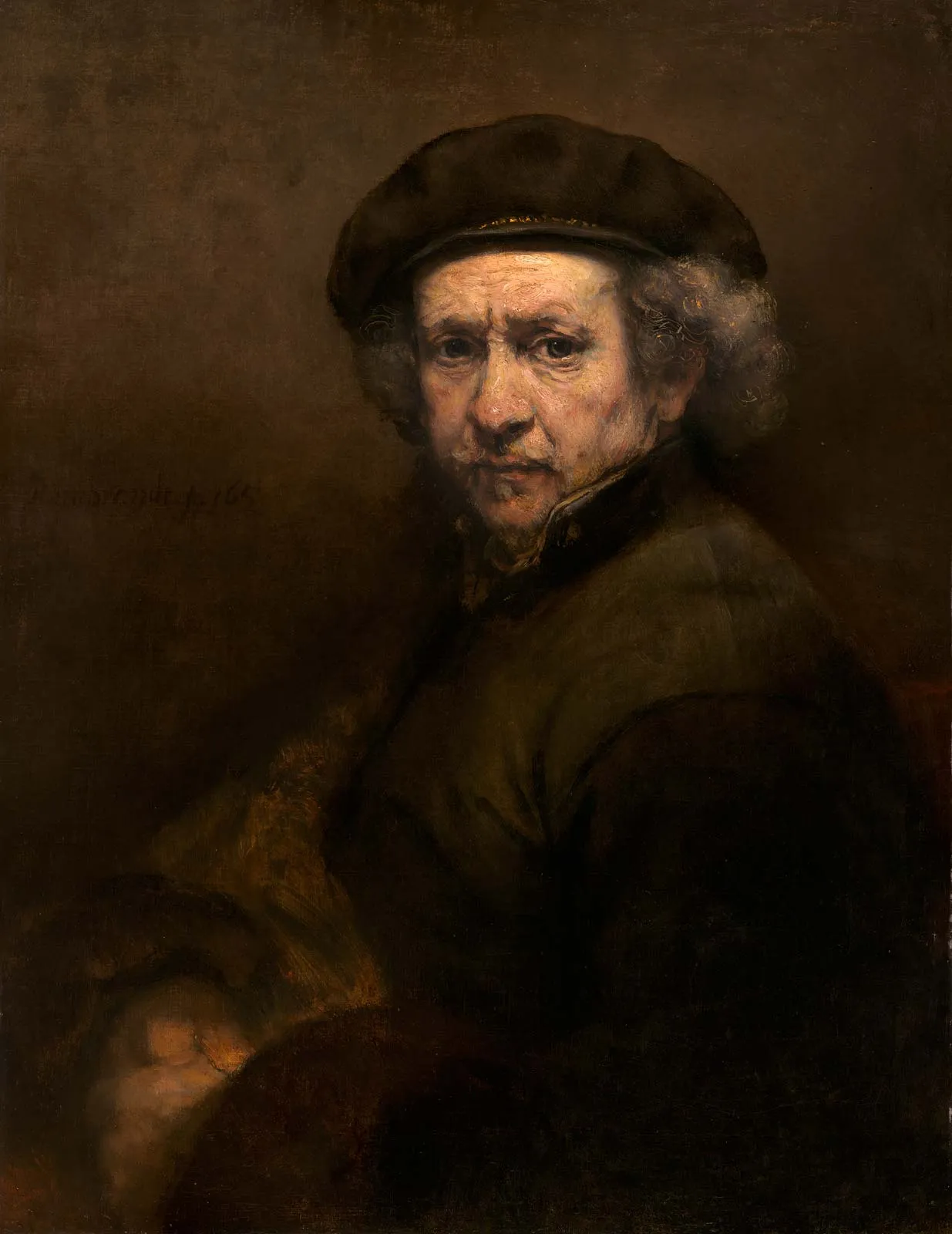
So I’d go and meet these guys. 99% of them would take time out of their busy schedules and spend a whole day with you, helping you out. It was amazing. The funny thing is that Pratt was is a great school but at the time it was in a war zone in Bed-Stuy in Brooklyn and the school was really run down. Having said that it was a good school to go to because in such sad shape physically that you just focused on what you were doing. Now I teach at Virginia Commonwealth and the facilities are so amazing so the students are out at the movies or drinking and it’s hard for them to focus. In the end Pratt made us want to be more creative because there was nothing else to do. I studied illustration originally and I wanted to get more drawing and painting skills so I dropped out of illustration. I switched over to drawing, painting and fine art but that was a joke. It was still all about 50s abstract expressionism. They would tell us to be free and create but for us they weren’t teaching or showing us anything. So basically, I went out and did a lot of landscape painting on my own. Kent and I would go out to the Brandywine Museum in Pennsylvania and paint on the river. We taught each other how to paint. Daniel Clowes nailed it in Art School Confidential. It was a scam in the fine art department. It was more about tenured professors sitting around reading a newspaper while you goofed off, whereas in the illustration department they taught you real skills. I lived in galleries and museums. Every weekend I would go out, take my pads and do portraits of people on the street by the museums. I was getting some real hands-on training, but also it gave me enough money to go out and get a nice meal. Myself and Kent would be constantly looking for new artists we admired because we wanted to be painters. I was heavily into the Pre-Raphaelites, Singer-Sargent and Whistler. The school introduced us to artists like that. In the school we were introduced to Klimt, Schiele and Kollwitz and it was just like a revelation. When I grew up my parents were really into the Impressionists. I was a big Rembrandt and Rockwell nut, and my parents were always trying to push me towards the Impressionists. Well, I thought, they’re not as good as Jack Kirby or Neil Adams. Going to school was great because you were surrounded by people who didn’t believe what you believed, and so you were forced to defend what you were into as you had to deal with where someone else was coming from. Illustrators in the fine art department were frowned upon.
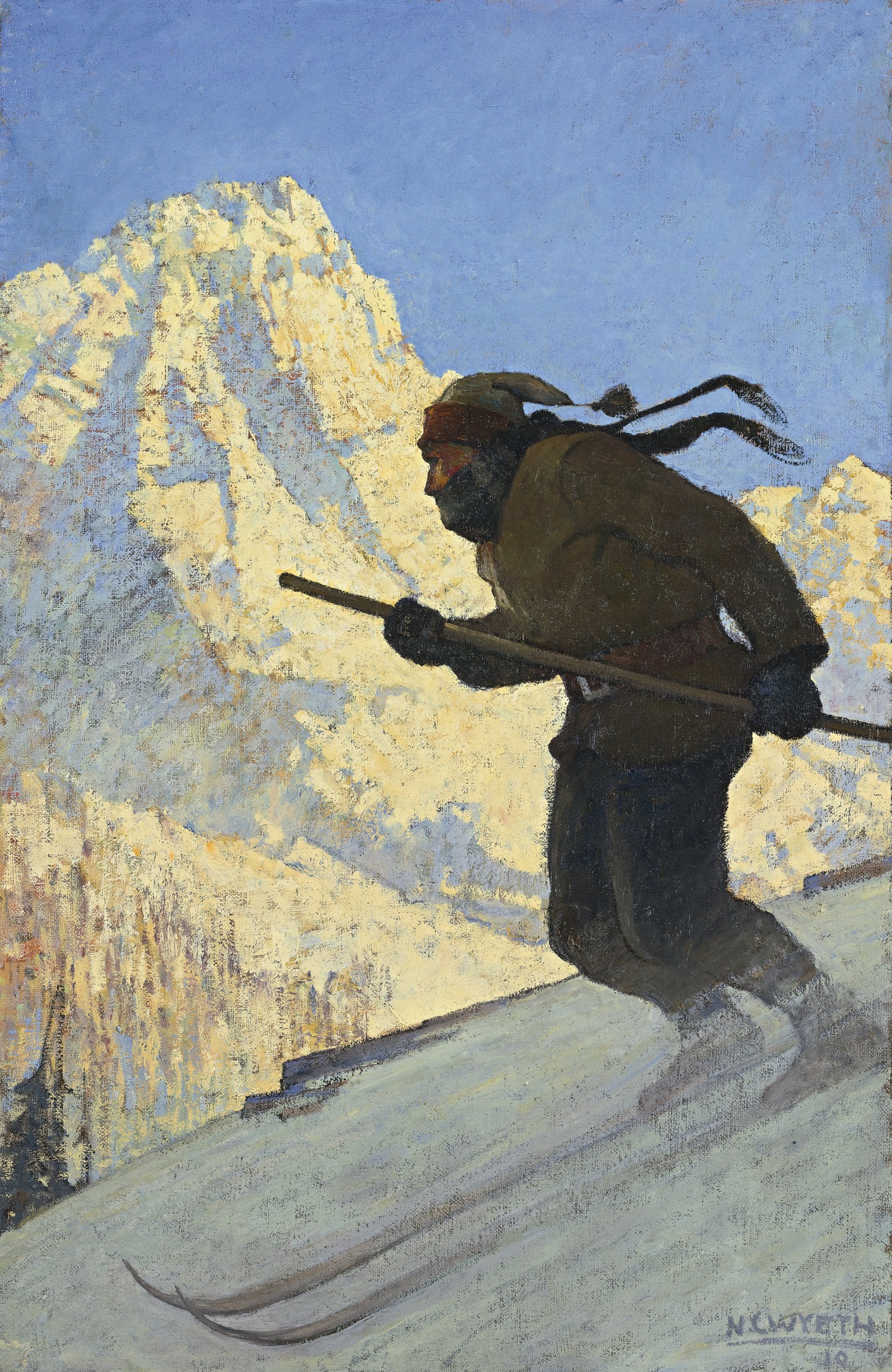
They actually had a purpose which drove these guys nuts. It would drive me crazy as the fine artists were bigger holes than the illustrators who at least were upfront about it. To me, good painting is good painting. And how could you not say, for example, NC Wyeth’s paintings are unbelievable, whatever they might’ve been painted for. There’s a lot of modern art that I can really relate to and enjoy, abstract or whatever. When I boil it down from all down for myself they all follow the same rules as far as what I consider to be good drawing or good painting. Is it a real dialogue with the material? When somebody shows me one of these real abstract paintings and if I’m not responding to it then it’s not doing its job. You’re supposed to react to art, either love it or hate it.
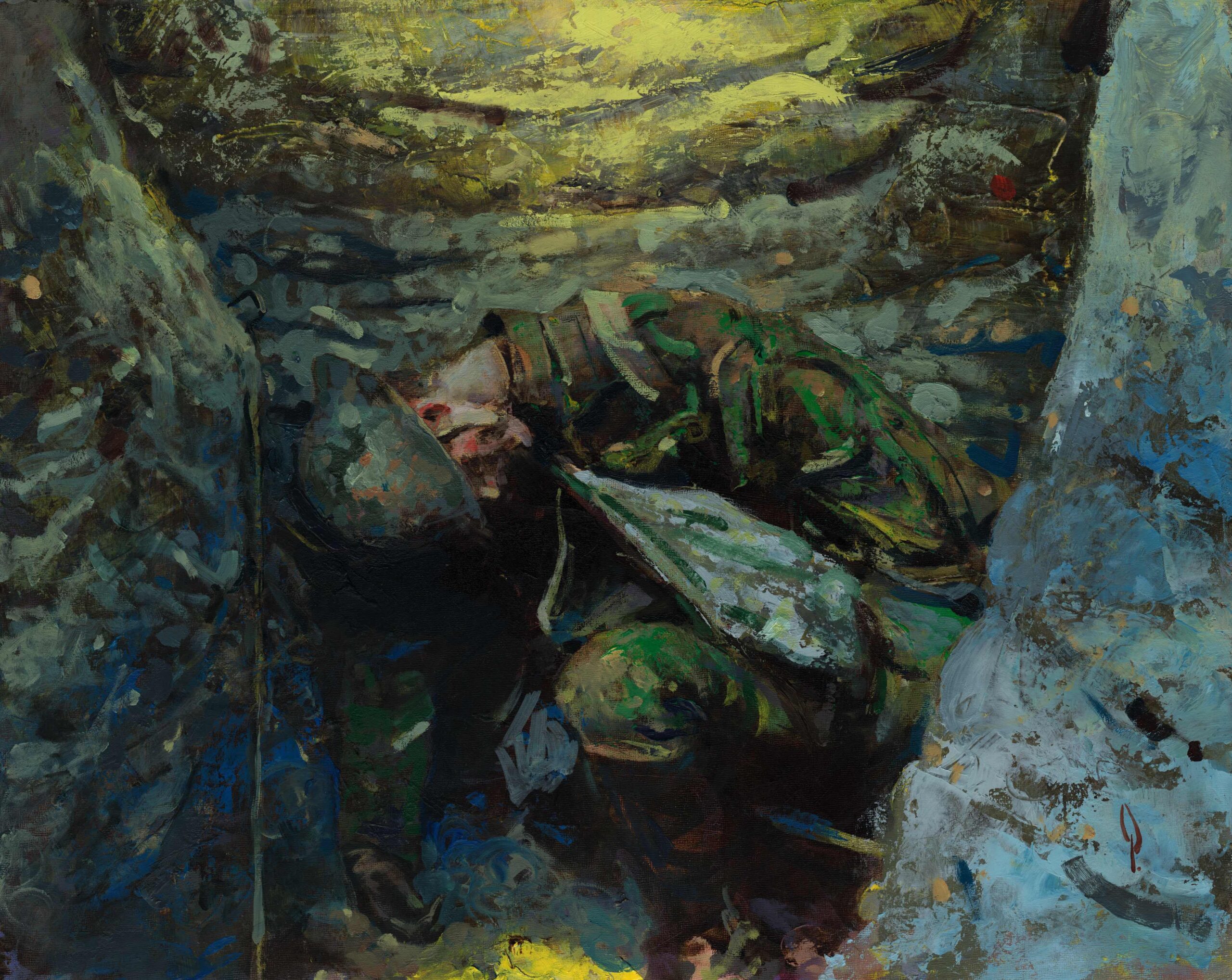
I got to apprentice with Marshall Rogers, so I did all the zips and chained fences on Coyote, which was a lot of fun. I learnt a lot working with him, including the fact that I didn’t want to do regular comics. I just didn’t have the sensibilities to do that all the time. Having said that, even though I’m known as a painter, I love line art what was attractive about painting for me was the fact that it wasn’t something that was easy pen and ink was The stuff I grew up loving I think it’s a lost art form myself and the rest of the gang were big into the studio book But if you think about that book and the guys who are in it like Kaluta Jones and Smith They were great line art guys in a way. It’s like I’m torn between the two if I’m painting I, I wish I was doing pen and ink. And if I’m drawing pen and ink, I wish I was doing watercolour. I’m never happy doing what it is I’m doing. I always want to go into the next thing. I was always into the war stuff. My parents and my buddy’s parents were all war vets. They were either bomber pilots, fighter pilots or navy men.
So we were surrounded by this stuff growing up. So we’d get our dad’s gear out, pull out this crap on and play guns in the woods. Coming from Texas it was Audie Murphy land so you couldn’t escape it. I was born in 1960 so it’s Vietnam so I was 14 years old so you were inundated with this stuff. It started off as fun and games but you hit a certain age and everything clicks so it’s not fun anymore. But I was always reading these books as my dad had books about his war, the Second World War, all over the place. What’s weird is this undercurrent of the First World War
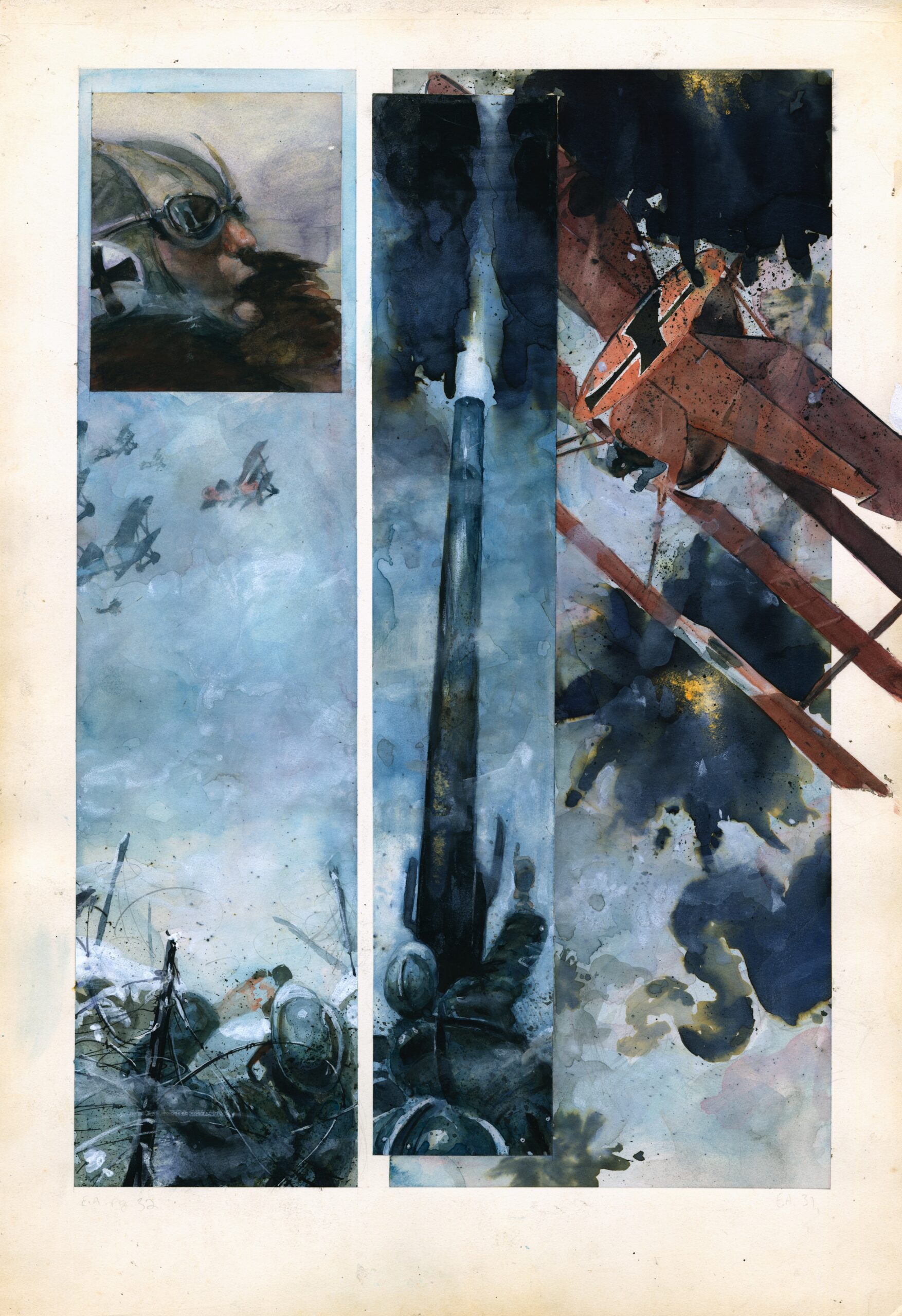
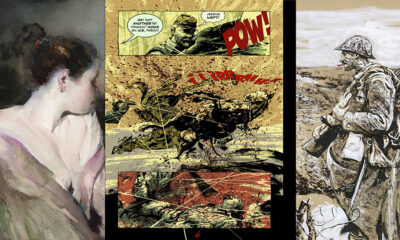
has always dogged me my entire life. As a kid I remember reading the biography of the Red Baron and playing these First World War games. Even recently it’s been there, my daughter was born on the 11th hour of the 11th day of the 11th month, which is Armistice Day, but it wasn’t until I actually researched Enemy Ace all of a sudden First World War really meant something to me, other than this thing that happened to my grandad. I got to meet a couple of vets who must have been about 100 years old. There was a dapper little guy, Frank Snell, who was a machine gunner from Brooklyn, and it’s amazing he lived through the war because the gunners were the first on the front line. Everything that could happen, happened to this guy and I just can’t shake the subject. I’m hooked on these first-hand accounts. England has a much more direct connection to that war than America. Americans didn’t know and don’t care about the first world war. Scott Hampton and I did this signing tour through Germany and the first interview I did there was this girl who wanted to talk about the political stuff, but I shied away from that because that’s not what Enemy 8 is about. It was interesting to talk to the Germans because World War 1 and 2 have such resonance for them, whereas for us it’s Vietnam. I’ve been to Flanders and to the Dordogne near the Somme. I’ve always been more interested in that war than the Civil War.
I’m a big admirer of Japanese art, but early on it was more the aesthetic that the Japanese printmakers brought to and influenced not only so much of our Western art like the Impressionists but it was just beautiful stuff. I think that visually it can’t be beat. Changing the subject if you look at the Weimar Republic, the Werkstatt, an art for the people, it was all about making things that have an intrinsic value by themselves even without their use. The aesthetic choices are really key to all of that. Maybe that’s why I also really love printmaking, and I try to encourage my students to go there because it is about the choices you’re making, not only in what it is you’re trying to say and draw and whatever, but it’s the choices and materials that you choose. It doesn’t just begin and end with just this image, It doesn’t just begin and end with just this image, it’s how you approach it.
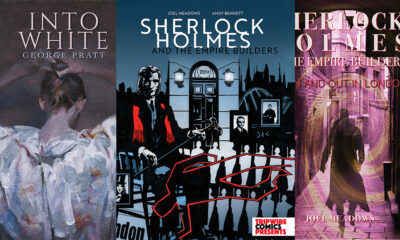
Here’s a reminder of how people can pledge on Into White: The Art Of George Pratt
Our website uses cookies for ads personalisation. By using our website and agreeing to this policy, you consent to our use of cookies in accordance with the terms of this policy. If you do not consent to the use of these cookies please disable them following the instructions in our Cookies Policy so that cookies from this website cannot be placed on your device.
Functional
Always active
The technical storage or access is strictly necessary for the legitimate purpose of enabling the use of a specific service explicitly requested by the subscriber or user, or for the sole purpose of carrying out the transmission of a communication over an electronic communications network.
Preferences
The technical storage or access is necessary for the legitimate purpose of storing preferences that are not requested by the subscriber or user.
Statistics
The technical storage or access that is used exclusively for statistical purposes.The technical storage or access that is used exclusively for anonymous statistical purposes. Without a subpoena, voluntary compliance on the part of your Internet Service Provider, or additional records from a third party, information stored or retrieved for this purpose alone cannot usually be used to identify you.
Marketing
The technical storage or access is required to create user profiles to send advertising, or to track the user on a website or across several websites for similar marketing purposes.


















You must be logged in to post a comment.