
finance
Fact vs. Fiction: The Real Stories Behind Classic Financial Films

Bringing Finance To Life
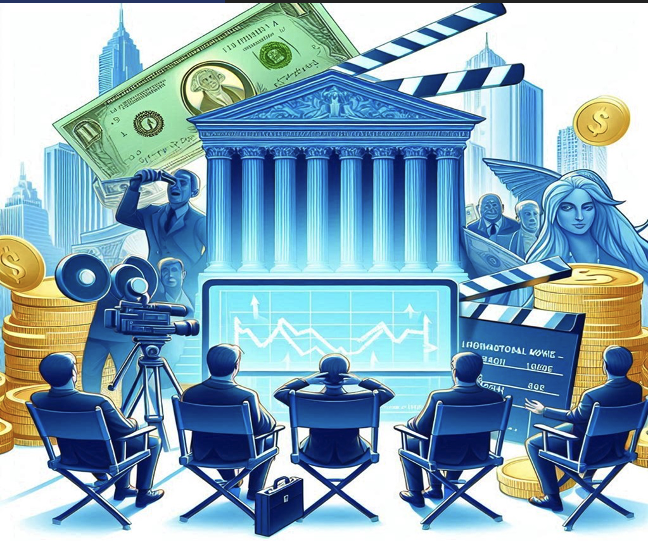
Films possess a unique ability to captivate audiences by bringing complex subjects like finance to life through compelling storytelling. In “Fact vs. Fiction: The Real Stories Behind Classic Financial Films,” we explore the fascinating intersection of cinema and economics.
This article examines:
- The historical events and figures that inspired some of the most iconic financial films
- How these films have shaped our perception of finance and economics
- The accuracy (or lack thereof) of financial concepts portrayed on screen
- The impact of financial films on real-world economic decisions
- The enduring popularity and influence of financial films in popular culture…
Wall Street (1987)
Inspired by: Ivan Boesky, Michael Milken, and the insider trading scandals of the 1980s.
Accuracy: While the film is heavily inspired by real events and figures, it takes artistic liberties with its depiction of insider trading and corporate greed. However, many critics argue that the movie accurately reflects the cutthroat nature of Wall Street during that period.
Impact: “Greed is good” became a catchphrase associated with this film, sparking discussions about morality in finance and inspiring a generation of young professionals to pursue careers in investment banking.
The Big Short (2015)
Inspired by: The 2007-2008 financial crisis and the collapse of the housing market in the United States. The film’s release coincided with a time when interest in financial markets was shifting towards new areas, such as the rise of the cannabis industry and related investments like Canopy Growth stock. The film continues to influence discussions about regulatory reforms and the importance of transparency in financial markets.
Accuracy: The film adapts Michael Lewis’s book “The Big Short: Inside the Doomsday Machine” and successfully captures the complex dynamics and misjudgments that led to the crisis. It effectively employs humour and creative storytelling to explain complicated financial instruments such as mortgage-backed securities and collateralised debt obligations.
Impact: By shedding light on the negligence and greed that precipitated the crisis, “The Big Short” sparked broader awareness and criticism of the financial industry’s practices.
The Wolf of Wall Street (2013)
Inspired by: The infamous rise and fall of stockbroker Jordan Belfort, who defrauded investors through his firm Stratton Oakmont in the 1990s.
Accuracy: While the film has been criticised for glamorising Belfort’s crimes and promoting excessive lifestyles, it does accurately depict the high-flying culture and wild excesses of Wall Street during this period. Some scenes were even based on real events from Belfort’s life.
Impact: “The Wolf of Wall Street” sparked debates about the glorification of unethical behaviour and raised questions about accountability in the financial industry. It also brought attention to the issue of “pump and dump” schemes, where stocks are artificially inflated and then sold for profit.
Margin Call (2011)
Inspired by: The 2008 financial crisis and the collapse of the investment bank Lehman Brothers.
Accuracy: “Margin Call” is based on real events and accurately depicts the high-pressure environment and moral dilemmas faced by those working in the financial industry. It also sheds light on how risk-taking and complex financial instruments contributed to the crisis.
Impact: The film sparked discussions about corporate responsibility, risk management, and ethics in the financial industry. It also highlighted the need for better regulations to prevent similar crises from occurring in the future.
Too Big to Fail (2011)
Inspired by: The 2008 financial crisis and the government’s response to it.
Accuracy: “Too Big to Fail” is based on real events and portrays the actions of government officials, bankers, and regulators during the crisis. It also accurately depicts the complex web of relationships between Wall Street, Westminster, and everyday citizens.
Impact: The film highlighted the systemic risks posed by large, interconnected financial institutions and sparked discussions about the government’s role in preventing and managing financial crises. It also illustrated the human impact of economic downturns on ordinary people.
Final Thoughts
These films serve as powerful reminders of the consequences of unchecked greed and unethical practices in the financial sector. They also demonstrate the important role that government regulations and policies play in preventing and managing economic crises. As we look towards the future, it is crucial for both individuals and institutions to learn from past mistakes and work towards creating a more stable and equitable financial system for all. Therefore, these films are not just a reflection of the past, but also an important commentary on our present and a guide for our future.