

Film News
Movie Post-Production: What Happens After Filming Wraps?

Where The Magic Happens
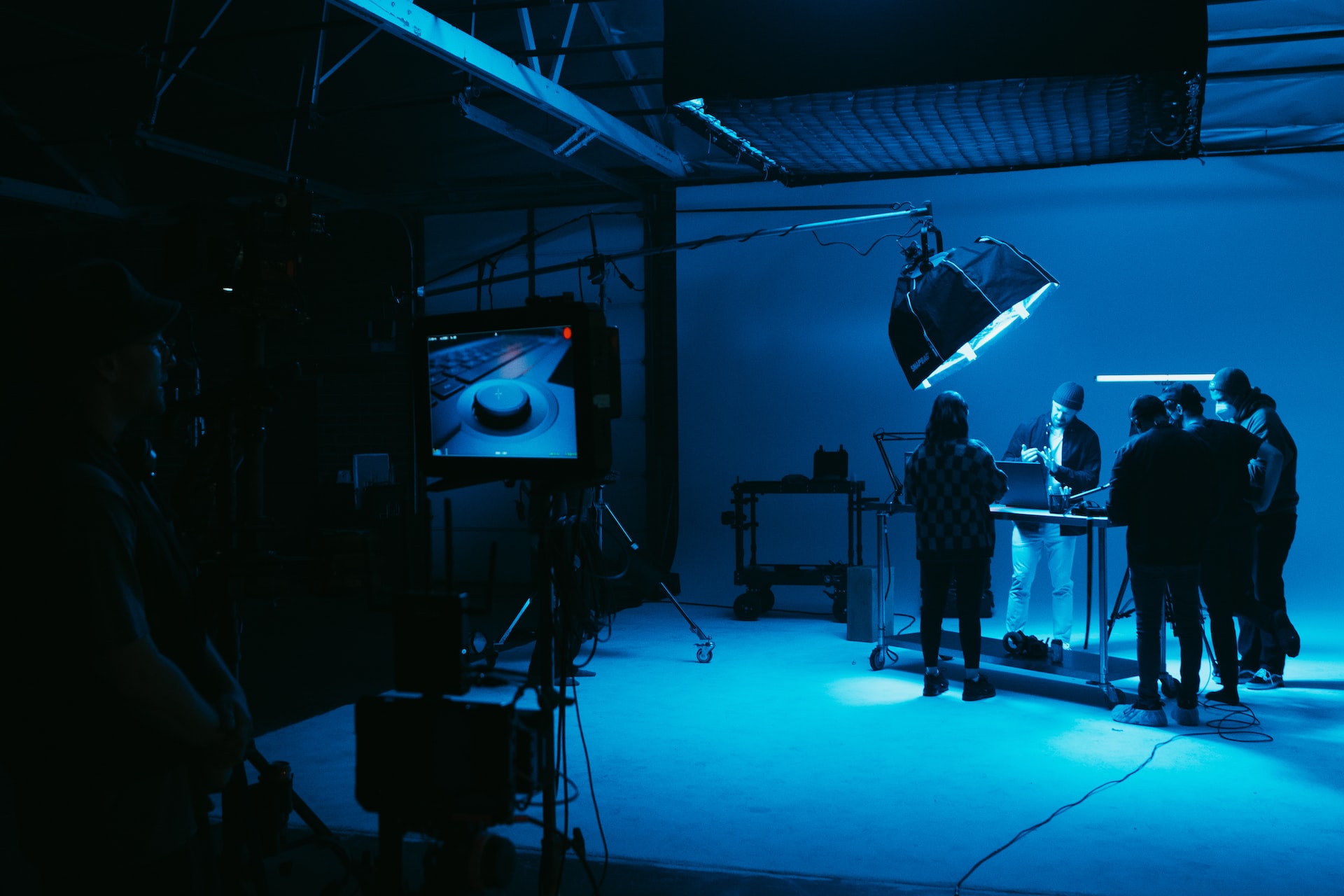
You might think that the movie-making process is essentially complete once the filming stage has been concluded. In truth, the filming stage is in many ways only the beginning, as there is still a great deal of work left to be done to convert the accumulated raw footage into a finished movie. Some would say that the magic of film occurs in the post-production stage; it’s certainly fundamental to the movie-making process, but just what post-production is and what steps are involved?…
What is Post-Production?
The post-production phase of the filmmaking process covers everything involved in creating a cohesive story out of the raw footage that was captured during filming. Video needs to be edited, ordered, and assembled, dialogue needs to be re-dubbed, along with the music and sound effects. The most intensive stage of post-production is often the visual effects stage, as today’s films tend to include a great deal of computer-generated imagery.
Modern software such as Adobe’s Premiere and After Effects does a great job of simplifying the visual effects process, but quality results still require a team of highly-skilled professional operators. Editors, composers, foley artists, colorists, and sound designers are just a few of the many roles involved, and all of them need to work together to convert raw footage into a cohesive product that you and I would recognize as a movie.
Stages of Post-Production
The phrase ‘post-production’ is an umbrella term, and actually refers to several filmmaking processes. Each process has specific goals, some of which can rely on previous post-production processes:
- Editing
Before the editing process, the raw footage of the movie is little more than an incredibly expensive series of home movies! Editing involves cutting and ordering the individual scenes and shots that have been collected during the principal photography stage and is critical to forming a cohesive narrative and story.
The first job of a movie editor is to lay out the different shots according to the order shown in the script. This is just the beginning, however – each scene is shot from multiple angles, so the editor needs to work out which one is best for every second of the finished movie. This process will usually be repeated several times as the final product is refined, over and over again.
- Music Composition
The overwhelming majority of movies include an instrumental musical score, and many will also include full-on songs as well. The instrumental score is intended to emphasize the emotional tone of each scene, so the composer responsible will usually want to see a rough cut of the movie before beginning their work.
If no rough cut is available then the composer may be happy to work directly from the movie script, perhaps with additional direction from the director to ensure that the created score matches their vision for the finished film.
- Visual Effects
The amount of computer-generated imagery featured in modern films has increased exponentially during the last three decades. Advances in computer technology have allowed directors to set their films in entirely virtual worlds if they wish, and well-executed visual effects are now capable of delivering results that are practically indistinguishable from those created using traditional practical techniques.
One of the most obvious examples of a genre that couldn’t be created using traditional filmmaking techniques is the modern superhero movie. These movies will often involve teams of dozens or even hundreds of post-production workers, collectively performing thousands of hours of visual effects work.
One of the most beneficial side effects of the transition to visual effects techniques has been the enormous reduction in accidents and injuries occurring on modern movie sets. This is because actors and stuntmen are no longer forced to participate in dangerous scenes such as those involving fire, explosions, or risky physical maneuvering.
- Color Grading
If you’ve ever tried to create an extended length home movie using a collection of disparate segments or clips, the chances are you will run into color-correction issues. Dedicated colorists are employed to ensure that every scene of a movie shares a universal color scheme, correcting for problems such as those caused by shooting outside at different times of the day.
The director may also request additional color work to be performed to match his expectations of what the movie should look like. This could involve dialing down the brightness during shots which are intended to evoke fear, or even showing a scene in black and white to suggest that it is taking place during the past.
- Sound Design
Unlike musicians, sound designers are responsible for the creation and timing of audio elements rather than composing an original musical score. This will involve dubbing professionally recorded dialogue over what was captured during filming, adding sound effects, and inserting musical elements as required to match the emotions of each scene.
Balancing out the sound levels across two or more hours or video can be a daunting task, especially if there are several things happening at once, all of which require space in the mix.














You must be logged in to post a comment Login