

Feature
Throwback Thursday: Duncan Jones

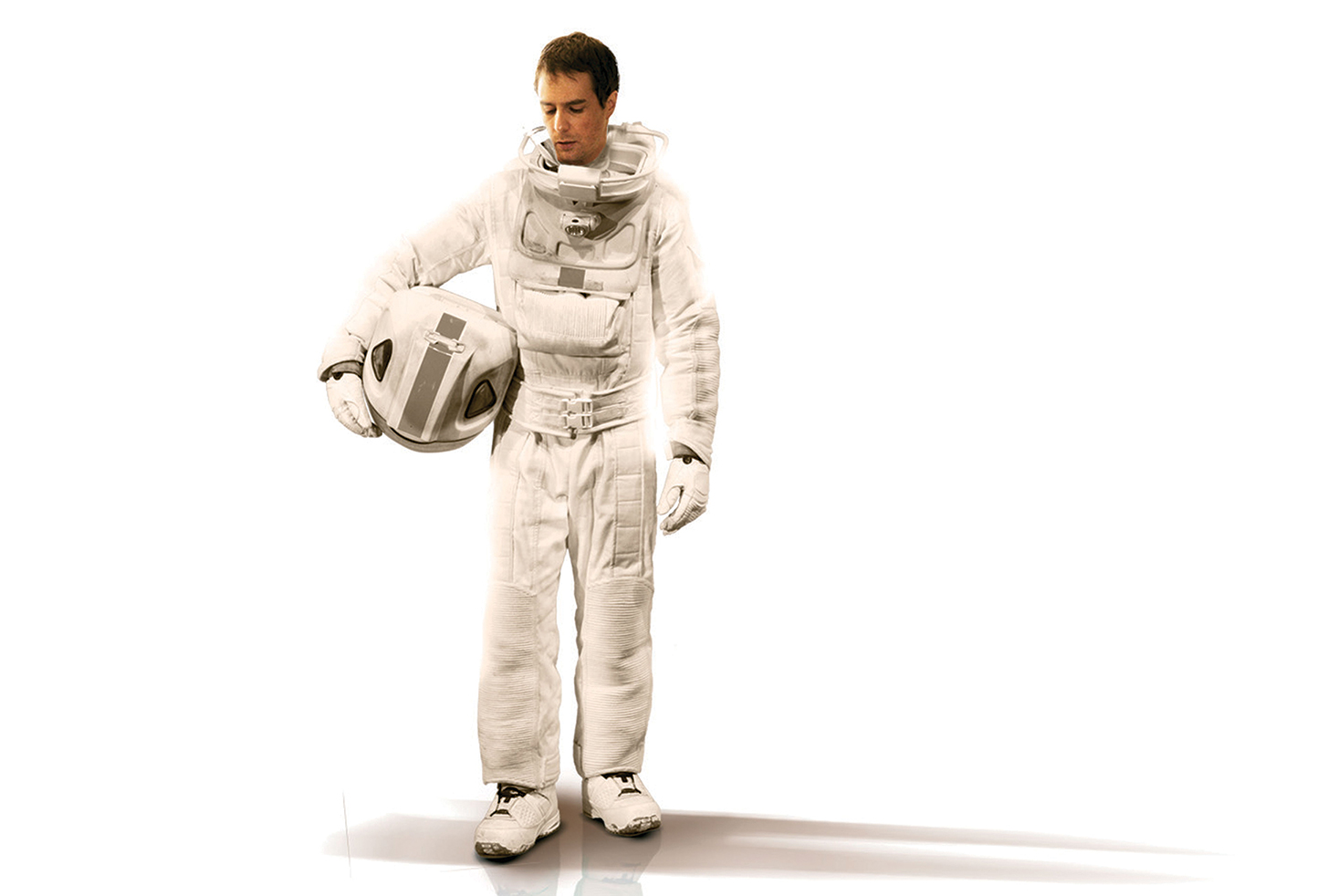
For this week’s Throwback, we turn to our chat with director Duncan Jones (Source Code, Moon) back when Moon hadn’t even come out, published in Tripwire Annual 2009. Jones is the director of the forthcoming Warcraft film out next year…
Man on The Moon
 Director DUNCAN JONES talks about low-budget Brit sci-fi movie, MOON, with Sam Rockwell, our pick for the sleeper hit of 2009, plus we give our opinion of it …
WORDS: JOEL MEADOWS
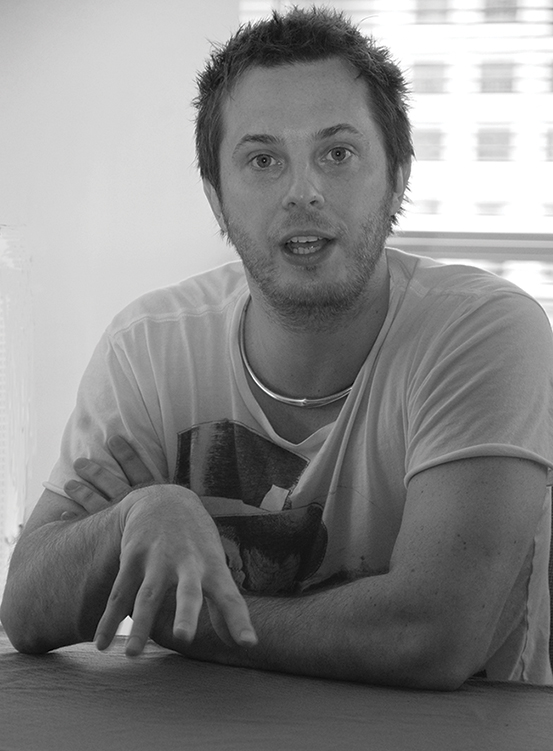
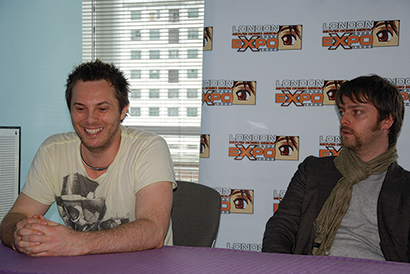
TRIPWIRE spoke with Moon’s director Duncan Jones and its Effects Supervisor Gavin Rothery at the London Expo in Excel in May 2009.
TRIPWIRE: So what was the genesis of Moon then?
DUNCAN JONES: I met up with Sam Rockwell about three years ago to talk with him about another film script where I wanted him to play one role and he wanted to play a different one. So we basically met up in New York to try and convince each other. Unfortunately that didn’t work out but we got on very well, so we started talking about science fiction films. We also discussed things we enjoyed, films we enjoyed and the kind of project that the two of us could work on together and I said that I would write something for him. That was the genesis of Moon. We talked about a lot of the science fiction films that we loved from the late 1970s and 1980s, like Outland and Silent Running and the fact that they had a lot of blue collar characters, real believable working people but in a future environment and how you didn’t really get that so much any more.
photo©Joel Meadows
TW: So ironically is it quite a down to earth film in terms of the characterisation?
DJ: Well it’s definitely a very human film. It’s about missing home really so it’s different to Terminator 4 or the big popcorn effects films but at the same time I think that, for a little British independent science fiction film we’ve managed to put something on screen that doesn’t give away that fact. It looks like a much bigger film.
TW: So where was it shot?
DJ: Everything was at Shepperton Studios. We had two sound stages there.
GAVIN ROTHERY: We used four altogether, over the course of the production. We moved around.
DJ: There were two main ones. There was the interior of the moon base and there was the exterior of the lunar landscape so we used model miniatures.
GR: That was really fun actually. We decided that there’s all kinds of reasons but models look cool. They look cooler than CG. We explored every avenue for the visual effects because it’s such a huge part of the film. There’s about 450-odd VFX shots. It’s set on the moon so it’s going to have to be VFX heavy. So we decided that we’d go for miniatures because they just look cool. They always have done and they always did. Miniatures just look good so we went for miniatures augmented with traditional computer-based post on top of that. It’s just got this weird look that people seem to like.
DJ: We built the entire base on one of the sound stages and that was a 360 degrees set so we’d go in there in the mornings through the airlock. They’d close it up and we’d be there for the rest of the day…
GR: Inside a loony bin.
TW: So did you use a London post house?
DJ: Yes, we used Cinesite and we basically had two grades of work that needed to be done. Cinesite did a lot of the more complicated work and we had another company called Molinaire that came in. They did a lot of the grunt work, but they did a terrific job on it. So we had two post houses. We got an amazing deal from them because everyone wanted to support and help a little British independent film.
GR: We got a lot of goodwill and people were really into what we were doing and wanted to help us. You can see it in the film because there’s a lot of good work in there that people contributed.
DJ: I’ve been going to Shepperton Studios to shoot short films and music videos for about 10 years so they knew me around there. They knew that one day I was going to come and do my feature film so they were there to help us out.
TW: So what is the Hollywood high concept one-line description of Moon?
DJ: I’m not sure. I’m not really good at that kind of pitch.
GR: We wanted to do a film that looked like something that was made but got lost in the 1970s, around the Silent Running era that somehow got discovered.
DJ: Sam Bell, a caretaker at a mining facility on the far side of the Moon is coming to the end of his three year contract. He goes out to do a routine extraction of helium 3 from a harvester machine, and has a crash. Wakes up back in the base and because he’s on his own out there, he doesn’t know how he got there. So that’s the set-up for it.
TW: But presumably it’s quite lowkey, so it’s quite psychological in terms of what occurs?
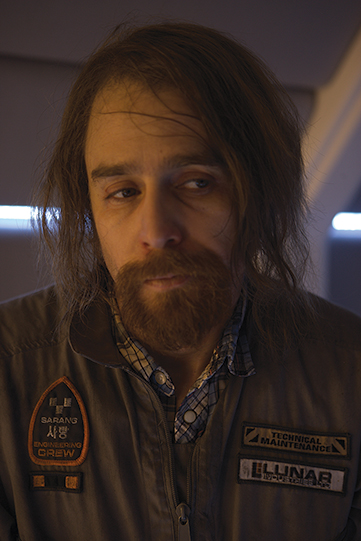
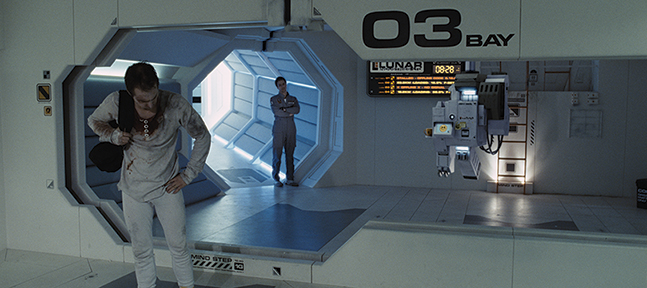
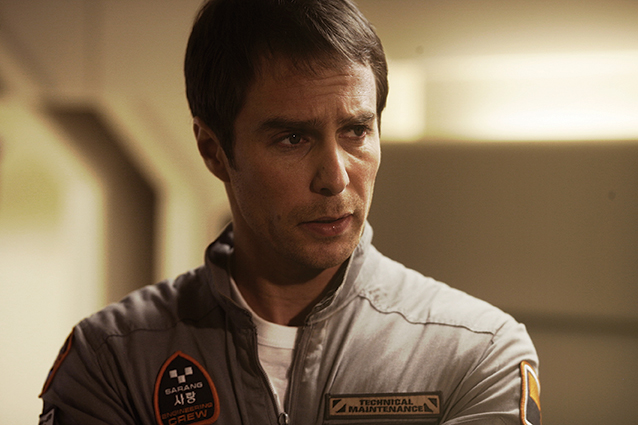 DJ: It’s grown-up because it’s about Sam, what he experiences and what happens to him. But I think we’ve got a really nice balance because it’s not like Solaris. It’s not that kind of extremely contemplative, quiet kind of film. It’s much funnier, it’s got action scenes in it and we really just wanted to create something that was as smart as hopefully it was entertaining.
GR: It was a film that we wanted to watch if we hadn’t made it. Being big sci fi nerds, we tried to make a decent one and also on a personal level, all our friends know we’re such a huge bunch of geeks that we can’t make a sci-fi film that’s rubbish. We’d never live that down.
TW: So what was the rough budget for the film?
DJ: It was just under $5m.
TW: So obviously you called in a lot of favours from people?
DJ: Yeah we did. We called in huge numbers of favours. We planned it out pretty meticulously. That doesn’t mean that’s the way it actually went but we planned it out meticulously and then when we got on set, everything went up in the air so you have to compromise. But we had a good method of working, a good way of balancing the effects, the performance and the way of doing it in a way that would fit what we were going to be able to do with the time we had.
TW: So was it quite a small crew?
 DJ: We did keep it quite small. We had a terrific cinematographer, a guy called Gary Shaw that we had worked with before in commercials. This was a first feature film for him as well. But because of the way most of the live action was shot in this space, most of the lighting was actually built into the set itself so as far as moving around and shooting, there was only a really small lighting kit you would have to move around with him. Most of the lighting was already in there as part of the base so that helped speed things up a lot. Not to give away too many spoilers but Sam Rockwell plays multiple parts and there’s some very tech heavy effects that we do where Sam plays multiple parts onscreen at the same time.
GR: There’s a lot of makeup as well. Waiting around for makeup changes and we had a lot of kit in place that couldn’t be moved until Sam went off and got all made up and comes back so there were a lot of periods where you’re waiting round for an hour and a half.
DJ: The thing is that you couldn’t really shoot anything when Sam wasn’t not around because he’s so integral to everything that’s going on on screen.
TW: So did you write the script on your own?
DJ: I wrote the original story and then a very extensive treatment. There’s another writer that I normally work with, a guy called Mike Johnson and he was actually doing Sherlock Holmes, the Guy Ritchie film, at the time. He is the bloke I would normally work with but as he wasn’t available, I had to find a new writer. I was put in touch with a few writers and the one I got on best with was Nathan Parker. So Nathan took my 30 page treatment, which was very extensive, he turned that into a first draft and then I gave him some notes. He did a second draft and then from that point onwards, I did the drafts on top of that. And then for an independent which was unusual, I had the opportunity to do a week of rehearsals with Sam in New York, so during that, we did a lot of improv and went through the script and changed a lot of things. We made adjustments and then after that week of improv and rehearsals, I came back to London and did a further rewrite that changed some things.
TW: So Sony are the distributor, so presumably you made it and took it to them?
DJ: Sony is a monster. It’s a very big company and has loads of sections to it. Sony Worldwide got involved with the financing of the film just before we were going to start shooting so they basically bought all of the English-language territories at that time. This meant that, when we were going to find out who was going to be distributing the film in America, it was already Sony’s to decide what they were going to do with it. We were very fortunate that Sony Classics in America took the US side of the film and then later on we found out that it was going to be released by a division of Sony in the UK as well. So that was how that was handled.
TW: What are the release dates for the UK and US?
DJ: June 12th for the US, which is called a rollout. This is all new to us as well. So they start off in New York and Los Angeles and then it rolls out across the rest of America. Each week it goes to more and more cities. Then it’s a bigger release here in the UK on July 17th.
JOEL MEADOWS
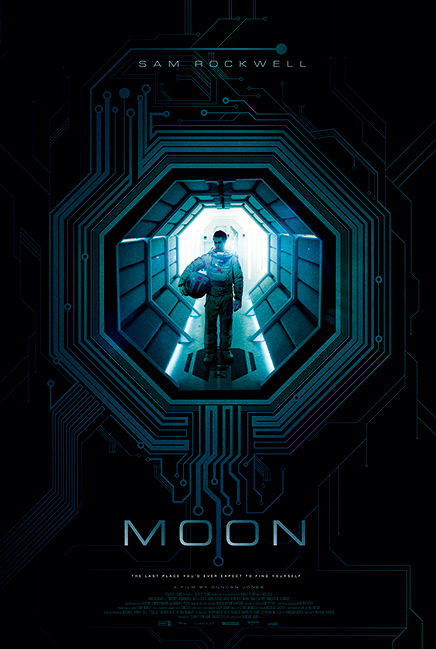 Moon
Moon
Director: Duncan Jones
Starring: Sam Rockwell, Kevin Spacey Sony Pictures
Every now and again a film comes along that stays with you long after you watch it. In recent years, Hollywood mainstream blockbusters have become so bloated that nearly all of them are merely an exercise in technical expertise. Science fiction films are some of the worst culprits with franchises clogging up the big screen with their impressive but empty CGI, forgetting that it is script and direction that should drive a movie rather than how convincing your visual effects should be. Moon is a low budget British science fiction film, made for just under $5m and directed by Duncan Jones, son of David Bowie and promo director. It is Jones’s first feature film but it displays such a range of emotional depth and directorial excellence that this is sometimes hard to believe. Moon is a very simple film with a single character, Sam Bell, played by the peerless Sam Rockwell. Rockwell commands the screen whenever he is on it which is for the entire duration of the film and it wouldn’t have been as impressive an effort if it were another actor in his place. Set in the near future, Bell is the sole guardian of a helium processing facility on the moon and when he has an accident in one of the moon vehicles, he wakes up uncertain of what has occurred. Moon is such an immersive film that, from the first few seconds you watch on screen to its conclusion 100 minutes later, you forget that you are in a cinema and are by Sam’s side in his claustrophobic, bittersweet world of technology. Kevin Spacey is the voice of robotic unit Gerty and ironically he lends a certain air of humanity to the proceedings. The makers have stated their intentions to produce a film like Silent Running and Outland and they have succeeded in an unparalleled way. Moon is far and away the best film released so far this year and probably the most exceptional science fiction film for some time to come. By the evidence here, Jones is a name to watch and Moon is a movie that will be remembered. JM












You must be logged in to post a comment Login