

Comics News
Val Semeiks Talks To Tripwire about DC One Million, Grant Morrison And Shares A Few DC 1M Sketches

A Million And One Reasons To Chat
Given Grant Morrison’s apparent retirement from mainstream comics, in another in a new series of retrospective interviews, Tripwire’s contributing writer Paul Neal recently took the opportunity to speak to Val Semeiks about his role illustrating one of Morrison’s major DC crossover mini-series. Namely DC One Million…
TRIPWIRE: Can I just start by asking how you became a comics fan? What could have been the first comics you recall reading? Perhaps even where they were bought or even how much they cost?
VAL SEMEIKS: I grew up in the 60s and always had a lot of comics around me. They cost 10 cents apiece back then and 25 cents for a King Size. First memories are Dell and Gold Key books with Richie Rich, Little Lulu and other cartoon characters – but most especially Disney. I loved Uncle Scrooge and his adventures with Donald and the nephews. I recognised early on that Carl Barks was a special artist.
At that time, my town had a five & dime sort of drugstore that sold comics on the old spinner racks. They featured DC Comics for superheroes. Marvel came later on. My favourites were Green Lantern and The Flash. I liked Dial H for Hero because of the monthly surprise, new superhero. I read a lot of war comics too – Sgt Rock, Star Spangled War Stories (Dinosaurs and WWII!) – whatever I could get my hands on. It was only later that I started to learn the names of the artists whose work I so admired, Gil Kane and Joe Kubert. Also Curt Swan and so many others.
I read comics because I loved the art. To this day, I buy comics for the art. I don’t buy them for the writing. I love a great story, but I love great art more.
TW: As an artist would you describe yourself as self-taught or did you receive a formal education as an artist?
VS: I’m a self-taught artist. I’ve only had a handful of actual drawing classes, and I found figure drawing to be the most useful. I took some painting lessons in high school as well. I learned to draw from practice and looking at the work of other artists.
I loved to draw as a kid. My school notebook margins are full of doodles. I imagine that’s the case for most anyone who wants to draw comics. I admire the great illustrators. Not just those in comics, but Renaissance and Hudson River School painters, newspaper strip guys and fantasy artists too. I dream of being as good as my idols. It’s a journey without end.
TW: Before DC One Million, you had illustrated quite a handful of titles for DC. During that time, did you have many opportunities to draw Superman? Were you aware of Grant Morrison’s work on Justice League?
VS: Yes, I had a lot of work under my belt with DC, including long runs on The Demon and Lobo, before I started DC One Million. I’d also drawn Wolverine and X-Men books for Marvel along with a bunch of other stuff.
Superman had a guest appearance in my time with The Demon. I drew the opening Superman arc in Legends of the DCU, an issue of Adventures of Superman and a 9-page short in Superman Forever. I also drew the very entertaining JLA/WildC.A.T.S crossover. That was written by Grant Morrison.
I knew Grant’s work on JLA, but I didn’t necessarily read all of it. I was drawing comics full time then. Which means you’re drawing just about every minute that you’re awake and there’s not much time left to read anything.
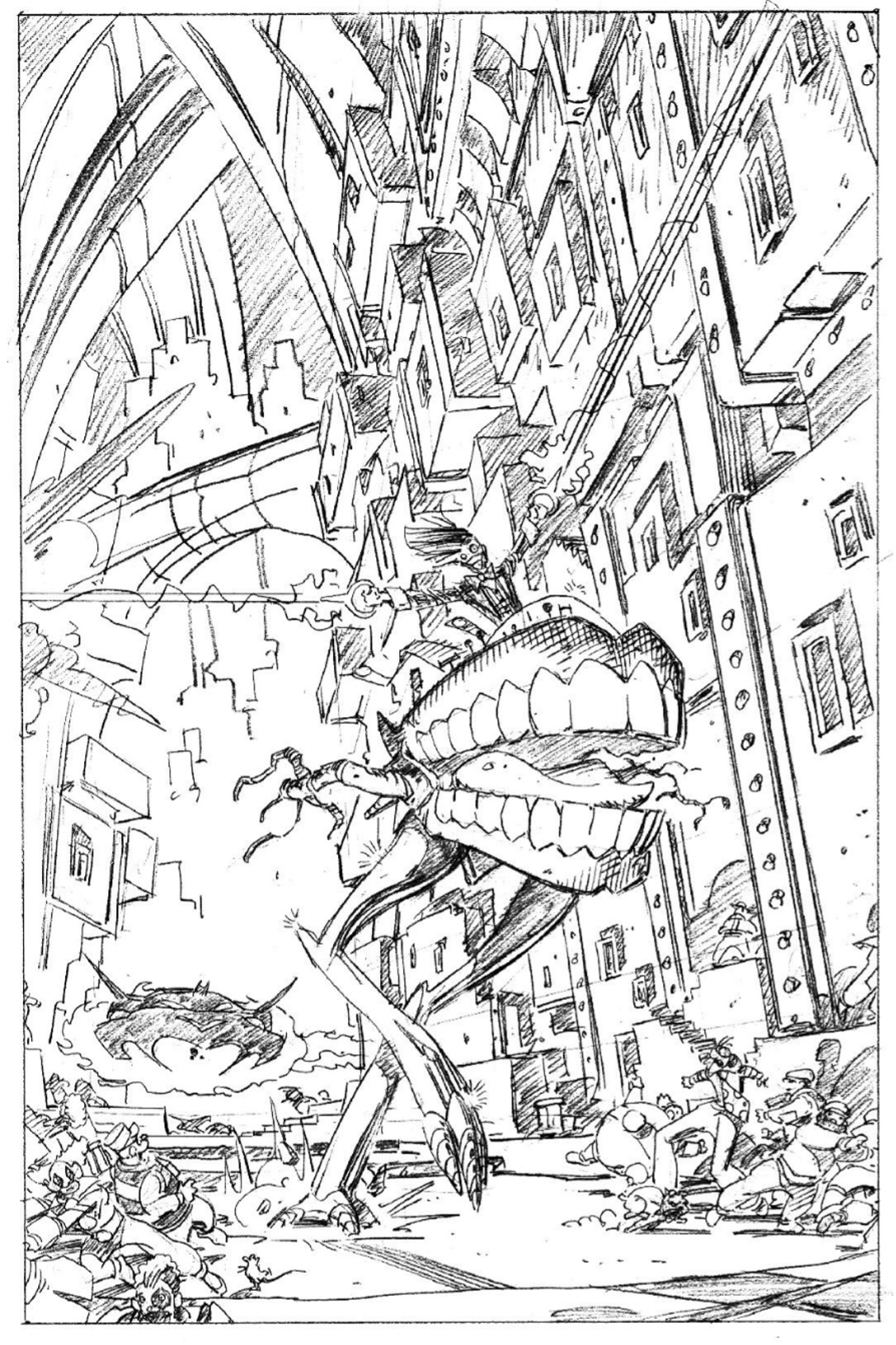
Note: A Gotham study (above)
TW: DC One Million was a fairly big deal. It was a big crossover event with a lot of tie-in issues in the DC universe all centred around one core mini-series. Were you surprised when you got the job, or indeed did you actively seek it out?
VS: DC One Million was a big deal. The industry loved big crossover events because it helped sell a lot of comics. Books that may not have gotten much attention got to be part of a big storyline. Grant was a hot writer and DC 1M was a big idea. A lot of concepts introduced in the story carry on today. It left a mark on the DC universe.
Dan Raspler was the editor on the project, and he was my editor for almost everything I did for DC. He knew my work well. So, I wasn’t surprised I got the job. I’ve heard that Grant requested me for the project, but I don’t know if that’s so.
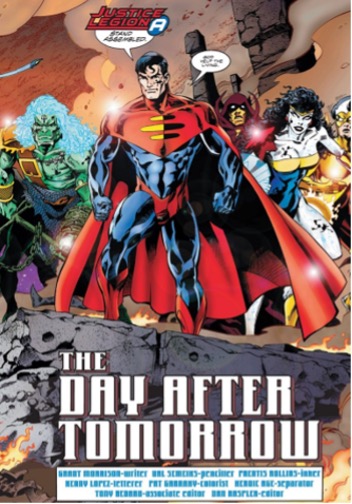
TW: Can you describe your working relationship with Grant? Did you meet often? How did the design process work on some of the characters?
VS: I only met Grant once. He’s Scottish and I’m in America. At the beginning of the project, there was a meeting in NYC, and we got to work together a bit. The rest of it was coordinated through editorial at DC.
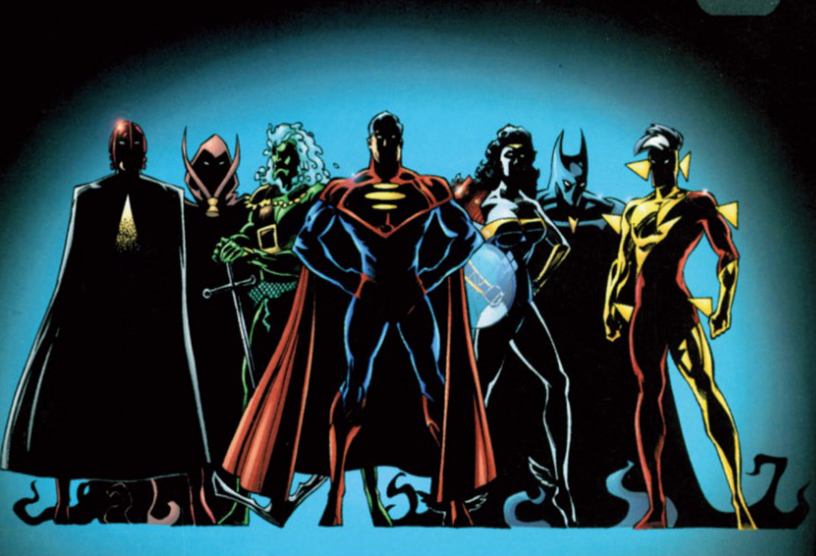
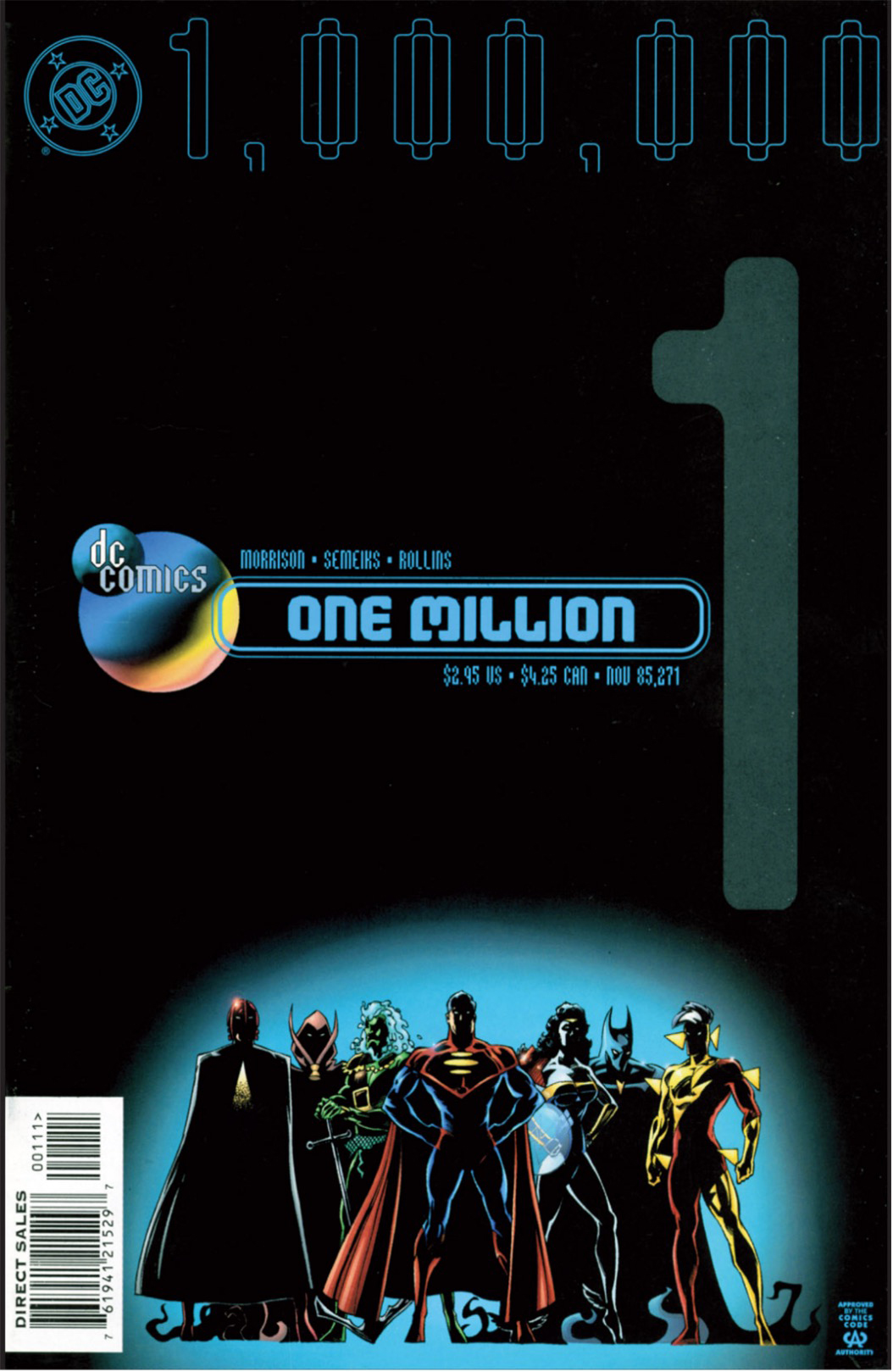
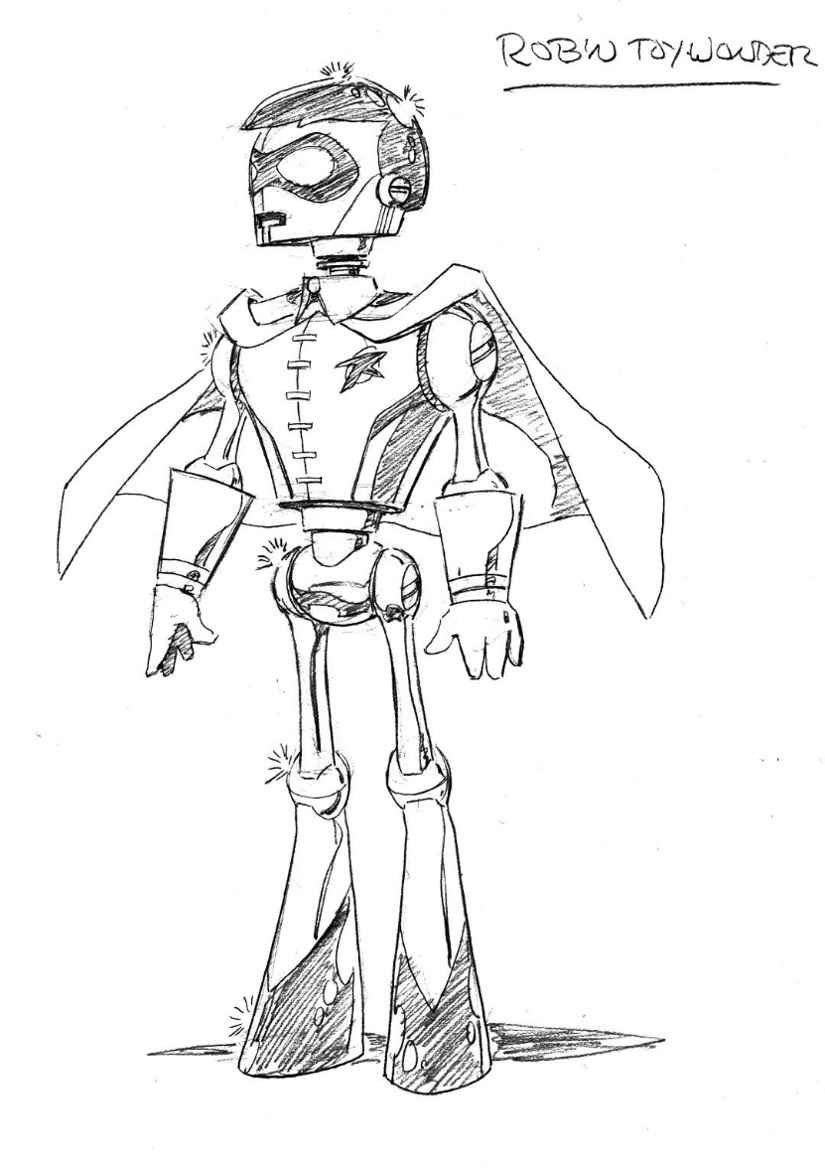
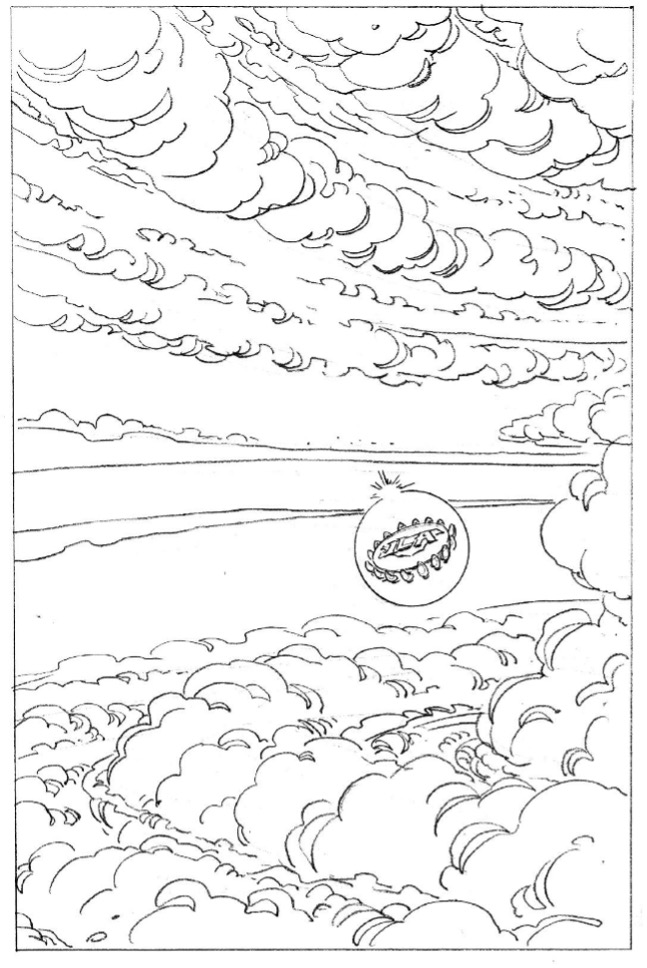
Grant had rough sketches for his vision of the future 1M JLA characters. That art was reprinted in the recent Omnibus. I did a lot of sketchbook design work for the series before starting my four-part, core series. There were further character studies, location and machine development, and most importantly – the design of Solaris. At first, it was thought to make him a humanoid, but I wanted the star creature. You can see all this work in the DC One Million page in the Sketchbook section of my website, www.valsemeiks.com. I’d love to see these drawings reprinted in a future reissue of DC 1M.
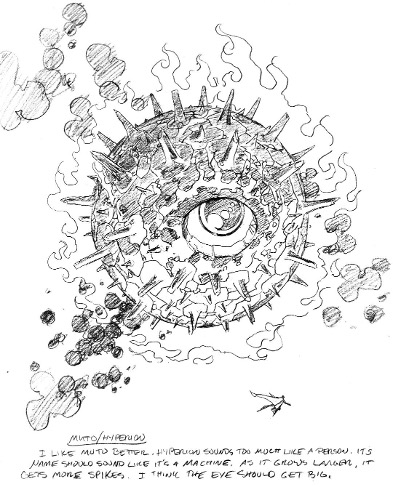
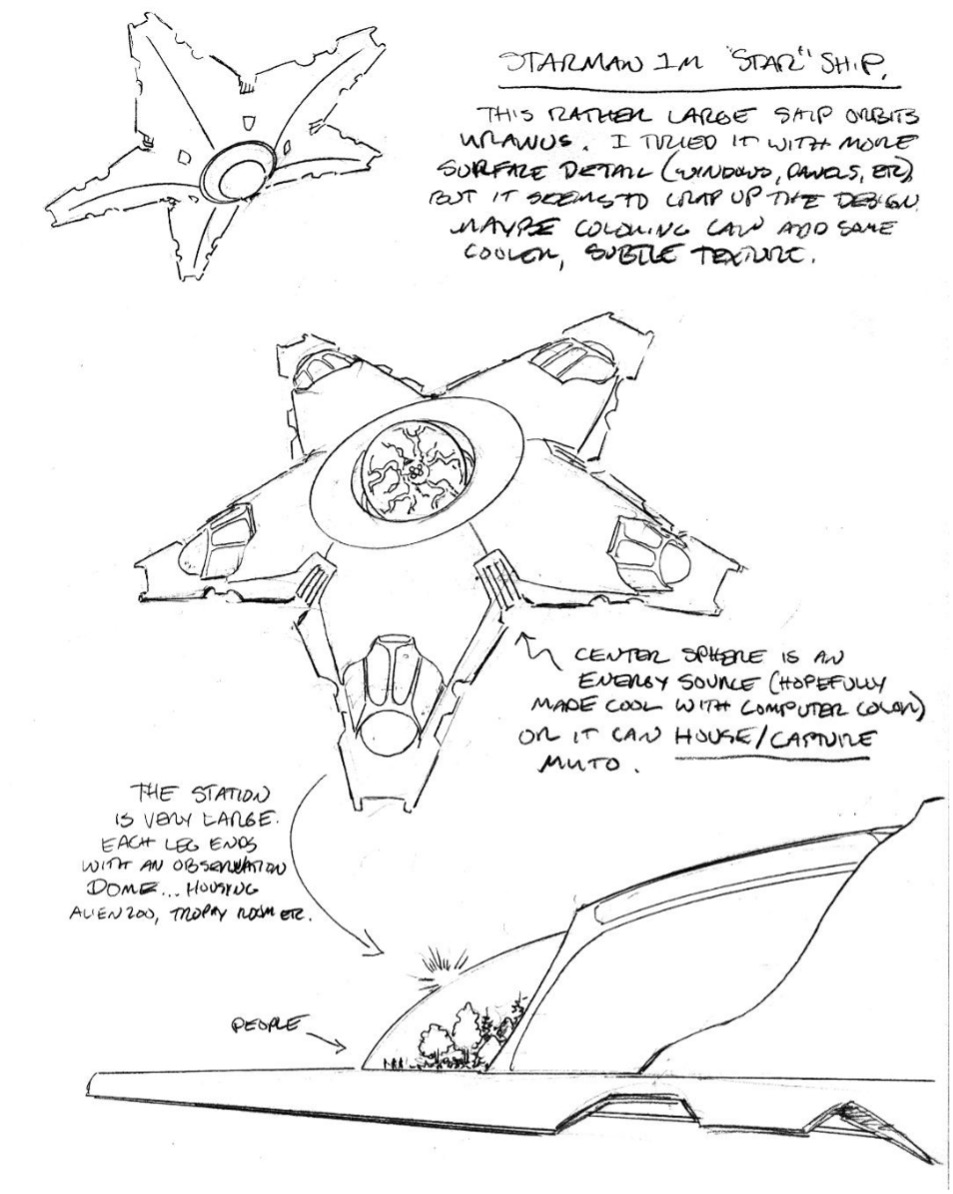
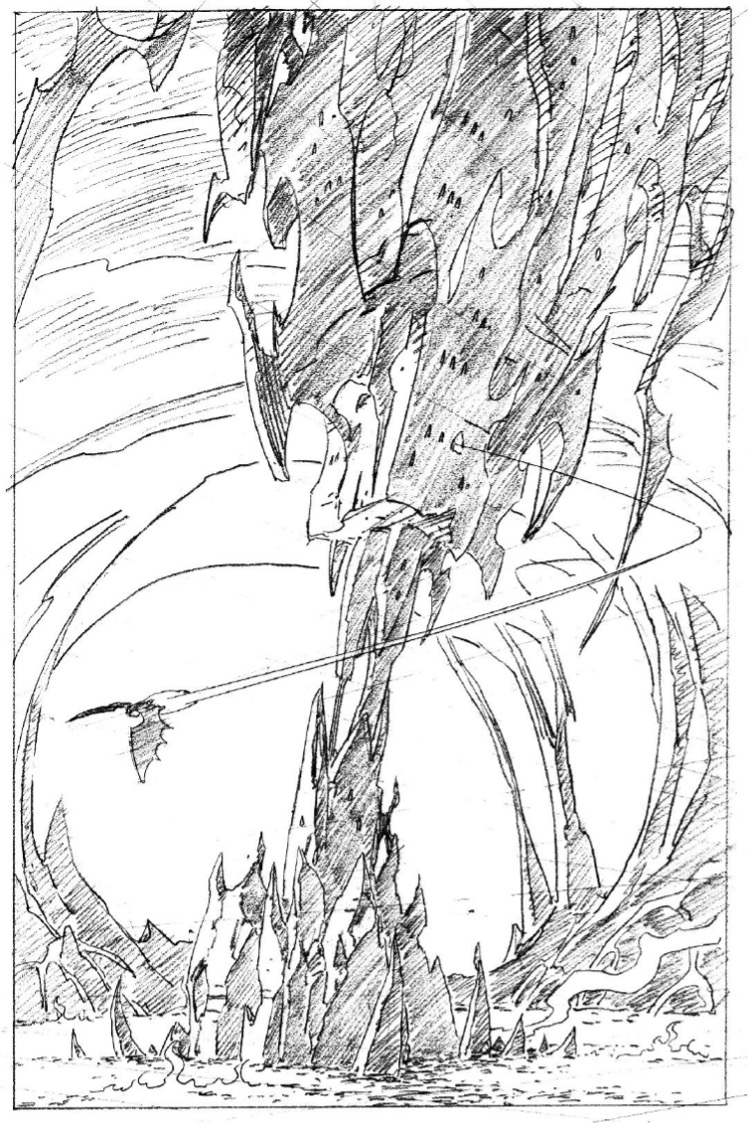
Note: A Gotham study
TW: What were Grant’s scripts like to work with? Were they tightly written or did they give you a lot of freedom? Both approaches have merit and crossovers require detail I am sure, so I was just wondering how the collaboration on the core miniseries worked?
VS: Grant’s scripts were very tight. They had full dialogue and detailed descriptions of what he was looking for in the visuals. That doesn’t mean I didn’t have any freedom to interpret, but Grant is a very good writer, and there wasn’t much reason for it. I improved and clarified storytelling only when necessary.
Alan Grant wrote The Demon and Lobo when I drew the books. He was also Scottish. His writing, similar to Grant’s in that the stories have a propulsive quality. I liken it to a rock crashing down a hillside. It barrels along so fast that you don’t have time to think about the whys and what fors of what’s going on and you just have to hold on and enjoy the ride. They both wrote great dialogue too. I like that because you can make the characters act along with it. It makes them fun to draw.
TW: DC One Million was a fairly high concept idea at the time and I believe a solid sales success for DC Comics. Given the positive reaction to the Omnibus edition not so long ago, is it fair to say it is still fondly remembered? Did you suspect at the time it would be quite so successful?
VS: The DC 1M project did very well and has continued to do well in reprints. The Omnibus was popular. I knew it was a big project at the time and hoped it would be a huge success. I think it left its mark on DC Comics lore.
There was a little stir when the first image for the new Superman movie came out and showed what might have been Solaris in the background. I’d love to see concepts from DC 1M show up in that movie. That would help sell some books!
TW: Given several years’ worth of hindsight, what you would feel is the legacy of DC One Million and your work upon it with Morrison?
VS: DC One Million is certainly a career highlight for me. I’ve worked with some very good writers and Grant is one of the best. That you’re interviewing me now, almost 30 years later, speaks to its staying power. I guess that’s legacy.
TW: Can you say what you are working on currently? Is there anything you would like to promote?
VS: At this point, I’m largely retired from comics. I don’t want to work the 10-hour days it takes to draw them. It would take a very special project to get me to come back. I’m content working on my own art, drawing commissions and doing the occasional comic con.










You must be logged in to post a comment.