

Feature
Tripwire Takes A Look Back At BBC’s Threads Nuclear Drama

Forty Years On…
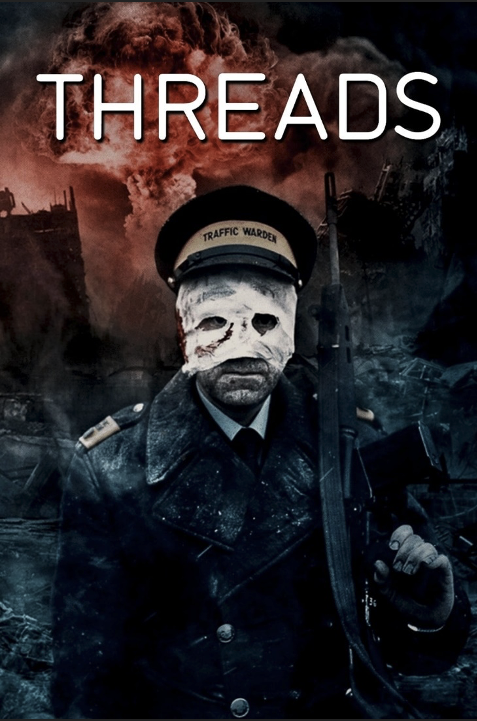
At twenty minutes past ten on Wednesday 9 October 2024, BBC 4 repeated the groundbreaking television movie Threads. It is worth noting that, at the time of writing, it can now also be viewed on the BBC iPlayer app and unlike the limited DVD release, and perhaps for very first time, it is broadcast with subtitles for the hard of hearing. As is often the case with such things, how long it will remain on the BBC’s streaming service is unknown at this time.
This eye-opening production was first broadcast on BBC 2 on 23 September of 1984 and it gave the British population a graphic representation of the potential consequences of the nuclear arms race.
For this reason, given forty years’ worth of hindsight, Tripwire’s contributing writer Paul Neal, who saw it when it was first broadcast, decided to take a look back at this landmark piece of British television with a fresh pair of eyes…
What was Threads?
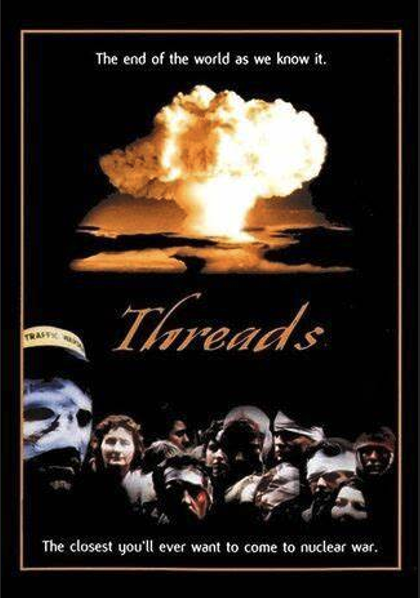
Threads was a 1984 television movie produced by the BBC, in collaboration with the Nine Network broadcaster in Australia. It offered a stark representation of the potential social, economic and quite literal fallout from a nuclear conflict between the United States and the Soviet Union.
Before diving into the details of the film, given the fact that forty years have now past since the original broadcast it seems wise to try to genuinely picture what the world looked like in 1984.
1984
The nightmarish picture painted by George Orwell’s in his novel 1984 had not come to pass, although some may argue it is fast approaching, but it is wise to put such thoughts aside for another time.
1984 was a leap year, Prince Harry, Katy Perry and LeBron James were all born, and Eric Morecambe and Richard Burton sadly passed away. In the same year Ghostbusters, Indiana Jones And The Temple of Doom and Gremlins topped the movie box office, and Prince’s Purple Rain and Bruce Springsteen’s Born in The USA were vying for supremacy in the album charts.
At the same time, the political landscape painted a far less rosy picture. In March, the United Nations condemned Iraq for its use of chemical weapons, the protracted mineworkers strike began in the UK, the Soviet Union boycotted the 1984 Summer Olympics in Los Angeles, an explosion at the Soviet Severomorsk Naval base destroyed two-thirds of all the missiles stockpiled for the Soviet’s Northern Fleet, and a methane explosion at Abbeystead water treatment works in Lancashire in the UK killed 16 people.
It was a time when the Cuban Missile Crisis may have been fresh in the minds of many, Margaret Thatcher was Prime Minister in the UK, Ronald Reagan was just about to be elected to his second term as President of the United States and Konstantin Chernenko was the interim leader of the Soviet Union. This cocktail of personalities and uncertainty coupled with facts in October: Michael Buerk reported a famine of unprecedented scale in Ethiopia, that was followed days later by the assassination of India’s Prime Minister Indira Ghandi, and the IRA Grand Hotel bombing during the Conservative Party conference in Brighton took place. It is easy to understand why Threads resonated for many for some time after its broadcast.
The world was a different place, and occasionally the arts (in this case television) gave a warning toward where we may have been heading. It was a scary time.
Did Threads Have a Storyline?
Yes indeed, there was a storyline. It may seem redundant but there are some obvious (and some less obvious) spoilers ahead in this brief synopsis.
So as is the online etiquette: SPOILER ALERT!
In the English city of Sheffield, Ruth Beckett and Jimmy Kemp plan to get happily married after learning of Ruth’s unplanned pregnancy. At the same time, a political crisis develops after the Soviet Union invades northern Iran in response to an American-backed coup d’etat. Everyday life in Sheffield continues as conflict breaks out between two great superpowers. As a precaution, Britain prepares for the possibility of nuclear war and society gradually destabilises from panic buying to looting, and outright daily violence.
Early one morning, the Soviets launch a nuclear strike that kills tens of millions, including Jimmy and his family. Society collapses entirely amid the chaos and devastation. Firefighting attempts are suspended terrified of the spreading radiation poisoning, hospitals are overwhelmed, and the Sheffield city council suffocate in their bunker over the course of a month. Central government is mostly ignored, and survivors are mostly left to fend for themselves. Fresh food becomes the only form of recognised currency that is awarded for labour and withheld as punishment for disobedience. After much suffering, Ruth gives birth to her baby alone.
10 years later, what remains of Britain’s surviving population has dropped to a pathetic medieval level of 4 to 11 million people, and the UK remains devastated.
A Few Details

Threads was originally conceived under the title Beyond Armageddon and in part was made as a response to the controversial 1966 BBC quasi documentary The War Game, which itself was only ever broadcast once some nineteen years later in 1985 for fear it might result in a spate of mass suicide attempts. Even to this day, it is tricky to find a reasonable high quality opportunity to watch this production.
Mick Jackson was a respected yet relatively inexperienced director at the time who went on to direct the Steve Martin comedy LA Story in 1991, The Bodyguard in 1992, Volcano in 1997 and most recently the fascinating story of the David Irving libel case in 2016’s Denial.
Barry Hines was chosen as the scriptwriter for Threads likely because of his novel A Kestrel For a Knave (1968) and his involvement in adapting his work for Ken Loach for the film Kes (1969).
Jackson and Hines’ research including studying numerous texts and essays including those written by astronomer and science writer Carl Sagan and peering behind the veil of government secrecy to understand how the government of the day might credibly have responded after a nuclear strike.
Threads was reportedly made on a budget of £400,000 which in today’s terms with inflation could be considered to equate to around £1.3 m. While this was far from a big-budget Hollywood style production, it still represented a sizeable financial investment and risk at the time for everybody involved.
It is said that during filming, makeup for extras playing third degree-burn victims consisted of Rice Krispies and tomato ketchup. Stage snow had to be used to mimic fallout debris and cameramen made use of light filters to block out the sunlight to create the illusion of a nuclear winter. Interestingly actors from Granada Television’s Coronation Street were considered in the early casting stages, yet wisely it was soon decided it was best to cast relative newcomers to the profession to heighten the film’s realism.
With that fact in mind, perhaps it is worth looking at some of the actors and actresses involved in Threads. The knowledge that many of the cast went on later to feature in several British soap operas including Coronation Street and Emmerdale may feel vaguely ironic.
The Cast
Reece Dinsdale as Jimmy Kemp
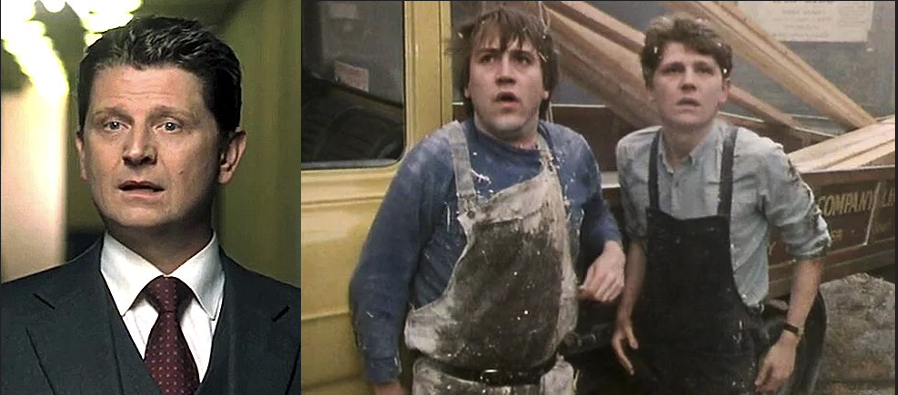
Some of Dinsdale’s other notable credits include Spooks (2003), Life on Mars (2007), Silent Witness (2008), Coronation Street (2008-2010), Waterloo Road (2011) and most recently Emmerdale (2020 – 2021)
Karen Meagher formerly Karen Lloyd as Ruth Beckett
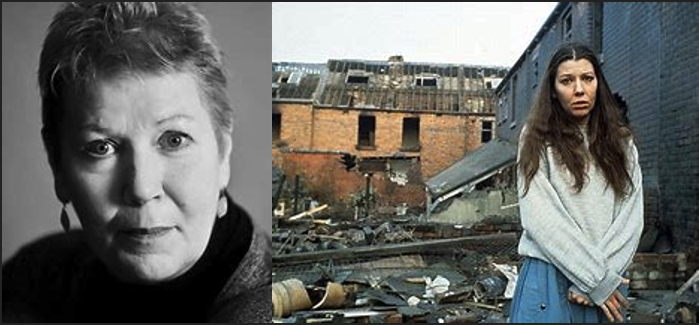
Karen Lloyd (now Meagher) was at the time of filming a member of CND and later had a role in Chernobyl: The Final Warning which was a less than perfect 1991 American TV movie with some obvious themes that mirrored Threads. Her other acting roles include appearances in the long-running series Heartbeat in 1994 and the 2006 BBC production of The Wide Sargasso Sea.
David Brierly as Bill Kemp
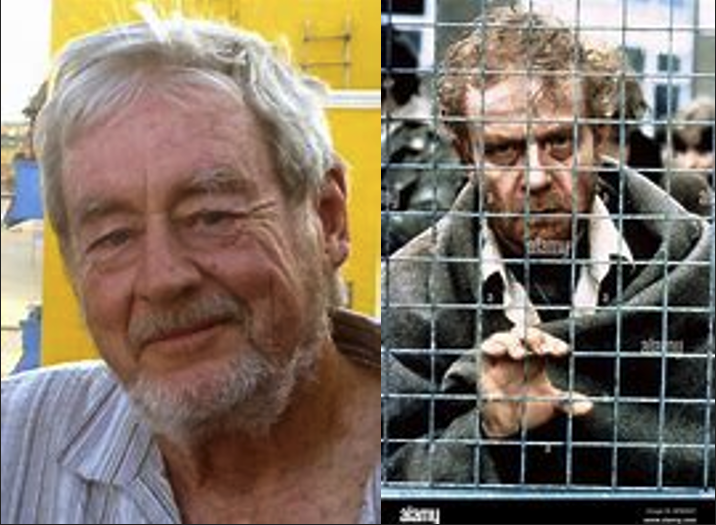
After Threads, English actor Brierly’s most notable acting role was to voice the robot dog K9 in Doctor Who during the 1979 to 1980 season. After this, his career involved very small roles in programmes such as The Tripods (1985) and Howards Way (1986). He passed away aged 73 in 2008.
Rita May as Mrs Kemp
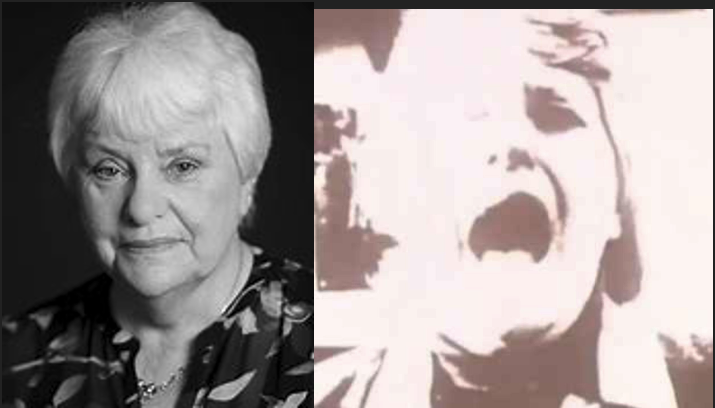
Born in 1942, May has had a long but largely unspectacular career with minor roles in many British dramas and soap operas such as The Bill, Doctors, Coronation Street and Holby City often reappearing years later as different characters. Her breakout role would surely be her 68 episodes as part of the main cast of the Sky One sitcom Trollied.
Jane Hazlegrove as Alison Kemp
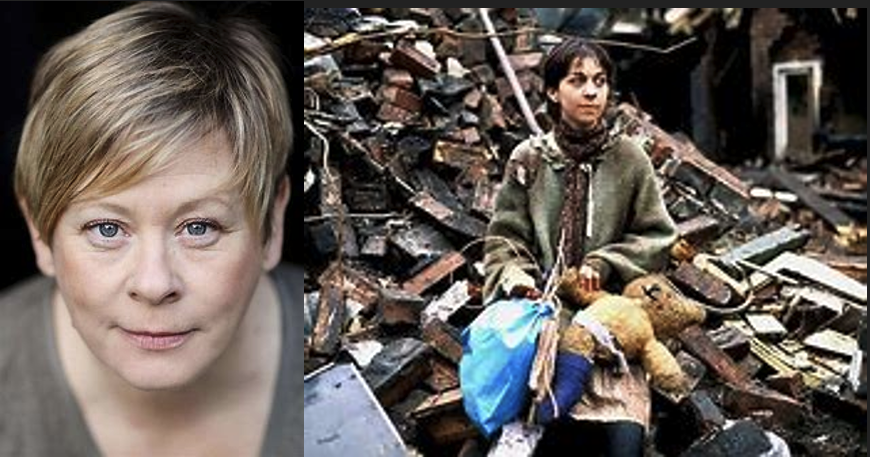
After Threads, Hazelgrove had a reasonably successful career that among others includes recurring roles in London’s Burning (1998), Silent Witness (2002) and Casualty (1996 – 2019.)
Nicholas Lane as Martin Kemp
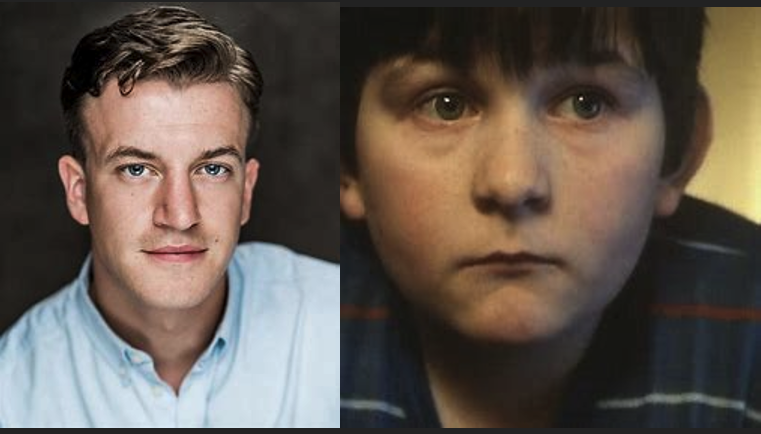
Subsequent to Threads, Lane went on to have a modest movie and television career and is best known for his role in the Rugby sports movie Up and Under (1998) and also appearances in Paul Greengrass’ The Fix (1997) and later Fanny and Elvis (1999)
June Broughton as Mrs Becket
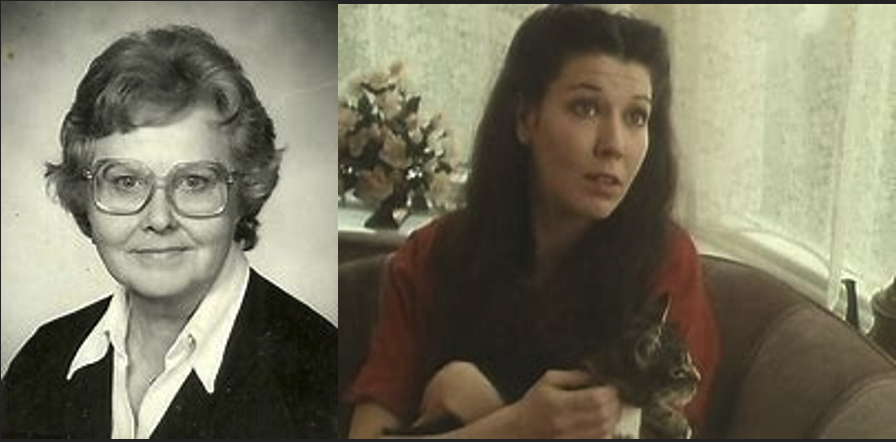
Jane Broughton (born June White) went on to enjoy some limited fame with bit parts in The likes of Heartbeat and Cracker, but she also appeared in British films such as The Full Monty (1997) and The Parole Officer (2001)
Harry Beety as Clive Sutton
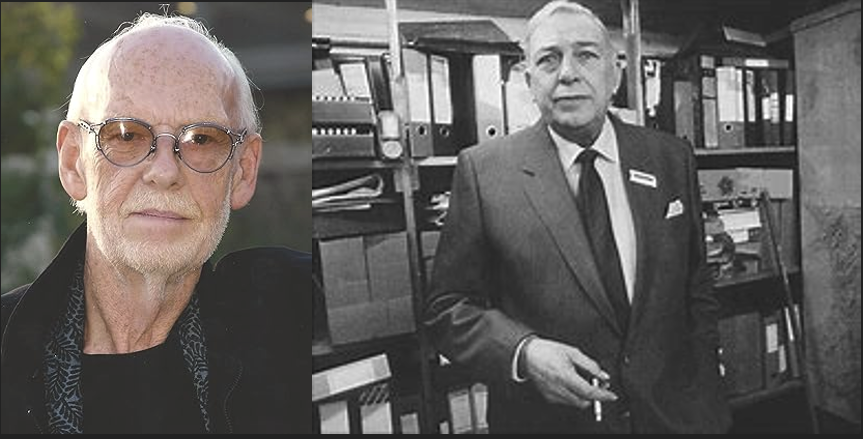
Harry Beety had a reasonable acting career and was known for TV shows such as The Expert (1968), Holly (1972) and The Big Deal (1984.) He died in 2001.
Michael O’Hagan as Chief Superintendent Alan Hirst
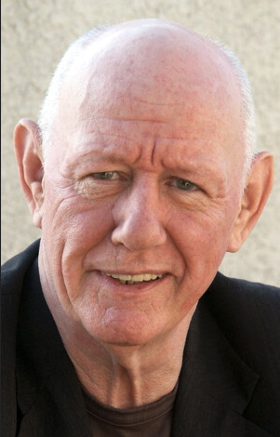
O’Hagan had a long and successful career appearing in a variety of TV series and movies. In television his most successful role was as Johnny Harris in EastEnders (1987 – 1991) on the big screen he had roles in several film including Midnight In The Garden of Good and Evil (1997), Speed 2: Cruise Control (1997), Gods and Monsters (1998) and End of Days (1999) He passed away aged 77 in November 2017.
Phil Rose as Dr Carlton, The Medical Officer
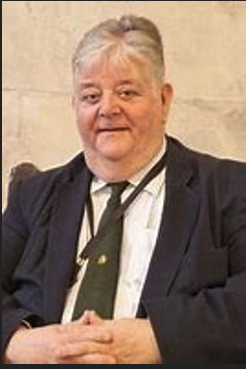
Phil Rose went on to have a distinguished and serious theatre career that also includes over twenty years’ worth of experience as a pantomime dame. TV roles included a brief spell credited simply as The Landlord in EastEnders (1985) but is best remembered for his role as Friar Tuck in the 1980s series Robin of Sherwood (1984-1986)
Steve Halliwell as The Information Officer
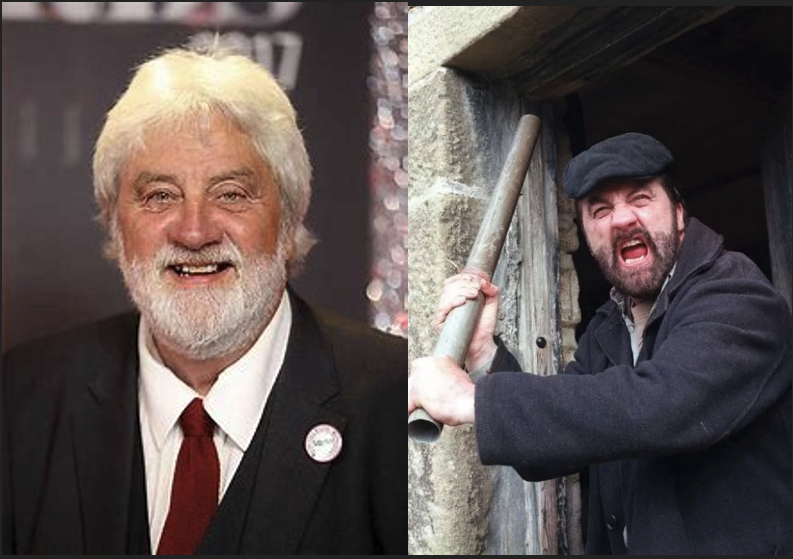
Largely unknown prior to Threads, Halliwell went on to have a long career. His most noteworthy credits include 44 appearances in the medical soap opera The Practice (1985- 1986) but most significant is his role as Zak Dingle in Emmerdale (1994-2023) appearing in an impressive 2442 episodes over almost twenty years. The actor passed away on 15 December 2023.
Colin Ward-Lewis as Newsreader
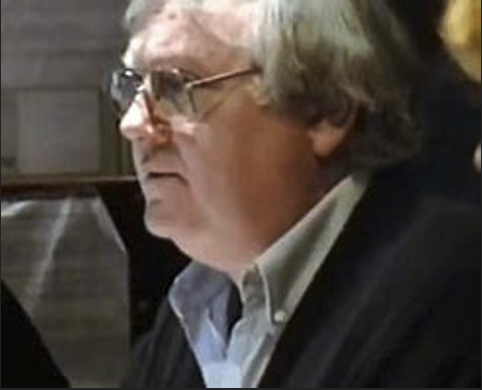
Colin Ward-Lewis already had a successful career before Threads behind the cameras as a producer for the BBC. He credits included Points of View, Blankety Blank (1978) and Wilderness Road (1986).
Lesley Jupp as Newsreader

Lesley Judd already had a successful career as a television presenter before appearing in Threads. She was best known as a Blue Peter presenter (1972-1979) and as a host on Valerie Singleton’s Val Meets The VIPs, where she interviewed Margaret Thatcher among many others. In the early 1990s, she also co-presented Time To Talk for Channel 4.
The Broadcast of Threads
Threads was first broadcast on BBC Two on 23 September 1984 at 9:30 pm and achieved the highest ratings on the channel (6.9 million) of the week.
Around six hundred extras from the city of Sheffield were invited to a screening ahead of the official broadcast. It is worth considering this all occurred long before VHS machines were commonplace in most households, and it was only repeated eleven years later on 1 August 1995 as part of a week of programmes that commemorated the fortieth anniversary of the atomic bombings of Hiroshima and Nagasaki.
Threads was not shown again on British screens until the digital channel BBC Four broadcast it in October 2003 and this pattern of rare opportunities to view this classic continued for international broadcasters in Canada, United States and Australia. It would appear that Threads has yet to be ever officially broadcast in The Soviet Union / Russia.
In January 2018, journalist Julie McDowall unsuccessfully spearheaded a campaign to encourage the BBC to repeat the film for the film time since 2003. She urged the viewers to share their reactions on Twitter using hashtag #threaddread.
DVD release
In 1997, Threads was released by BBC Video (on VHS and, for a very short period, Betamax)
The film was re-released on both VHS and DVD in 2000 on the Revelation label. A new edition was released on DVD back in 2005.
In 2018, Threads was released by Severin Films on Blu-ray in the United States.
Also, in 2018 Simply Media released a Special Edition DVD in the UK. It recycled existing commentaries and associated documentaries and news footage.
Personal Thoughts
I look back upon watching Threads with some mixed emotions. It represented two hours that truly scared my father. It upset us both. Politics be damned. Threads must be recognised for what it represents. It scared a lot of people and at the time offered a wake up call to many that feared the proliferation of nuclear weapons.
The Legacy of Threads
As part of the horror of Threads to work, Jackson said he left many things unseen: “To let images and emotion happen in people’s minds, or rather in the extensions of their imaginations”. He is quoted as saying he recalled that while BBC productions would usually be followed up by phone calls of congratulations from friends or colleagues immediately after airing, this was simply not the case with Threads. Jackson later “realised…that people had just sat there thinking about it, in many cases not sleeping or being able to talk.”
He later also stated that he had it on reasonably authority that Ronald Reagan watched the film when it aired in the US. Also, he and Hines received a letter of praise from former Labour leader Neil Kinnock, stating “the dangers of complacency are much greater than any risks of knowledge.”
A mention must also be given to Nicholas Meyer’s similar 80s movie The Day After. It offered an equally chilling perspective of how unwise it is to make use of the deadliest weapons mankind has ever conceived. It is said that both films in tandem helped shift the US President’s policy toward eventual nuclear disarmament.
Despite the fact that the fears of global nuclear oblivion are often considered less likely in 2024 compared to the fractious era of the early 1980s, the repercussions of Threads can still be felt. The subject matter still resonates as a part of our shared consciousness. How else would Oppenheimer, a film about the genesis and indeed the birth of the nuclear arms race, have generating a box office revenue of almost a billion dollars.
Taking the founding values of Star Trek as an example, sometimes we enjoy films and television programmes and the many possible futures for humanity involved. Let us all hope very, very few scenes from Threads become our future or a shared experience we have to endure together.
As ever, Tripwire welcomes feedback.
Comments on social media are very welcome.
Here’s Tripwire’s review of Oppenheimer from last year too









You must be logged in to post a comment.