


Headlines
Tripwire Reviews Apple TV’s Pluribus Season One


Gilligan’s Island
Tripwire’s senior editor Andrew Colman reviews Apple TV’s Pluribus which ended its first season last week…
Creator: Vince Gilligan
Stars: Rhea Seehorn, Karolina Wydra, Carlos Manuel Vesga

Breaking Bad and Better Call Saul showrunner Vince Gilligan’s long-awaited new series is very much a clean break not just with his previous output, but with the zeitgeist. In a world which is fracturing and destabilizing due to mass introversion and hidebound polarisation, a show about isolation due to unseen cosmic forces seems somewhat out of step with current mores – a throwback to television and cinema’s ancient yet feted science-fiction past, where the focus (usually if not always allegorical) was on cautionary, dystopian or apocalyptic tales that focused on the plight of the individual against paranoia, conspiracy, alien invasion or extinction.
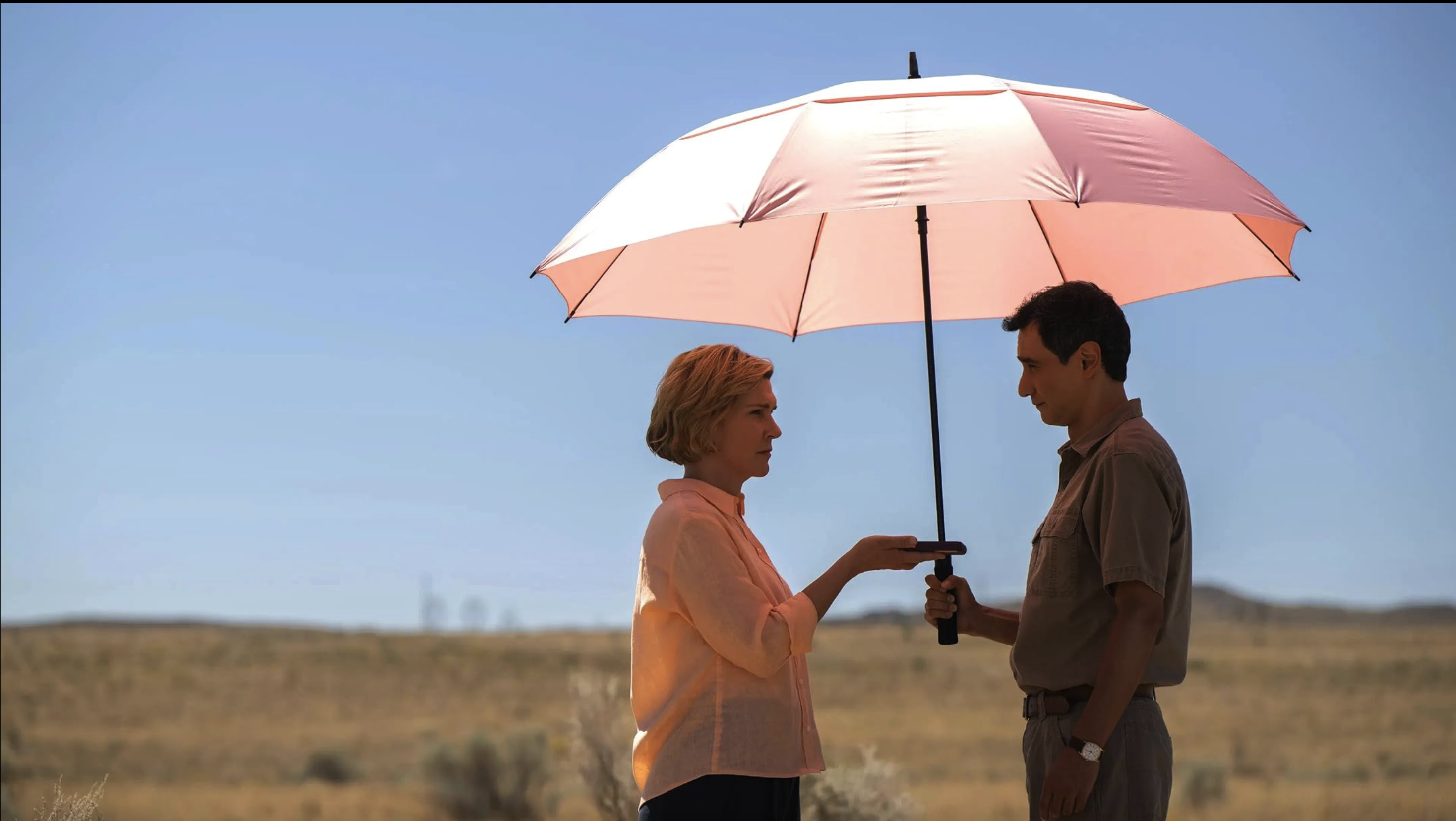
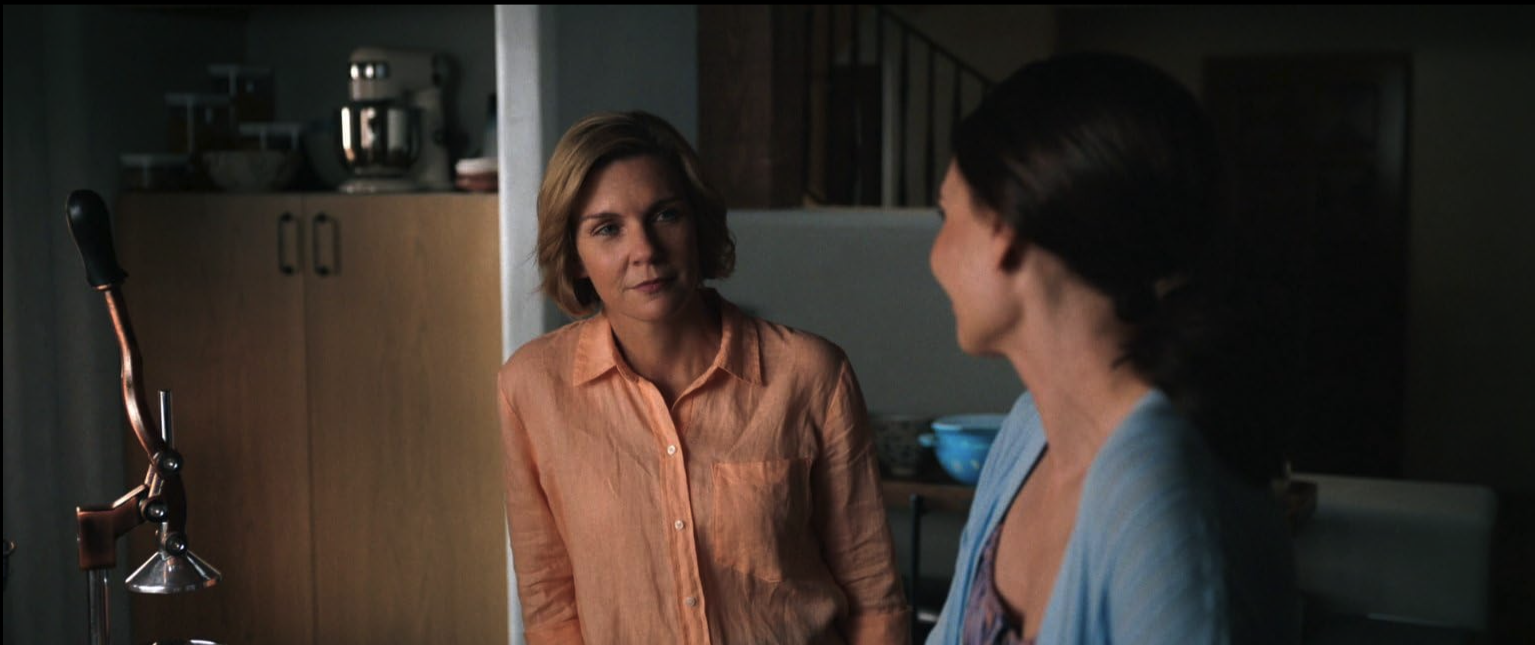
Pluribus’s essential premise is simply the journey of one such character – Carol Sturka (Rhea Seehorn), a genre author who is one of thirteen people not to have been consumed by the “Joining”, an extra-terrestrial virus that turns humanity into a singularity – a hive mind where all people are one and the same, sharing every memory and aspect of their lives in one universality, called the “Others”. Despite the overwhelming (and monumentally destructive) invasiveness of the alien virus, Carol and her fellow immune survivors are treated well, with their every wish granted. Not that Carol gets on with any of them – the rest are content in their situation and are hostile to her rebellious nature – she is indeed the last sane person on earth. Having lost her life partner in the invasion (for want of a better word) she is the audience, outraged at the 886 million souls who were sacrificed for this particularly skewed version of utopia, and (with the exception of one other character) the only reactive person left. And as the series progresses, we learn that she too will inevitably be co-opted by the invisible plague.
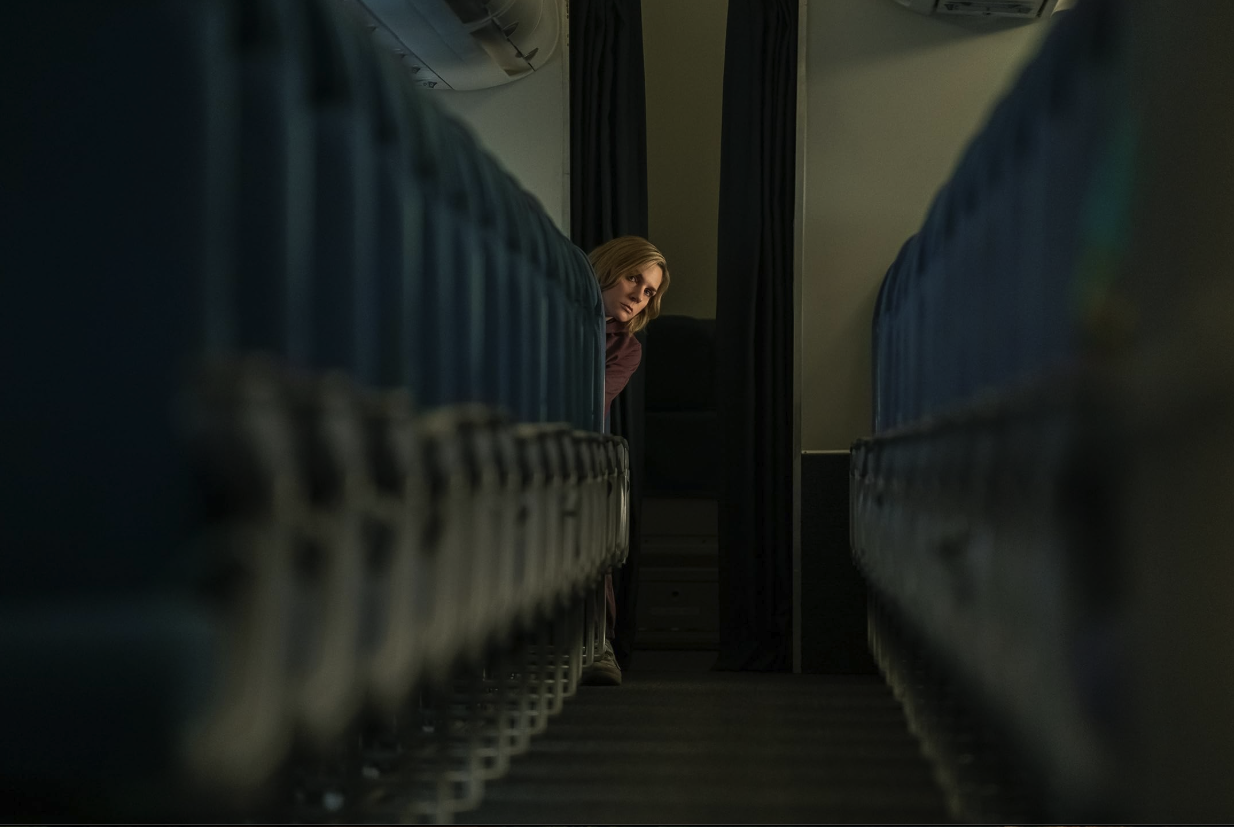
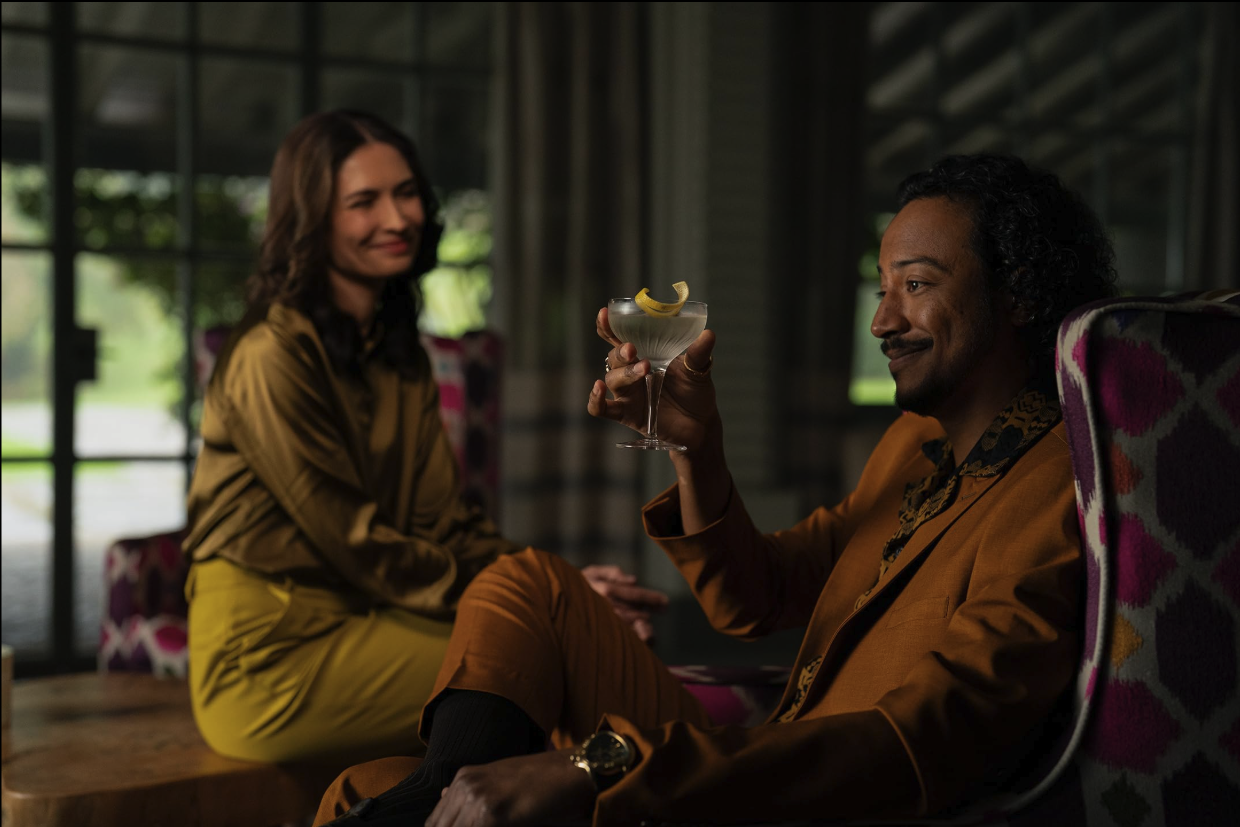
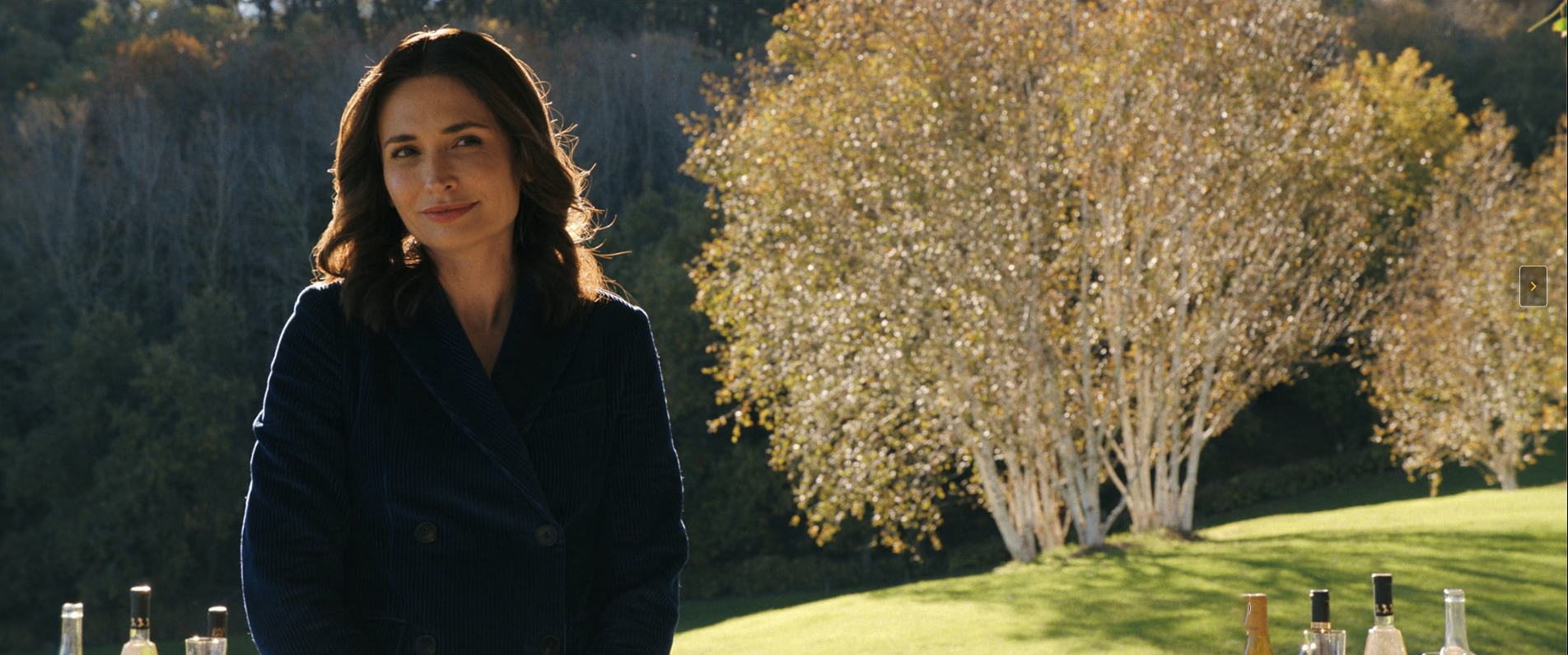
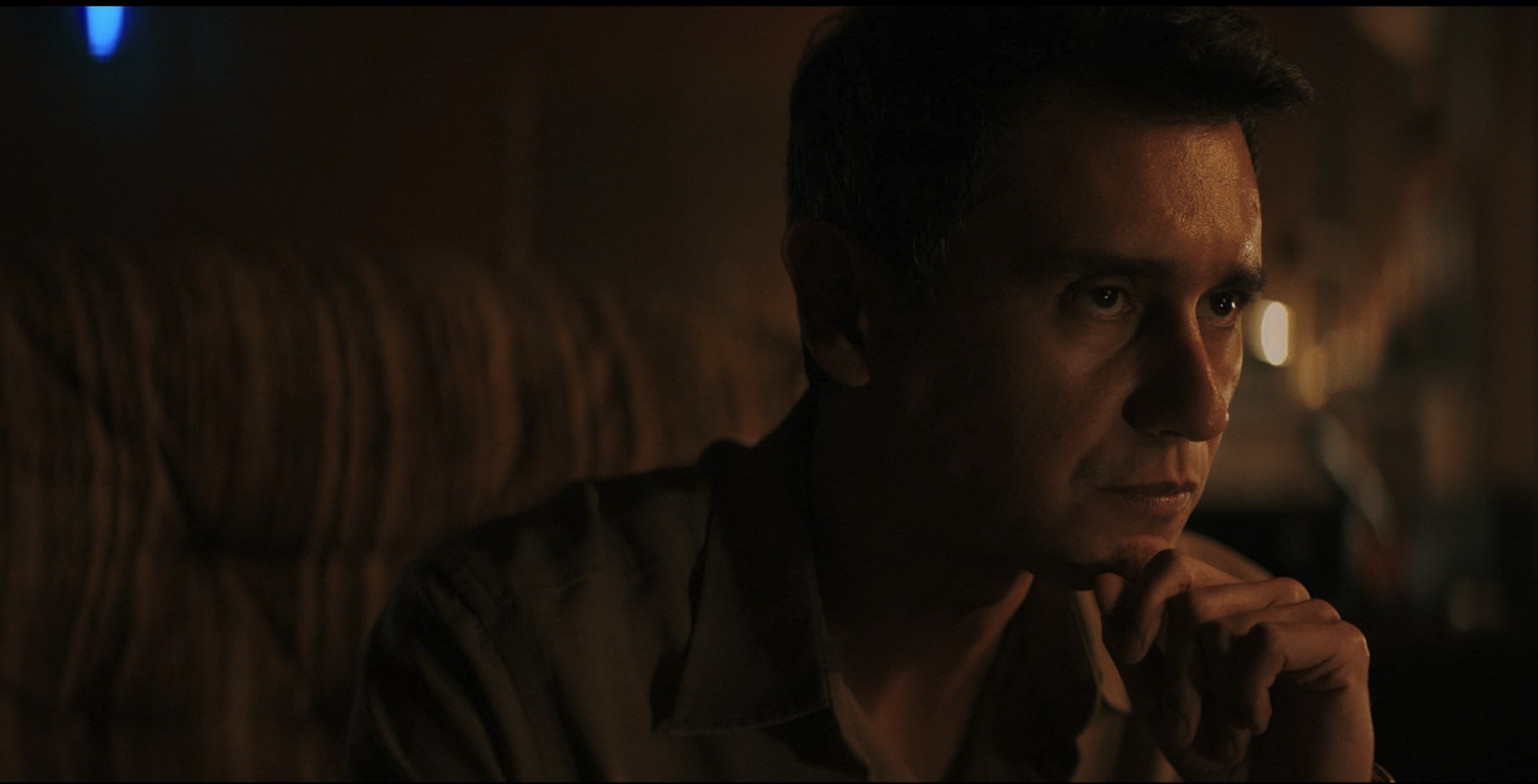
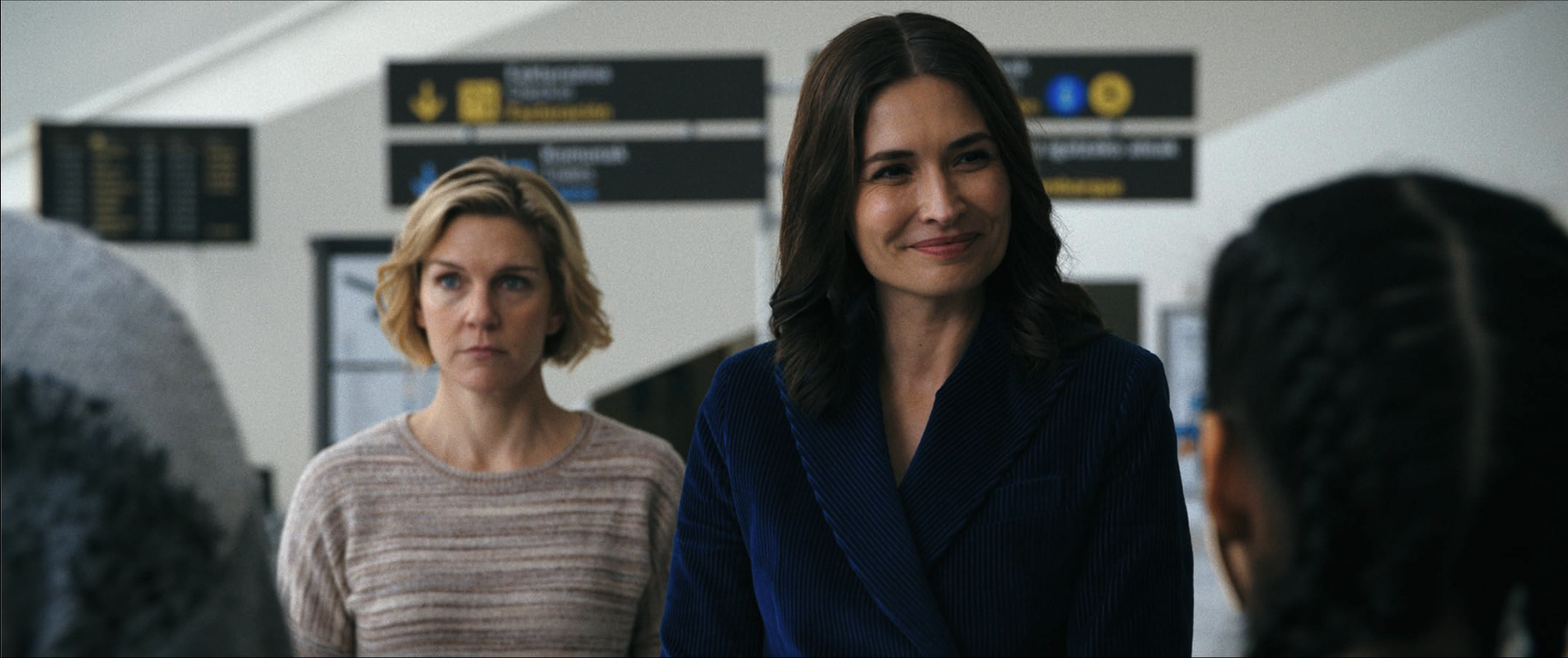
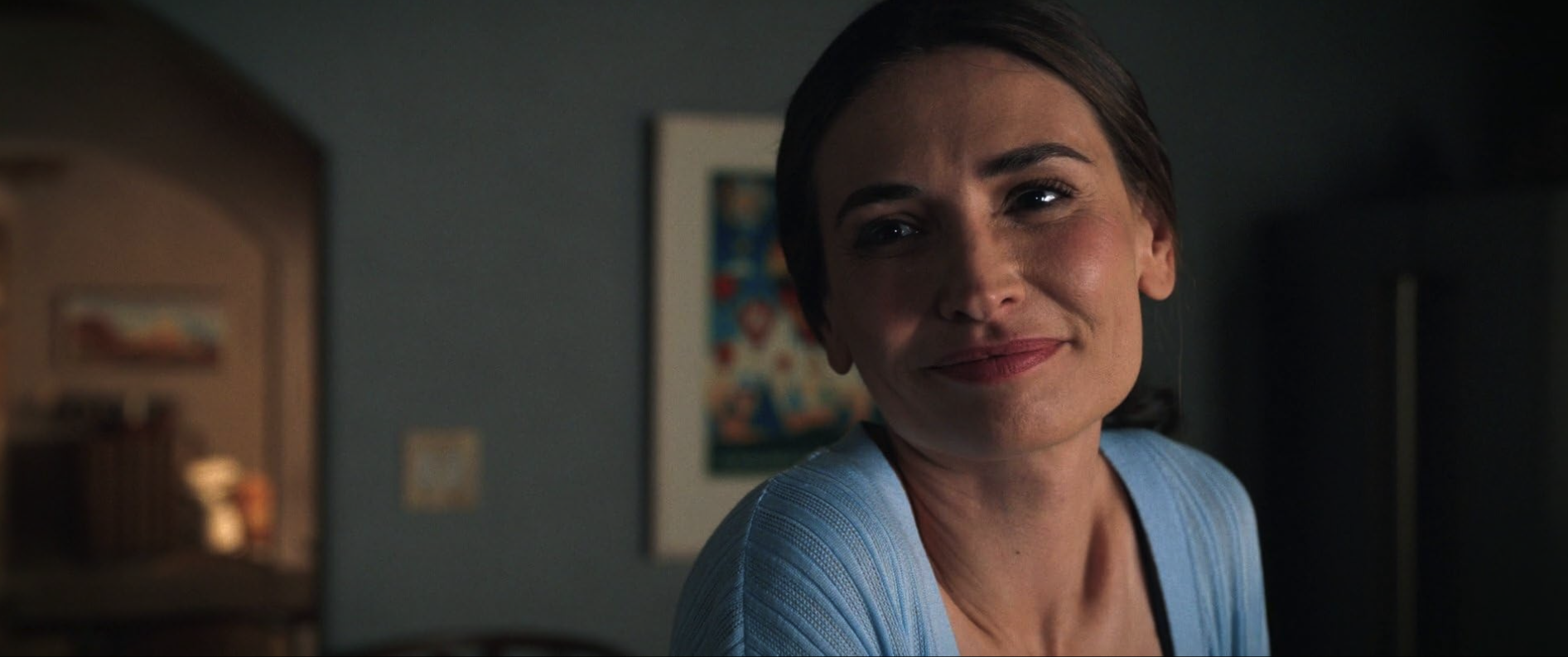
Thematically there’s plenty in this series to chew on – the fact that the RNA virus sent by radio waves through space was reproduced in laboratories on earth explores humanity’s complicity in its own servitude or extinction, while Karolina Wydra’s Zosia, Carol’s chaperone and guide, is a vessel of empty kindness and non-existent empathy posing as someone redemptive – this is the future and what’s left of humanity, an ersatz and subtly sinister simulacrum reminiscent of a happy clappy cult. And there’s the instinctive ability for people in such dire circumstances to adjust to the new reality – Manousos Oviedo (Carlos-Manuel Vesga)’s mercenary hedonist is all shallow resignation, but is happy to exploit the new reality for as long as he can. As the series develops, Carol also acclimatises to her existential despair and loneliness, yet never quite caves in to what seems manifestly inevitable.
When looked at conceptually, Pluribus hits the mark – its granular, slowly-paced narrative evoking an otherworldly vibe to familiar territory, like all good Sci-fi. Yes, it’s been done before, but as Gilligan himself points out, it is part tribute to television and cinema’s classic noir – The Twilight Zone, Invasion of the Body Snatchers, Night of the Living Dead are obvious antecedents, while ITC’s 1967 tour de force The Prisoner is also an influence, especially in its psychology, humour and atmospherics. What is also key of course is the direction and cinematography – the aridity of Albuquerque’s deserted suburbs is beautifully shot, with all the witty touches one would come to expect from Gilligan. Rhea Seehorn is superb in the lead role, as she never overcooks her exasperation and anxiety when dealing with overwhelming odds. She is a survivalist, uncompromising yet vulnerable – Seehorn’s understated acting style is perfect for this role as the archetypal science-fiction everyman who refuses to give up.
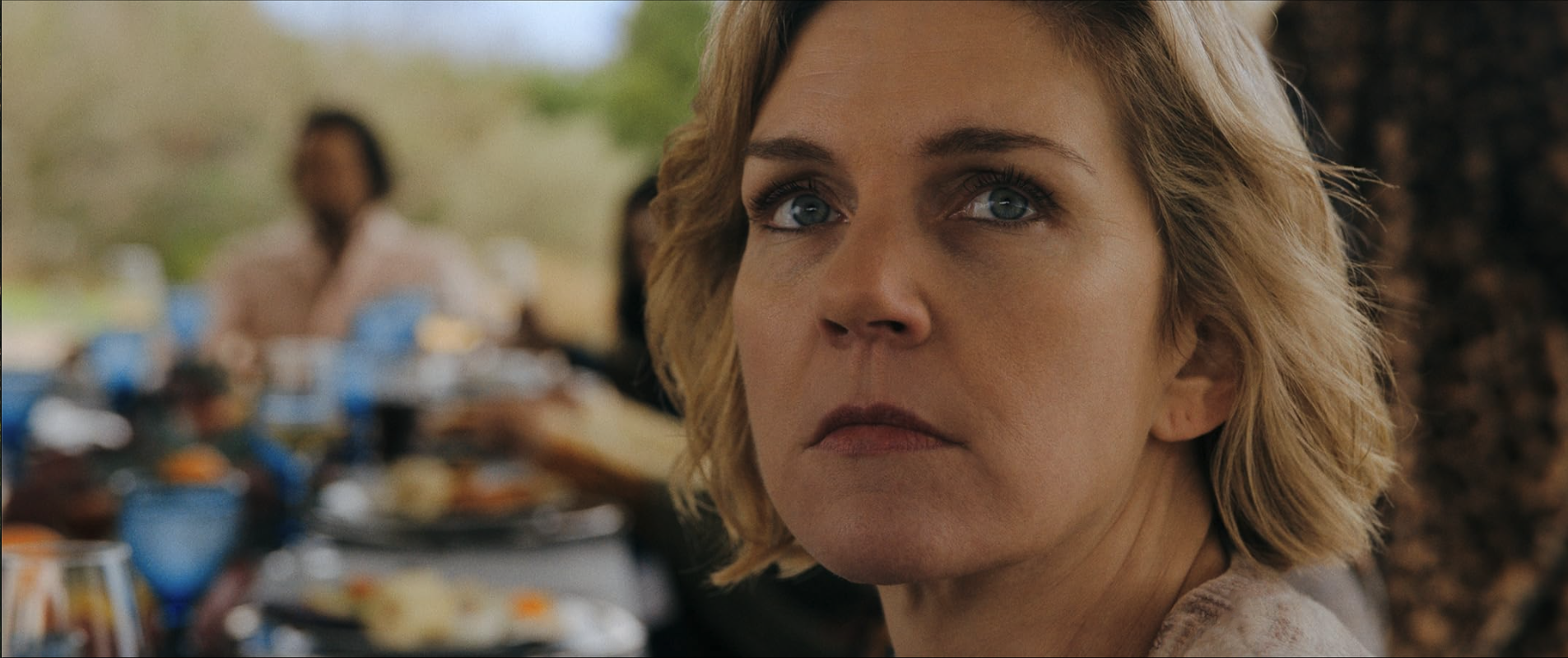
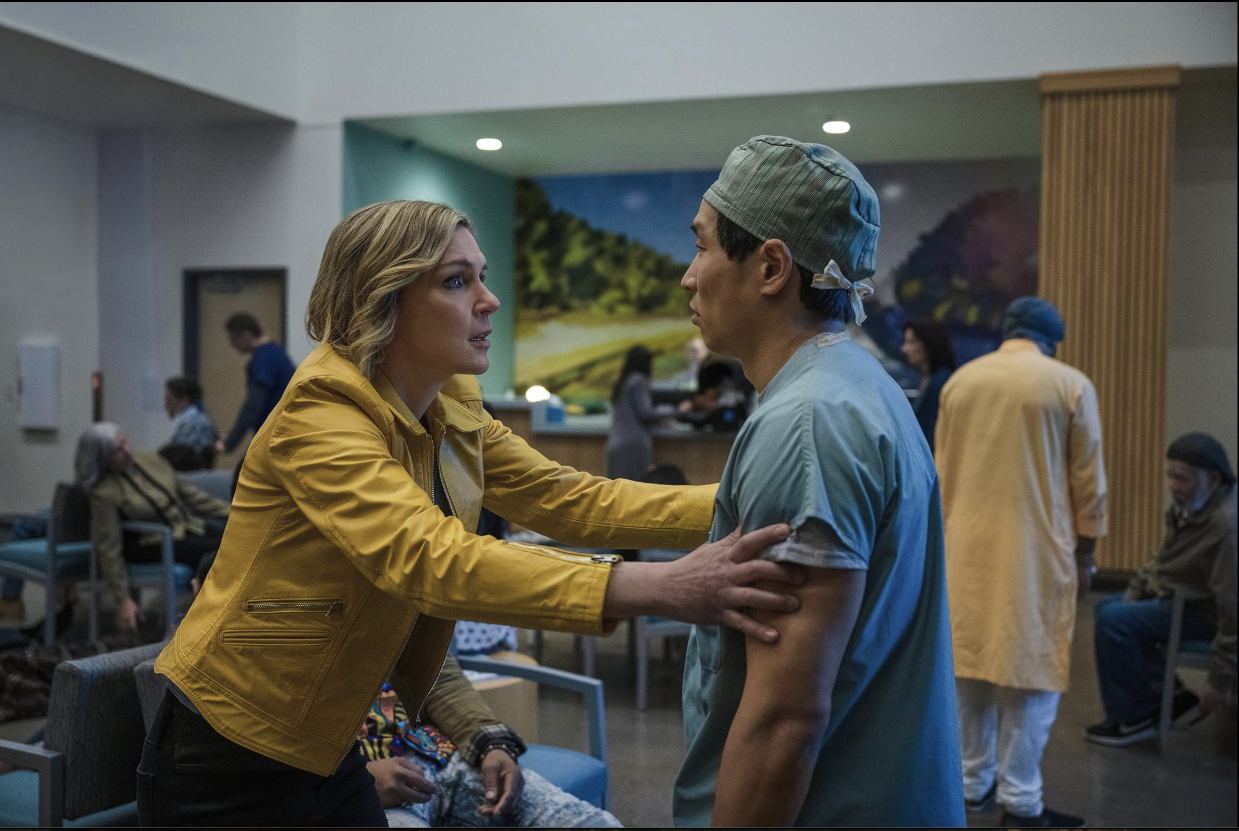
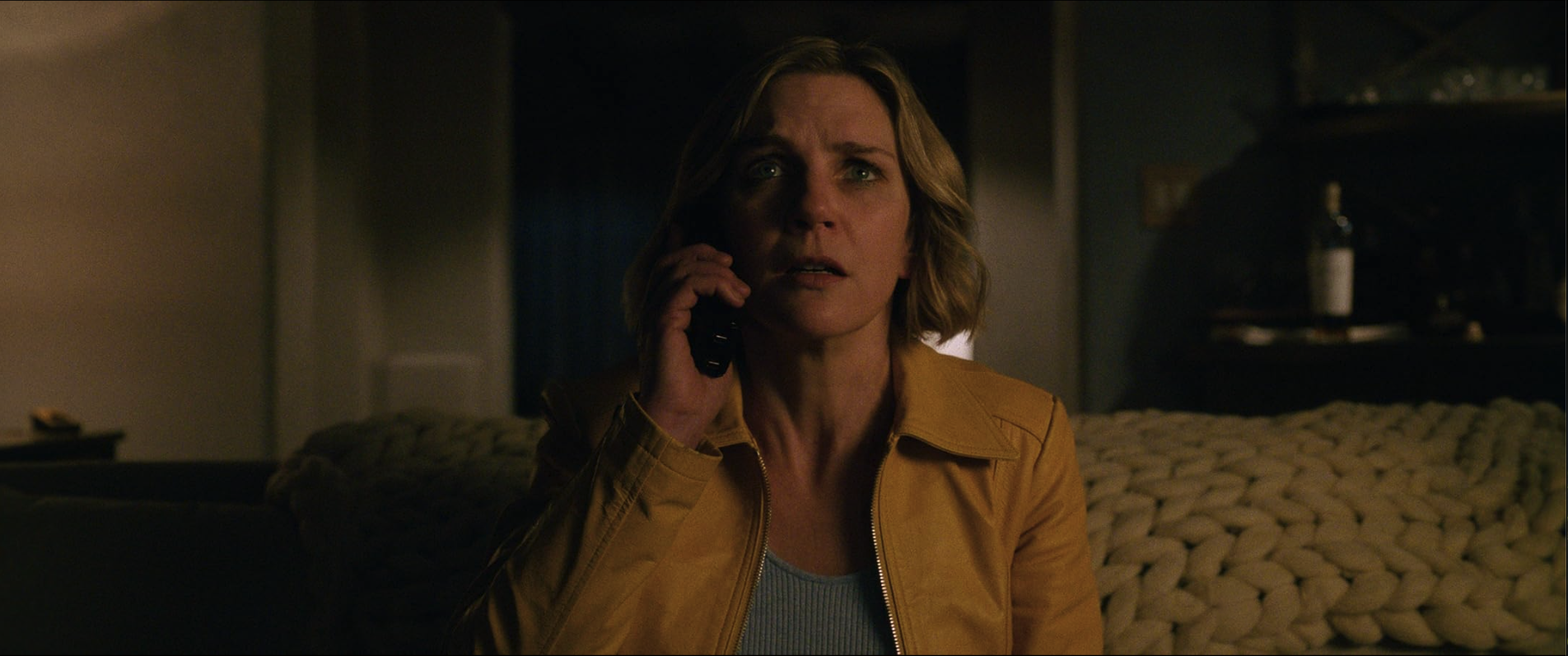
Which leads to the show’s shortcomings – for a start, the insurmountable, cosmic-level threat seems utterly unstoppable. Even if the process is reversed the damage done is on an unimaginable scale, so one wonders, now that a second series has been commissioned, where do we go from here? Over the course of nine episodes not a great deal has happened – the general feel of the piece trumping narrative direction, which is of course the point, but as a result it has given the audience no clue or foreshadowing as to where things will go. This is a series that despite its flaws has been brave enough to go against the grain – its emphasis on mood, logistics and the black humour evinced by the creepy, childlike behaviour of the Others is certainly at odds with other shows that require a conflagration or reveal at the end of each of instalment to keep audiences involved. Here everything is subtle, muted and cerebral. Overall it’s certainly been worth watching but wouldn’t bear repeat viewings – one hopes that there’s a denouement of sorts in the next series as despite the quality and ambition involved there can’t be that much more of the same.

Pluribus is available to stream on Apple TV now
https://tv.apple.com/gb/show/pluribus/umc.cmc.37axgovs2yozlyh3c2cmwzlza
https://tv.apple.com/us/show/pluribus/umc.cmc.37axgovs2yozlyh3c2cmwzlza












You must be logged in to post a comment.