
Film News
Iconic Poker Movies That Got It Wrong

Hollywood’s Bad Hands
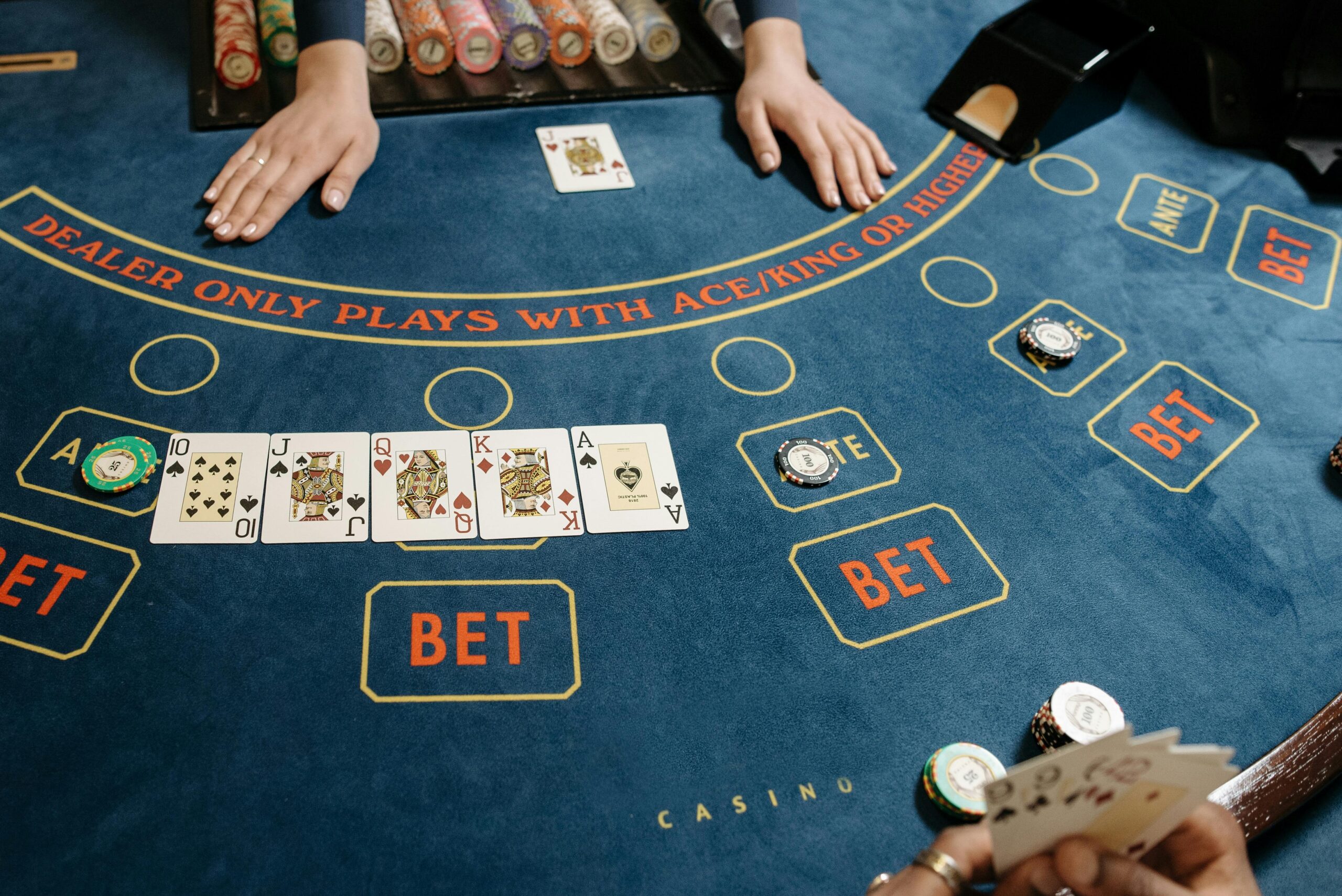
Poker movies have long been a staple in Hollywood, offering thrilling plots and high-stakes drama. Films like Casino Royale, Rounders, and The Cincinnati Kid have become iconic, shaping public perceptions of poker and casinos. However, despite their popularity, many of these movies take creative liberties with the game, often distorting how poker is actually played. From improbable bluffing to unrealistic strategies, these films get a lot wrong when it comes to the actual game of poker.
Today, poker fans can play the game anywhere, from land-based casinos to online platforms like casinos not on GamStop, where live dealer games and various poker variations provide players with a more realistic experience. But let’s take a step back and explore the films that got it wrong and why they missed the mark…
Casino Royale: The Bond Bluff
In the 2006 film Casino Royale, James Bond takes centre stage in an intense Texas Hold’em tournament against the villainous Le Chiffre. While the movie is a critical and commercial success, its portrayal of poker is far from realistic. One of the most notable errors comes during the high-stakes showdown. Bond wins a huge hand purely on intuition, making a huge bluff that supposedly rattles Le Chiffre into making a disastrous call. While the movie does a great job of creating tension, poker at the highest level is not about gut feelings.
What Went Wrong in Casino Royale
The notion that Bond could intuitively read his opponent’s cards and make a winning play is a major oversimplification. In reality, professional poker is based on strategy, careful observation of opponents’ behaviour, and understanding the odds. It’s not about just ‘feeling’ the cards or making a last-minute decision under pressure. Real poker players need to understand probabilities, observe body language, and often rely on bluffing based on skill rather than instinct.
The film portrays Bond’s reaction to losing hands as unrealistic. He doesn’t take the necessary time to think about the implications of his decisions, something that most players would do in such a high-stakes environment.
Rounders: The Final Hand
Rounders (1998) is a beloved film in poker circles, but it’s not without its inaccuracies. The movie focuses on Mike McDermott (Matt Damon) as he navigates the underground poker scene to pay off his debts. The film’s climactic showdown with the notorious Teddy KGB (John Malkovich) has become a cult classic. However, this final poker hand has been criticised for its unrealistic portrayal of decision-making in poker.
What Went Wrong in Rounders
Mike’s bluff in the final hand, where he plays against Teddy KGB, is dramatic, but it doesn’t reflect how poker professionals typically approach high-stakes situations. In the film, Mike is able to bluff KGB into folding, despite KGB having a strong hand. While bluffing is an essential part of poker, doing so in such a high-pressure scenario, especially against an experienced player like Teddy, is much more complex than the film makes it appear.
Poker, in these moments, involves careful consideration of betting patterns, player tendencies, and psychological warfare. Teddy’s decision to fold seems implausible for a player of his experience, and the film simplifies the stakes to fit its narrative.
21: Card Counting and Blackjack
While not strictly a poker movie, 21 (2008) offers an interesting take on gambling, particularly around blackjack and card counting. The film is inspired by the true story of MIT students who use card-counting techniques to win at blackjack in Las Vegas casinos. However, it takes liberties with the depiction of card counting and the ease with which the students outsmart the casinos.
What Went Wrong in 21
One of the major inaccuracies in 21 is the way card counting is portrayed. In reality, card counting is not as straightforward as the film suggests. It takes a lot of practice, and even then, the odds of winning are far from guaranteed. Furthermore, casinos are well aware of card counting techniques, and players using these strategies are often banned from the casino. The film glosses over these challenges and focuses more on the excitement of outsmarting the casino rather than the risks involved in using such strategies.
Mississippi Grind: The Misrepresentation of Poker’s Reality
Mississippi Grind (2015) is a character-driven film about two gamblers on a road trip, hoping to win big in casinos along the way. While the film does a good job of exploring the psychological toll that gambling takes on its characters, the poker scenes are far less realistic. The film showcases poker as more of an emotional journey than a strategic game.
What Went Wrong in Mississippi Grind
The poker scenes in Mississippi Grind feel like a backdrop to the characters’ personal struggles, but they don’t accurately depict the strategies involved in high-level poker. The film focuses more on the emotional highs and lows of gambling rather than the intricate decisions that come with playing poker professionally. While the emotional aspect is important in understanding gambling addiction, the film misses the opportunity to portray the actual strategy that goes into every hand of poker.