

Film News
Tripwire Reviews No Time To Die


Mission Accomplished
Tripwire’s editor-in-chief Joel Meadows takes a look at the final Daniel Craig Bond film No Time To Die…
No Time To Die
Director: Cary Joji Fukunaga
Stars: Daniel Craig, Rami Malek, Léa Seydoux, Lashana Lynch, Ralph Fiennes, Rory Kinnear, Naomie Harris
Six years since the awful Spectre and seventeen months since it was originally intended to be released, the world gets to see Daniel Craig’s fifth and final outing in the 007 tuxedo in No Time To Die. Hopes are riding high that this film will rekindle people’s love of cinema going after a tumultuous year and a half thanks to Covid.
No Time To Die opens with a very protracted pre credits sequence which offers us a flashback to Madeleine Swann (Seydoux) and her childhood trauma which is somehow connected to the villain of the piece here, Lyutsifer Safin, played by Rami Malek.


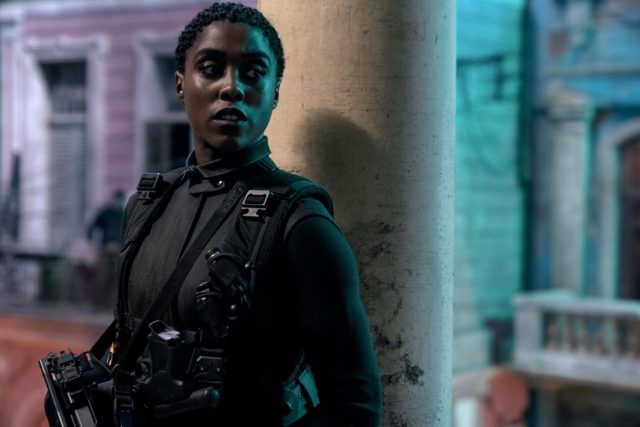
Swann is the current love of Bond’s life but they are torn apart, as Bond blames her for something that occurs in this extended opening scene. We flash forward several years later and Bond has left active service, living a remote but satisfying life in Jamaica. This life is disrupted when he is visited by his old friend Felix Leiter (Jeffrey Wright), who is there on behalf of the US secret service, immediately pressuring Bond to help him track down a rogue Russian scientist who has been developing a deadly new bio weapon. This causes Bond to come up against his former employers who are also after this scientist, Dr Valdo Obruchev, played by David Dencik. The British government has sent his replacement, Nomi, played by Lashana Lynch, to retrieve Dr Obruchev and this sets the pieces in motion.

After the poor script and weak plot of Spectre, it is refreshing to see a Bond film that actually gels on several levels. Visually, No Time To Die is a cinematic experience that feels a lot more immersive seeing it on a big screen. Cinematographer Linus Sandgren fills the frame with the sort of classic Bond action that has appealed to audiences for decades – a far superior format for such a project than streaming, needless to say.
There has been a lot of talk about the running time, as it easily clocks in as the longest Bond, but remarkably it barely feels padded. Fukunaga has the freedom to build the drama in the pre-credits sequence, offering us a Bond relationship which feels far more realistic than anything before.
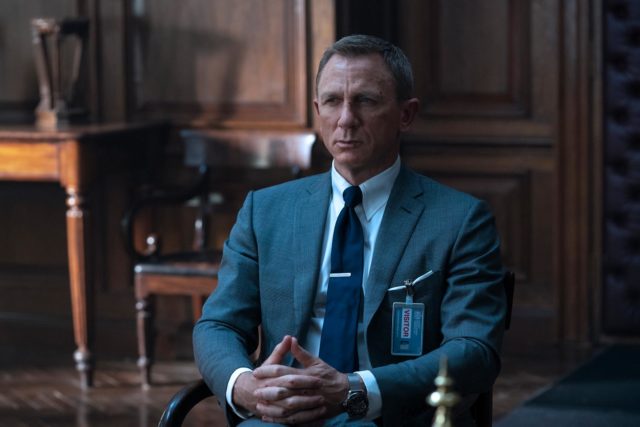

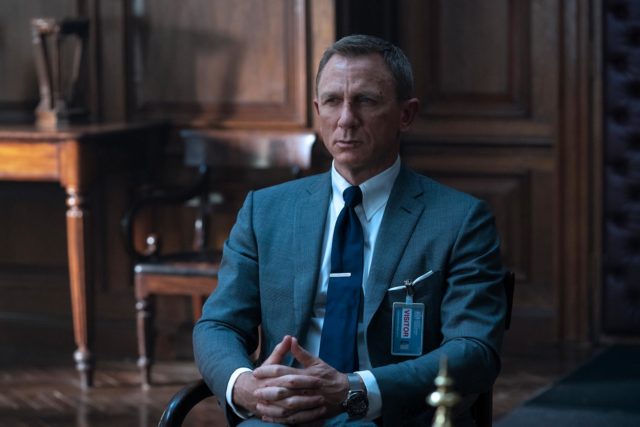
The Bond franchise has gone through numerous changes throughout its nearly sixty year history, and Craig’s Bond here is a long way from the unreconstructed take of Sean Connery or Roger Moore. He is far more self-reflecting and contemporary, with Eon carefully paying close attention to current mores – Bond is even a very different beast from when Craig was introduced in Casino Royale fifteen years ago. Lynch as MI6’s newest 00 agent is okay but somewhat wooden, although perhaps if she was given a little more to play with, she could have been more than a terse foil for the hero. We get a cameo from Christoph Waltz, returning as head of Spectre Ernst Blofeld and he is excellent, offering more in the role than he did in his entire previous appearance in Spectre. Ralph Fiennes as the world weary M offers more depth and gravitas here and proves he was an excellent choice to take over the role in Spectre, while Ben Whishaw as gadget supremo Q has grown into his part, as has the elegant Naomie Harris as Moneypenny.


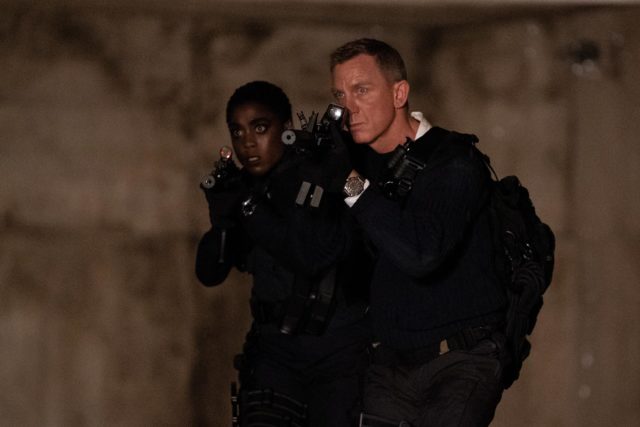

No Time To Die isn’t without its flaws. Malek as central villain Safin is excellent but his screen time is far too brief to make him feel like a heavyweight Bond adversary. And his plan for worldwide mayhem just feels ridiculous, his motivations arbitrary and barely sketched out. Plus the pace does flag a little towards the end during the final battle between Bond and Safin. Also we do miss the trademark Bond physical stunts as the movie relies a lot more on CGI than it would have done in the classic era, but the set pieces are carried off with style here.
The return of Seydoux as Swann does offer a Bond female character with a little more to do than they have in the past although the character of US government agent Paloma, played by Ana de Armas, comes across as an incongruous and throwaway plot device.
The Bond era has seen two seismic changes since the release of Spectre with the passing of the two actors who were most identified with the role (Moore and Connery). So it was right that this film does feel a little bit different to its predecessors, with the often enigmatic Craig noticeably more committed and engaged with the material and persona.
Fifteen years of being tied to such an icon of cinema is an impressive record and despite the number of false starts and release date shenanigans, No Time To Die is a suitably filmic swansong for Daniel Craig. The film does wrap up his period as Bond, without giving away too much, but it also alludes to the return of James Bond in the future too.
The Craig era has given us three memorable James Bond films and two duds which is a pretty good hit rate. No Time To Die, despite its shortcomings, proves that there is still a place for Fleming’s spy in 2021 and it should be the film that brings people back to cinemas as it feels without question the sort of movie that needs to be enjoyed on the big screen.
Watch the trailer for No Time To Die here

















You must be logged in to post a comment Login