

Doctor Who
Tripwire’s Man In Los Angeles Robert Cave Reviews Doctor Who: The Devil’s Chord

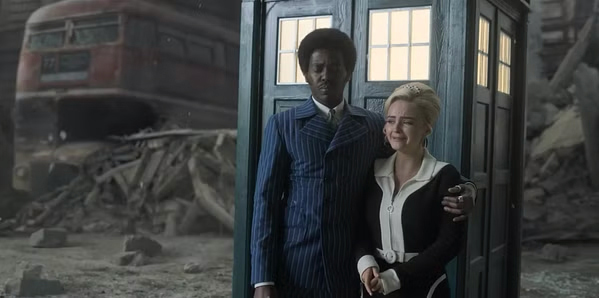
Striking The Right Chord
Tripwire’s Man in Los Angeles Robert Cave takes a look at the second episode of Doctor Who season one: The Devil’s Chord…
The Devil’s Chord
Written by Russell T Davies
Directed by Ben Chessell
Moving on we get another story with a different vibe. At this point, it is almost a tradition for the first two episodes of any Doctor Who outreach (don’t call it a relaunch, it’s been here for years) to include a trip to the future and one to the past. In narrative terms, this works to demonstrate the incredible scope and breadth of Doctor Who as a concept. Space Babies managed to combine trips to the past and the far future of 21506, but here we get full-length visit to 1963, to quote Philip Larkin, “between the end of the “Chatterley” ban. And the Beatles’ first LP”.
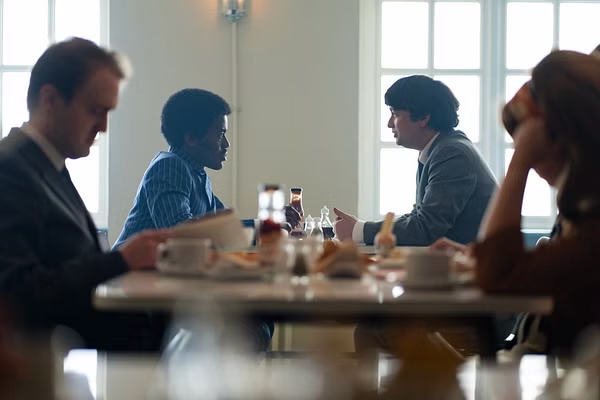
It is a place the Doctor has visited before, more than once in fact, but because 1963 is when the show actually started, there is a danger of viewing that time and space exclusively through a lens of self-referential nostalgia. This is a danger that is neatly dodged with the fresh perspective of Ruby Sunday, who just wants to go and see The Beatles recording that first LP.
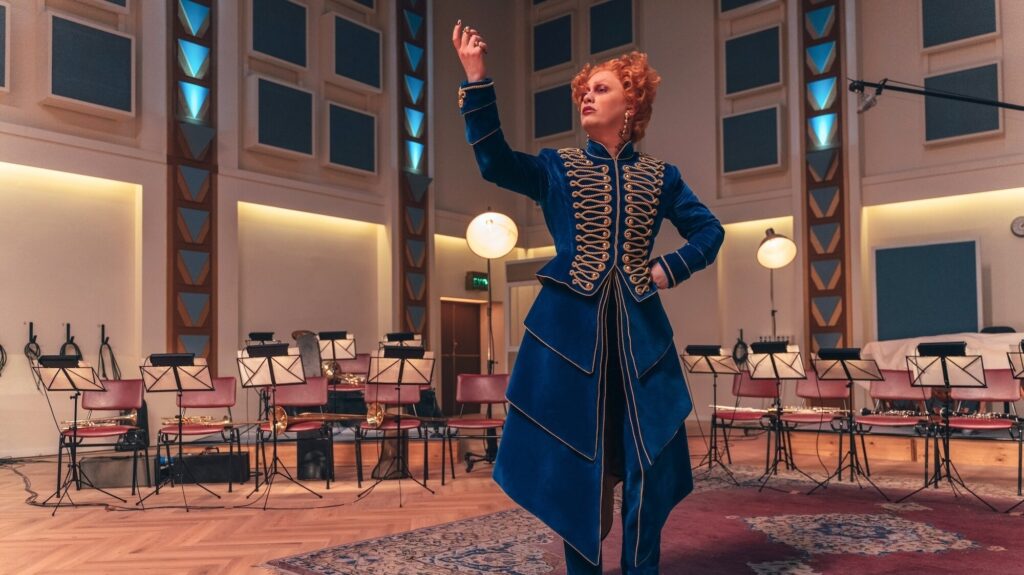
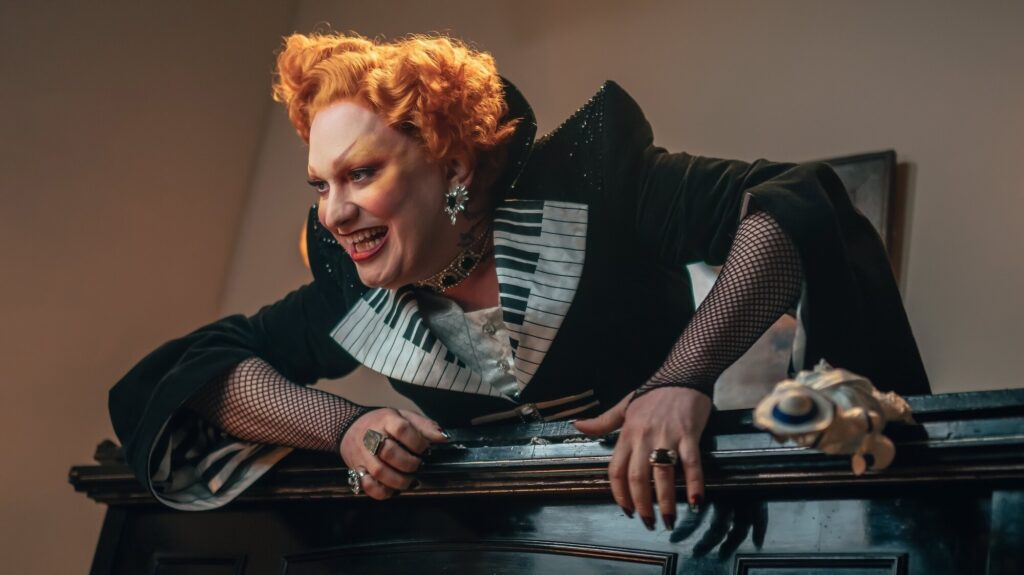


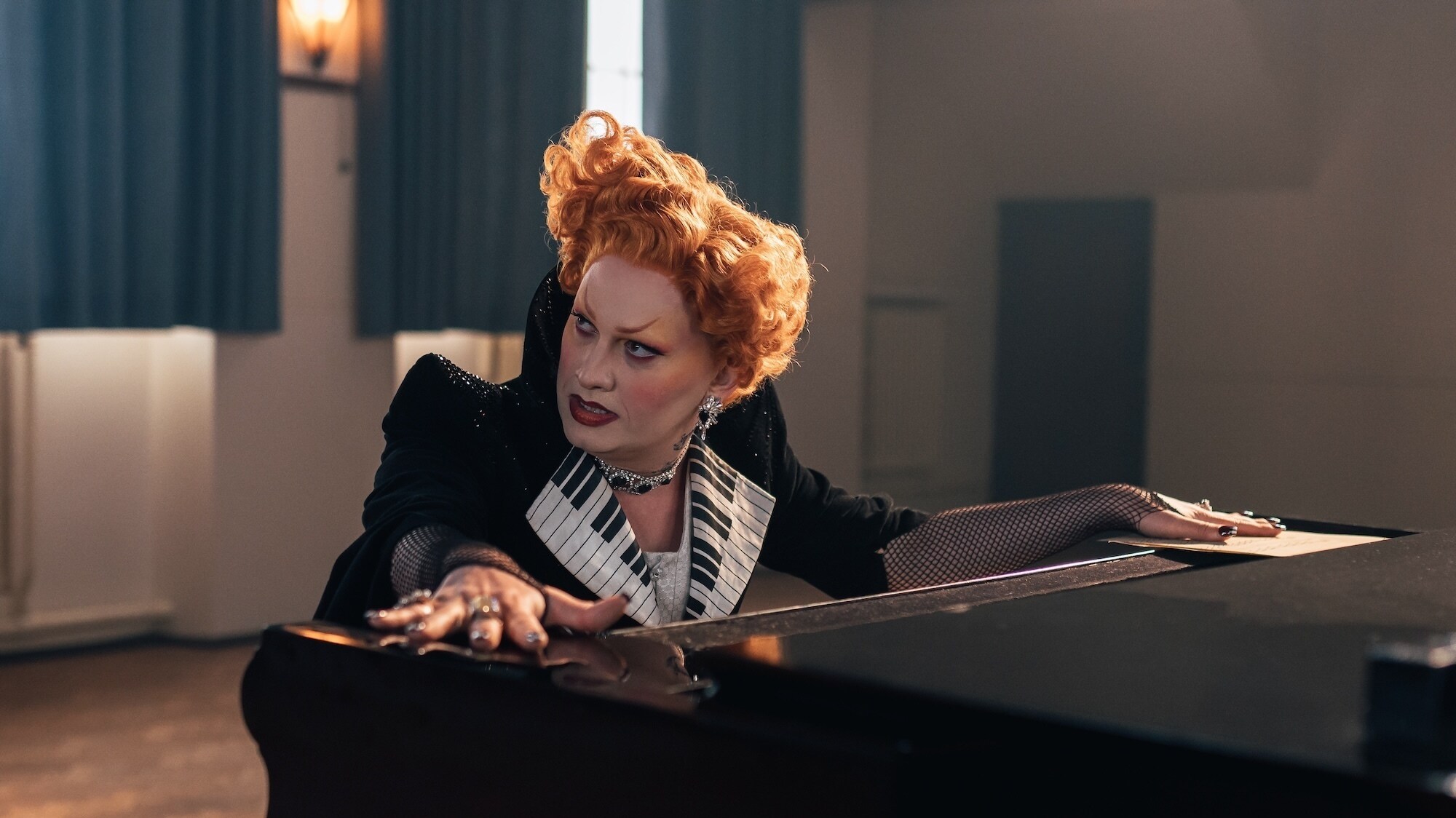
The near-legendary expense of licensing Beatles songs is almost certainly not beyond the now-combined powers of the BBC and Disney, but that isn’t the point. The challenge of writing about the Beatles, but not their music, is such a vibrant idea that it almost writes itself. Of course, that is a lie, but it sets the parameters and suggests consequences. There is nothing inevitable in incarnating a god of music as drag performer Jinkx Monsoon, but it all fits so wonderfully well. There has always been a certain campness to Doctor Who, a certain knowingness, a willingness to play the game of imagination. And where better than Disney for that campness to reach its apotheosis?
I wouldn’t describe myself as a Disney fan. There is something about much of its output that I have long found cloying and uncomfortable. As is its size and influence. But there are things here that Disney just does so well. The rooftops of London look beautiful, with fog that illustrates but does not obscure. It invokes both the real houseback views of many contemporary London flats and the worlds of Mary Poppins and Saving Mr. Banks.
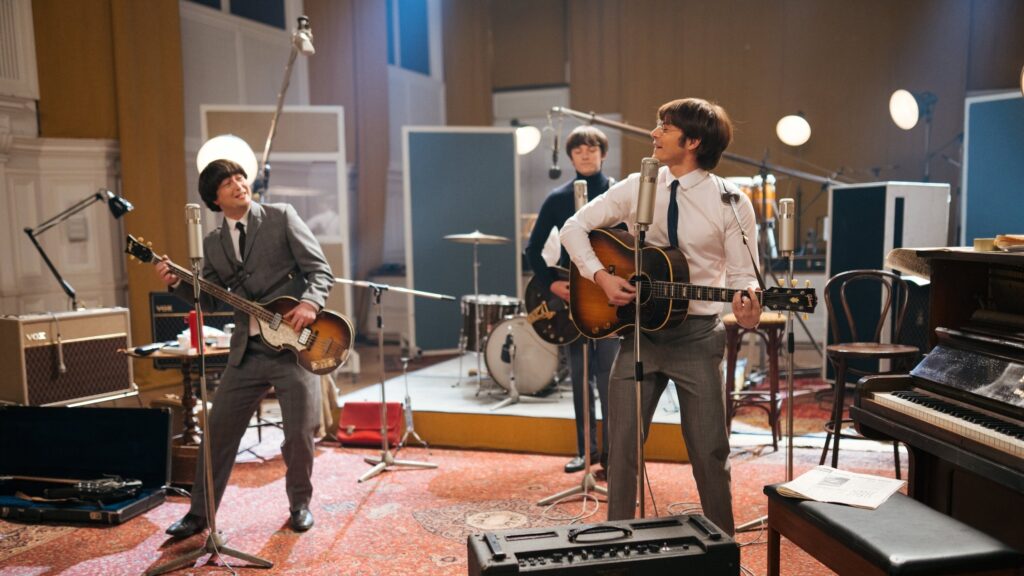
And then there is Abbey Road, both the road, with its gorgeous zebra crossing, and the studios themselves. There is so much to enjoy! It’s all like some kind of extravagant buffet. The only possible quibble I could have had is that with all this abundance of lovely things there wasn’t enough time spent with each element. With the Beatles, John and Paul stole the spotlight at the expense of George and Ringo. Not to mention their dearly departed contemporary Cilla Black. Part of me wanted The Doctor and Ruby to team up with the fab four in some kind of Hard Day’s Night-style adventure against their foe. But at its heart, this wasn’t never a story about the Beatles. It was a story about music, and ultimately the Beatles and their incredible influence, an influence that feels even greater and more pervasive in the US than the UK, were just illustrative. This was, and is, a story about the power of music.

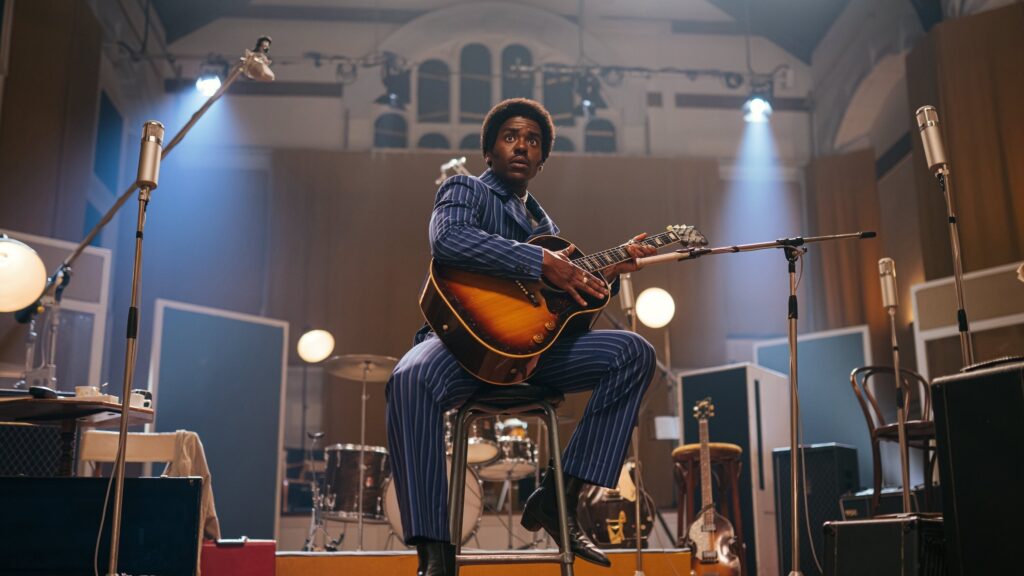
My musical abilities are profoundly limited. But my musical appreciation is not. It was a joy to catch so many little musical references dotted throughout the show. It was also great for the Maestro to give us their own spin on the Doctor Who theme over the title sequence. To witness them invoke threat and dangers past through the use of Murrey Gold’s previous work.
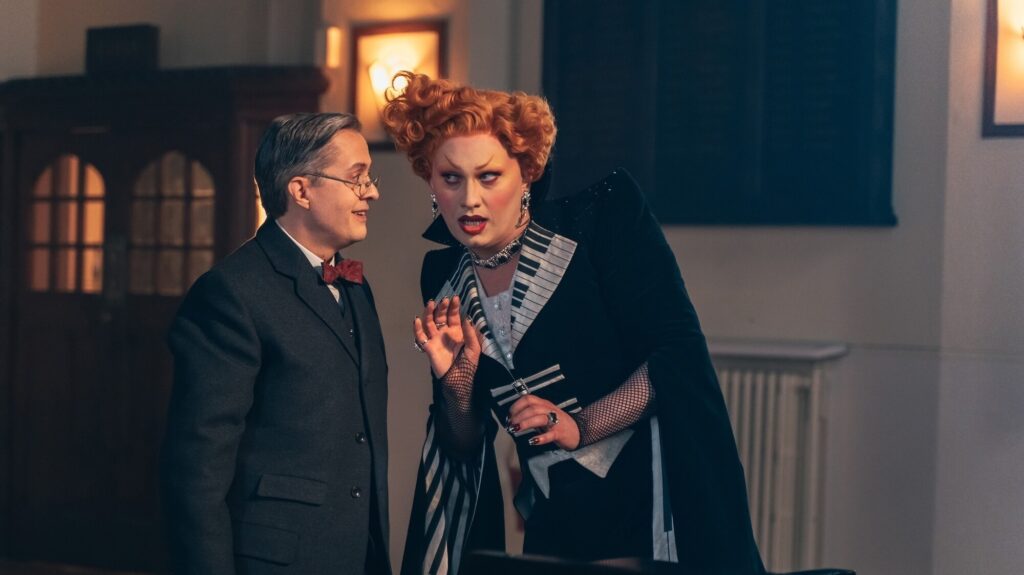
The Maestro is a brilliant villain and Monsoon does a fantastic job bringing them to life in all their scenery-chewing glory, combining both the panto villain and dame in a singular performance. I hope we haven’t seen the last of them. By the story’s end I was just about ready for a full-on Doctor Who-themed panto before realising that we already got that in 1989 with the Doctor Who: The Ultimate Adventure stage show. I’m glad that former show runner John Nathan-Turner got to combine his passions there, and equally glad that 12-year-old me got to see it live in my provincial local theatre. As with all music, all art, I want this experience to be available to all.
And then the twist at the end: a musical number. It might not please everyone, but it pleased me. And now I plan to go and sleep off my overindulgence in a day of double Doctor Who. I’m almost grateful that I have to wait until next week for my next helping.










You must be logged in to post a comment.