


Doctor Who
Tripwire’s Man In Los Angeles Reviews Episode Eight of Doctor Who Season One

A Satisfactory Wrap-Up?
Tripwire’s man in Los Angeles Robert Cave just reviewed Doctor Who Season One season finale: Empire Of Death…
Empire of Death
Writers: Russell T Davies
Director: Jamie Donoughue
Well, that was a bit of a mixed bag. Good in parts, but it didn’t quite work as a whole. And it was the first episode of the season that I DIDN’T want to watch again immediately.
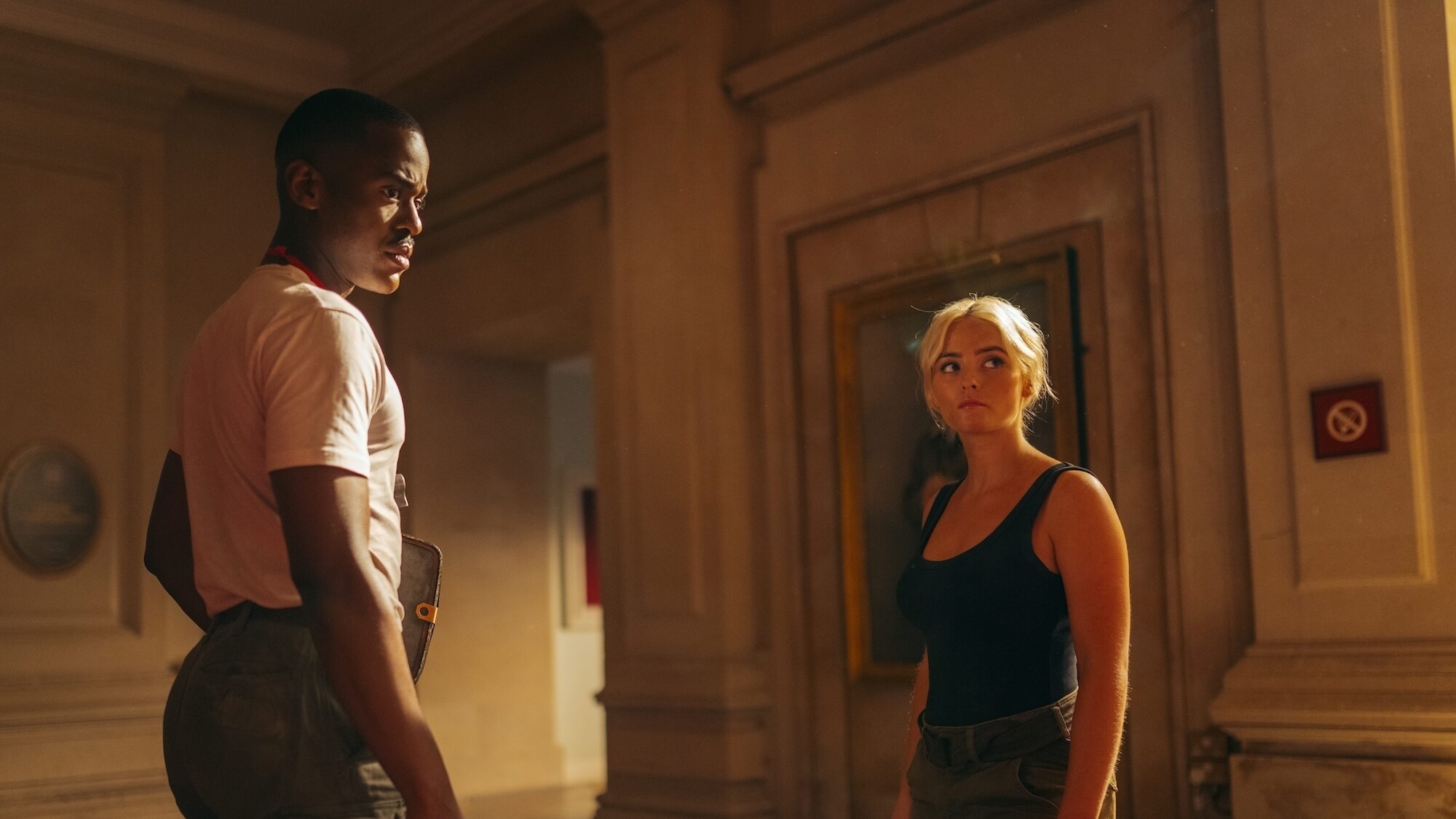
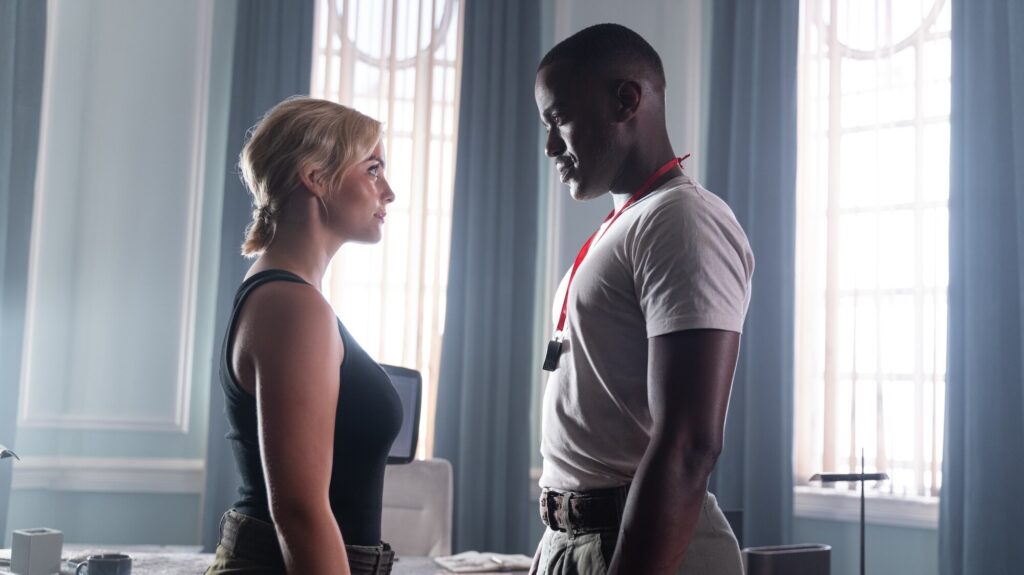
What did work was Ruby’s mother, and particularly how Ruby (Millie Gibson) decided she was going to talk to her – against the advice of the Doctor (Ncuti Gatwa).
The Doctor might be a good man, but he’s a terrible father. So terrible in fact that showrunner Russell T felt the need to claim last episode that the Doctor doesn’t have children… yet, as if in an attempt to minimise 61-years of stories in which he NEVER talks about his children, outside of his granddaughter. (Of course, we have literally seen the Doctor’s daughter. There is an episode literally called The Doctor’s Daughter… but never mind.)
It was the Sutekh stuff that felt a the most disappointing. Doctor Who villains are often quite camp and ridiculous, and they are regularly defeated, which makes them nice and safe and domesticated and not-at-all-threatening really. They can also be quite banal and boring. The big bad of this episode is revealed to have been attached to the TARDIS for a good chunk of the Doctor’s televised appearances, using that time to… populate the multiverse with characters played by Susan Twist and become a god of a new pantheon, but not actually do much else. Maybe he assembles his pantheon offscreen from Wild Blue Yonder and throughout Ncuti Gatwa’s first season. Still quite uninteresting.
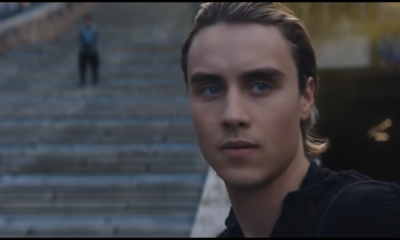
When he finally does reveal himself, Sutekh kills almost everyone across the multiverse with ease and plans to sit in the silence and congratulate himself for the rest of eternity, just as soon as he’s worked out the big secret of Ruby Sunday’s mum. Possibly the dullest goth/emo-take on a death god I’ve seen in a while. I get there is a meta narrative going on here about how audience investment giving importance to stories, but on a surface plot level, Sutekh is just boring. His defeat and nullification were made even more inevitable by the scale of his actions. He is all but irrelevant to Ruby Sunday finding her mother, which is the real emotional and meta-fictive heart of the story.
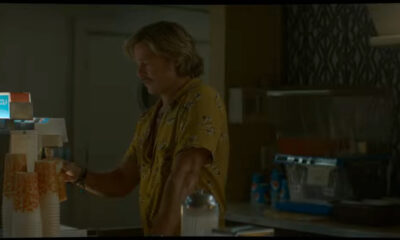
Like I said, I really liked Ruby ignoring the Doctor’s advice and walking into the coffee shop to talk to her mother, played with fantastic understatement by Faye McKeever. I was less keen on the revelation that Ruby was apparently named by her mother (in direct contradiction to what we are told in The Church on Ruby Road). I didn’t feel we needed Ruby’s mother giving Ruby a name to invest in her or her situation. Louise Miller (Ruby’s biological mother) was just another ordinary teenager who abandoned her daughter in 2004. A mundane, everyday story that isn’t even central to this story, unless the audience invests in it. Which is what the meta-narrative is about.


You see, boring old Sutekh is invested in the mystery of Ruby’s mother, as were the Who fans, to the exclusion of all else. But she isn’t special or narratively significant on her own, and that is kind of where this story breaks down for me. I can accept that it isn’t narratively important who Ruby’s mother was, but she does need to have humanity, which is very hard to accomplish with a fictional character deliberately placed on the periphery of a fantastical narrative. Also, if your big reveal is that your central mystery is of no material importance, then what was even the point of telling your story in the first place? Maybe just that we shouldn’t worry so much about the Doctor’s parentage, or anyone else’s, but that he really ought to look in on his family?
Certainly, that is what I’m taking from all this. So many fan theories (including my own) might have come to nothing. Perhaps showrunners sometimes place the ultimate premium on confounding audience expectation over and above presenting compelling ineluctable narrative that could be predicted by a sufficiently attentive audience. But this can become a self-defeating activity in which the audience can easily become disenchanted. If you can trust what you are told and actions do not necessarily have consequences, then why even engage with the narrative at all?


But I have hope, and it comes from Ruby, disregarding the Doctor’s advice. She demonstrates how wrong he has been to avoid his family all these years. Ruby’s example also makes a compelling case that the Doctor should at least go looking for his granddaughter in the near future. Not because there is a narrative task to accomplish, but a human one; to finally keep his promise and “come back” to see his granddaughter.
For what it’s worth, I also liked the memory TARDIS, although its impact was lessened by its appearance in the various Tales of the TARDIS framing sequences. I also liked Gatwa visibly acknowledging that he has noticed something being off about Mel (Bonnie Langford) ahead of her possession by Sutekh. Unlike much of the rest of the narrative, this was a moment where it felt like Russell T was playing fair with his audience.
And then there is Mrs Flood (Anita Dobson), again addressing the audience directly. As with last episode, there is more of a sense of menace about her here. She had/has “such plans” to “come to storm down his gates of gold, and seize his kingdom in [her] true name.” Whose kingdom? Whoever it is that Cherry Sunday prays to, apparently. Whatever her true name proves to be (I’m still leaning towards the Doctor’s granddaughter, Susan), Mrs Flood will probably be central to the next season of Doctor Who, as likely will be her prediction, delivered in a stunning pristine-white Mary Poppins-style outfit, that “[the Doctor’s] story ends in absolute terror.”



But before we get there, we have the upcoming 2024 Doctor Who Christmas special written by Steven Moffat to look forward to. See you then.
Go behind the scenes on the episode here too






You must be logged in to post a comment.