

Film Review
Tripwire Reviews Joker: Folie à Deux


Joker Face
Tripwire’s senior editor Andrew Colman reviews Joker: Folie à Deux out in cinemas now. Warning: spoilers ahead…
Joker: Folie à Deux
Director: Todd Phillips
Stars: Joaquin Phoenix, Lady Gaga, Brendan Gleeson, Catherine Keener and Zazie Beetz

Critics have been somewhat mixed (a euphemism for negative, in other words) regarding this somewhat perfunctory sequel to the quasi-controversial first movie from 2019, but what’s missing regarding the narrative surrounding this flick is that the producers were never going to be that bothered about their opinions. What made and also capsized the original was its repetitive, sledgehammer nature, the tone and pace of the film aping the forlorn protagonist’s arc – yet it’s fair to say that it still played very well, and carried some kind of subtext that whether it was ham-fisted or otherwise, had its finger on the pulse. Despite its success however, the nagging feeling was that the movie was a prosaic, artless exercise that blended traditional comic book tropes with the cadences of earlier classic works from Scorsese, De Palma et al in an unwieldy, cavalier manner. In other words, it was all too easy for director Todd Phillips, as the movie had zero mainstream competition regarding subversion.
So why this sequel? Well, aside from the megabucks it does offer Phillips and co-writer Scott Silver another opportunity to play fast and loose with audience expectation, and have fun at our expense. But did it have to be such a grindingly tedious chore to sit through this codswallop? The film is even more hermetic than the original – there’s the dark corridors and bleak enclosures of Arkham Asylum, and the courtroom scenes, in which Arthur Fleck’s (Joaquin Phoenix) crimes and misdemeanours are gone over forensically, but that’s more or less it, aside from the odd shot of the New York (or is it Gotham?) skyline. There’s not much more in the way of plot development than this, as the movie does spend a fair amount of time raking over the coals of what we already knew.
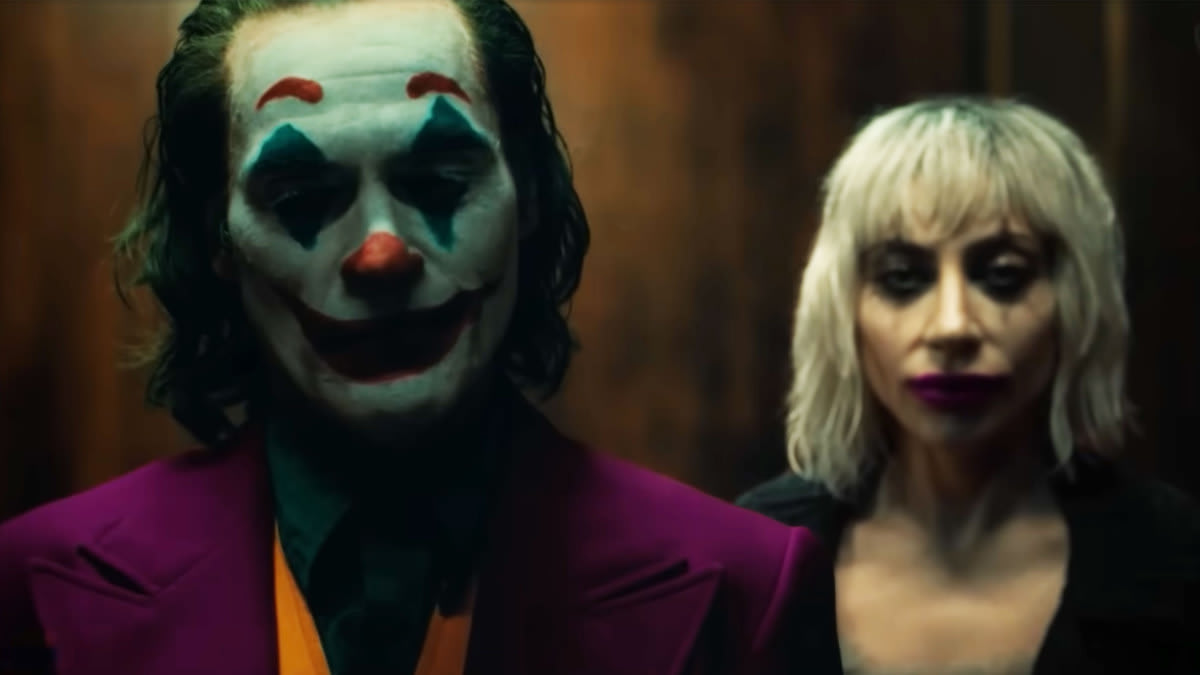

Except that on this occasion we have Harleen “Lee” Quinzel, played by Lady Gaga, a fellow inmate sequestered at Arkham who happens to be a Joker superfan and enabler-in-waiting. They quickly form a relationship based on mutual delusion and psychosis which is illustrated through a litany of musical fantasy sequences which involve Gaga’s Harley Quinn singing the Great American Songbook, which includes a number from the Carpenters (urgh). These interludes have the effect of slowing the story down to a crawl while barely telling us anything about the two characters, apart from their drab, needy egomania. In the first film such meta-silliness worked, despite its tawdriness. Here it’s just shallow, draining and self-indulgent, not to mention dated – one song would’ve been adequate, but Phillips seems to be taunting the audience here with this device. Either that or Gaga’s contract stipulated that most of her screen time involved her singing (her acting is passable but one note).

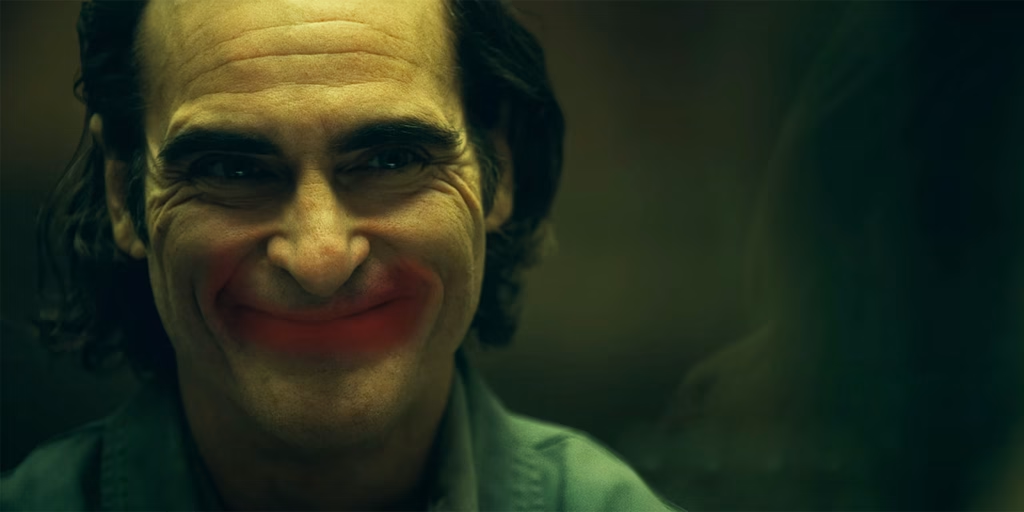
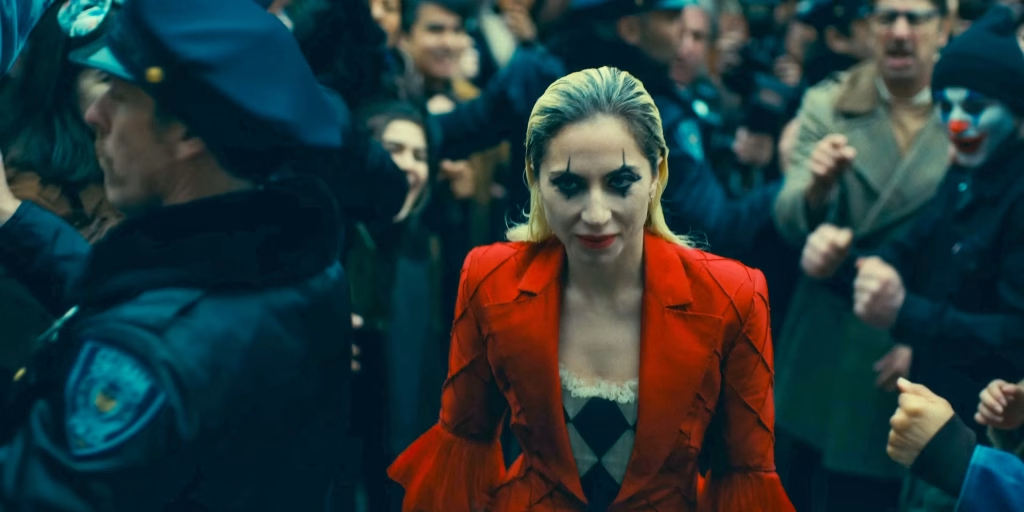
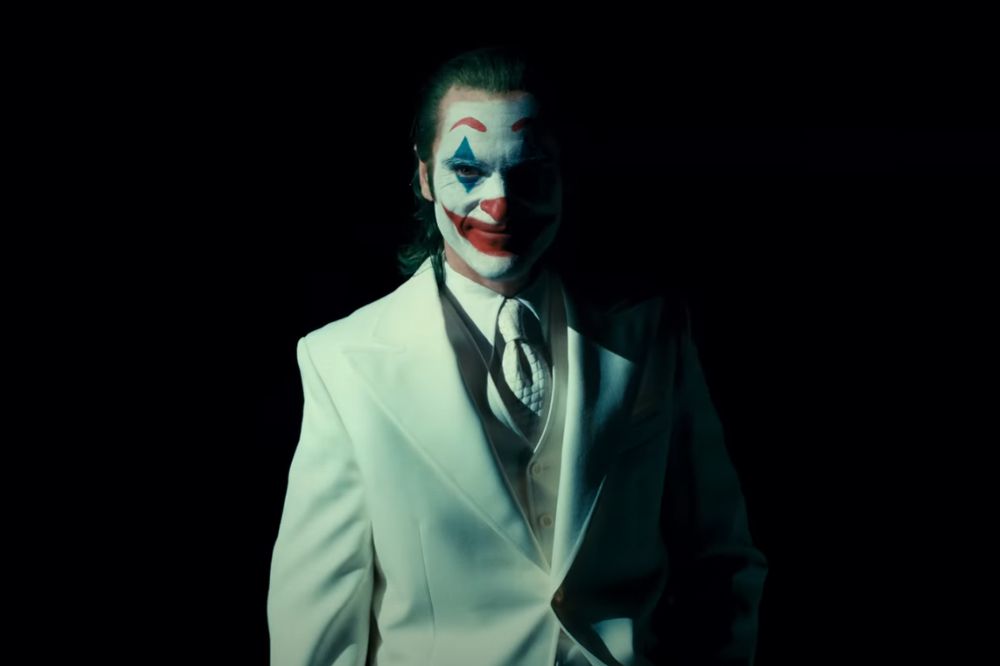
The final reel does offer a progression and some considerable interest, as Arthur Fleck, appearing in court in his Joker regalia, admits to all and sundry that he is a fraud and not the victim he has been portrayed as, which is a worthwhile if lazy denouement. What is fascinating here is that the nihilism that permeated the first movie has bled into the mechanical direction of its sequel – the film has nothing to say, an admittance that it was a redundant, capricious exercise. And indeed the whole thing could’ve been over in half the time. What is sad about Phillips’ desire to undercut not just expectation but the format itself is its refusal to adhere to basic rules – you can’t have a psychological movie featuring a character like the Joker without pathos and drama. And the only time the movie kicks into gear is when Fleck’s clown is freed from his shackles, but by then he, and the film itself, had rescinded its remit. Phillips wasn’t concerned about entertainment but rather creating a stir – his claim that he had planned to delve deeper into the Joker’s psyche was absurd, given that there was nothing more to be said about him. If anything, the movie’s final scene does confirm a great deal about its relationship with the audience, but there’s no foreshadowing, so it all falls flat.

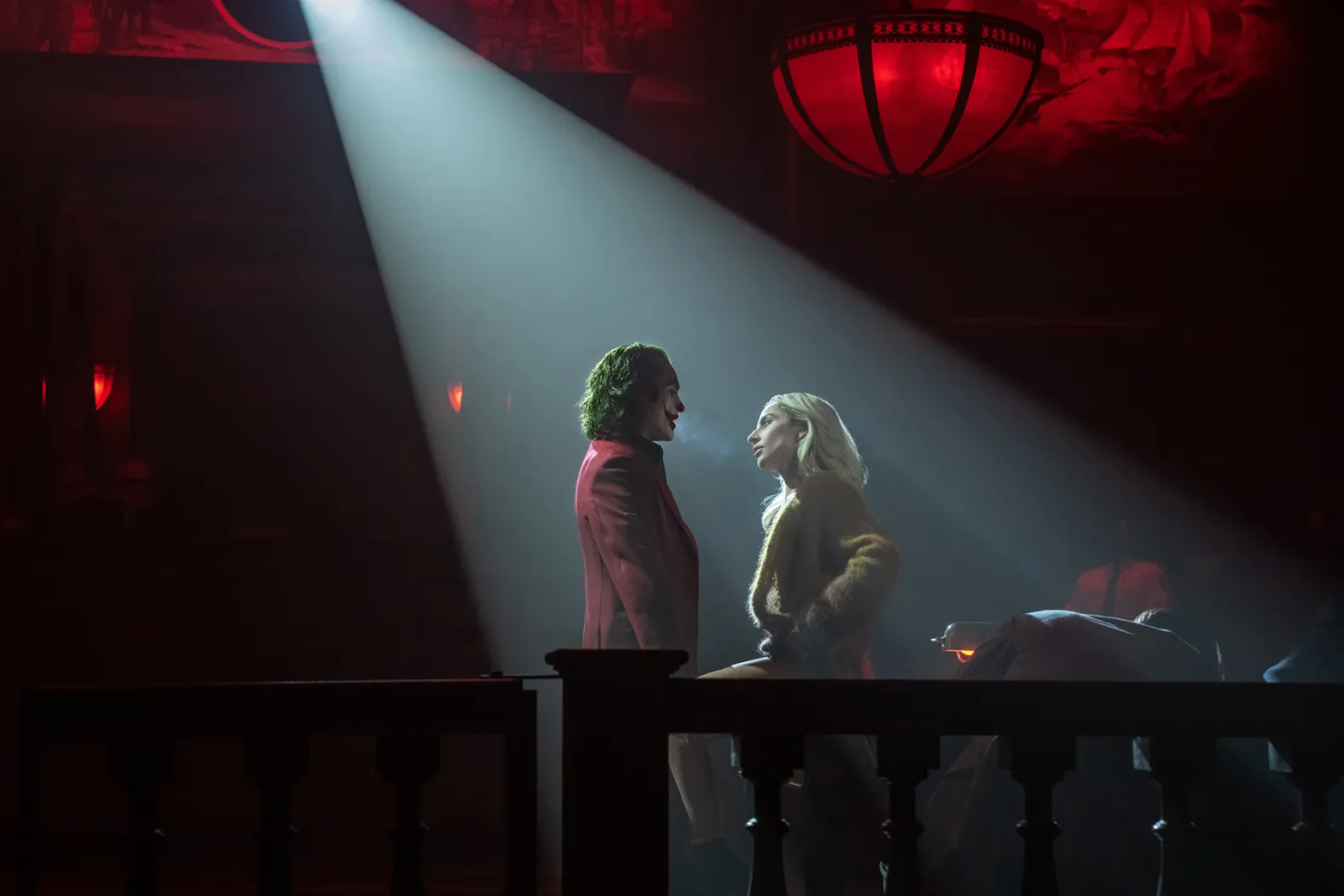
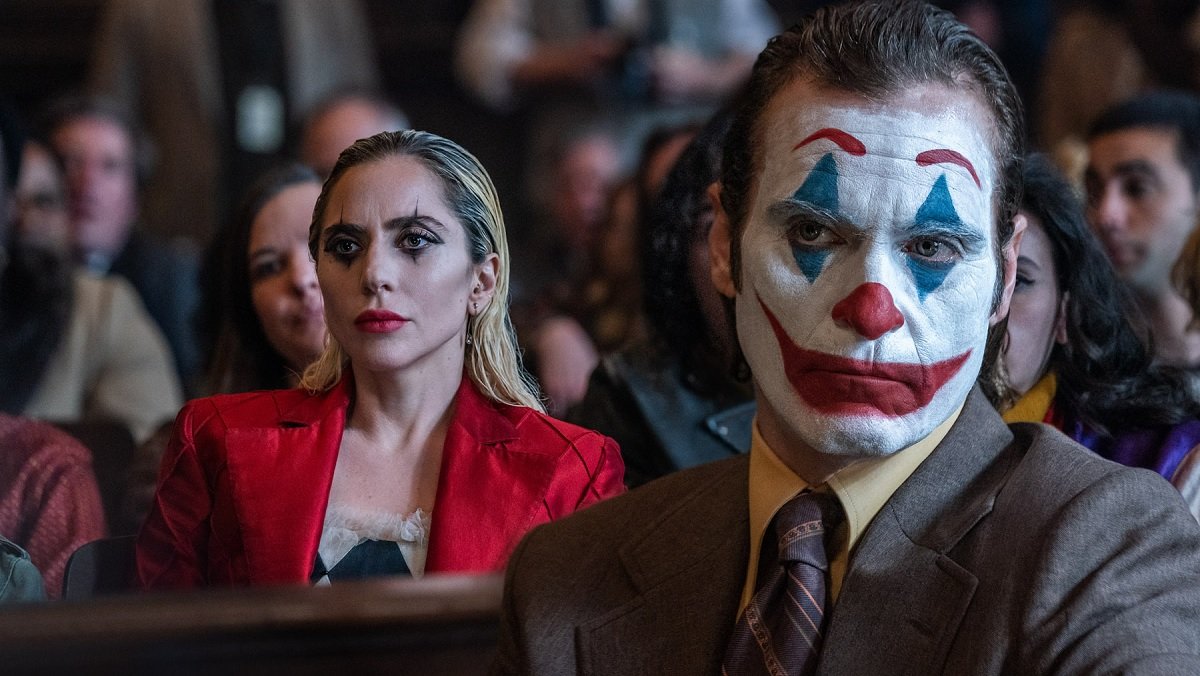
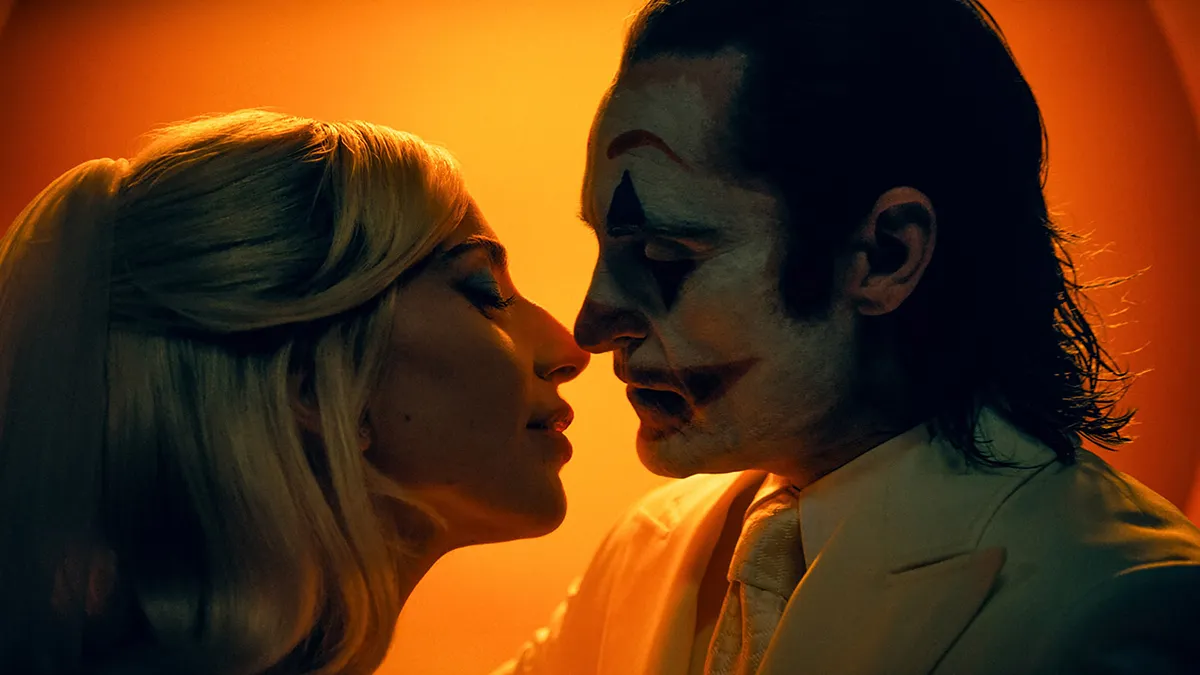
In retrospect this eagerly awaited film feels less exploitative than its predecessor – the Joker copycat subculture that heralded its finale is barely touched upon this time around. However, the first Joker movie should’ve remained a one-off, standalone feature that provided the character with a universality that it could never have gained inside DC continuity. Having a nebulous, vestigial sequel like this one has certainly brought it back into the spotlight, but at the expense of what credibility it may have had.
Anyway, see you in five years for Joker 3. 😉
Joker: Folie à Deux is in UK cinemas now








You must be logged in to post a comment.