

Film News
Tripwire Reviews Hitchcock: The Beginning Box Set

Keeping Us In Suspense
Tripwire’s editor-in-chief Joel Meadows takes a look at StudioCanal’s Hitchcock: The Beginning box set out now…
Hitchcock The Beginning
The Ring, The Farmer’s Wife, The Manxman, Champagne, Blackmail, Juno And The Paycock, Rich And Strange, The Skin Game, Number Seventeen
Director: Alfred Hitchcock
Stars: various

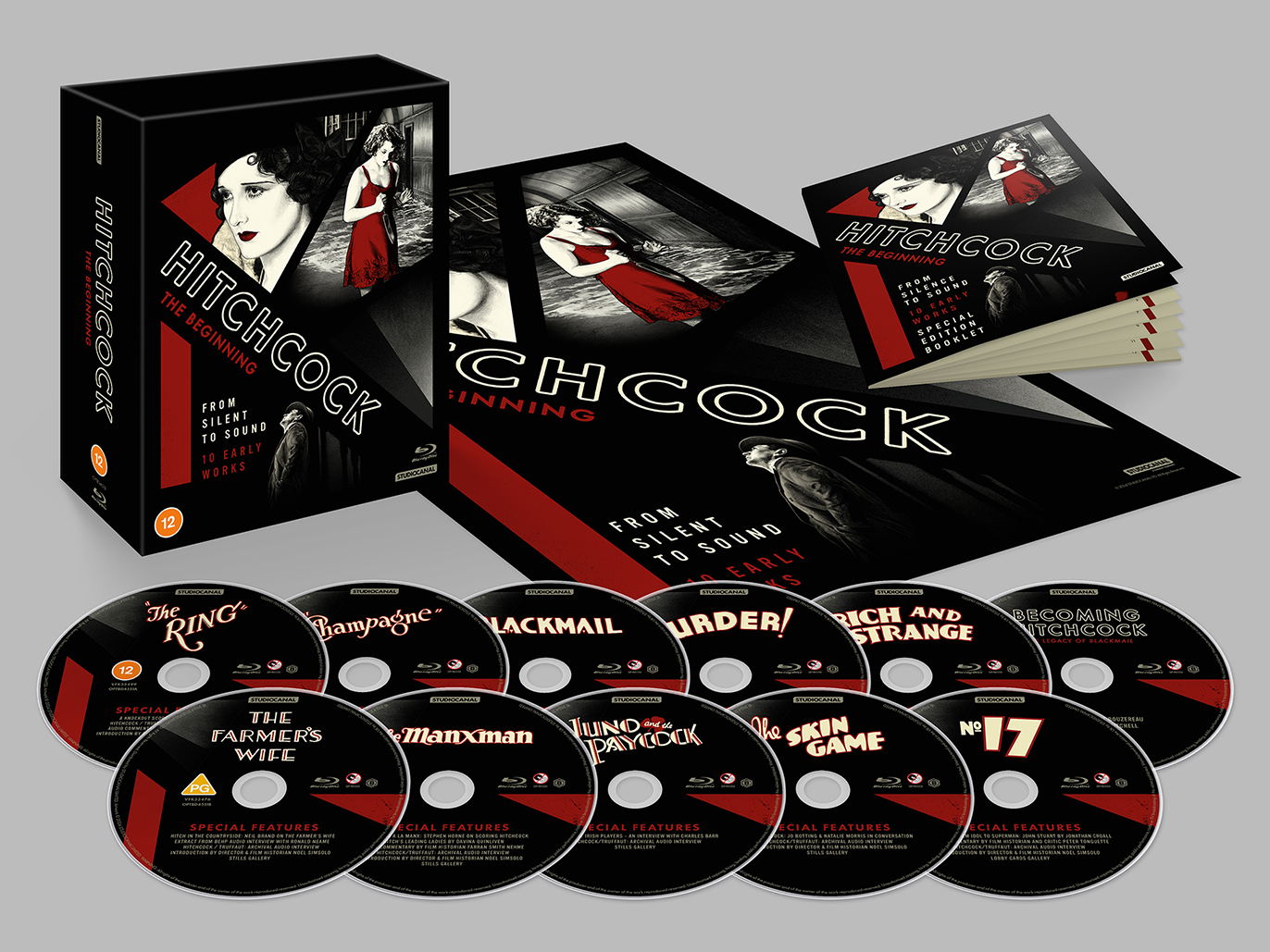
Hitchcock The Beginning is an eleven disc Blu Ray box set released by Studio Canal which includes a fascinating documentary, Becoming Hitchcock: The Legacy Of Blackmail and 10 of his earliest films including the aforementioned Blackmail.
Hitchcock was an interesting and unusual figure as he straddled the silent era into the talkies, something that was unusual here. Watching his early works, you can see an embryonic version of the style that he would hone later to perfection in Hollywood. Going through each of the films, you can see a director who is almost fully formed from the beginning.
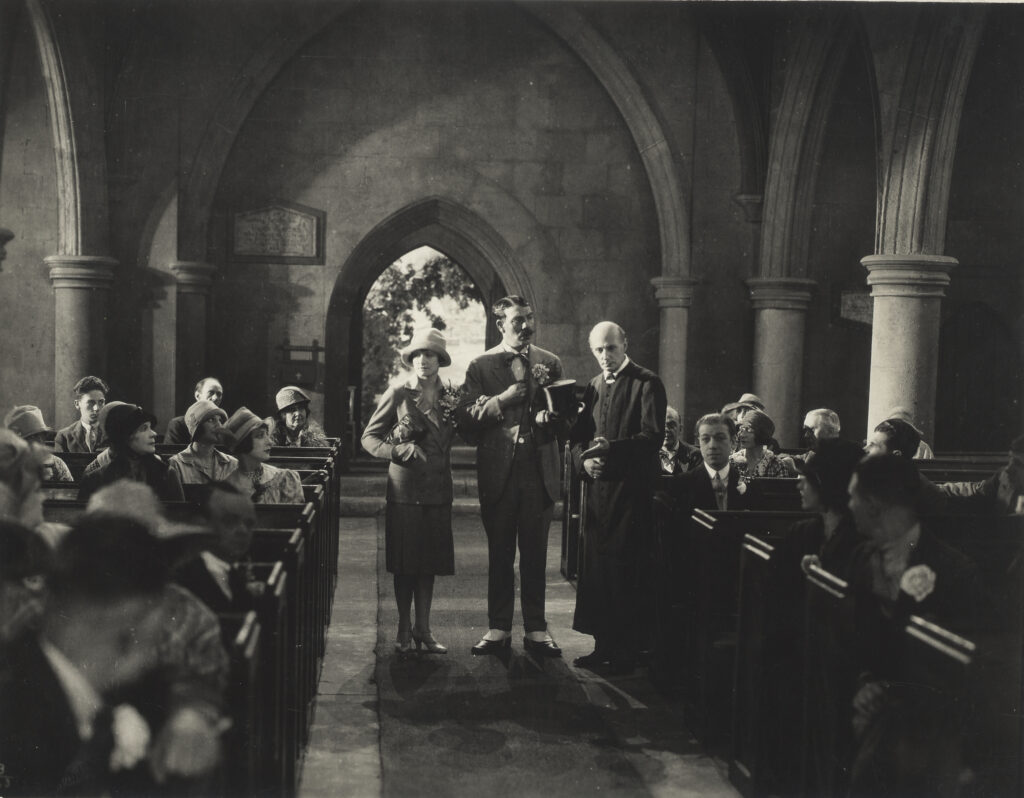
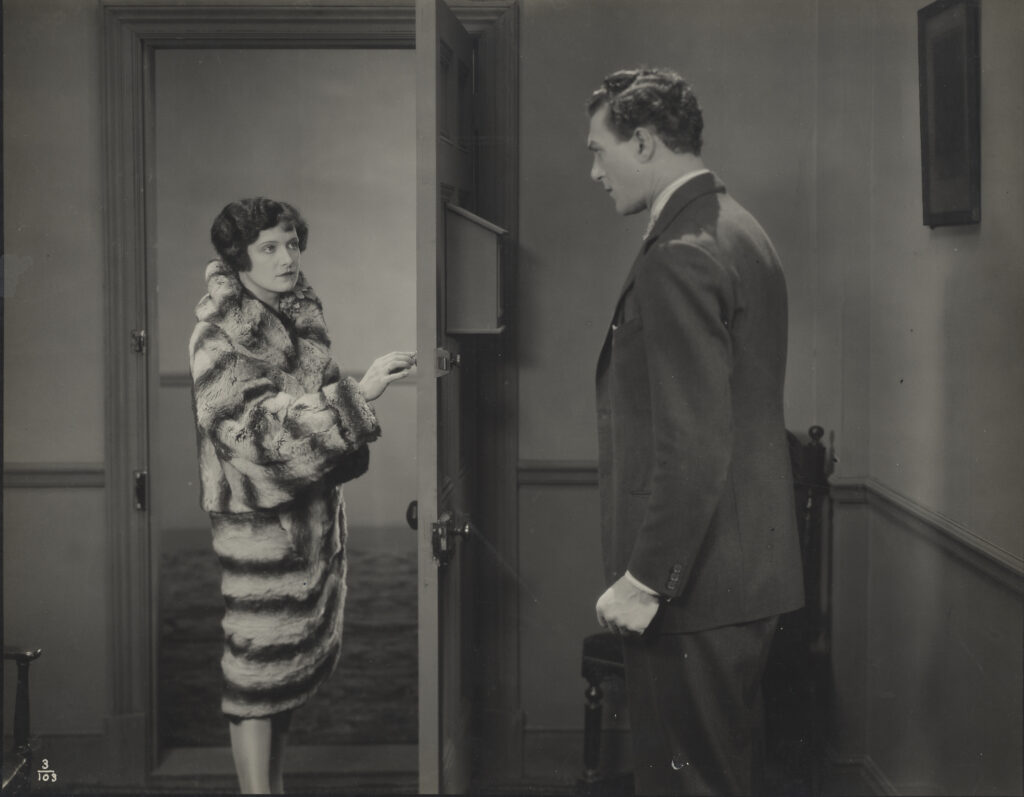
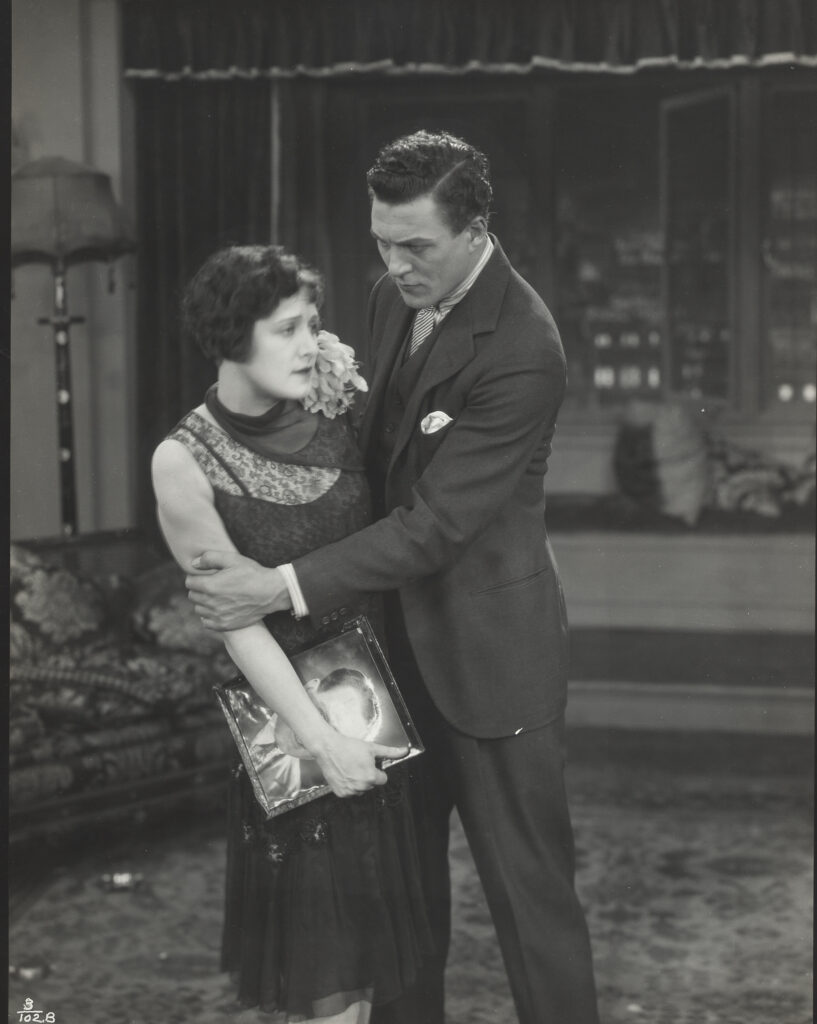
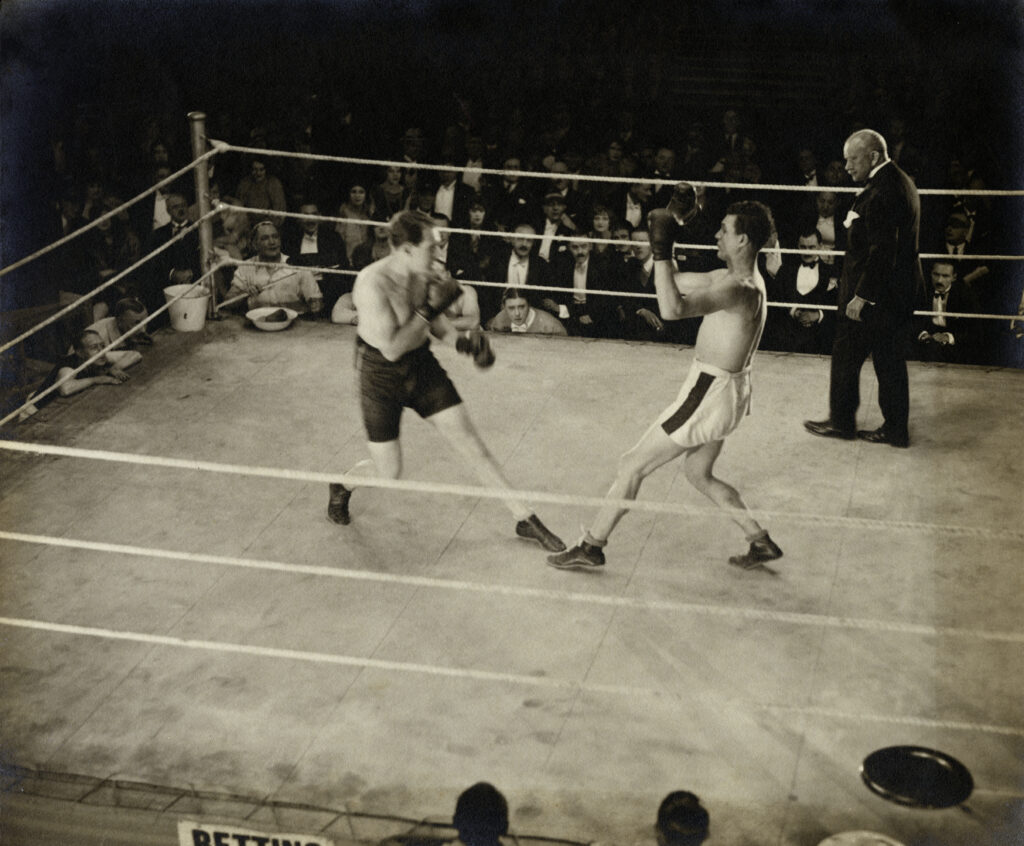
The silent films The Ring (1927), The Farmer’s Wife ( 1928), Champagne (1928) and The Manxman (1929) have moments of visual genius with the director displaying his unique directorial vision but it is really with his first talkie, Blackmail, which he originally shot as a silent film but remade it as a talkie where his style began to crystallise. There are his visual flourishes and his camera trickery that he made his own through a very long career that already manifest themselves here. Visual devices like repetition of imagery, unusual camera angles and using close ups to create a sense of drama. This 4K restoration of Blackmail shows off in a way that we have never seen before with a print of this pivotal film. Anny Ondra is excellent as Alice White, the protagonist who is the subject of the blackmail in the title from a witness who saw her kill a man in self-defence. Visually, it is shot and edited beautifully with so many approaches that later directors would use as inspiration. Considering when it was made too, it is also quite risqué and voyeuristic, two approaches that Hitchcock would use to great effect throughout the rest of his long directorial career. Blackmail is easily the most important and influential film contained in the box set and it is great to see it restored here.

SOURCE CREDIT – “British Film Institute”
Reproduction of this image requires the appropriate copyright clearance. In making this image available, the bfi confers no licence to use or copy the image. All copyright clearance is the responsibility of the user.
In consideration for making this image available, the user hereby agrees to indemnify the bfi against any claim or liability arising from the use of this image.
The information service of the bfi National Library may be able to carry out copyright ownership research on your behalf. Fax +44 (0) 20 7436 0165 for details of services and costs.
British Film Institute
21 Stephen Street
London W1T 1LN
Tel +44 (0) 20 7255 1444
http://www.bfi.org.uk/
SOURCE CREDIT – “British Film Institute”
Reproduction of this image requires the appropriate copyright clearance. In making this image available, the bfi confers no licence to use or copy the image. All copyright clearance is the responsibility of the user.
In consideration for making this image available, the user hereby agrees to indemnify the bfi against any claim or liability arising from the use of this image.
The information service of the bfi National Library may be able to carry out copyright ownership research on your behalf. Fax +44 (0) 20 7436 0165 for details of services and costs.
British Film Institute
21 Stephen Street
London W1T 1LN
Tel +44 (0) 20 7255 1444
http://www.bfi.org.uk/

SOURCE CREDIT – “British Film Institute”
Reproduction of this image requires the appropriate copyright clearance. In making this image available, the bfi confers no licence to use or copy the image. All copyright clearance is the responsibility of the user.
In consideration for making this image available, the user hereby agrees to indemnify the bfi against any claim or liability arising from the use of this image.
The information service of the bfi National Library may be able to carry out copyright ownership research on your behalf. Fax +44 (0) 20 7436 0165 for details of services and costs.
British Film Institute
21 Stephen Street
London W1T 1LN
Tel +44 (0) 20 7255 1444
http://www.bfi.org.uk/
SOURCE CREDIT – “British Film Institute”
Reproduction of this image requires the appropriate copyright clearance. In making this image available, the bfi confers no licence to use or copy the image. All copyright clearance is the responsibility of the user.
In consideration for making this image available, the user hereby agrees to indemnify the bfi against any claim or liability arising from the use of this image.
The information service of the bfi National Library may be able to carry out copyright ownership research on your behalf. Fax +44 (0) 20 7436 0165 for details of services and costs.
British Film Institute
21 Stephen Street
London W1T 1LN
Tel +44 (0) 20 7255 1444
http://www.bfi.org.uk/

SOURCE CREDIT – “British Film Institute”
Reproduction of this image requires the appropriate copyright clearance. In making this image available, the bfi confers no licence to use or copy the image. All copyright clearance is the responsibility of the user.
In consideration for making this image available, the user hereby agrees to indemnify the bfi against any claim or liability arising from the use of this image.
The information service of the bfi National Library may be able to carry out copyright ownership research on your behalf. Fax +44 (0) 20 7436 0165 for details of services and costs.
British Film Institute
21 Stephen Street
London W1T 1LN
Tel +44 (0) 20 7255 1444
http://www.bfi.org.uk/



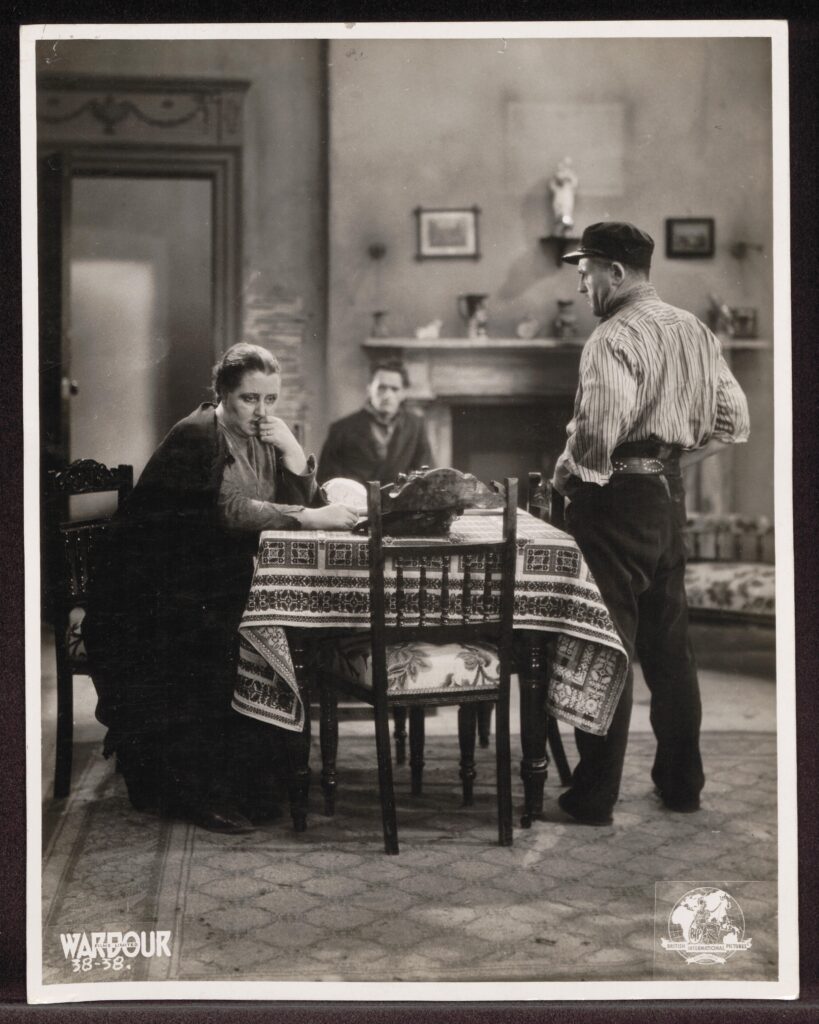
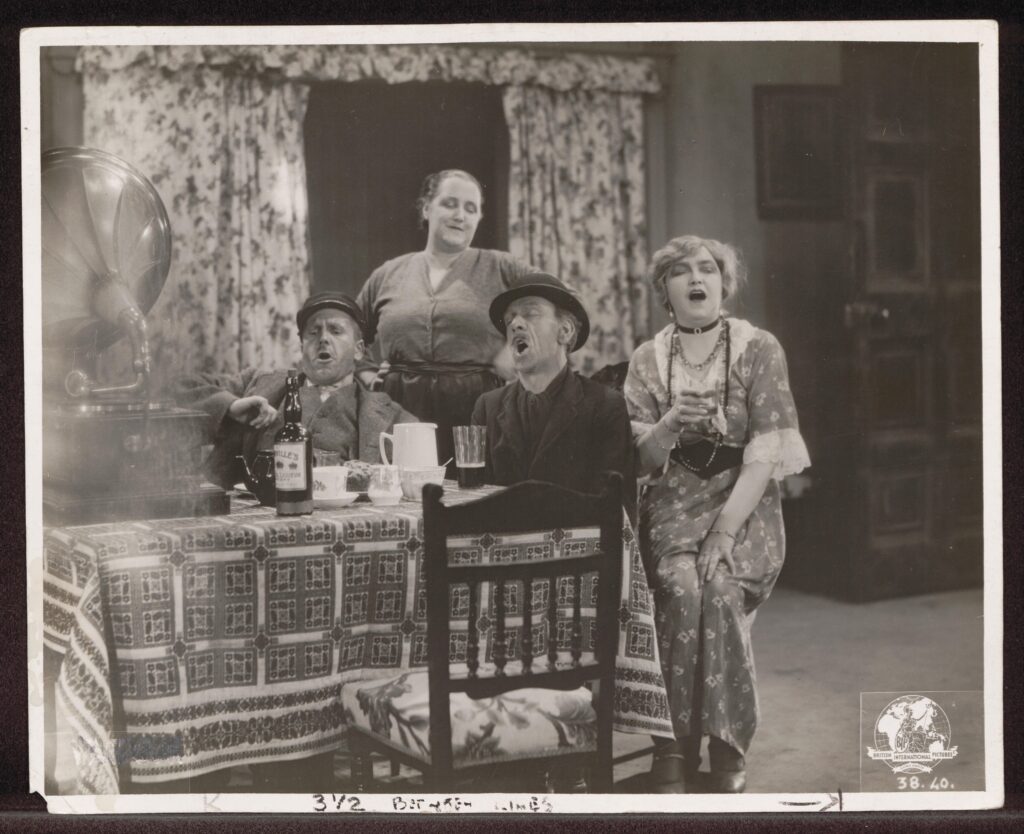
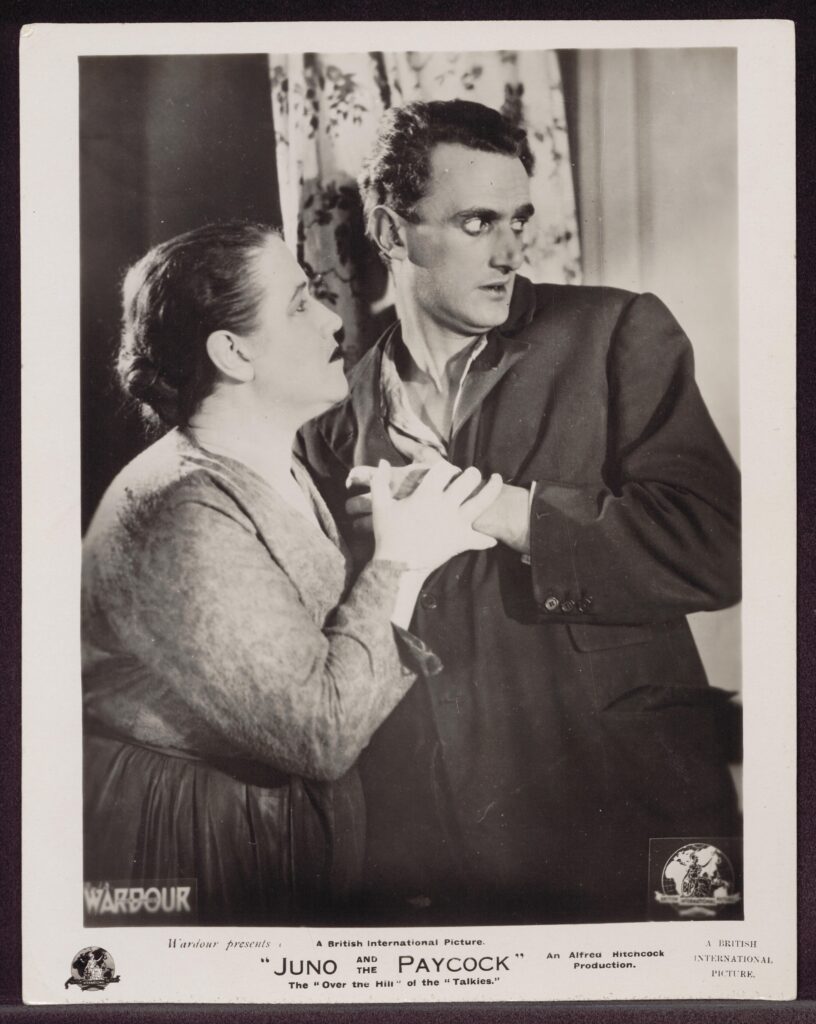
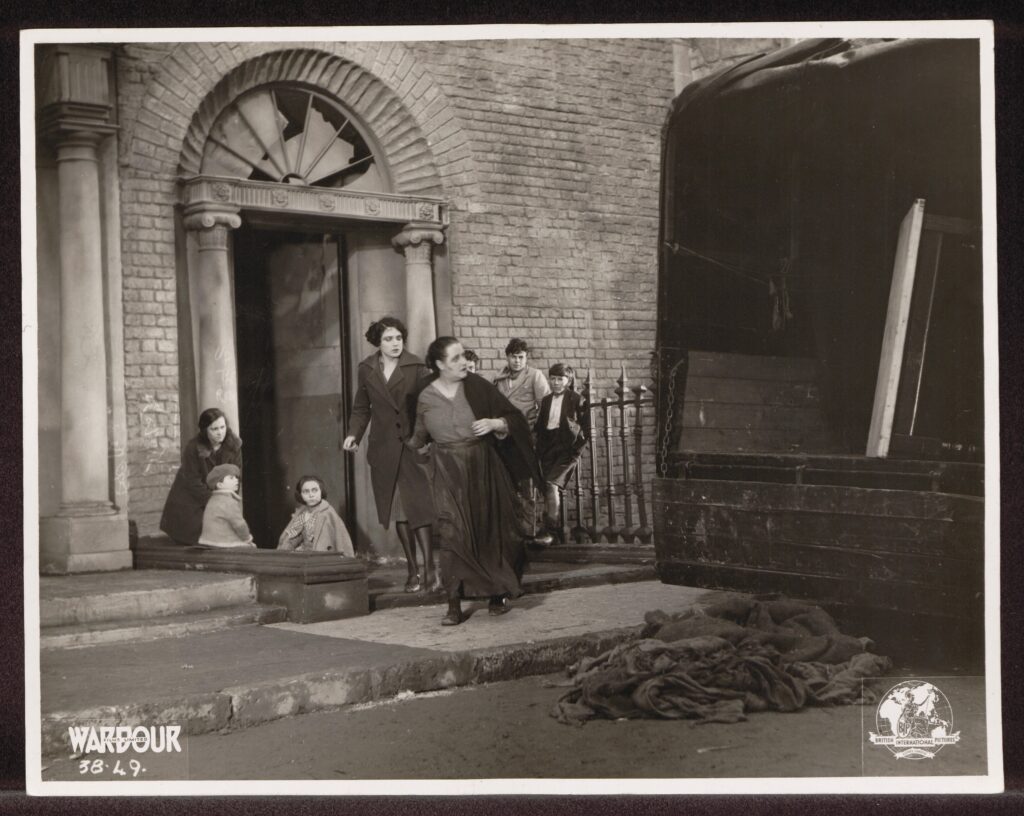
The next film, Juno and The Paycock, made the same year as Blackmail, is a lesser film: a comedy drama set in Ireland during the Irish Civil War about a family who comes into money and how they cope with it. It still shows Hitchcock’s deft hand with ensemble casts and humour but despite an interesting setting and moments of violence which are tackled off camera, it feels like a very lightweight production. However he should be applauded for trying to tackle politics while still engaging with the audience as part of its plot.

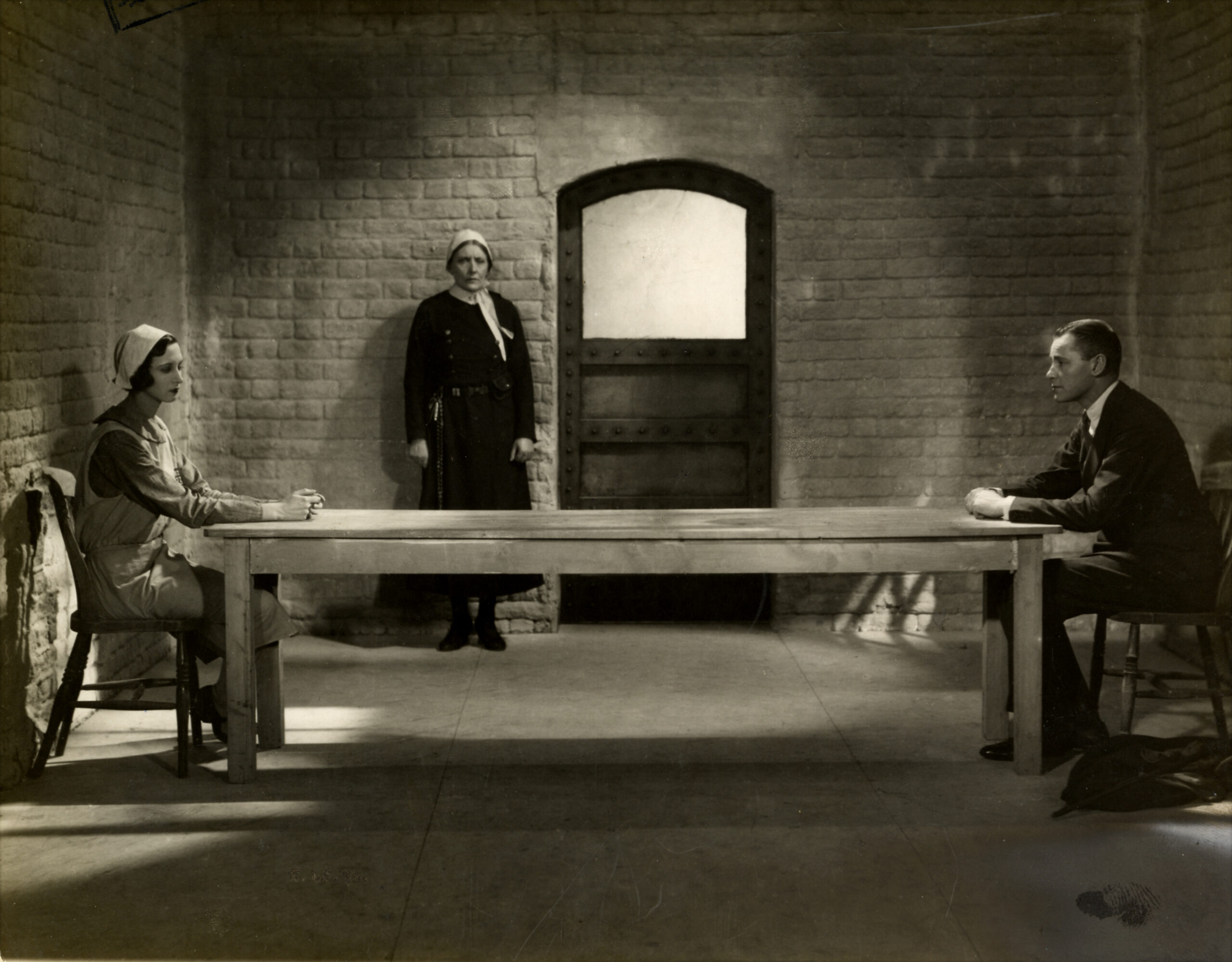
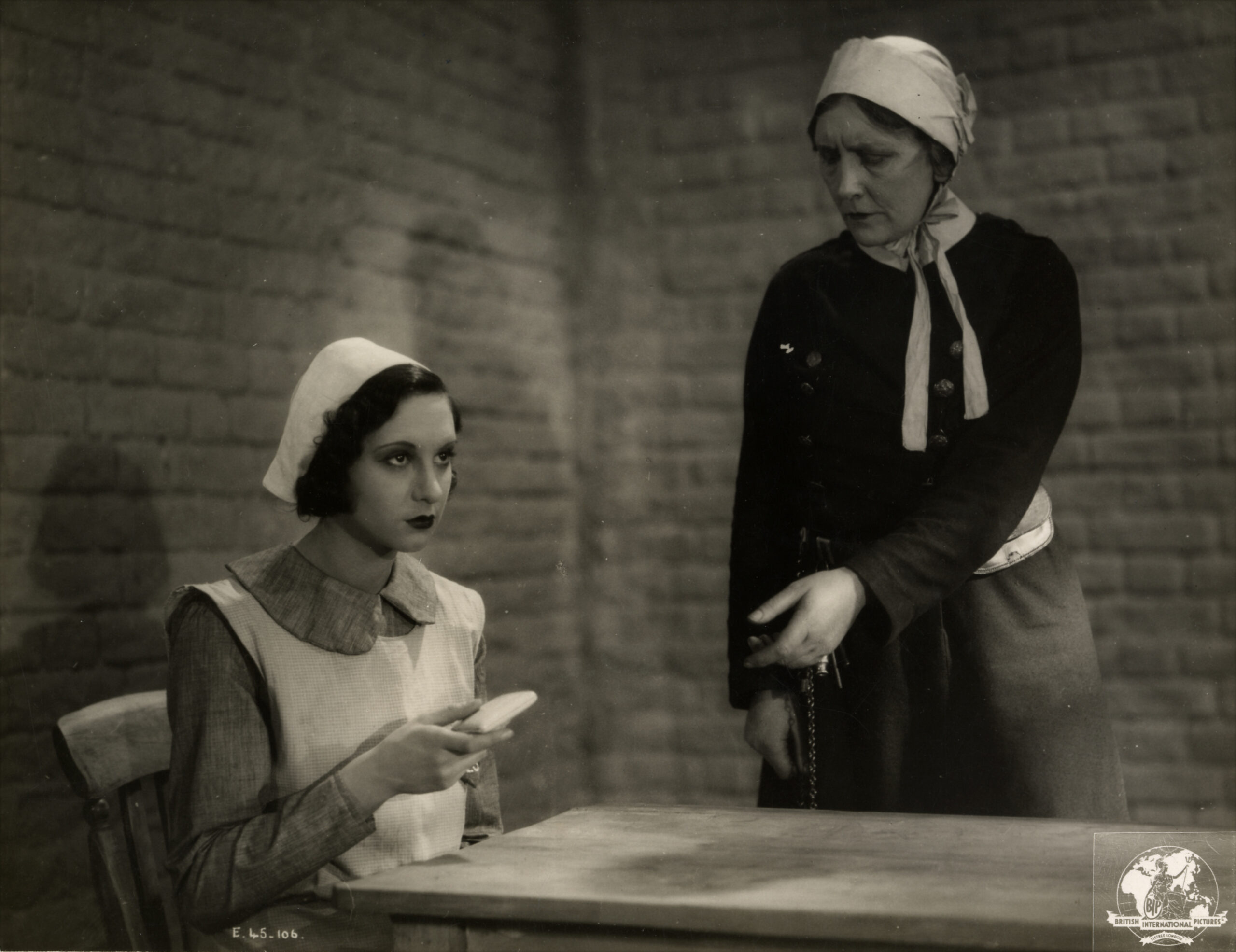
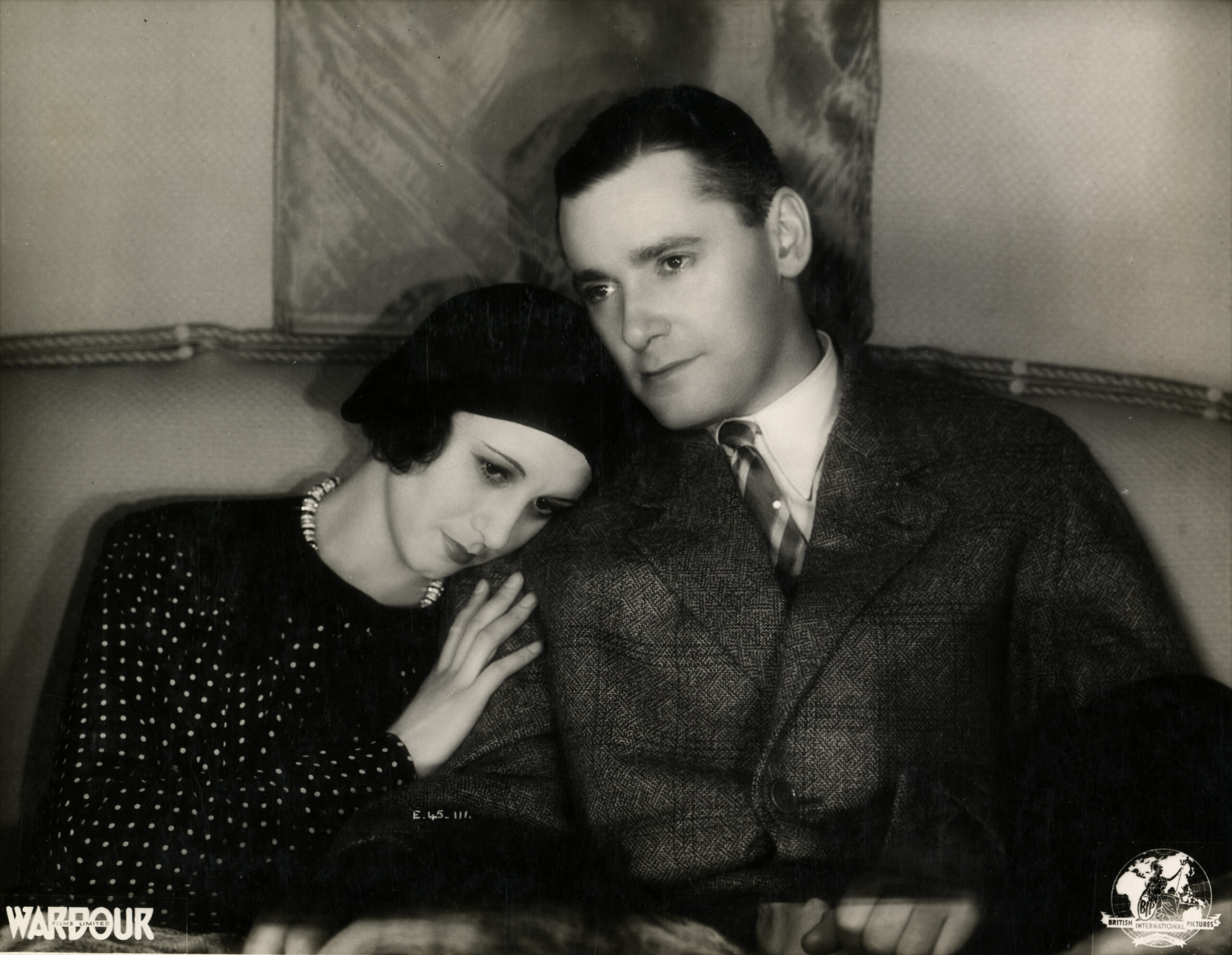
The next film, Murder!, made just the year after in 1930, is the other standout film included here. Based on a crime novel, Enter Sir John, Murder! Is a compelling tale of an actress Diana Baring (Norah Baring), who is wrongly accused of murder and fellow actor Sir John Menier, played by Herbert Marshall, who takes up her case to clear her name. It is a surprisingly modern film and its feel and production point the way to the sort of movies that the director would go on to make in Hollywood a little later on in his career. Herbert Marshall is exceptional as Sir John and Baring makes for a sympathetic protagonist as actress Diana. The script is an ingenious one too which draws in the viewer throughout. It also feels like quite a modern film despite its age thanks to Hitchcock’s timelessly inventive methods.

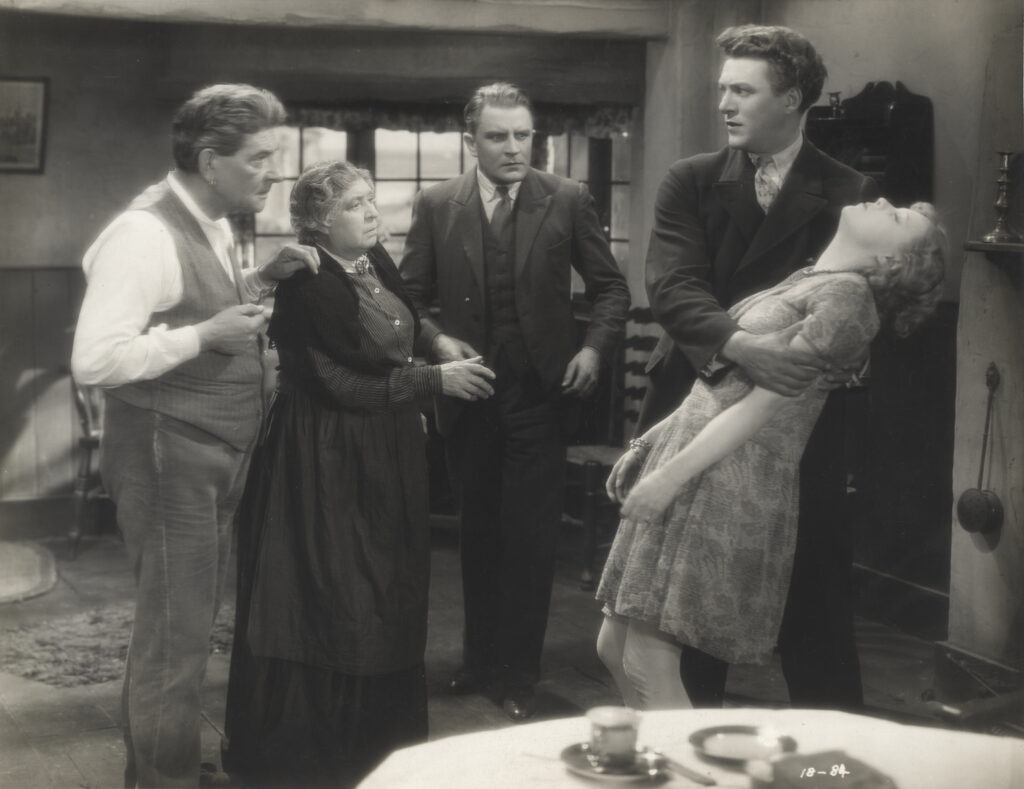
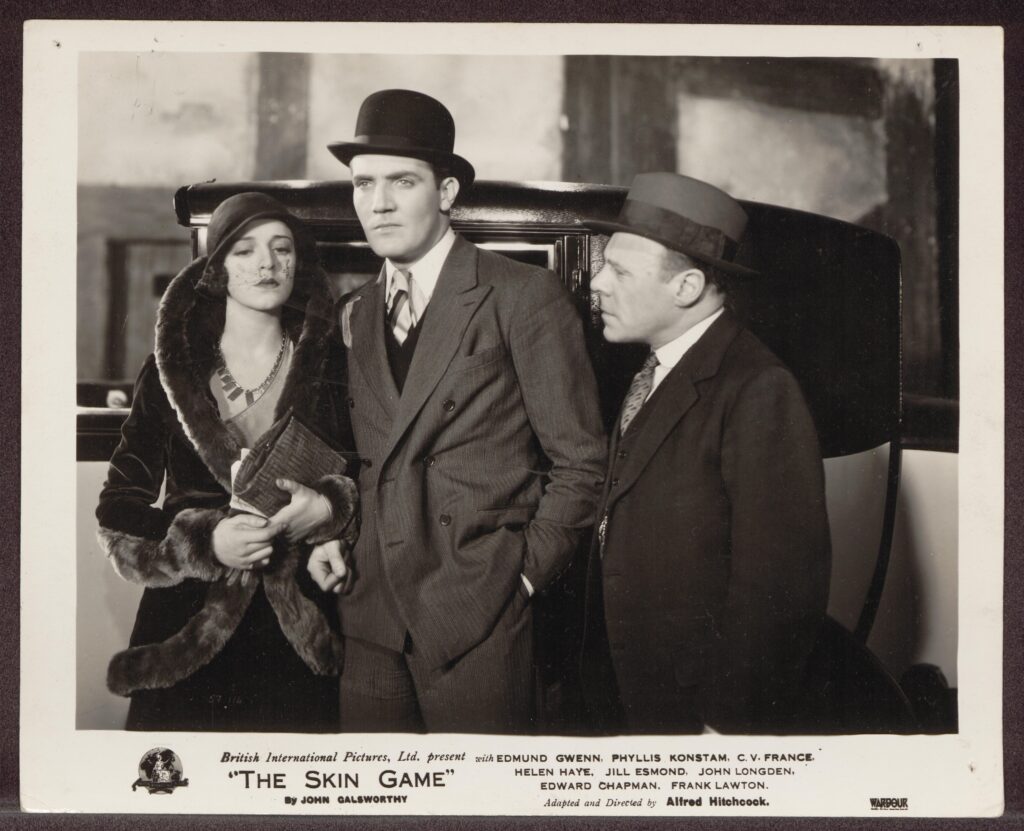
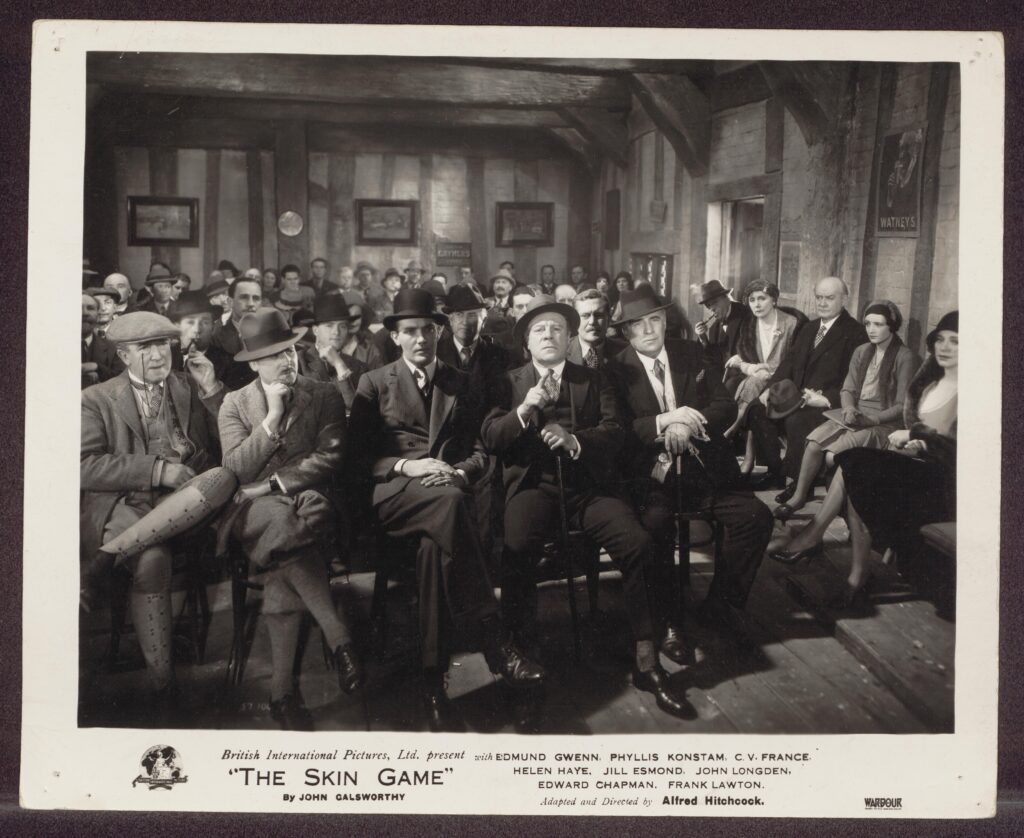
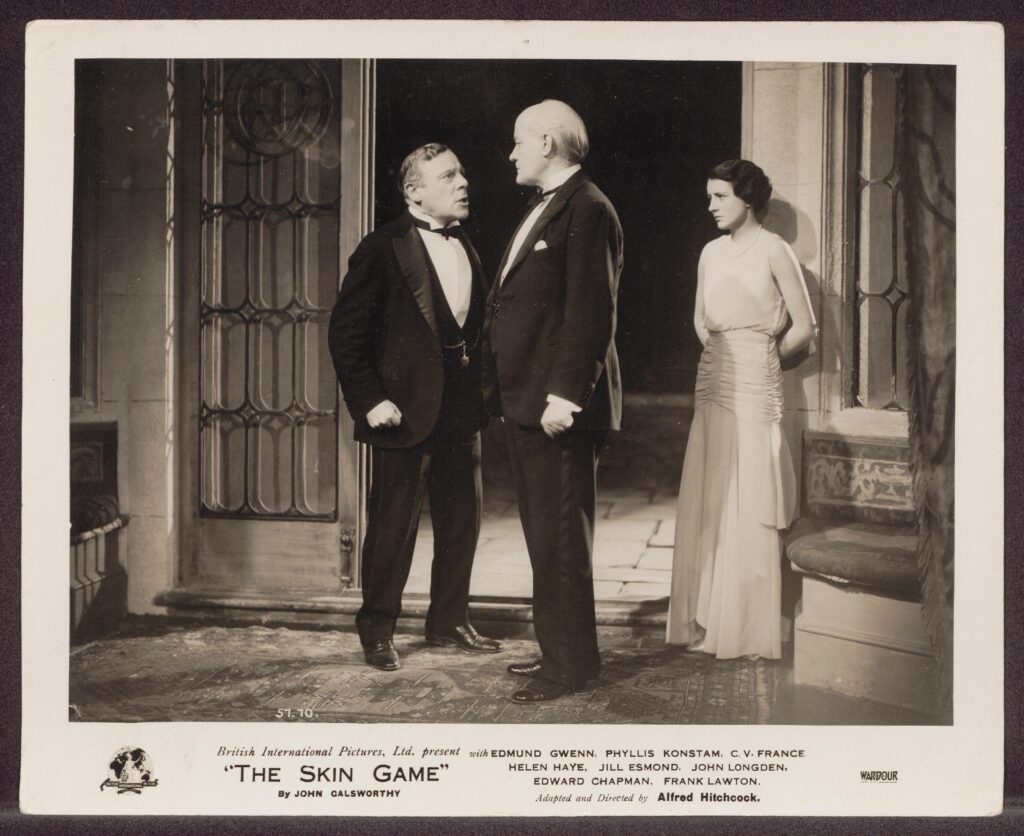
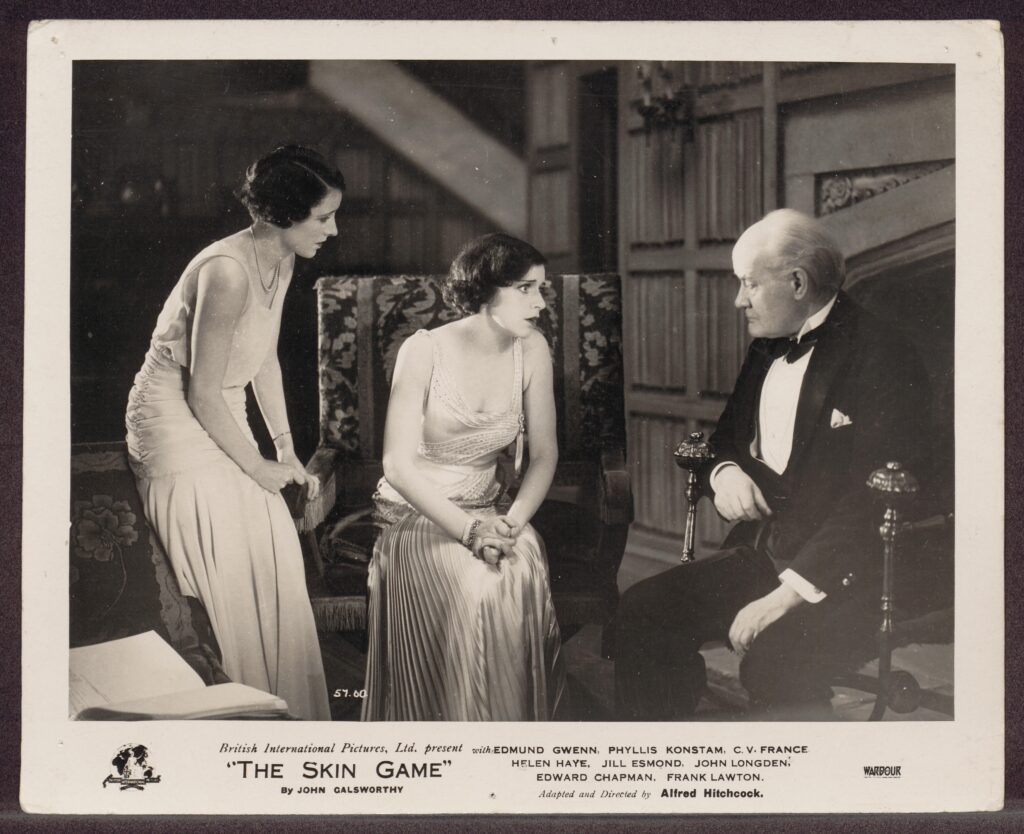
The next film, The Skin Game, released in 1931, is a bit of a curio. It deals with an old traditional family and a modern family battling over land in a small English village who almost destroy each other. The restoration here does have a few scenes where the picture quality isn’t quite up to scratch but the petty, venal squabbling of the families is wonderfully portrayed, something that the director used as his stock in trade throughout his long body of work. Again, you get to see the director’s onscreen tricks put to good use here and it is an elegantly shot piece despite its age. There are devices again he uses that have become so familiar in other, later film directors’ works that they feel fresh here when you consider The Skin Game’s vintage. Written by well-known novelist and playwright John Galsworthy, it does feel a little theatrical in places – not surprising as this is based on his hit play of the same name – but that doesn’t diminish its impact. For fans of the director, this is well worth checking out.

Rich and Strange, made in 1931, feels like a little bit of an oddity. A romantic comedy starring Henry Kendall and Joan Barry as a couple who are left money but this sudden wealth causes a strain on their relationship when they decide to go travelling to see the world, Rich and Strange looks exquisite but it feels like a very slight film. It isn’t without its charms though as again Hitchcock pushes the envelope in terms of how it is shot and edited and how he portrays the couple’s trip on the cruise, including some nifty camera tricks that no one else had tried before.

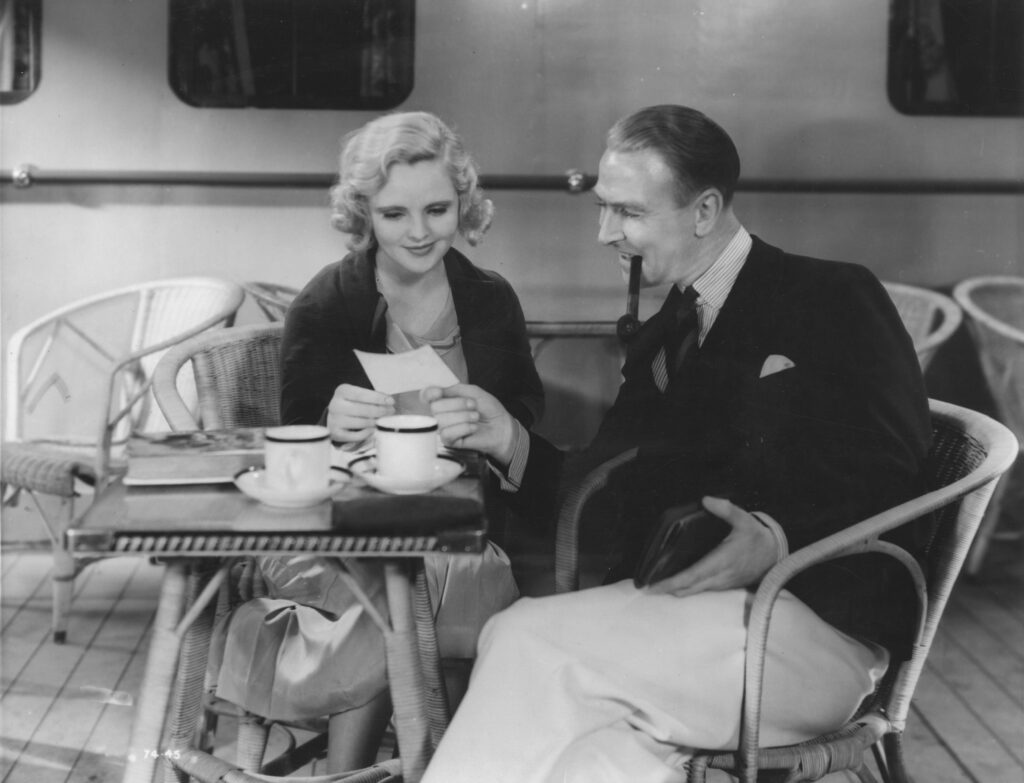
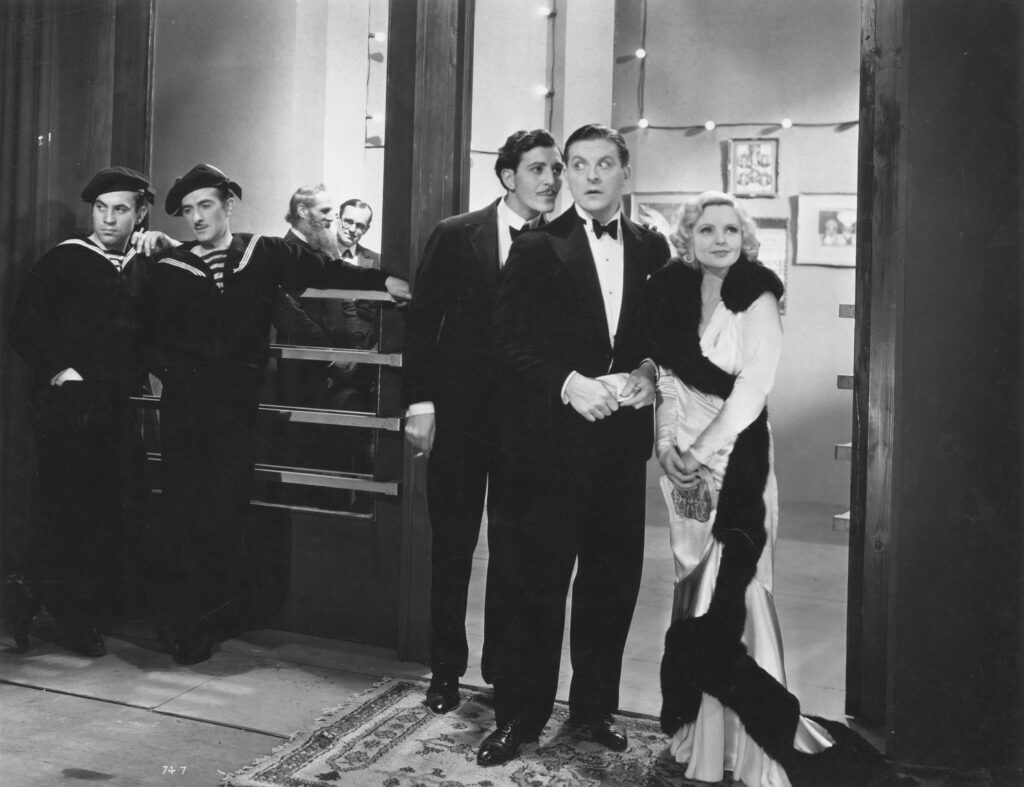

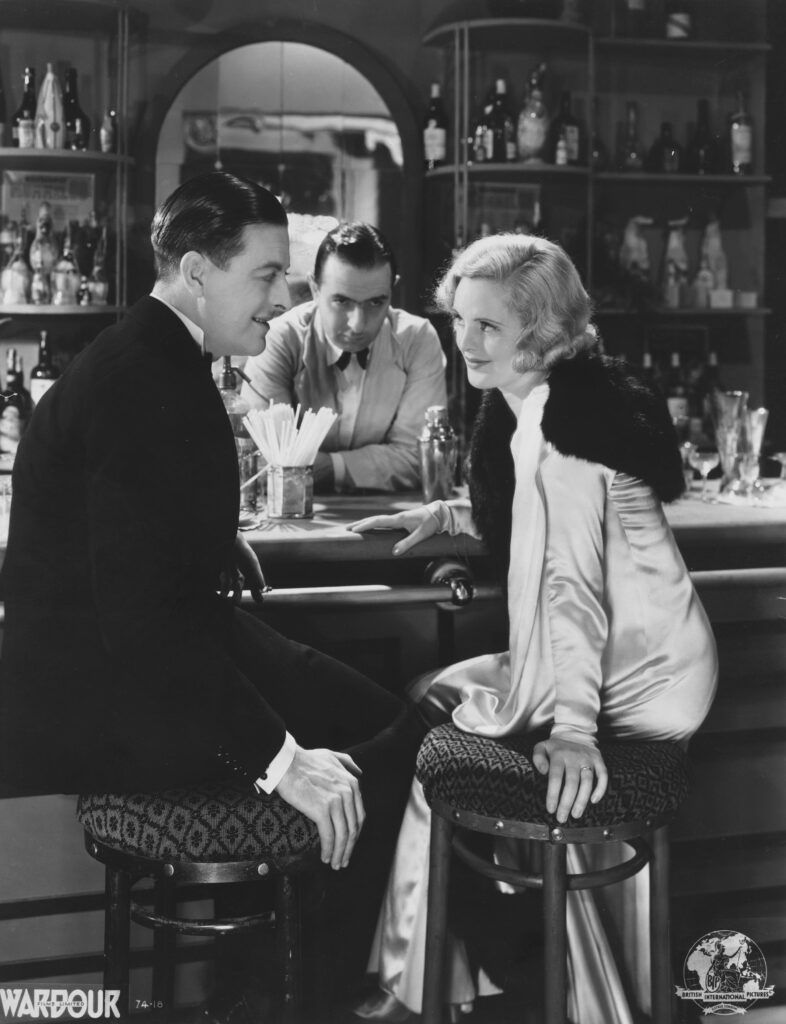
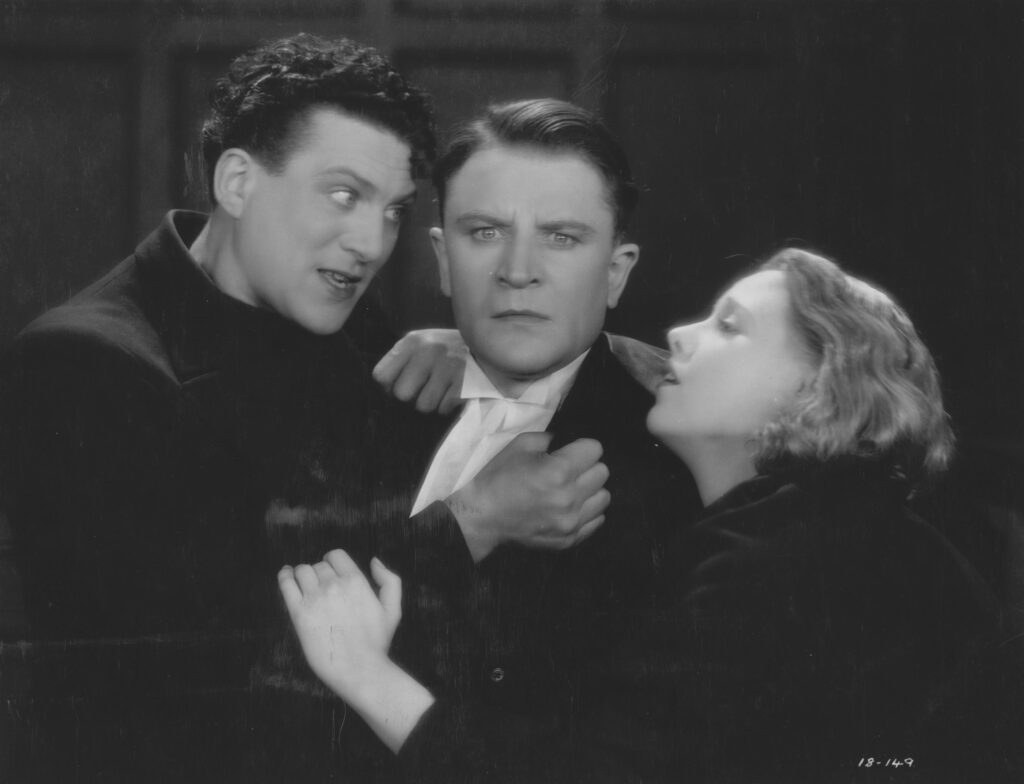
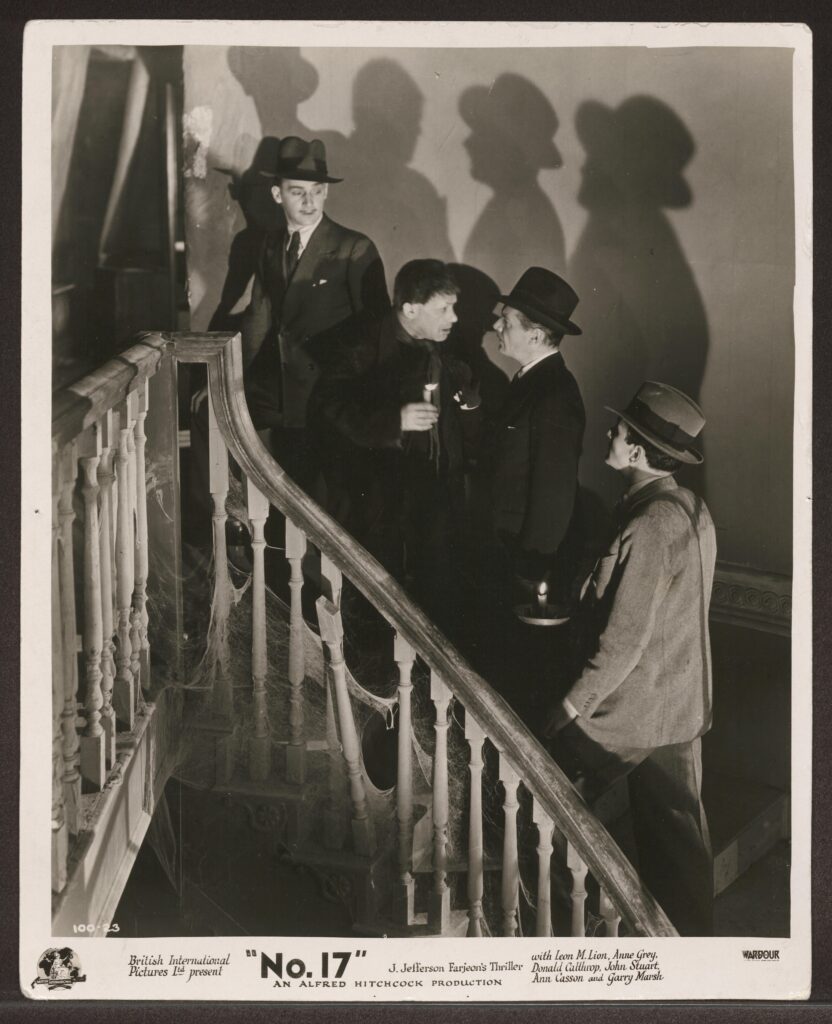
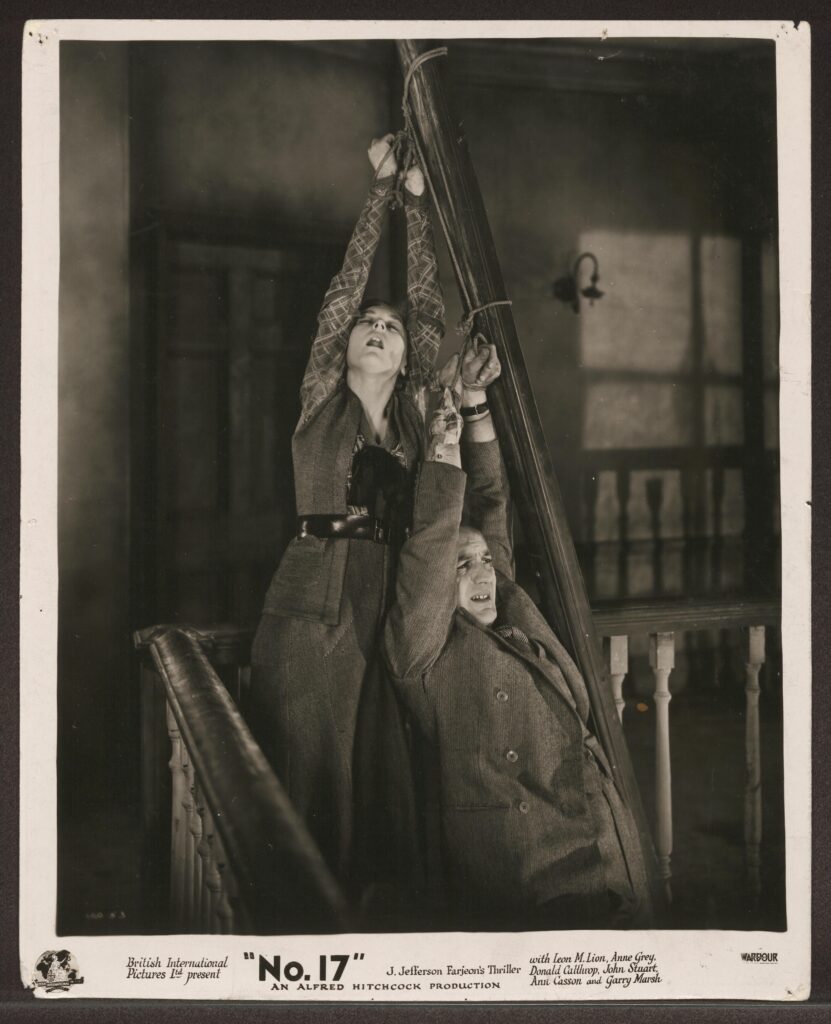
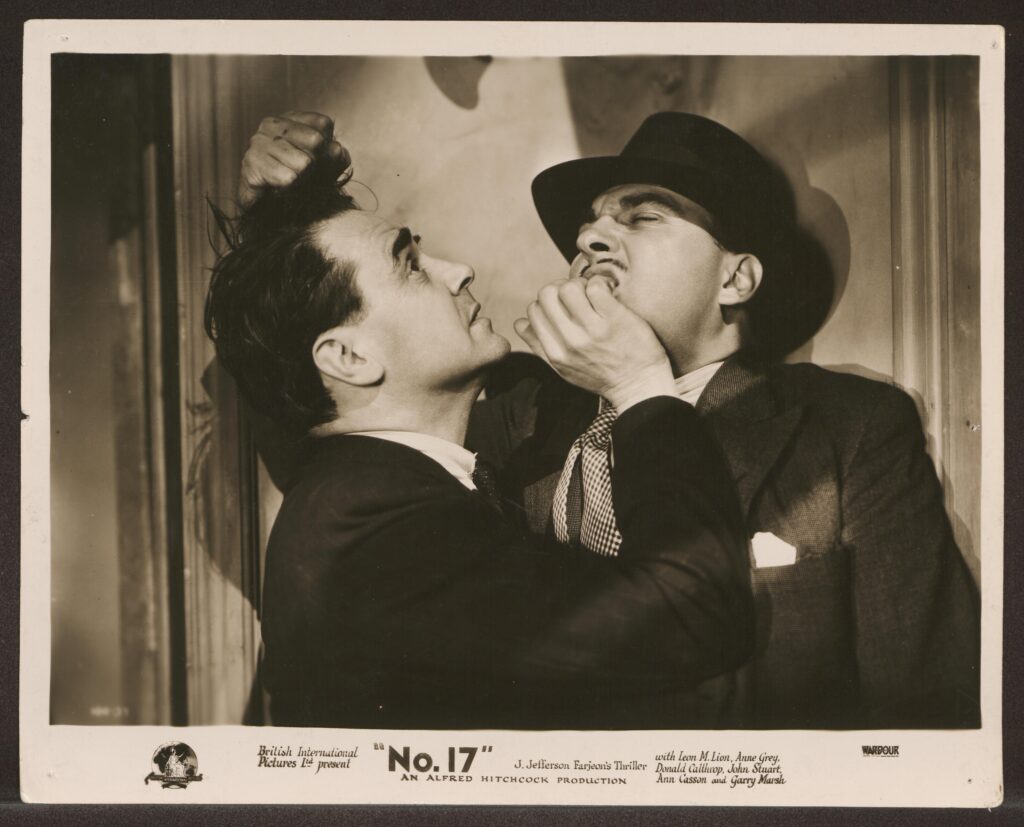
The final film, Number Seventeen, released in 1932, is an hour-long crime thriller about a pair of criminals played by John Stuart and Leon M Lion in a house in London which morphs into a more complicated and sometimes confusing tale. Despite its weaker script than films like Blackmail and Murder!, Number Seventeen is a gorgeously shot noir film and you can see its influence, particularly in its final twenty minutes in later films like Ealing Studios’ The Ladykillers. It also has what became known as a very Hitchcockian twist at its end and again it points the way to his later, better-known films when he made the move to Hollywood. The restoration here really brings it to life on screen too.

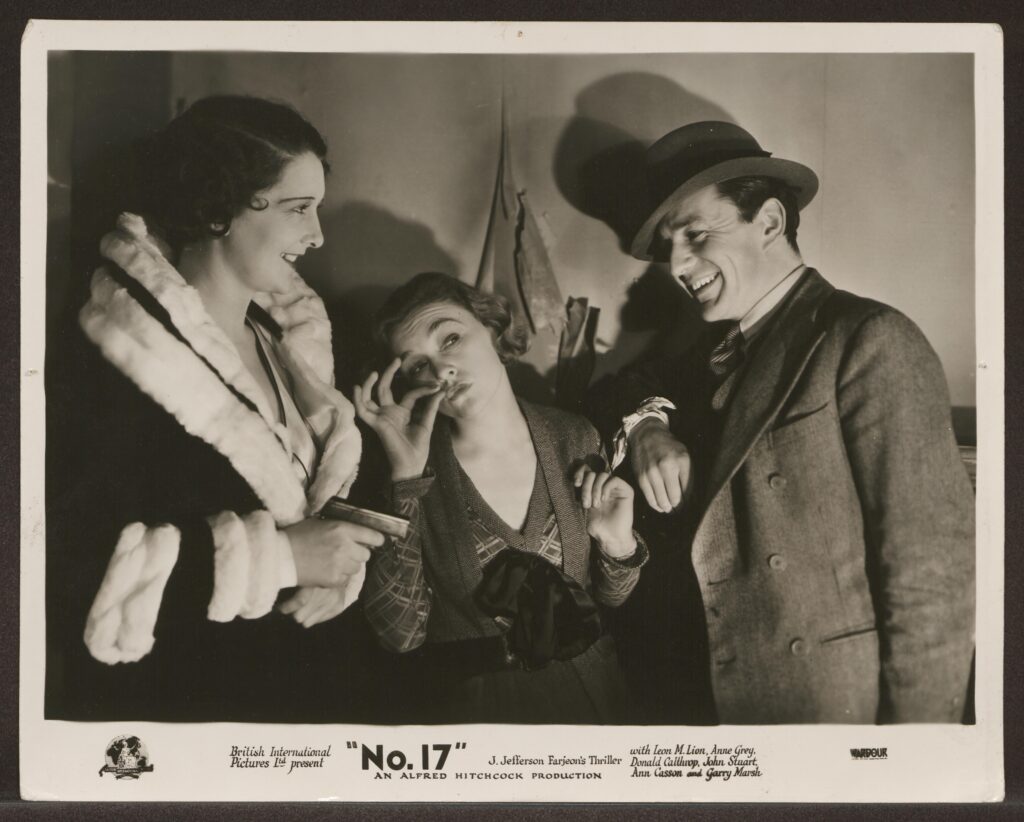
The box also includes Becoming Hitchcock: The Legacy Of Blackmail, a documentary which offers a little extra context as to his career and how his work in England paved the way for his career in Hollywood. It points out that Michael Powell, who later became a major player in UK cinema with his work with his partner Emeric Pressburger, worked under the director and cut his teeth with Hitchcock as stills photographer on Champagne and Blackmail.
Hitchcock was one of the 20th century’s most important film directors and his earlier work offers a trail of interesting crumbs as to how he got there. So for fans of the master of suspense, this is a must-buy.
Hitchcock: The Beginning is out now from StudioCanal












You must be logged in to post a comment.