

Book News
Tripwire Reviews Darkness Visible: The Cinema Of Jonathan Glazer by John Bleasdale

Exploring The Heart Of Darkness
Tripwire’s contributing writer Laurence Boyce reviews Darkness Visible: The Cinema Of Jonathan Glazer by John Bleasdale…
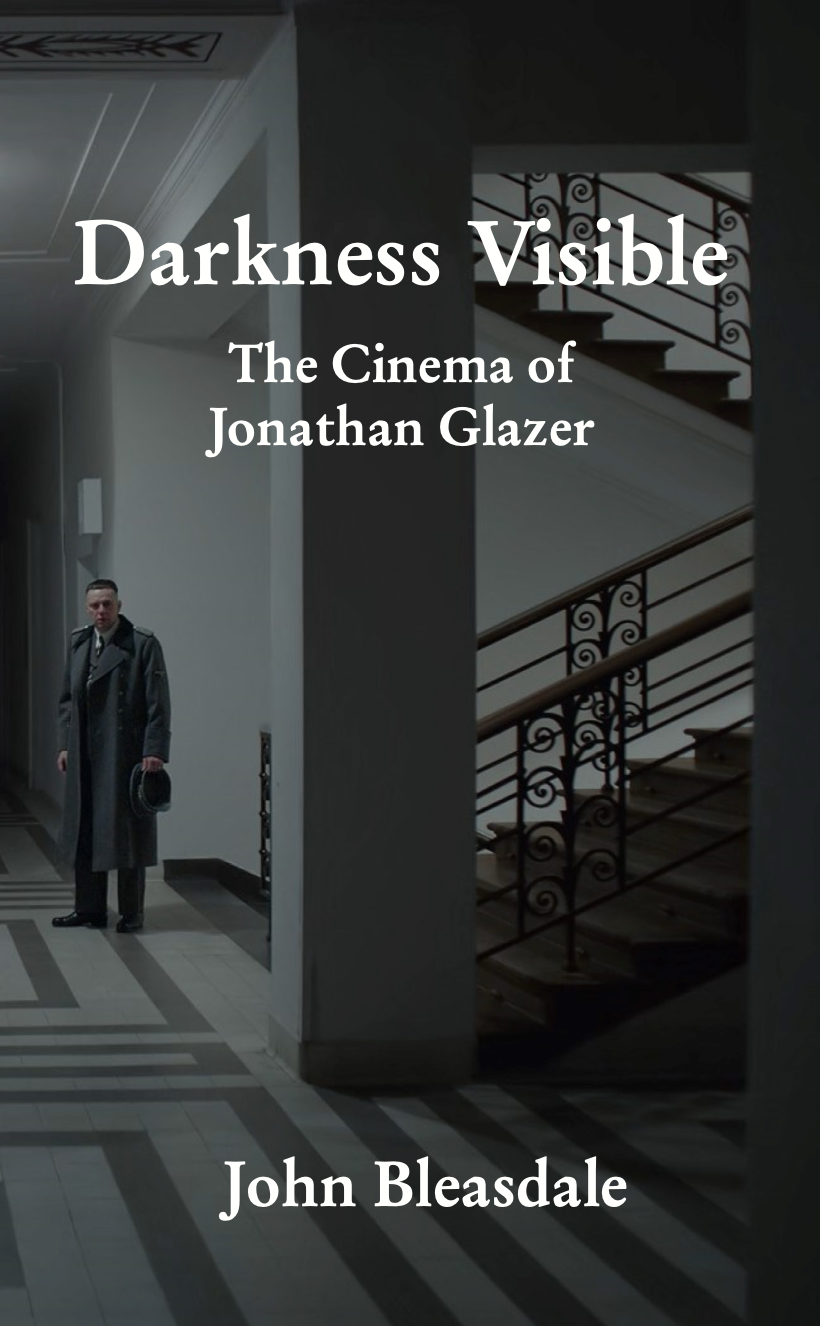
Darkness Visible
Writer: John Bleasdale
Publisher: Sticking Place Books
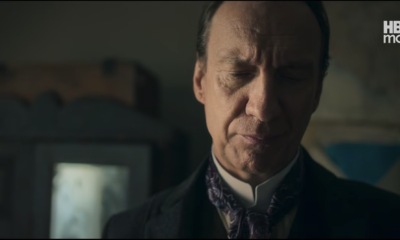
I was one of the people at the Venice Film Festival in 2004 who was – politely putting it – rather non-plussed by Jonathan Glazer’s Birth. The story of a woman who is faced with a 10-year-old claiming to be the re-incarnation of her dead love, the film defied categorisation. Glazer’s previous film Sexy Beast had – broadly at least – been able to fit into the check box of ‘British Gangster Flick’ the likes of which littered the British cinema for about a decade from the mid-90s. But Birth pulled in genre tropes from the supernatural story, from the thriller, from the love story, from everything. It was strange, cold, ethereal, it was both blindingly simple and massively complex. And so it failed. Catcalled from the Venice stands. Rejected by audiences.
If I said that film critics are not fans of darkness, it would seem ridiculous. After all, don’t we devote our careers to sitting in the dark? But the thing about darkness is that it obfuscates, it hides. It means we can’t see the shapes, the forms. It makes it hard for us to find something to grab on to you. A good critic shines a light on something, lets us see it from different angles – indeed, see it in a ‘new light’. But when it’s too dark, we don’t know where to shine the light – and sometime we miss things entirely as with Birth, a film that has undergone a critical re-evaluation over the years.
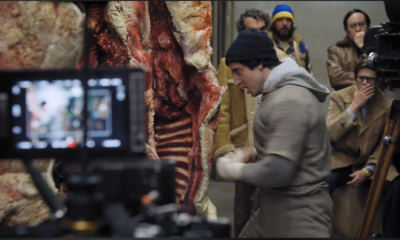
In Darkness Visible, his examination of the oeuvre of Jonathan Glazer, John Bleasdale examines the darkness that makes up the work of the British director. But this darkness takes many forms – literal, metaphorical and even aural – as Bleasdale dives into Glazer’s four films (Sexy Beast, Birth, Under The Skin and The Zone of Interest) as well as his commercials, music videos and short films. Those looking for academic rigour might be advised to look elsewhere. Not to say that Bleasdale doesn’t make many interesting and cogent points, or engage in fruitful analysis. But, as Bleasdale quotes an old tutor of his, “life is wider than argument.” He fully admits that his metaphors about Glazer’s work may get stretched or some of his ideas may be reaching. But this is meant to be an appreciation of Glazer’s work, a delve into the myriad of ideas of a director who has created a rich tapestry of work in such a comparative small number of films. Hence we can flit to Paradise Lost to Channel 4 sitcoms in the blink of an eye, go from the grandeur of Kubrick to the sweaty clubs of Liverpool in an instant. In throwing art, politics and culture into a heady pot of references, the book becomes an appreciation a wide-eyed journey into works that invite debate and speculation looking a Glazer’s influences and aesthetic choices. It’s like taken part in a wildly entertaining debate in which a few drinks need to be imbibed to keep the conversation going late into the night.
The lack of Glazer’s involvement – something that Bleasdale alludes to himself – may irk some while those in the academic world may rally against the author’s conversational tone (though it is an impeccably researched book.) Yet the book works because a fully academic approach to Glazer’s work would seem to miss the point, to narrow the beam of light with which to search. If we’re going to explore the darkness, let’s do so fulsomely and try not to be too worried about what we’ll find.
Buy DARKNESS VISIBLE at Sticking Place Books – https://stickingplacebooks.com/darkness-visible-the-cinema-of-jonathan-glazer/









You must be logged in to post a comment.