

Headlines
Steve Yeowell Talks About Zenith, Grant Morrison And More

An Auspicious Start
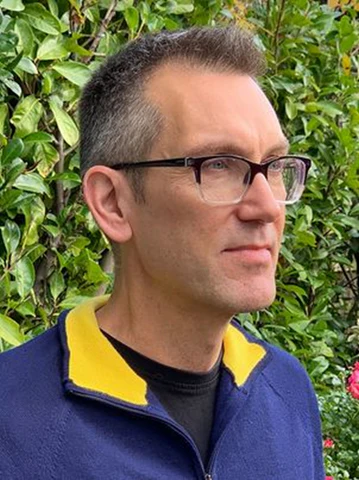
Given Grant Morrison’s apparent retirement from mainstream comics, in the third of a new series of retrospective interviews, Tripwire’s contributing writer Paul N Neal recently took the opportunity to speak to Steve Yeowell about his role illustrating a number of Morrison’s wonderful scripts dating back to the mid-1980s…
TRIPWIRE: Can we start at the very beginning? When and how did you first meet Grant? What were your first impressions? Were there any immediate clues as to how successful he would become?
STEVE YEOWELL: David Lloyd had paired Grant and I on “California Crew”, to appear in “Fantastic Adventure”: a proposal David was putting together for IPC (which they eventually declined). I’d read and enjoyed the episode of “The Liberators” Grant had written for Warrior, one of the standout strips in that issue, but I wasn’t familiar with his work outside of that. I didn’t meet him in person until I introduced myself at the UK Comic Art Convention that year when he was one of the guests.
TW: For followers of UK comics, your earliest work with Grant many fans may recall would have been on Marvel’s Spider-man and Zoids comic. Before it was cancelled, I got the impression there may have been a great deal more to come from your Zoids strip. Can you remember any details of where the storyline might have been heading?
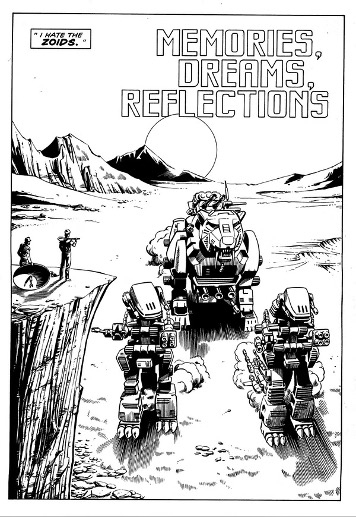
SY: When I started pencilling Zoids, editor Ian Rimmer sent me the series synopsis Grant had written, some episodes of which had already been drawn by Kev Hopgood. It outlined the Silverman storyline and, I think, the first appearance of Colonel Sclater and the space marine squad, but I can’t remember how the storyline developed beyond that.
TW: You have likely covered this before but for the uninitiated can you describe how you came to become the artist on Zenith. In the past you have described how you took over from Brendan McCarthy in the early stages of the strip’s development.
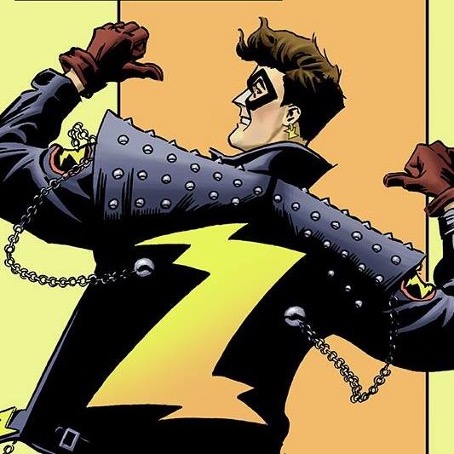
SY: Brendan with Grant had designed all the major characters for Phase One but Brendan was unable to take on the strip itself. Mighty Tharg (Steve MacManus) was familiar with my work and asked if I’d be interested in drawing the series. It looked so much fun I couldn’t resist.
TW: Despite taking over from McCarthy, nobody can deny you put your mark on Zenith. Your version of all the characters involved are definitive to my mind. Are many based on real people or celebrities that were in the news at the time?
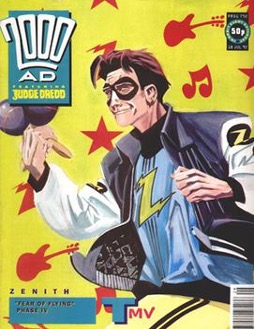
SY: It’s common practice to base characters on real personalities. Amongst others, Brendan had based Ian St John on Michael Heseltine, Dr Beat on Christopher Lee and White Heat on Diana Dors. I based Spook on Audrey Hepburn and Mantra on Bjork. As is also quite common, I drew friends of mine in the background on occasions.
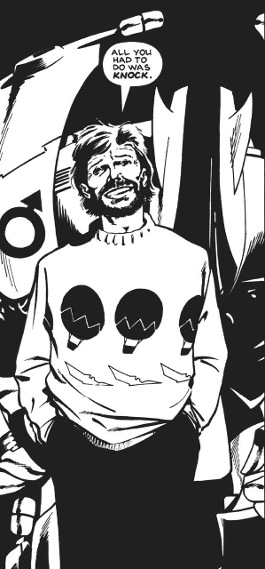
TW: When I say “celebrities of the time” would you concede that at least one certain villain in the history of Zenith may have shared a resemblance to the 90’s millionaire / billionaire Richard Branson? That was surely in Grant’s scripts? Wasn’t it?
SY: If I remember correctly, Grant mentioned Scott Wallace as being “Branson Like” as a character but didn’t specifically ask that he look like Richard Branson, and I didn’t search for any photographs of him. I designed Wallace from a memory of Branson and referenced his publicity activities of the time in the speedboat and balloon motifs on his costume.
TW: Phase Three of Zenith is where a great deal of the earlier story ideas come to a head. It is epic and a bit gloomy to say the least. Your art reflects the potential of the end of the world. Your style was darker, but full of kinetic energy. Can you say anything about that style of art? I feel it was a high note, among many, in your career.
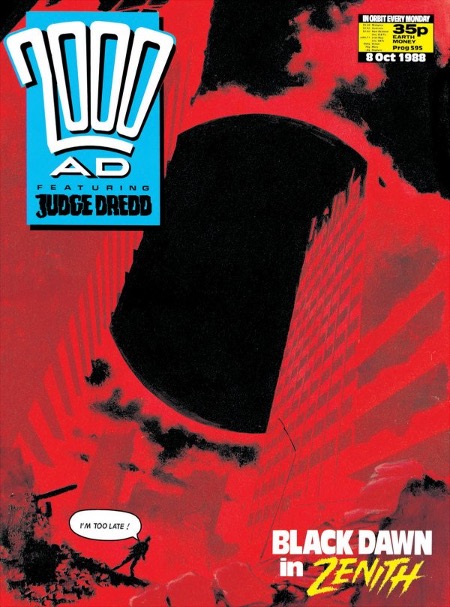
SY: That style was prompted partly by the atmosphere of the story and partly by the materials I was using. I was drawing on board similar to CS10 which had a very smooth china clay surface which you could scrape back with a scalpel or use an ink eraser on with almost no damage. I was also using a lot of black and white photos from music papers as scrap reference for the lighting. After Phase Three I started working with markers on a different surface which brought about a change of look.
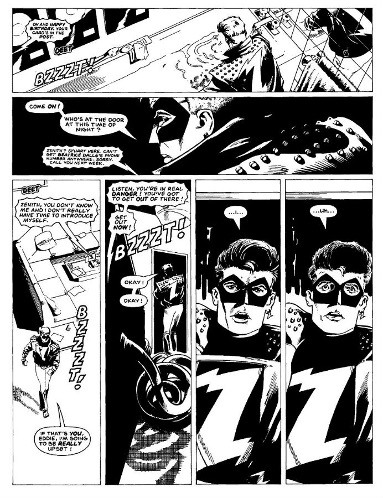
TW: The final book of Zenith was coloured. Was this an editorial decision? Zenith’s previous adventures had been so proudly told with your black and white artwork. Did this come as surprise? Did you need to adapt as an artist?
SY: 2000AD switched from a black and white publication with colour centre spreads to all colour after we’d finished Phase Three, so it was an editorial requirement. It didn’t come as a surprise, and we happily accepted the change. I didn’t find it needed much adaptation; as my drawing was moving toward a more open style anyway.
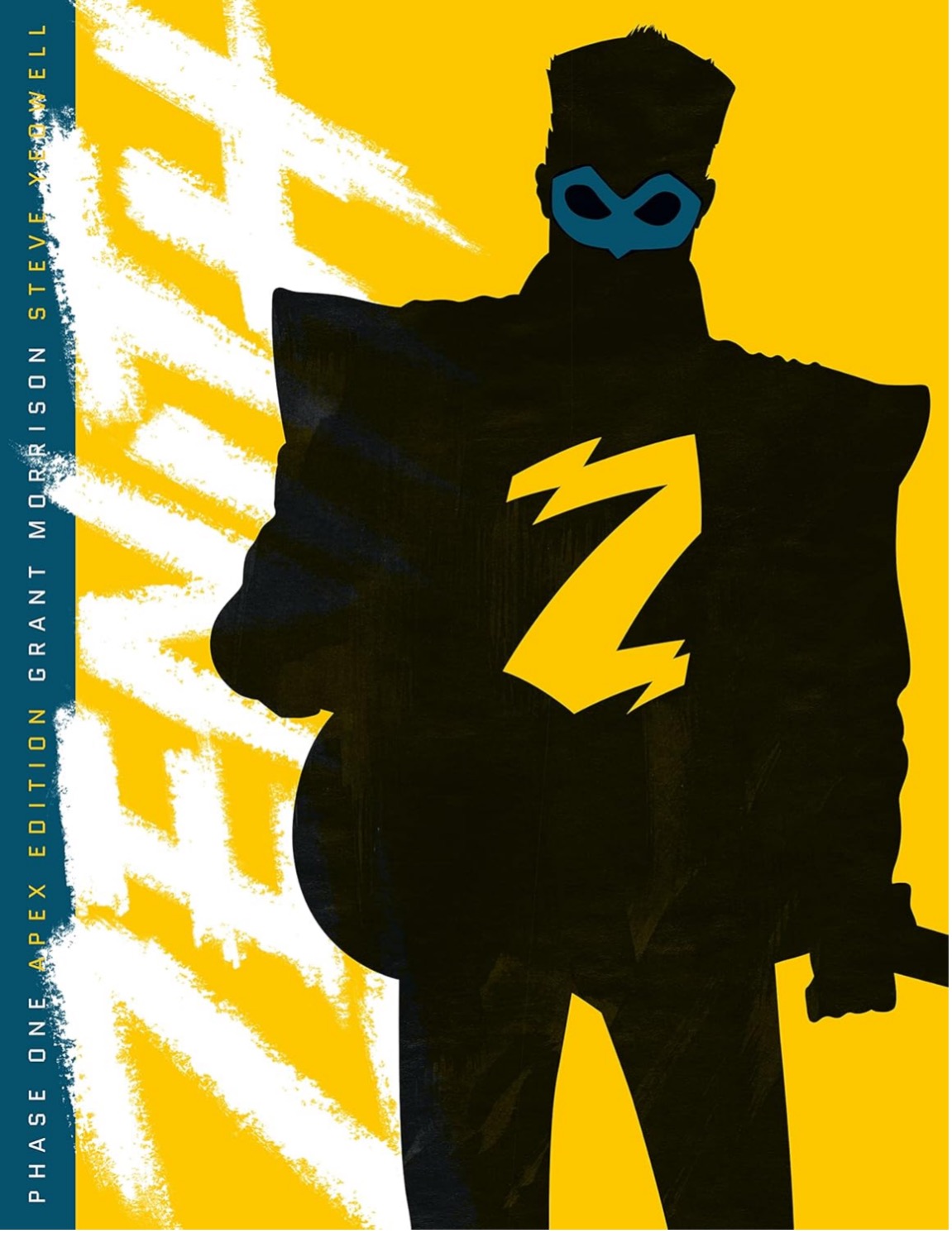
TW: Your early work on Zenith was recently published in an oversized book with your art for all to see. Artists’ Editions of comics have become incredibly popular in recent years. Were you pleased with the finished result of the book?
SY: I was pleased with the finished result of the (very large) book and enjoyed writing the running commentary along the top of the pages. Hopefully the other phases will be released sometime in the future.
TW: Can you say what Grant’s scripts are like to work with? Are they very detailed, or do they offer you a lot of freedom to tell the story in your own way?
SY: I never had the slightest problem working from Grant’s scripts. I’d describe them as descriptive without being prescriptive; rather more like a piece of narrative text than a screenplay.
TW: You have spoken to me in the past about your work on another of Grant’s early projects. In 2000AD’s mature readers’ sister title Crisis you completed work on a story about Hitler taking a holiday in the UK. The art was incredible. For those fans unfamiliar can you remind them of the history behind this unappreciated work that to date has sadly never been collected and perhaps remind people why it hasn’t been put together into a graphic novel format?
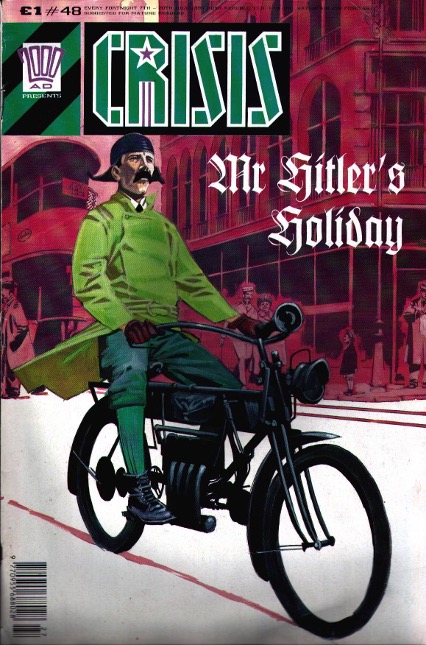
SY: Inspired by the book “The memoirs of Bridget Hitler”, The New Adventures Of Hitler was commissioned by a Glasgow based magazine which folded after the first two or three black and white episodes had been published. Despite the source material being used before in a novel by Beryl Bainbridge (“Young Adolf”) and a stage play called, I Hitler in Liverpool” the subject generated some controversy at the time. The first episodes were reprinted and the story completed in Crisis, this time coloured by Nick Abadzis and Steve Whittaker. A reprint has been mooted a couple times but never got off the ground. As far as I know, Nick and Steve’s colour artwork has disappeared, as have the films of the pages.
TW: You were the artist on the opening storyline for one of Grant’s most acclaimed works, namely The Invisibles. Did you realise at the time how significant the series may become? Can you share any memories from your work on the series?
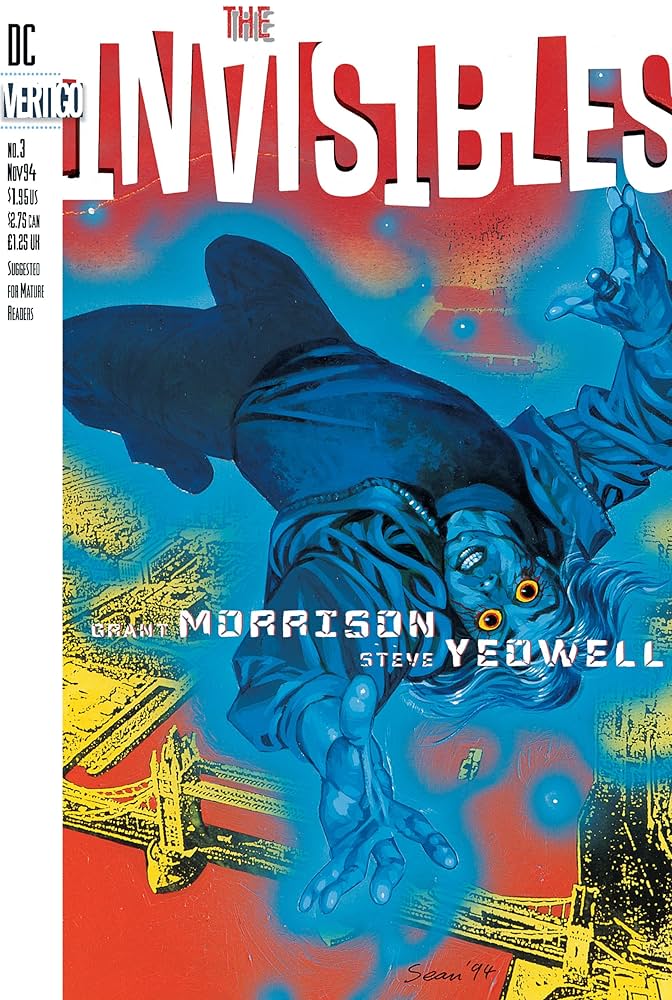
Cover credit: Sean Phillips
SY: Grant had already explained the intriguing and exciting concept behind the Invisibles to me. He and Jill Thompson had worked up some of the designs between them: King Mob’s costume had been designed as had Lord Fanny, Ragged Robin and Boy. Due to other commitments however, Jill wasn’t in a position to draw the opening story in time for the release schedule DC wanted to meet so I was asked if I’d be interested in taking over for that first arc, which naturally I was. I based Dane on Mark Owen from Take That and King Mob on, believe it or not, The Hood from Thunderbirds. DC had high hopes for the series, but it took a few months for it to really build an audience.
TW: Another series of interest for fans may be Skull Kill Crew. It is credited as being a Morrison and Mark Millar script, and also I believe possibly the rare times you have worked for Marvel comics. Was this a fun project? Was it originally intended to be an ongoing title?
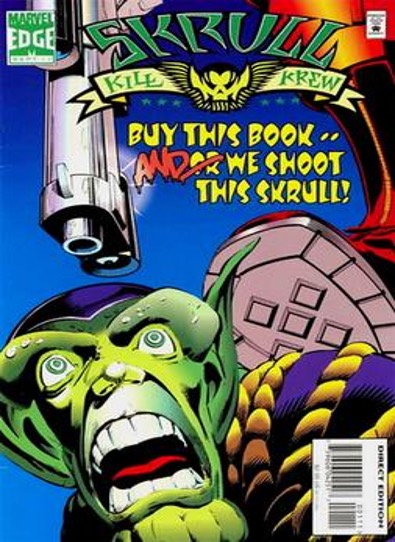
SY: There was a plan that Skrull Kill Krew might become an ongoing series depending on sales of the first four issues, but alas… Apart from a slight difference in the feeling of the scripts, which were written alternately by Morrison and Millar after they had jointly plotted them, working on the project wasn’t any different from any other. I had actually already drawn a couple of jobs for Marvel by then – an issue of Dr Strange and a Banshee story.
TW: Inevitably we come onto Sebastian O. This was a terrific miniseries you and Grant produced together. You mentioned to me once a follow up was mentioned briefly. It is such a shame, it had potentially for a follow up. Can you share any memories at all please?
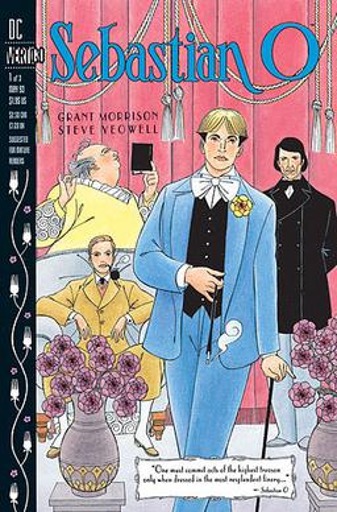
SY: Originally put together as one of the titles for “Touchmark”: Disney’s proposed adult comic line, Sebastian O transferred to Vertigo after Disney decided not to go ahead with the project. I based Sebastian’s appearance directly on Aubrey Beardsley and tried to reference Beardsley’s Yellow Book illustration style in the art. I think I based the Abee on Gustav Klimt. Editorial asked that underwear be pasted up over the artwork featuring Sebastian’s android handmaids in the first issue to preserve their modesty.
TW: Would it be fair to guess you have attended a handful of signings with Grant. Can you share any experiences or stories at all? You have worked on projects that must have generated a passionate fanbase?
SY: The largest I experienced was the Vertigo signing tour that DC organised to coincide with the release of Sebastian O. Lots of interested and enthusiastic regulars kept us busy at every shop Grant, Jill Thompson and I signed and sketched at.
TW: Have there been a great deal of projects with Grant that nearly happened, but for whatever reasons never quite came to fruition?
SY: Happily, for me, all the Morrison projects I got to draw came to fruition.
TW: With the hindsight of a few years and a creative partnership that stretches back to the mid 1980’s, what would you say is the legacy of that partnership and the body of work you created together as writer and artist?
SY: Hopefully something readers find a bit of fun and would occasionally like to reread.
TW: Genuinely finally, what are you working on now? Is there anything you would like to shamelessly promote? At conventions do you ever get bored of being asked to sketch Zenith?
SY: I’ve just completed an issue of Commando for DC Thomson and am about to make a start on a series for 2000AD, written by Rob Williams, that Patrick Goddard and I are sharing art duties on. And no, I don’t get bored of being asked to sketch Zenith.
TRIPWIRE NOTE: To end, Steve shared a small Grant Morrison anecdote.
SY: Grant was “Unable to come to our wedding, Grant was nevertheless kind enough to send us a (typically Morrison) gift…an inflatable Egyptian sarcophagus. Hasn’t been inflated for a number of years but we still treasure it.”








You must be logged in to post a comment.