

Comics News
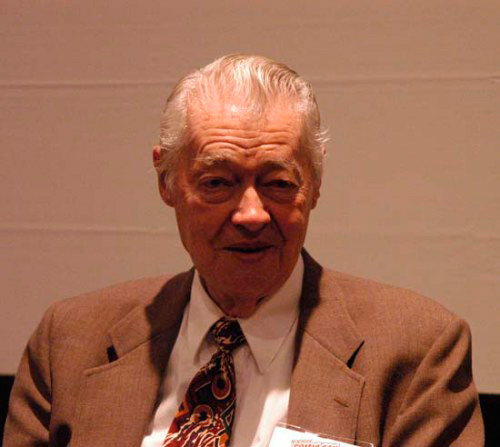
Murphy Anderson 1926- 2015

 A Silver Age Giant
The comic industry lost one of its most-loved artists last week, so Andrew Colman took a look at his life and career…
One of the comics industry’s most celebrated and universally liked career artists, Anderson was a cornerstone of DC’s Silver Age bullpen. As both a penciller and an inker (notably collaborating with key talents such as Gil Kane, Joe Kubert, Carmine Infantino and, of course, Curt Swan) Anderson’s clean line helped define DC’s house style for a generation of comic readers. His initial forays into the comics industry were in science fiction strips, a genre that he would become synonymous with throughout his life. In 1944 he began working for science-fiction comics’ pioneer Fiction House, drawing Suicide Smith, Star Pirate and Sky Rangers, his ability noticeably developed even by that point. After the war he drew Buck Rogers, before moving to such Atom Age publishers as St. John, Ziff-Davis, Marvel Comics’ forerunner Atlas, and eventually DC.
It was at DC that Anderson found his niche, firstly at premier sci-fi title Strange Adventures. His classic yet slightly off-kilter style was perfect for the futurism of the Captain Comet strip he was assigned to. Within a few years he had become a stalwart for the company, continuing his work for Strange Adventures (he was co-creator for the oddball yet fondly remembered Atomic Knights strip for the title) and Mystery In Space, before moving onto the burgeoning roster of super-hero titles (of the more cosmic variety) that had arrived after Showcase, Brave And The Bold, and Justice League Of America hit the stands. Throughout the Silver Age, Anderson’s inks enhanced the art of most of the DC stable, especially Justice League Of America, Hawkman, Showcase, the revived Spectre, and many others. He was also a prolific cover artist during this period, before Joe Kubert and Neal Adams took over towards the end of the 1960s.
Despite newly appointed publisher Carmine Infantino’s wholesale changes to DC’s artistic identity in 1969, Anderson continued at National, mainly working with longtime partner Curt Swan on Action Comics and Superman. By this point, the two artists’ version of the character had become so entrenched that the term “Swandersonized” was used, mainly when it came to redrawing other artists’ renditions that Infantino deemed too at odds with their trademark established look (most notably Jack Kirby on Jimmy Olsen and the Fourth World series). He also worked on the occasional horror or sci-fi piece, such as House Of Secrets or Weird Worlds.
After his tenure as a comic artist began to wind down, Anderson maintained his profile as a regular at conventions and award ceremonies, being inducted into both the Jack Kirby and Will Eisner Hall of Fames in the late 90s. Considered by all who met him as one of the nicest people in the industry, Murphy Anderson was one of the unsung giants of American comics, and one of the few old-school legends left from the classic era.


ANDREW COLMAN










You must be logged in to post a comment Login