

Comics News
Realm of the Damned Writer Worley Speaks

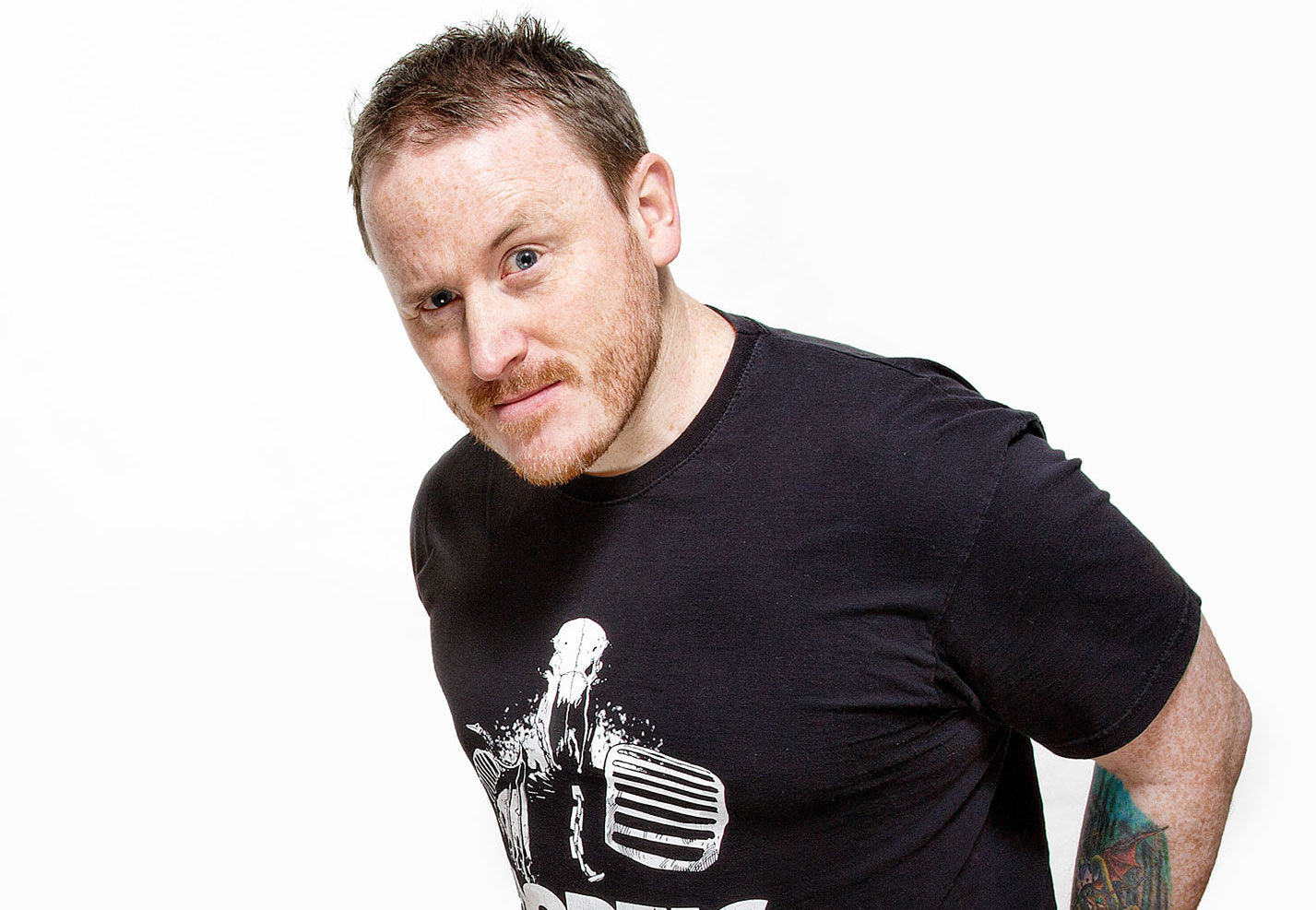
Worley Enters The Realm of The Damned
♦Realm of The Damned: Tenebrios Deos starts in this month’s Judge Dredd Megazine #369, available from all good comic shops and newsagents in the UK from 17 February as well as digitally from 2000AD’s webshop. Its writer, Alec Worley (Age of The Wolf in 2000AD) spoke about writing this new eagerly-awaited horror saga
TW: How did you get involved with Realm of The Damned?
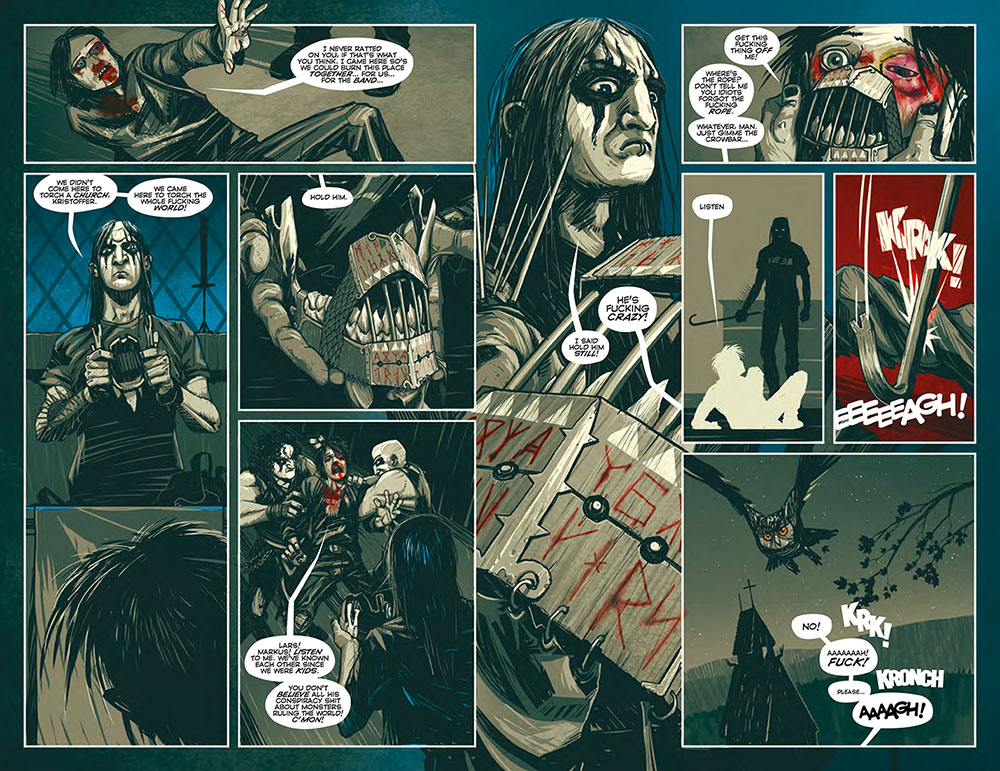
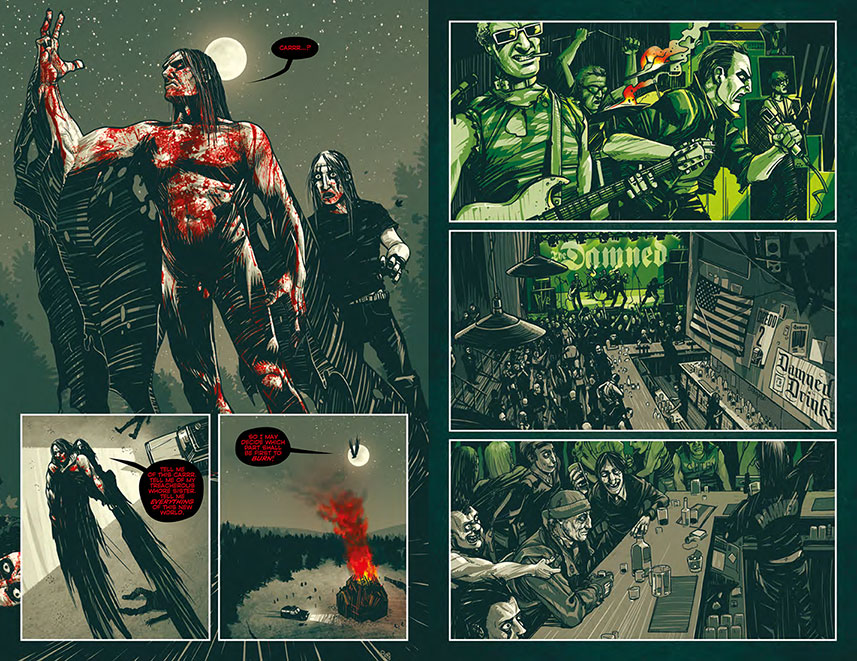
ALEC WORLEY: Artist [Simon] Pye Parr gave me a call to say he was on board for this gothic horror book that Steve [Beatty] was putting together. I took a meeting and Steve explained what he had in mind: this revision of the classic monster pantheon – Dracula, Frankenstein’s monster, the Wolfman, etc – but based in some kind of semi-apocalyptic world and somehow tied into music. Since there are so many of these ‘monsters walk among us’ stories, there needed to be a new spin on the material, so I suggested that we destroy the covert monster-busting organisation, a la BPRD, Men in Black, et al, and have the monsters take over the world. Ironically, having the monsters rule the world turned out to be not that different to the world we’re actually living in right now! It was really only when Steve suggested we somehow set this in the genre of Black Metal that the whole thing just clicked and became something truly different. We wanted the book to be completely set within that genre, employing all of that iconography like the burning churches and the corpse-paint. It would feature its obsessions and really dramatize the psychology behind it all.
TW: How different was it working on a graphic novel rather than a strip series?
AW: It was a lot easier. Writing in six-page episodes for 2000 AD is a terrific exercise in learning to condense your storytelling. I think this is why a lot of 2000 AD writers, like Alan Moore and Garth Ennis and Grant Morrison, exploded when they started writing for the Big Two, as suddenly they had all this space to play with. With ROTD, I still had to plot and pace the story within specific constraints of the page count, but there was now so much more room to breathe and you are able to use a wider visual vocabulary. You can employ things like moment-to-moment and aspect-to-aspect transitions that build atmosphere and give the characters room to emote. There’s a mountain of difference between the short and long forms and I think if you were to write, say, a Judge Dredd graphic novel, it would have an entirely different, deeper and more novelistic feel than the six-page plot-driven bursts you get in the Prog. You’d have way more room to explore the character and let the reader drink in the world. Of course, 120 pages isn’t actually that much space in the long run. It’s still only really novella length in story terms, but Steve was happy to let me and Pye let the seams out here and there if we wanted more room to sell a story point.
TW: You have worked extensively on 2000AD over the past few years. How different was it working on Realm of The Damned?
AW: Aside from the physical constraints I mentioned before, not that different at all, really. It had the same pace as a 2000 AD story, the same emphasis on monsters and mayhem. Really, working for 2000 AD – specifically under editor Matt Smith – has given me such a grounding in terms of storytelling, that I find it pretty easy now to adapt to different projects, whether that’s a long-form hardcore horror book like Damned or a short-form action-comedy for kids like Teenage Mutant Ninja Turtles. I owe a tremendous amount to Tharg! Since I came up through the Future Shock slush pile, I’ve taken on board pretty much every single note I’ve ever received from him and over the years it’s really helped bring my scripting into focus and strengthen my weak spots. Cheers, Mighty One!
TW: How closely did you work with artist Pye?
AW: More closely than I’ve ever worked with an artist before. I ran the initial story breakdown past him to get his input, same with the scripts. In return he’s shown me his roughs, then his finished pages. Just having the time to do a lettering edit can make a monumental difference. Just taking out a word here or there because he’s come up with an image that carries the same meaning. Or if you’ve got an interdependent panel where the words are relying on the image to express an unspoken subtext, you can make sure that what the panel is trying to say doesn’t get lost in translation. When you’re writing ‘full script’ and can’t guarantee you’ll ever even speak to the artist, you can’t always afford to be subtle in telling the story. You have to ensure the message is reaching the reader. Working like this creates a much tighter fusion between the words and the visuals, which is really what you’re aiming for in comics, innit?
TW: Horror is such a well-mined subject. What do you think marks ROTD out as something new and fresh?
AW: The Black Metal angle. I never grew up with music, even as a teenager. So I’m constantly discovering new stuff like I’m bloody Pinocchio or something and going ‘this is amazing’. I read the brilliant book ‘Lords of Chaos’ by Michael Moynihan and Didrik Søderlind, which is a sort of cross between a music biography and a true crime book. Really, honestly disturbing stuff. It describes how the genre first emerged in the early 90s where Black Metallers were torching churches across Norway and murdering each other. ROTD is about digging into all that psychology – male wish-fulfilment and fantasy, that crossover between role-playing and reality, Christianity vs. paganism. It’s just a wealth of material. And we’re playing it all out like a story that could be sung about on a Black Metal album.
TW: The first graphic novel is out this May. Will we be seeing future stories featuring the characters in comics?
AW: Yes, I believe we will. I’m working on book two right now.
Realm of The Damned: Tenebrios Deos begins in the Judge Dredd Megazine this month, February. Visit http://www.werewolfpress.co.uk/ for more information.









You must be logged in to post a comment Login