

Graphic Novel Review
Tripwire Reviews Rebellion’s The Ballad of Halo Jones Full Colour Omnibus Edition


A Free Spirit
Tripwire’s contributing writer Tim Hayes casts his eye over Rebellion’s The Ballad of Halo Jones Full Colour Omnibus Edition…
The Ballad of Halo Jones Full Colour Omnibus Edition
Writer: Alan Moore
Artist: Ian Gibson
Colourist: Barbara Nosenzo
Rebellion
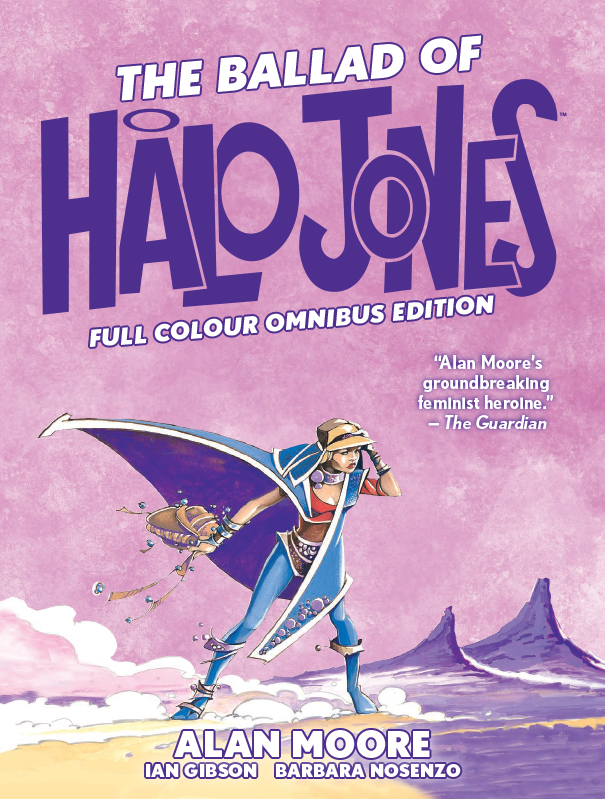
Reprinting The Ballad of Halo Jones means choosing what to reuse from all of the earlier reprintings, and for this Full Colour Omnibus Edition publisher Rebellion has again mixed and matched items previously seen in different places with some fresh material. It includes all three Books of the original strip before it ceased, some 200 pages of story from 2000 AD published between 1984 and 1986; a new introduction from Kieron Gillen; older archival notes from both writer Alan Moore and artist Ian Gibson; parts of a 1985 interview with Gibson from the fanzine Arken Sword; and a section of Moore’s written scripts for two chapters of Book 3, which true to the nature of the author occupy 24 pages of this book for 10 pages of the comic.
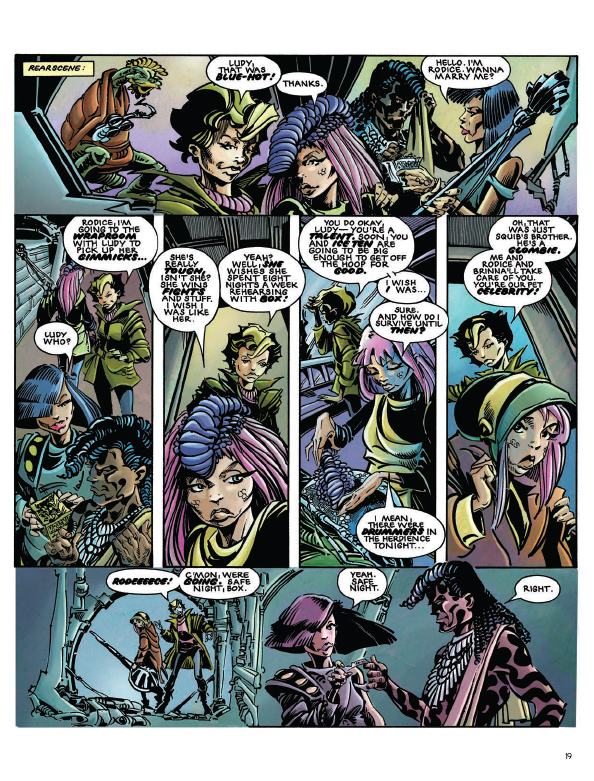
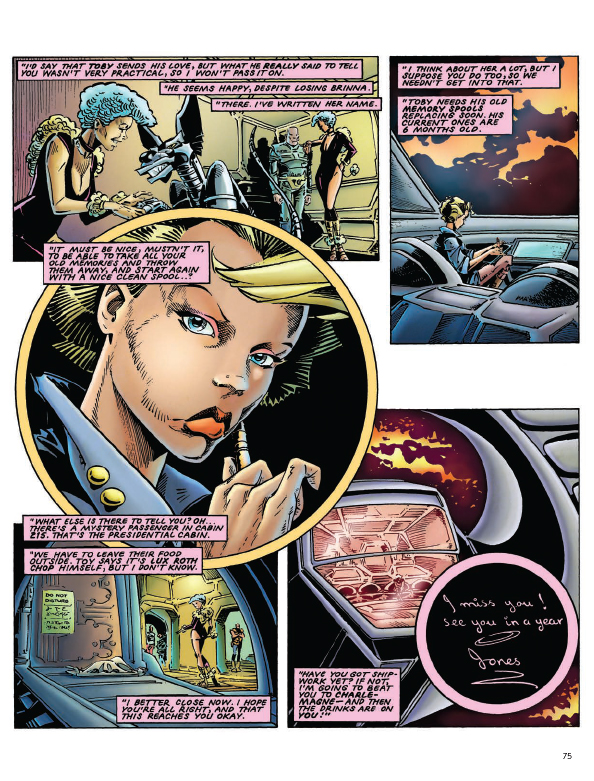
Rebellion ensures that Halo Jones stays in regular rotation – Book One was reprinted as recently as September 2022 in the first Best Of 2000 AD book – because it’s still a popular time capsule for the era when Alan Moore was writing for the comic and its pages were bursting with energy, plus an opportunity to see Ian Gibson apply his talents at length to Moore’s story as it gets progressively darker and doomier. Teenager Halo Jones, hemmed in by the dull modernity and cultural tensions of her society, opts to make a break for outer space instead. After a period working as one of the crew on a starship, she winds up fighting in an interstellar war that was mentioned in earlier chapters, a free spirit tipped into the industrial killing operations that supposedly civilised societies never give up on. Some of this arc now feels very rooted in 1984 and its tensions, Moore doing what he did prolifically and pulling ideas from the air around him for processing through his own particular style while adamantly refusing to sexualise the female lead character. On the other hand the writer’s creation of The Glyph, who has changed unhappily between female and male 47 times but just made her/himself more miserable and become so free of personality as to be practically invisible, is open to different interpretations both positive and negative but certainly feels like an author intuiting future societal changes.


These are of course not technically the original strips. Rebellion had Gibson’s black and white art coloured by Italian colourist Barbara Nosenzo in 2018, and this is the version that the publisher regards as approved and official. It’s a perfectly fine colouring job – and not even the strip’s first, since Quality Comics added colour to its own reprints back in the 1980s – with muted tones to match the serious subtexts and different palettes for the three different books of the story arc. But the original Halo Jones art seemed perfect in its black and white balance, firm ink strokes and solid blacks surrounded by uninked negative space. If anything the original panels now look more modern than the same images do with their white spaces filled in with tints and explanatory shadings. Halo Jones will never vanish from sight, and nor will its influence, with Dan Abnett and Mark Harrison’s current 2000 AD story The Out paying respectful tribute. It will never be concluded by Moore and Gibson either, but if you want to read all of what there is in the form that Rebellion prefers in one place, this is the place to do it.











You must be logged in to post a comment Login