

Column
Serialised Storytelling May

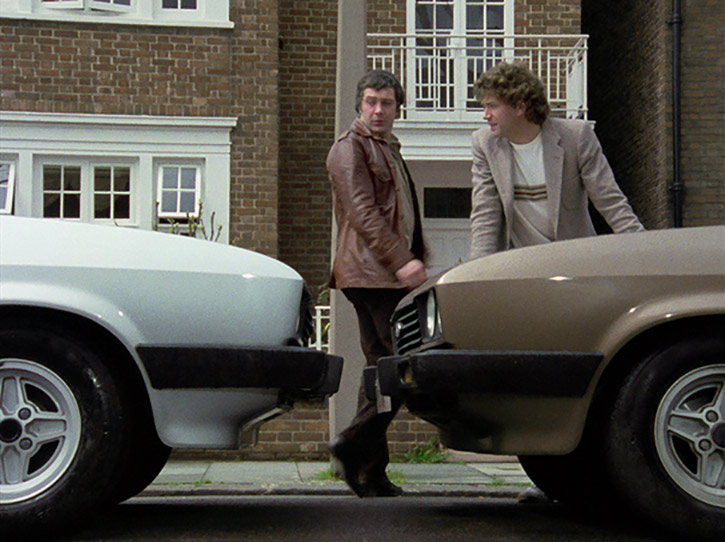
Return To A British TV Classic: The Professionals
Tripwire’s TV columnist, Hugh David, turns in his latest monthly column and gives us a history of that most British of genre TV shows, The Professionals…
In the history of that enduring staple of British television, the police procedural, there is pretty much before The Sweeney and after. TV historians can trace the toughening up of TV coppers up to that point, but the ITV drama was the first to combine the typical street coppers investigating with a level of action usually reserved for American films, right down to the nonsensical exploding of a car from no apparent source other than that it makes it look cool. After four years and two theatrical features, however, the show came to an end, and ITV started looking around for a replacement.
Cue TV stalwart the late Brian Clemens, at the time working with his production partner Albert Fennell on The New Avengers. Commissioned to devise a new rough-and-tumble crime show, he created CI5: The Professionals, which became as popular as its predecessor, despite initially being a different kind of show. (You can divide cult TV fans of a certain age into two generations by which of these shows they cite first when asked about 70s crime telly!) With the success of the first couple of years came publicity, charity events, tie-ins and more, with the latter attracting a younger audience than might be allowed to stay up and watch what was supposedly “grown-up” telly. This included comic strips in Annuals and DC Thomson’s rival to TV-tie-in-packed Look-In, Tops, while a thinly-veiled rip-off ran in ACTION!. For some of us, comics was our way in to the world of C.I.5.
Over the last few years, Network, home of many an ITV archive show on DVD and blu-ray, have been undertaking the kind of mammoth restoration of the show the way they did before with The Sweeney and The Persuaders, amongst others. The end of last month saw the fourth and final set released, and yet again justice has been done by this show. While the show aired in five seasons, it was produced in four batches, which is how they have been released and in original production order rather than the order in which they were transmitted. This means this final set has 18 episodes over five discs rather than the previous four-disc sets. Quality is excellent, although one might need to manually adjust one’s TV set if one finds the colours too warm. Early eighties London looks and sounds so real it’s almost like time travel for those of us old enough to find the store logos and drink can designs familiar. The few entertaining extras included show amongst other things Collins’ work for charity and with the Army, and Shaw’s work on stage getting away from the show, giving you a sense of just how huge it really had become.
Story-wise there are no overly silly episodes as found in Mk.III; here former feature director Gerry O’ Hara as script editor supplies the consistency (along with returning directors such as future Bond rebooter Martin Campell) while also finding ways to accommodate the demands of the increasingly unsatisfied stars. This means more episodes stemming from personal involvement of the characters; Doyle in particular seems to have a lot happen to him, giving Martin Shaw the greater character work he wanted, while Bodie’s army roots fuel at least two episodes, to good effect. Action remains top-notch, with one episode in particular – Foxhole on the Roof – a tour-de-force in that regard (as well as a throwback to the kind of stories Clemens’ original brief set out, in which local English criminals adopt terrorist tactics for their own use). The latter is also one of several that makes spectacular use of central London locations, something on the rise across Mk.III and IV as the show’s success increased and became, as such successful shows do, something of a tourist ad for airings outside of the U.K. (It remains a fascinating contradiction that violent crime shows often boost tourism of the areas they are set in.) Guest stars include the usual medley of faces on their way to becoming familiar; for example The Ojuka Situation boasts both Charles Dance as a “White African” (read: Afrikaner) mercenary and Clarke Peters (The Wire, Marvel’s Jessica Jones) as the titular Colonel Ojuka.
If Mk.III had seen the show mutating to accommodate ITV’s demands for a more Sweeney-like show, this final batch sees the tension resolved and the show settled into a fine balance between the kind of episodes offered in the first two series and the best of the third. It seems odd when it all comes to an end, as it doesn’t feel like it needed to beyond the disinterest of Shaw and to a lesser extent Collins. Enough other agents are seen in recurring roles across this season in particular that with the strength of Gordon Jackson carrying on as the squad’s founder and head Cowley there seems no good reason why the show couldn’t have continued without Shaw, giving Bodie a new partner and then maybe even replacing him later too. Certainly it’s a show that went out while still doing what it was there to do as well as ever, and maybe that’s part of why it is so fondly remembered. It certainly holds up well today, being less of a time capsule and often more astute about those issues that occupy similar fictions today: crime in changing economic times, establishment corruption, shifting gender roles, racial conflicts, arms dealing, the fallout of Britain’s involvement in overseas civil wars, and international terrorism come home to roost. It’s sad not to have more to look forward to, but in the age of high definition these sets have been the last word on a landmark British show, and we lifelong fans are grateful for them.





You must be logged in to post a comment Login