

Film News
Tripwire Reviews Barry Levinson’s The Alto Knights

Double Trouble
Tripwire’s senior editor Andrew Colman reviews Barry Levinson’s The Alto Knights starring Robert DeNiro in two parts and out in cinemas now…
The Alto Knights
Director: Barry Levinson
Stars: Robert DeNiro, Debra Messing, Kathrine Narducci, Cosmo Jarvis

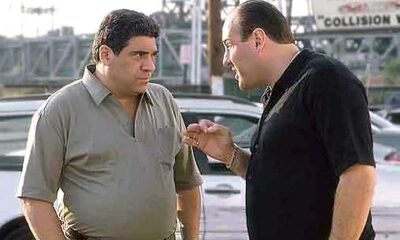
The Sopranos understood the importance of two things that this latest mob opera chooses to ignore – the narrative must derive from the characters, while the lead must have a developed domestic life outside of the “life” to provide balance, depth (of some sort) and yes, drama. Even the cruel and sadistic psychopath that was Phil Leotardo had a family component, which was sent up beautifully when he finally gets whacked. With focal mobster Tony and wife Carmela, the family side of things played like a regular if not bland soap except on the rare occasions where the two worlds intersected. No matter that Tony Junior (Robert Iler)’s arc was repetitive and boring after several seasons, it needed to be there to prove that somewhere in that lumbering grotesque bulk, Tony had humanity. Of some sort.
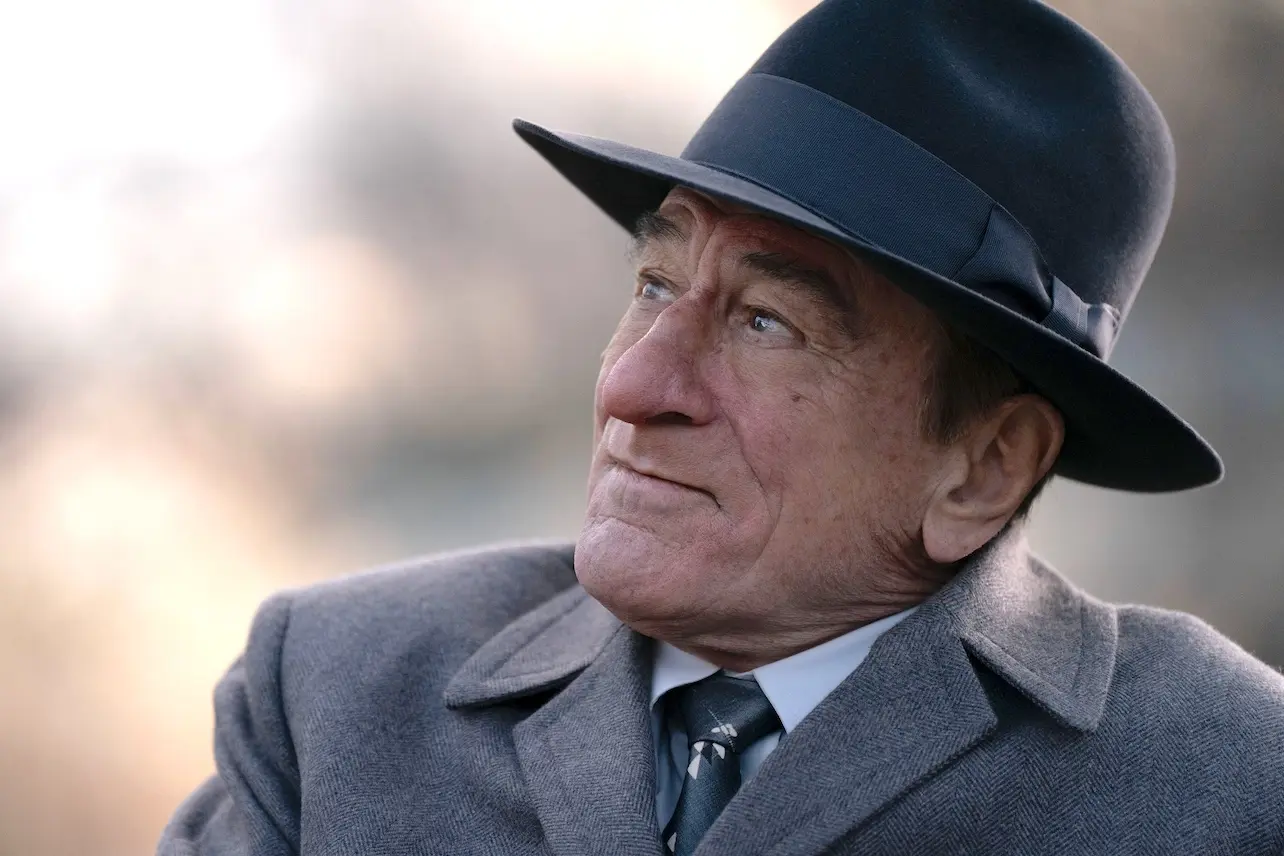
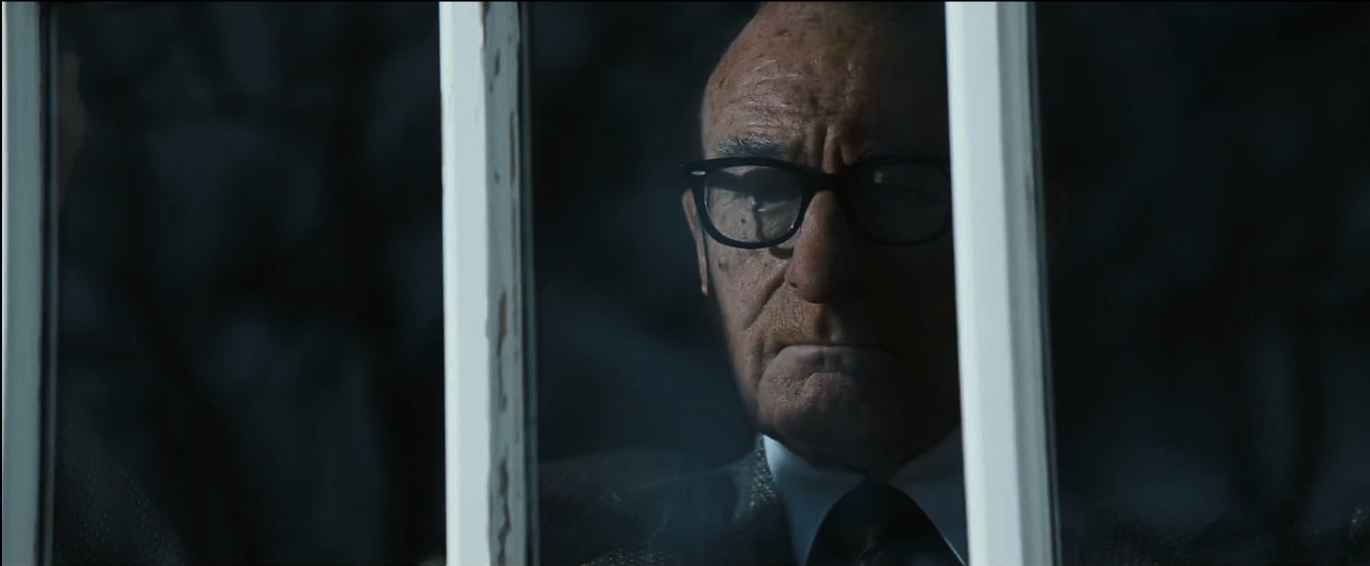
Alto Knights features several actors from that revered series, notably Kathrine Narducci, who played Charmaine Bucco, one of the very few sympathetic and incorruptible characters in it. On this occasion however, she’s been cast as Anna Genovese, second wife of gang boss Vito, played by Robert De Niro, who also plays his childhood best friend and later nemesis Frank Costello. Vito, all grumbling oaths, petulance and ruthlessness, wears a hat, glasses and a fair amount of prosthetic makeup, while Frank looks marginally less misanthropic, is slightly more conciliatory, and doesn’t wear a hat or glasses. And yes, it’s a real chore to distinguish them throughout this retelling of official mob history, a tale which (as all historical re-enactments have a tendency to be) is severely constrained, exposition-heavy, and doesn’t really go anywhere, much.
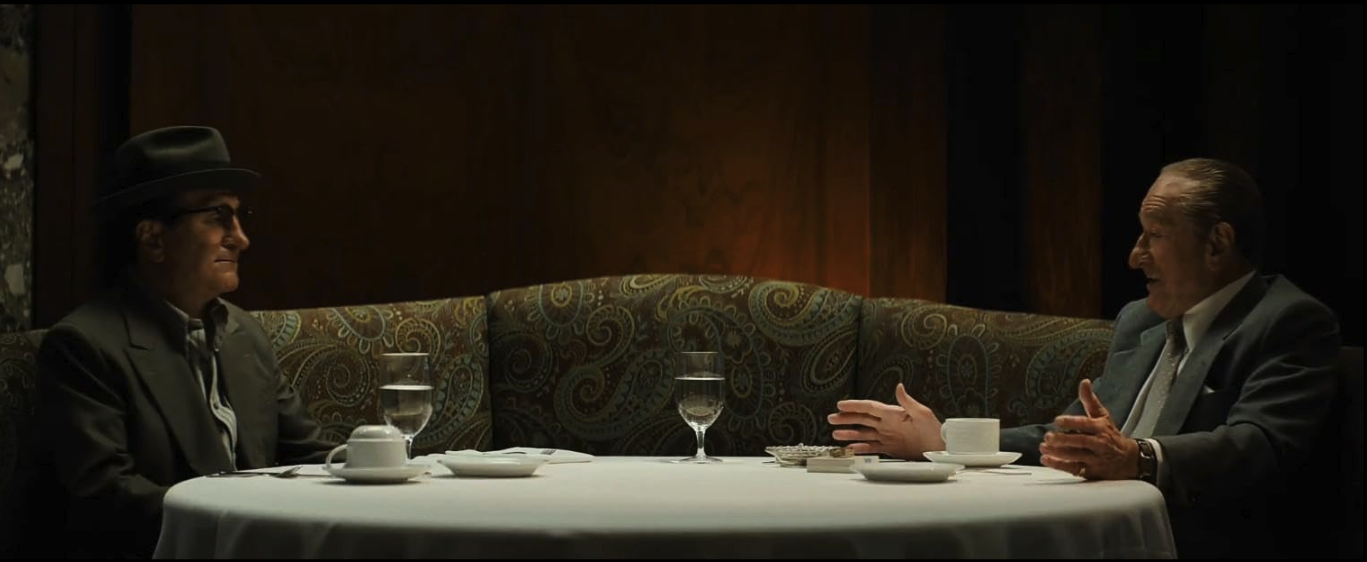

The story is as follows – Vito and Frank are childhood friends, a motif that is only interpolated on via a few black and white photos of the pair of them. Their ascent up the greasy pole of the Mafia hierarchy is turbocharged due to the arrival of prohibition (the only course of action that Italian immigrants had apparently, as all the establishment positions had already been taken, Vito disingenuously claims). Both men do very well working for Lucky Luciano until Vito is forced into exile in Italy for years, returning after WW2 ends. Vito discovers upon his re-emergence in the fold that Frank is now several rungs above him, and doesn’t want the more mercurial Vito getting in the way. Vito is then horrified to learn that Frank is keen not to get into the drug trade, as he wants to be seen as respectable, which also means working with the government – something that Vito knows will end with him and others in the Cosa Nostra being incarcerated. Vito opts to put a contract out on his former best friend, which leads to a messy and unsuccessful assassination attempt on Costello.
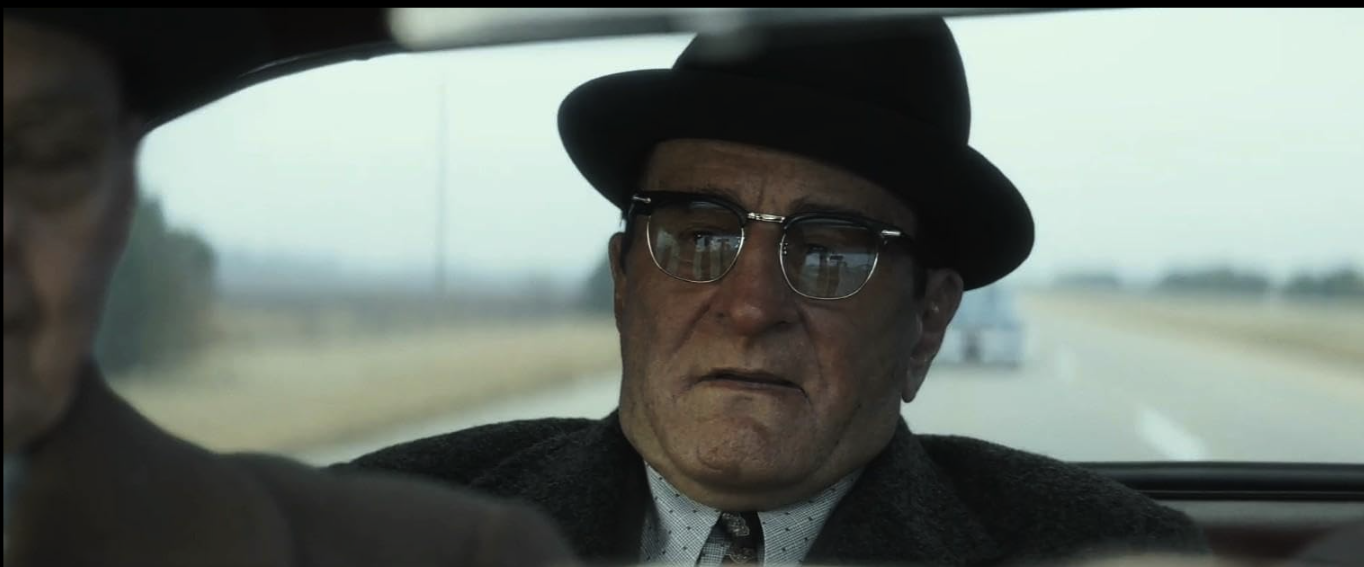
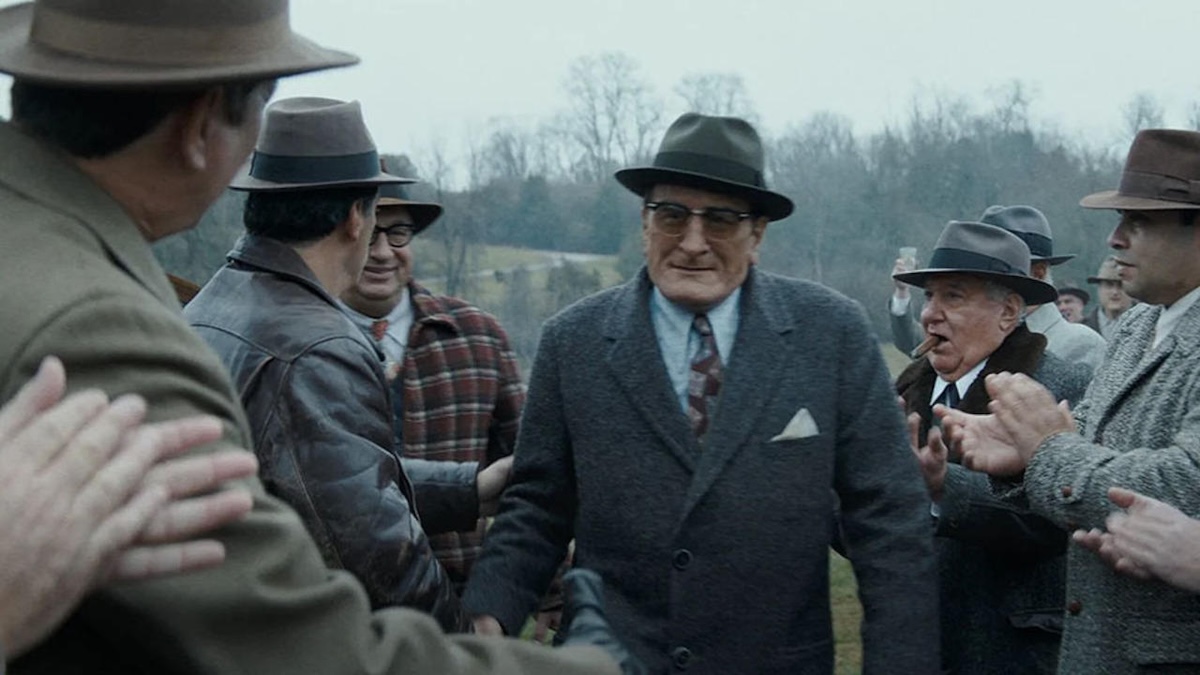
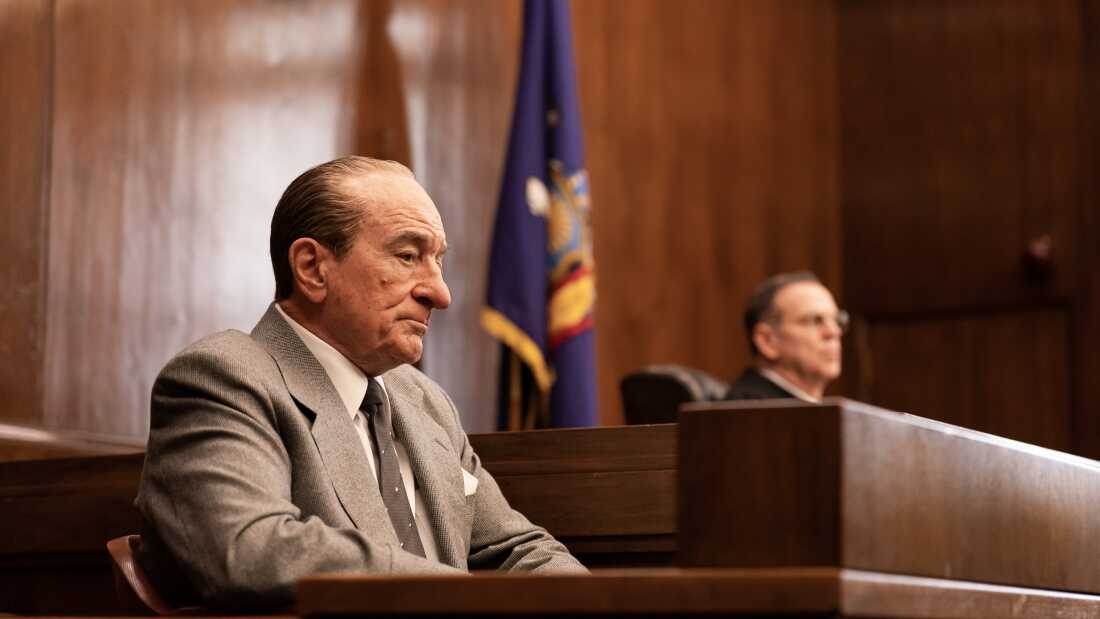
In the aftermath, Frank correctly decides that retaliation would only make things worse while affecting his new found respectability. His associate and close friend, Albert Anastasia (Michael Rispoli, who played Jackie Aprile in the Sopranos) doesn’t want to let sleeping dogs lie, so he ends up being murdered by Vito in a barber shop (a cliché, but bear in mind this is a matter of record). From that point on there’s a fair amount of tiresome exposition, manoeuvring between Vito and Frank, congressional court scenes, moody shots of Vito ranting at the camera, beautifully mounted period scenery and the low key finale, where all the hoods across America converge at the abortive Appalachin conference, hosted by Joe “The Barber” Barbara.
It’s made clear that this is a pivotal moment in American organised crime, as from then on, no one could deny the Mafia’s existence. But that’s the extent of it – we see the pair of them being driven to the meeting in their respective limousines, with Vito getting all nervous and apprehensive, while Frank’s calm and casual reticence (spoiler alert!) betrays the fact that he was the FBI informant who spilled the beans on the goonfest. In the end the two men reconcile in jail, and that, despite the dramatic build up, is more or less it.
Writer Nicholas Pileggi had so much first hand source material to work with in Goodfellas, with acres of lurid vignettes dominating the historical context of the book and film. And the film pulled no punches in illustrating how viciously horrible the junior and wannabe Mafiosi actually were, but it made for riveting if visceral viewing, as you were completely drawn into their demi monde – plus that film at that time offered an entirely new perspective on gangsters. Alto Knights on the other hand is far too stately, distant and unengaged with its subject matter to be anything other than an elaborately framed ghost tour – the whole duality schtick, enhanced by De Niro’s decision to play both leads, brings no extra impact to the project, bar confusion and distraction. The alleged enmity between them barely registers, as they’re generally in separate scenes throughout the movie.
So a bit of a damp squib from such an illustrious cast and crew – it is at least a modest two hours, and feels more accessible and genuine than The Irishman. But that’s about it.
The Alto Knights is out in cinemas now








You must be logged in to post a comment.