


Film News
Tripwire Reviews Christopher Nolan’s Oppenheimer

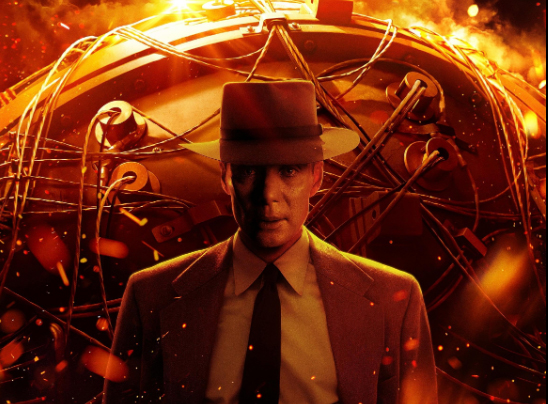
At The Eye Of The Storm
Tripwire’s editor-in-chief Joel Meadows assesses Christopher Nolan’s Oppenheimer, out in cinemas from today…
Oppenheimer
Director: Christopher Nolan
Stars: Cillian Murphy, Emily Blunt, Robert Downey Jr., Alden Ehrenreich, Matt Damon, Florence Pugh
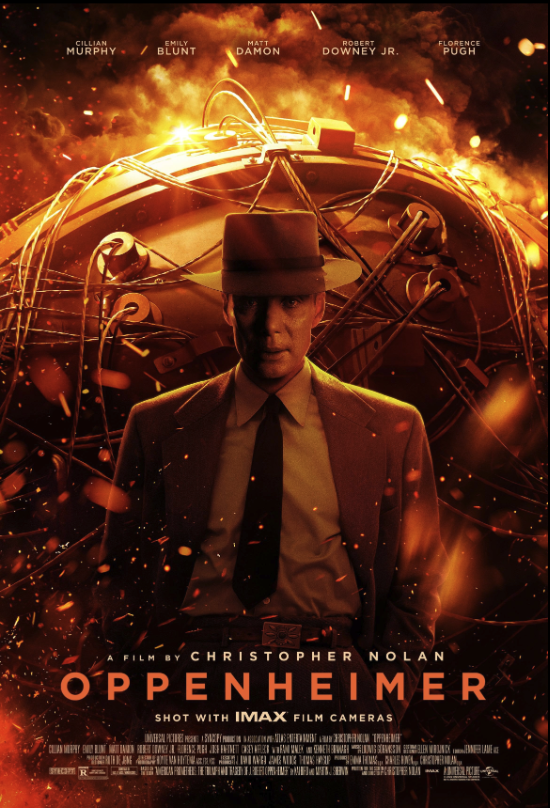
Three years on since Nolan’s last film Tenet, which split audiences and critics alike, we have Oppenheimer, his twelfth cinematic production. It’s been 25 years since his debut with student film Following and he has certainly carved out a very unique niche as a director with a very specific vision and a distinctly idiosyncratic approach.
Cillian Murphy plays the eponymous J Robert Oppenheimer, the father of the bomb, in Nolan’s first film for Universal after a long association with Warner Bros.
After three years of a diet of almost exclusively thick-eared Marvel and DC superhero films, Oppenheimer comes across like a breath of cinematic scientific precision.
The film offers us his life at various stages: we see him training at Cambridge as a young man, as the head of the Manhattan Project in Los Alamos, New Mexico, which gave the world the atomic bomb, teaching in Princeton, and then as the subject of a US government investigation. The latter investigation, it turns out, was actually intended to discredit the man and his achievements. It was his work on the Manhattan project which cast the biggest shadow over his life and the development of the bomb, with the assistance of other pre-eminent scientists, caused the physicist all manner of ethical dilemmas for years to come. Many of his fellow scientists on the project were Jewish escapees from Europe, like himself, on the run from Hitler’s maniacal plans to wipe out the race from the continent.

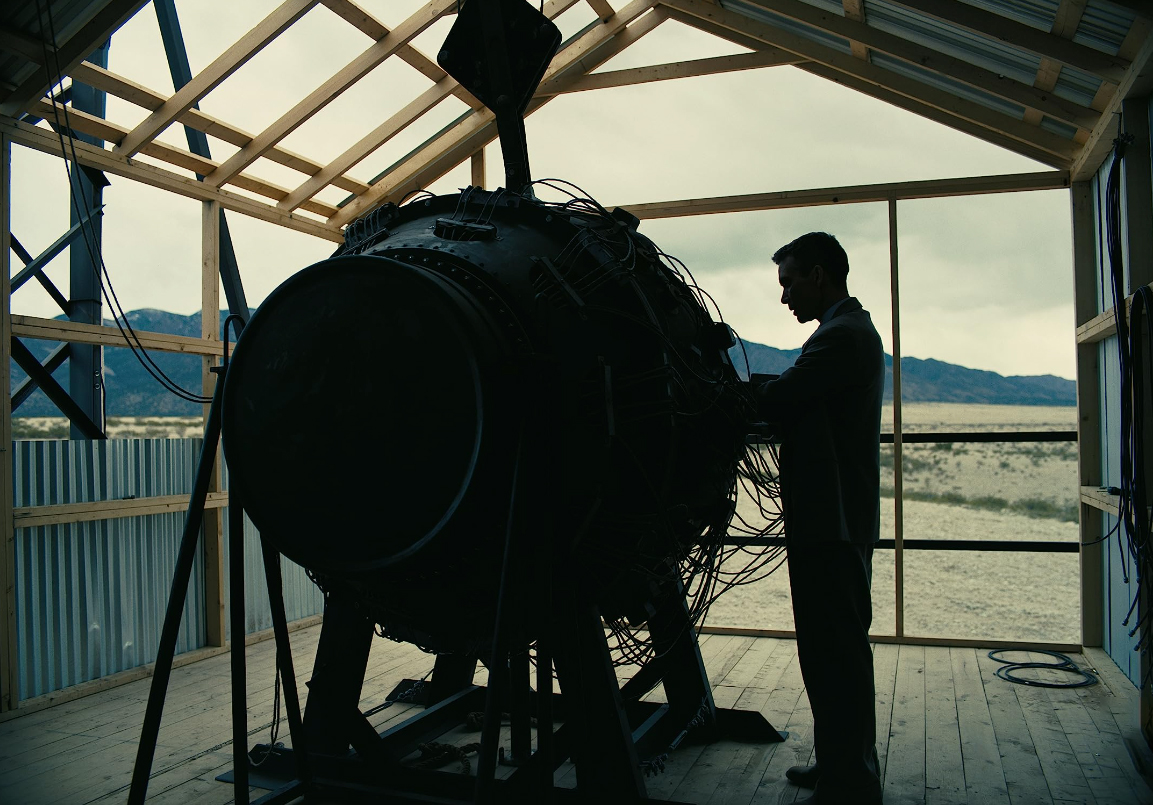
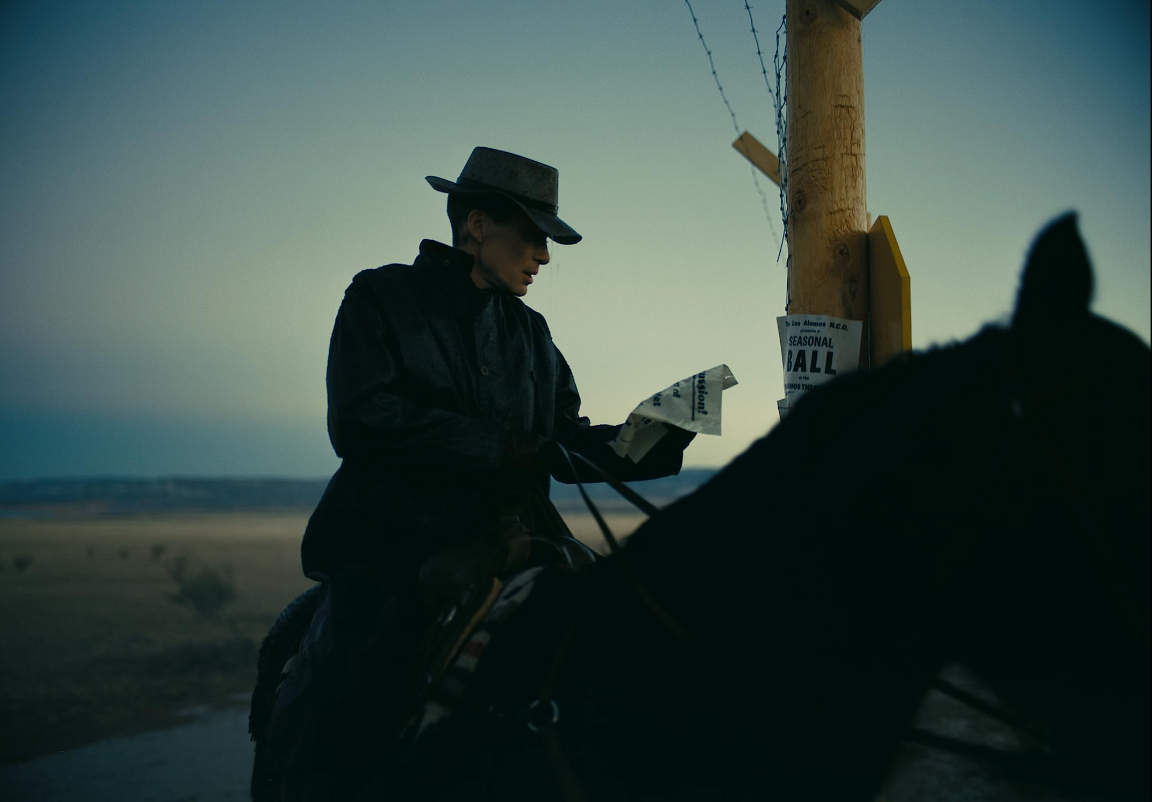
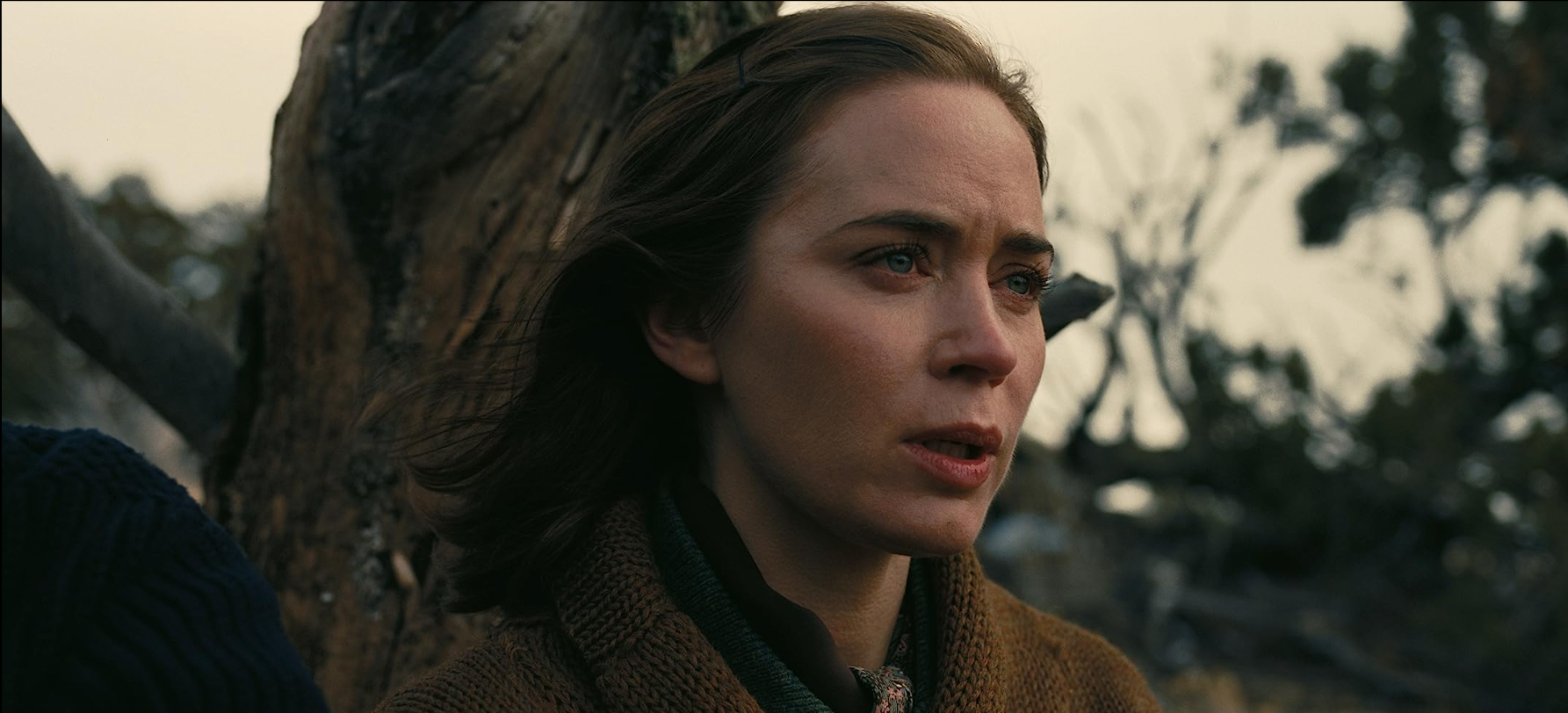
Cillian Murphy as Oppenheimer himself haunts this film like a spectral figure. As with many of history’s geniuses, despite his scientific prowess, Oppenheimer is a man who is deeply flawed and conflicted. At one point, he found himself falling in rather naively with the American Communist Party. This is a decision which comes back to haunt him. Oppenheimer is a film about sex and death: the protagonist ends up initially in the orbit of the deeply damaged Jean Tatlock (Pugh), with whom they have a rather torrid affair that feels doomed from the start. Then he meets his future wife Kitty (Blunt), who is an equally unhinged character. The couple are such a dysfunctional pair that they have a son who they give up to their friends as a small baby because they are unable to raise a child themselves. Oppenheimer himself is aware of his personal shortcomings but his obsession with his work means that he is unable to lead a normal life.
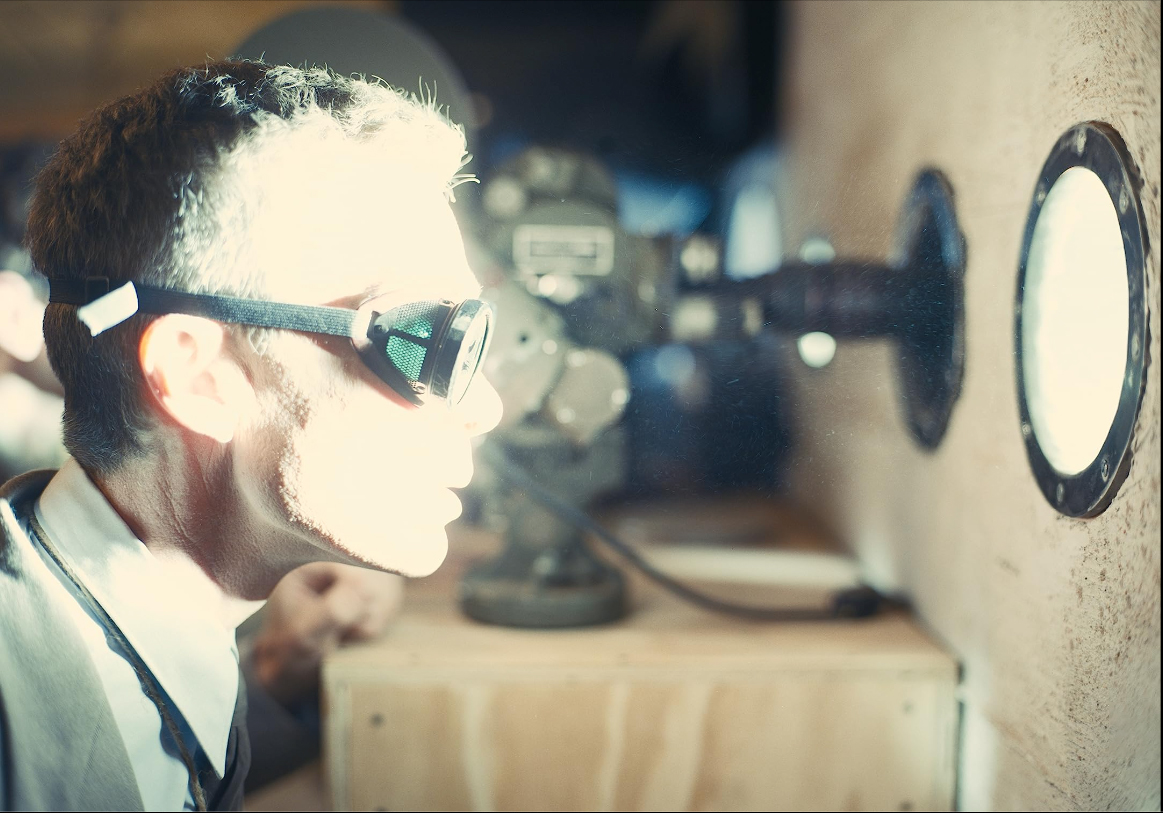


Murphy is magnificent here as the extremely flawed Oppenheimer but, as with every Nolan film, it is his strength to assemble an exceptional ensemble cast which is also very much in evidence here. Blunt as his wife has a quiet strength and a complexity to her character which makes her an intriguing foil to her husband’s foibles while Pugh showcases why she is becoming one of the most respected younger actors to come to prominence over the past decade. Robert Downey Jr as Lewis Strauss turns in a performance unlike any we have seen from him before that is nuanced and understated as Lewis Strauss. Strauss becomes Oppenheimer’s eventual nemesis, a man who is broken by his own hubris. There is great chemistry too between Oppenheimer and his military liaison Groves (Damon), a man who is well-meaning but ultimately too weak to fight against the system he represents. Also the interplay and occasional rivalry between Oppenheimer and his fellow scientists works well to bring these men and their pursuits to vivid life on screen with a subject that could be dry and unengaging in the hands of a lesser director.
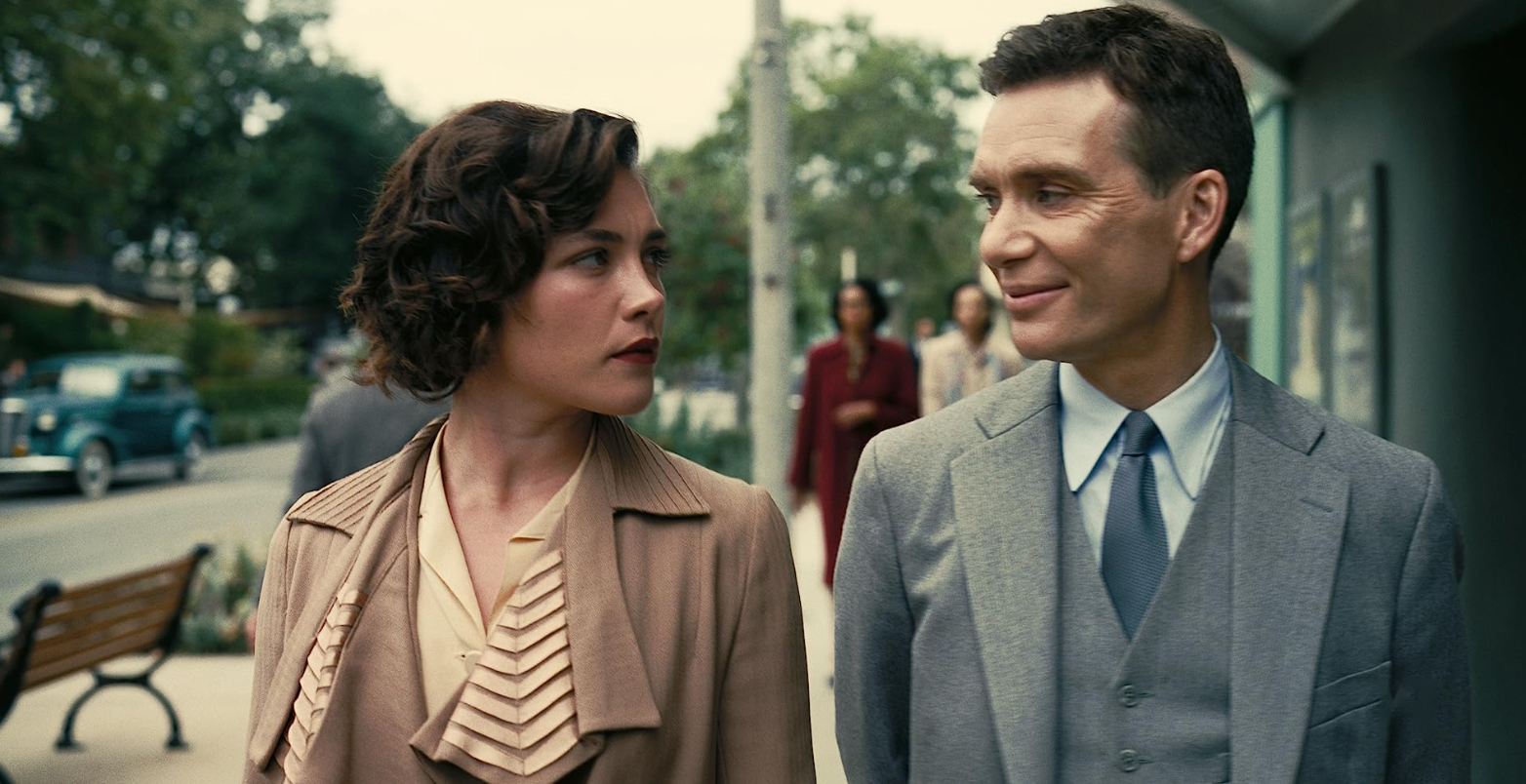

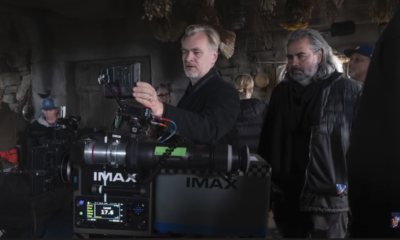
Visually, Oppenheimer is a tour de force with Nolan peppering abstract images of neutrons and atoms dancing across the screen at pivotal moments throughout, drawing the viewer into the protagonist’s obsessional world view. The sound and editing is amazing here too: scenes like the film’s dramatic crescendo, the moment that the Trinity bomb test goes off, remains ringing in the viewer’s head long after it is shown on screen and he even manages to make the government’s investigation of Oppenheimer a compelling and fascinating part of proceedings. The cinematography by Hoyt Van Hoytema, Nolan’s regular production partner-in-crime, is exceptional, pushing the IMAX technology that Oppenheimer was shot on to its ultimate capabilities. Also, the film moves between black and white and colour to mark out particular moments in his life but is done in such a seamless way that it doesn’t jar with the viewer. It enhances the overall watching experience as the aesthetic beauty of the black and white scenes just adds to the sense of cinematic quality here.

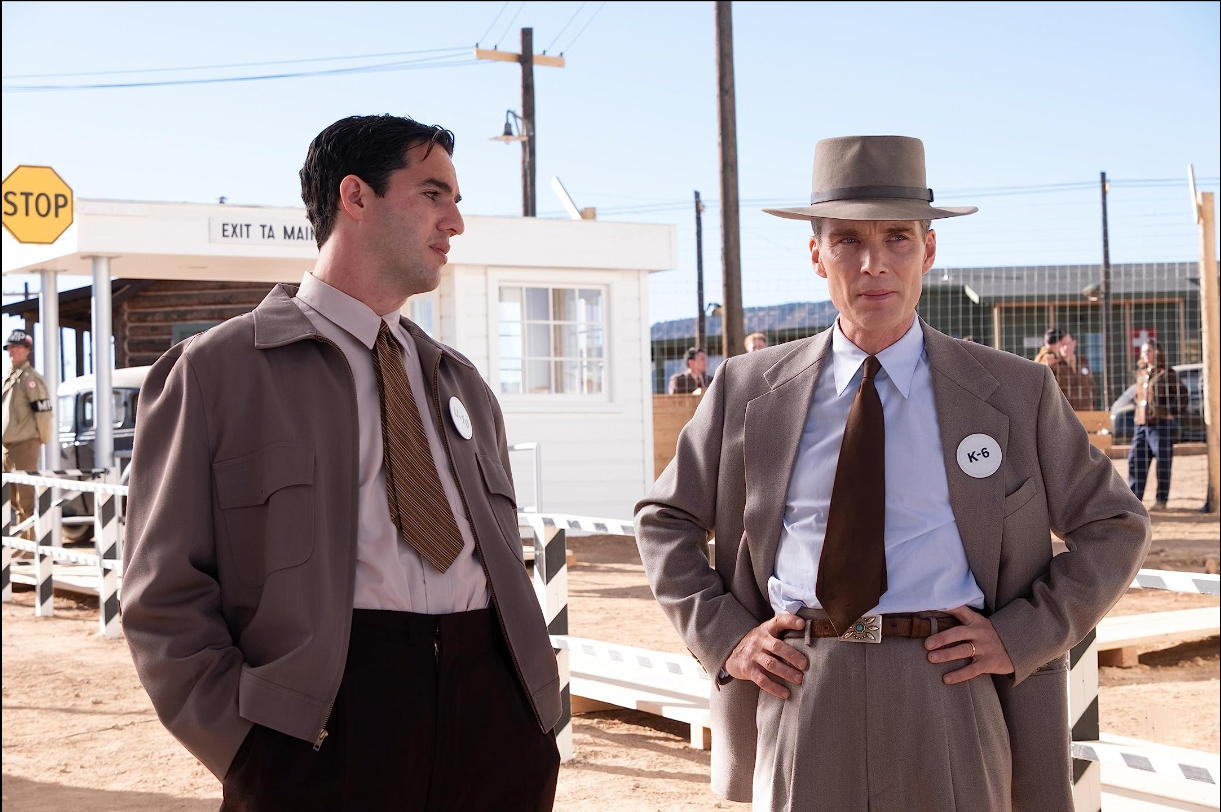
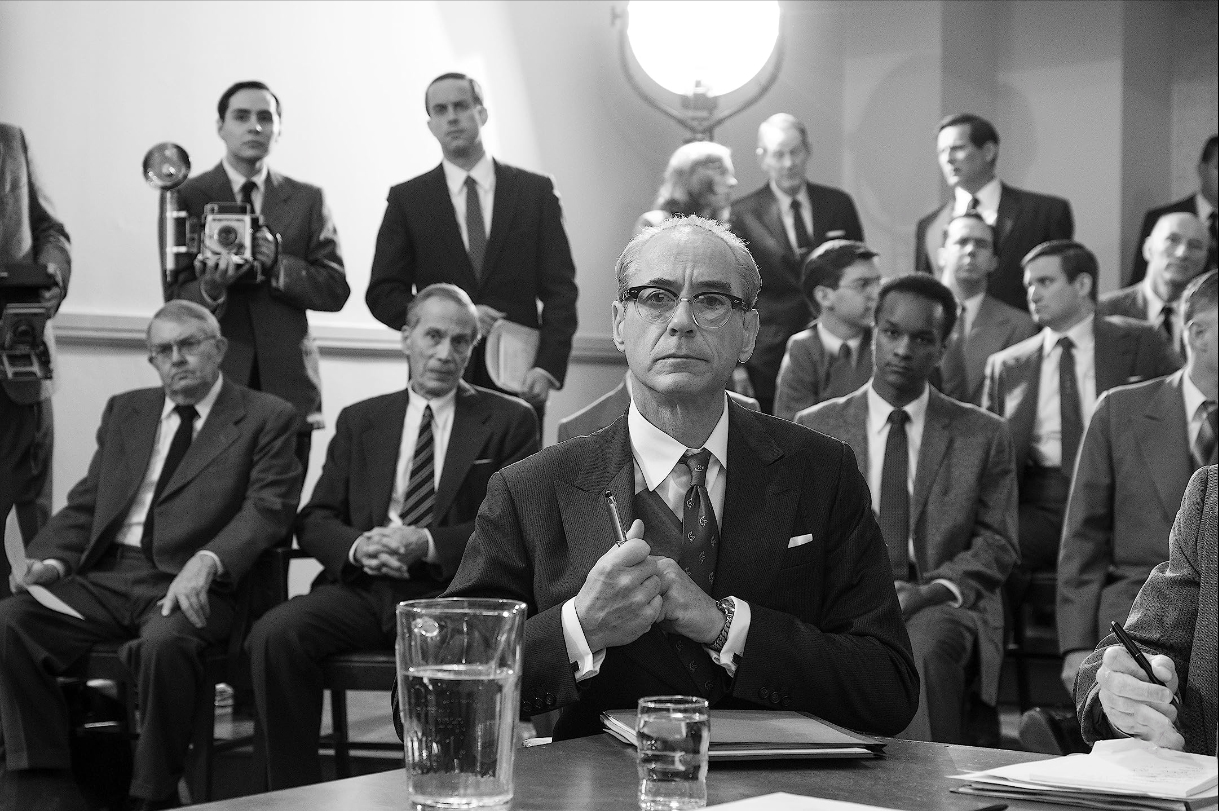
Nolan has been accused in the past of being too cold as a filmmaker but Oppenheimer does offer a compelling and warm portrait of a man who doesn’t really fit in with society but his contributions to modern history are immense even if they sit uneasily with his own ethics. The audience does connect with the protagonist as Nolan puts the science that he operated in into a context that we can grasp.

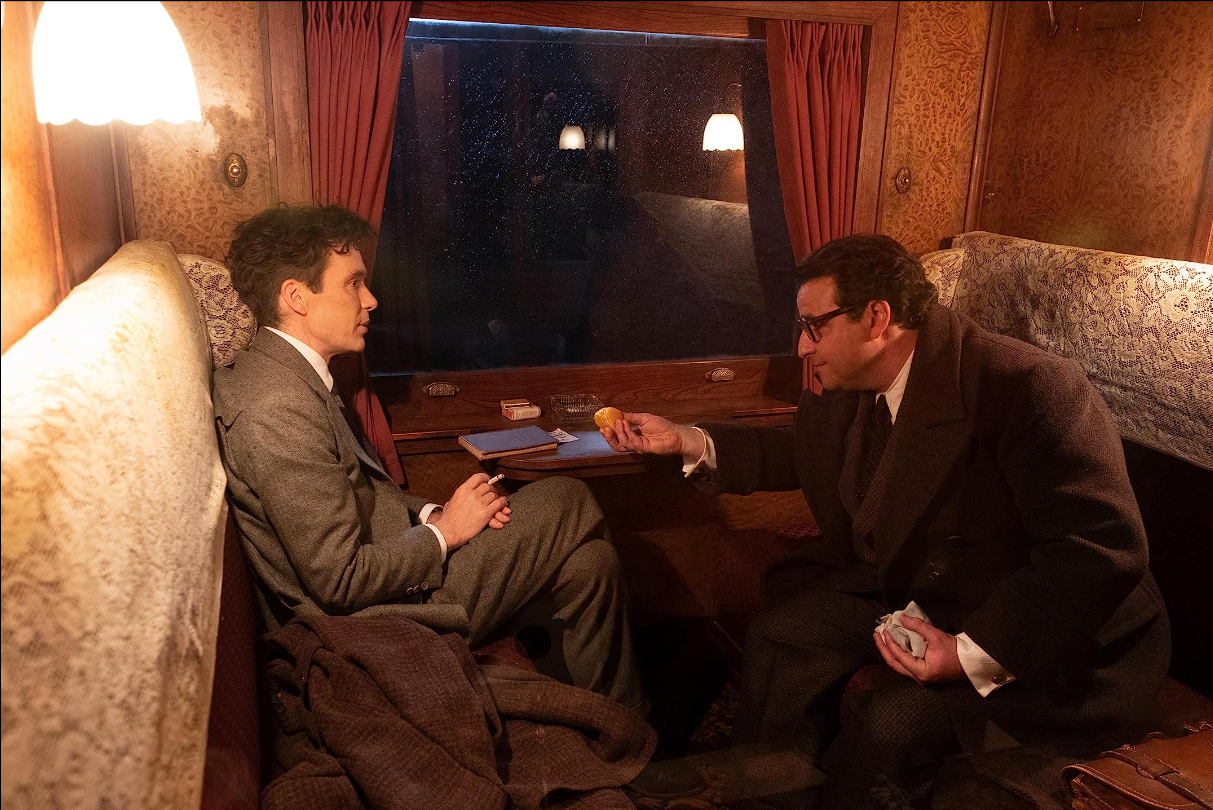
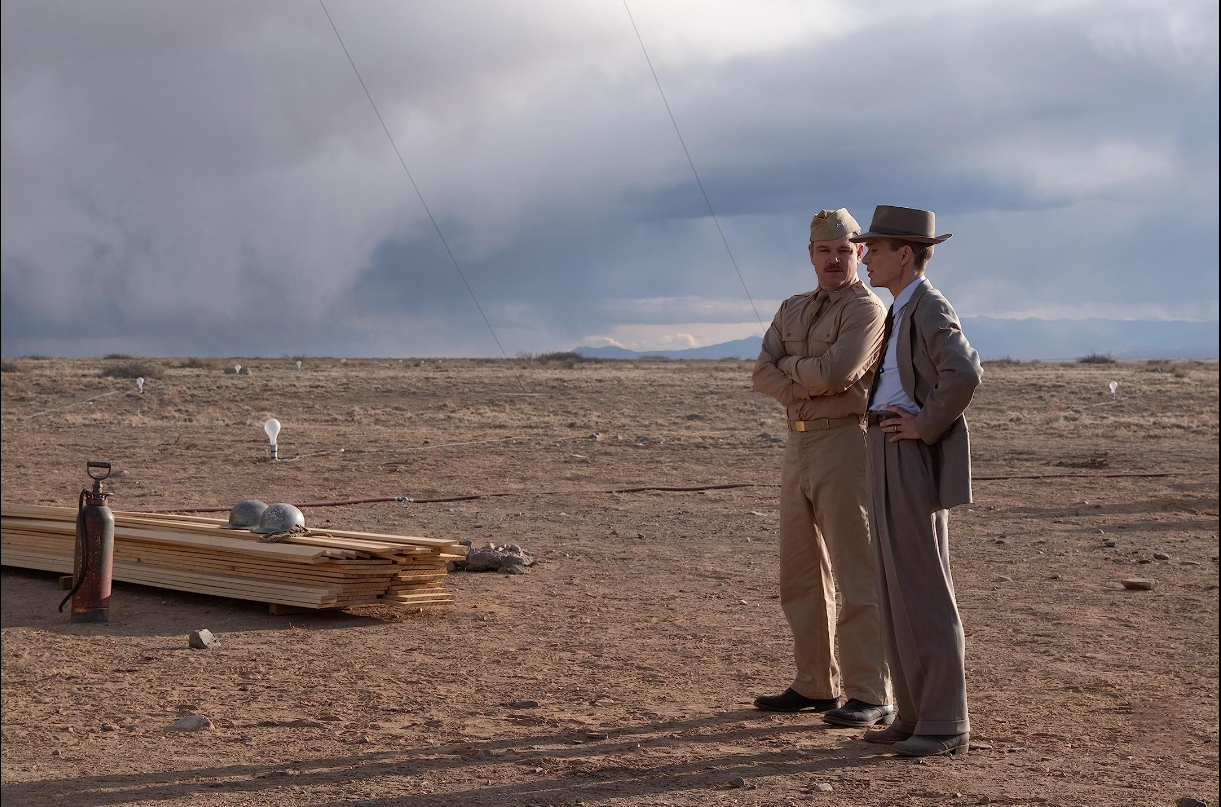
Nolan has always been one of the most ambitious directors of the past twenty-five years and Oppenheimer is a dense and driven piece of cerebral cinema which doesn’t stint from making the audience uncomfortable. He was a man at the heart of 20th century history whose impact was arguably the greatest of any figure of his age. Both Murphy and Nolan are likely to get Oscar nods and this film proves that, despite twenty-five years of making films, Christopher Nolan is still just as engaged with his material as he has ever been. Oppenheimer is a celebration of real filmmaking which needs to be seen on as large and commanding a screen as viewers are able to find.
Oppenheimer is out in cinemas from today
Here’s the film’s trailer












You must be logged in to post a comment.