


Film News
London’s BFI Runs An Akira Kurosawa Season


Celebrating A Cinematic Giant
Akira Kurosawa was one of the most important and influential directors in the world with an influence that can be felt beyond his native Japan into the work of US cinema legends like Martin Scorsese and George Lucas and London’s prestigious BFI is running a season celebrating his work and his legacy throughout this month…
‘The term “giant” is used too often to describe artists. But in the case of Akira Kurosawa, we have one of the rare instances where the term fits.’
– Martin Scorsese
Like a gathering storm, much of Kurosawa’s cinema begins with a portent of the turbulence to come. But within his work lay a poetry – both in his visual style and the depth of his characters – and a fascinating exploration of Japanese culture past and present. And throughout, from his startlingly assured first feature Sanshiro Sugata (1943) to the ruminative and often humorous tone of his last, Mâdadayo (1993), the thoughts and actions of his characters, and the changes unfolding in the societies they live in, were reflected in the elements. The climate plays a key role within all of Kurosawa’s work. But there are also a variety of themes that run through his dramas. Rather than journey through his work chronologically, this season breaks up his filmography into six themes. All are indivisible, but by focussing on specific elements within each film it is hoped that Kurosawa’s brilliance will shine even brighter.
After a rewarding apprenticeship under Kajirô Yamamoto, whom he assisted on 17 features, Kurosawa made his feature debut in 1943 with Sanshiro Sugata. It’s a great starting point to enjoy the filmmaker’s style and to appreciate themes that would recur throughout his work, from exploring the teacher/student dynamic and the role of the hero to more existential inquiries. These films employ the structure of the family or professional lives to explore Japanese society and to probe the nature of power structures, cycles of violence in history and the role of myth within society. From his Shakespeare adaptations to his contemporary thrillers, Kurosawa earned the adulation of audiences and the admiration of filmmakers, with Federico Fellini describing him as ‘the greatest living example of all that an author of the cinema should be’.
Asif Kapadia and Ian Haydn Smith, season curators
Re-release

Rashomon
Akira Kurosawa’s international breakthrough is a hugely influential, innovatively structured, multi-perspective whodunnit.
Society
Films that sought to explore contemporary Japanese society, both at the height of conflict and as the country emerged from the devastation of the Second World War.

The Most Beautiful
A fascinating wartime propaganda film set in an all-women optics factory.

No Regrets for Our Youth
Setsuko Hara stars in a story about the only Japanese citizen executed for treason in the lead-up to Japan’s entry into the Second World War.

One Wonderful Sunday
A young couple down on their luck spend a day in each other’s company and come to realise what’s most important to them.

Scandal
A young artist and singer, snapped by a paparazzo, become embroiled in a legal case with a lawyer who has their own troubles.

The Idiot
Kurosawa adapts his favourite non-Japanese writer, Fyodor Dostoevsky, and one of his favourite novels.
Social status
Societal hierarchies are explored, mostly from the bottom up, as Kurosawa’s characters navigate their way through a world fraught with rules and codes.

The Men Who Tread on the Tiger’s Tail
The source of a Noh drama and Kabuki play makes for a thrilling study of feudal society and a practice-run for The Hidden Fortress.

The Lower Depths
Adapting Maxim Gorky, Kurosawa explores the impoverished underbelly of Edo-period Japanese society.
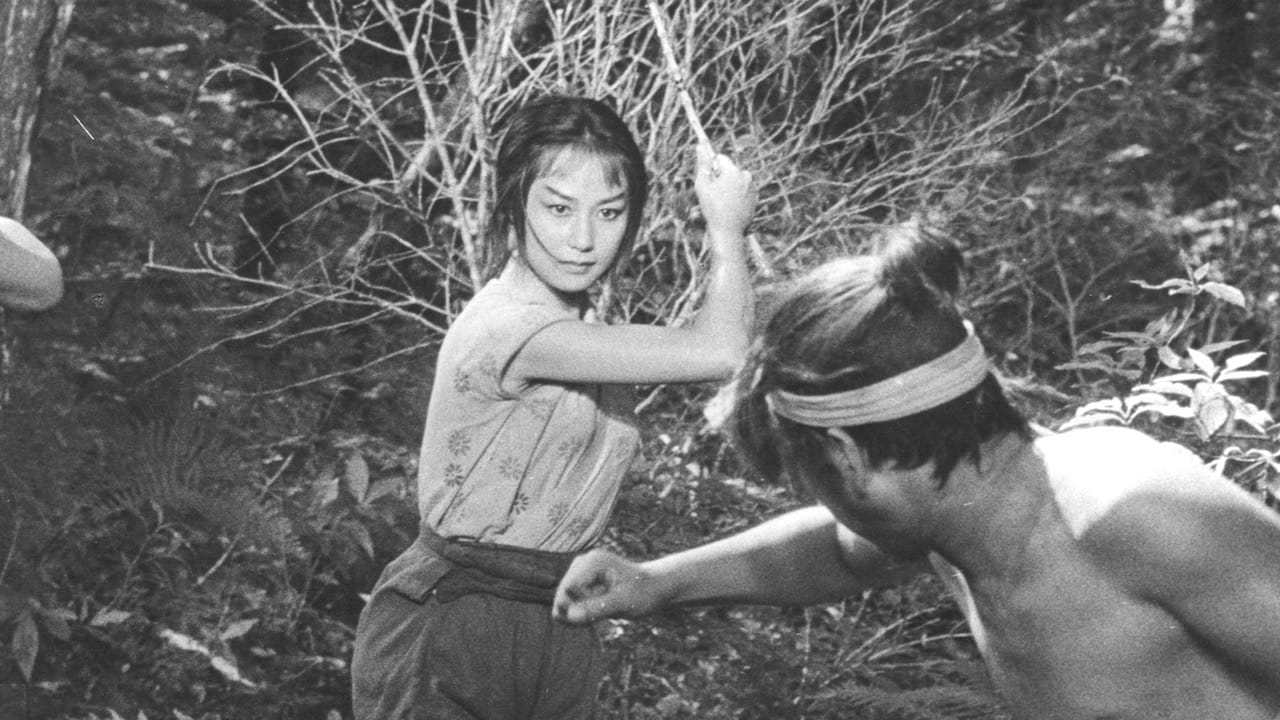
The Hidden Fortress
One of Kurosawa’s most influential films is also his most unashamedly exciting adventure.
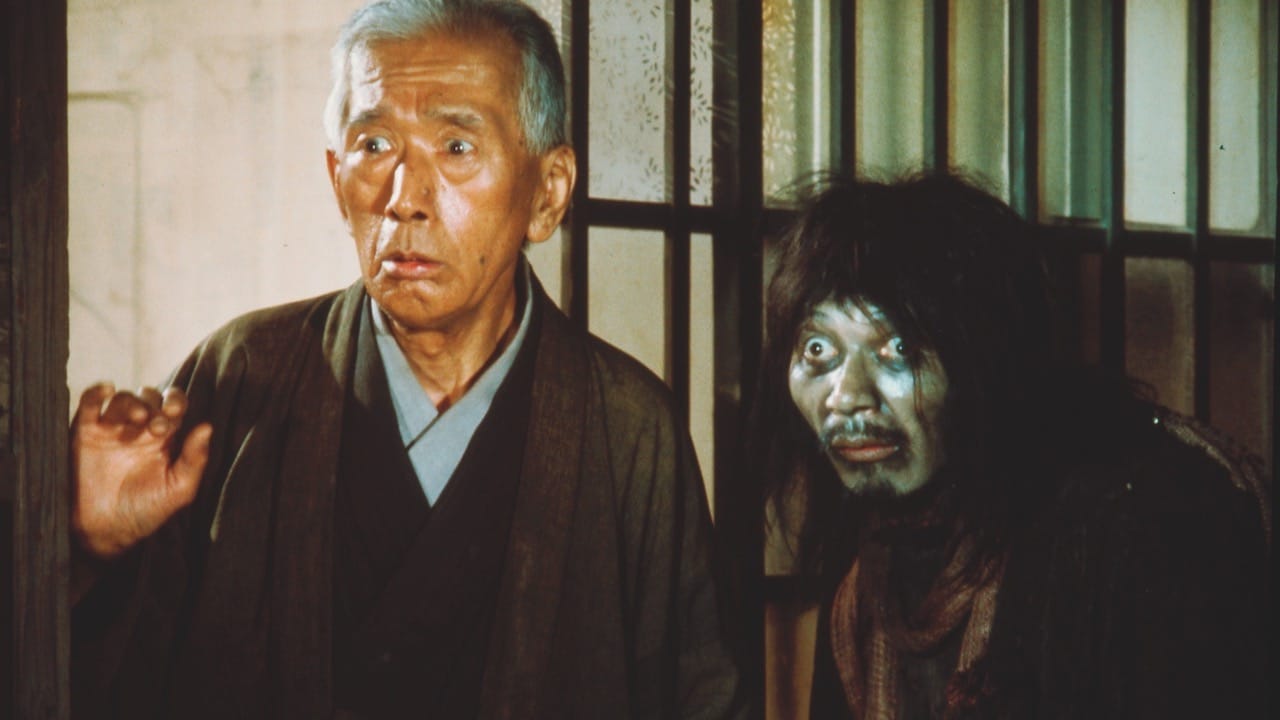
Dodes’ka-den
A fascinating and colourful – the director’s first – portrait of a community who live on the social and economic periphery of Tokyo.

Kagemusha
A visually dazzling epic that sees a thief take the place of a warlord with whom he shares a striking resemblance.
Honour
From the rural past to the urban present, Kurosawa’s dramas highlight the importance of honour in the way his characters live their lives.

Seven Samurai
One of Kurosawa’s masterpieces, a tale of seven warriors who attempt to save a village from bandits.
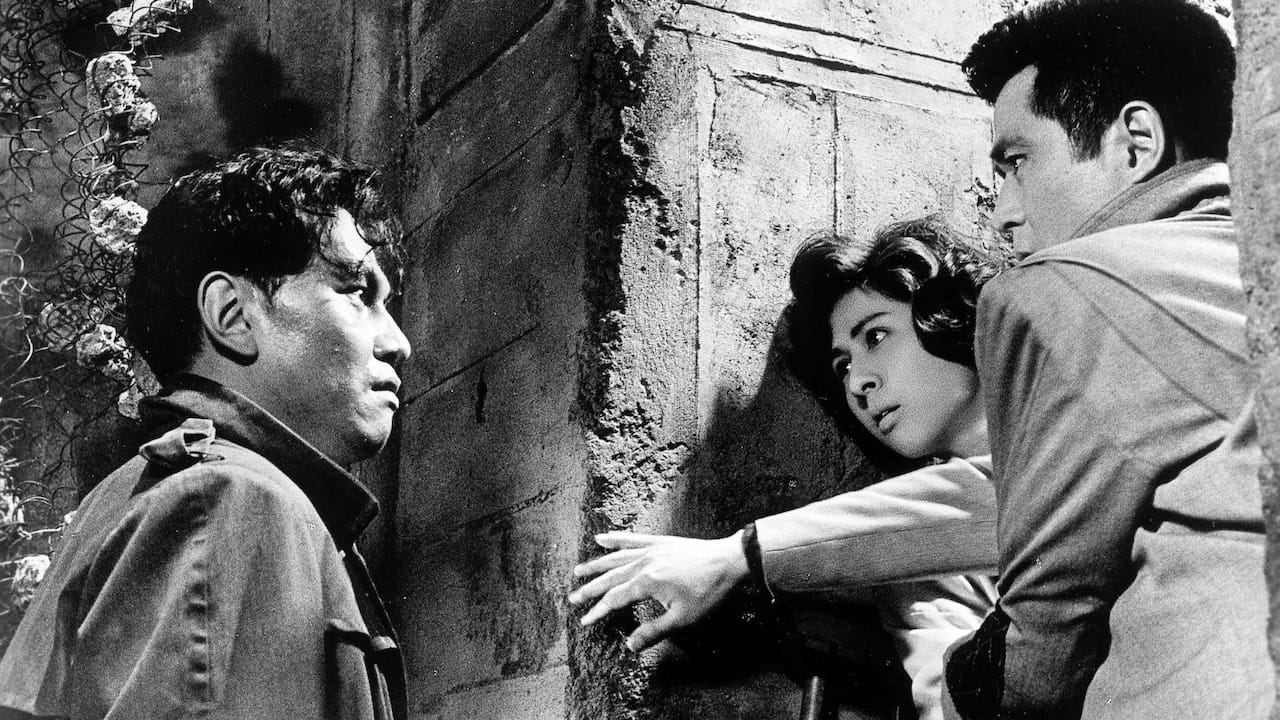
The Bad Sleep Well
This take on Hamlet finds a businessman intent on avenging his father in the corrupt world of corporate culture.
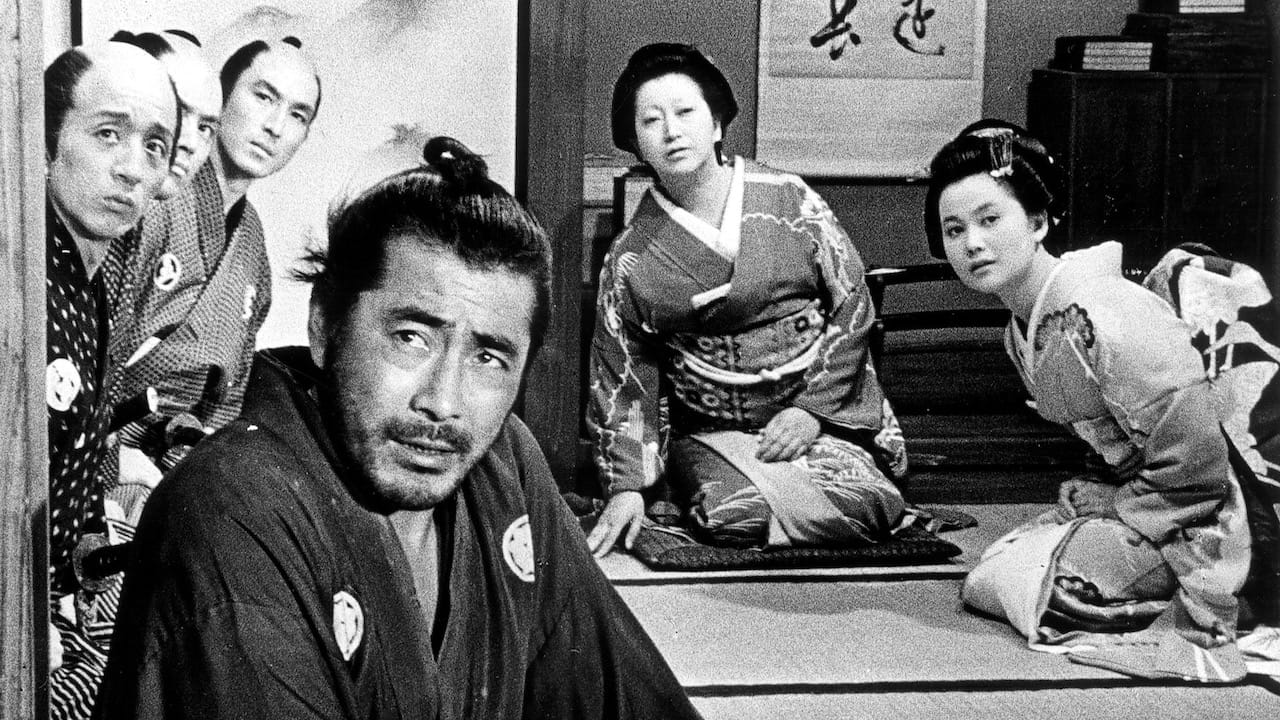
Sanjuro
A ronin helps a group of samurai apprentices defend the honour of their town from a malfeasant official.

High and Low
A businessman’s son is almost kidnapped, and a moral dilemma threatens to destroy him.
Professional lives
From a cop and masterless samurai to a dying administrator and a variety of doctors, Kurosawa’s tales of professional lives allowed him to explore the virtues and weaknesses of human character.

Drunken Angel
Kurosawa’s first film with Toshiro Mifune details the relationship between a gang member and the doctor who treats him.

The Silent Duel
A portrait of a doctor willing to sacrifice his own happiness in standing by what he believes to be right.

Stray Dog
On discovering his gun has been stolen, a young detective goes undercover to capture the thief.

Living
A civil servant learns that he is dying and so sets about doing something good for the community.
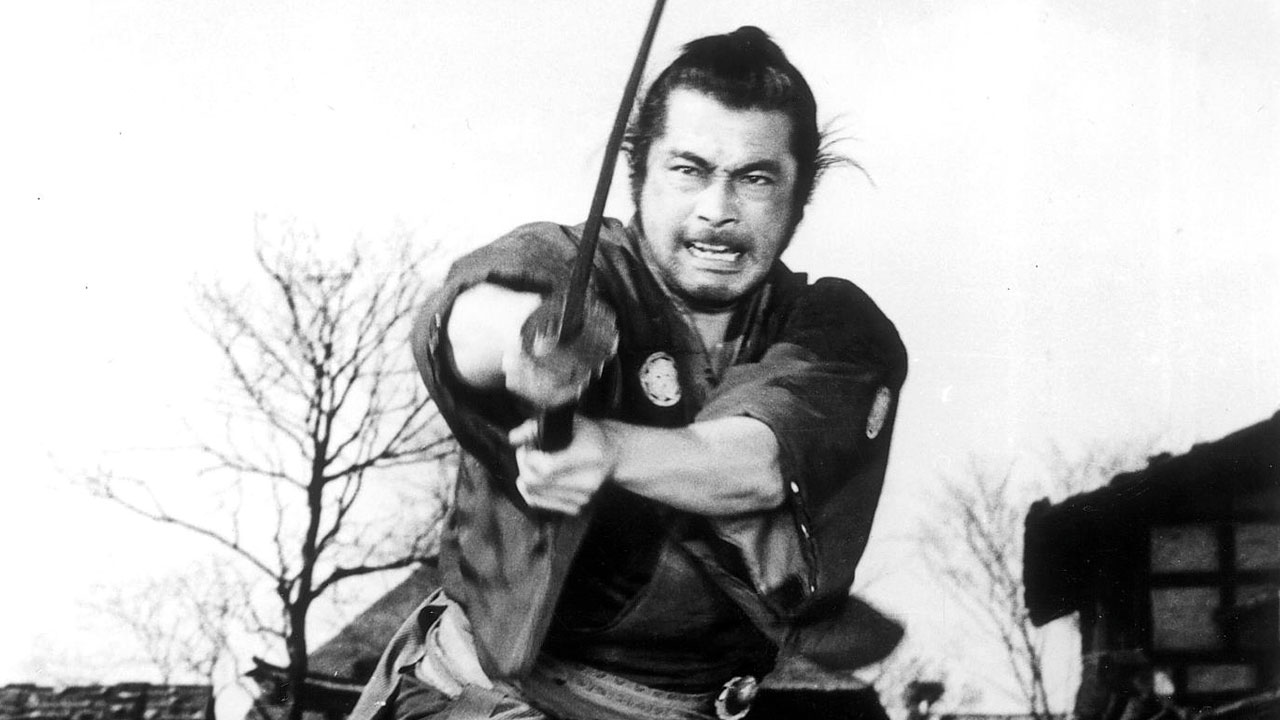
Yojimbo
One of Kurosawa’s most influential films finds Toshiro Mifune’s ronin pitting two gangs against each other in a small town.
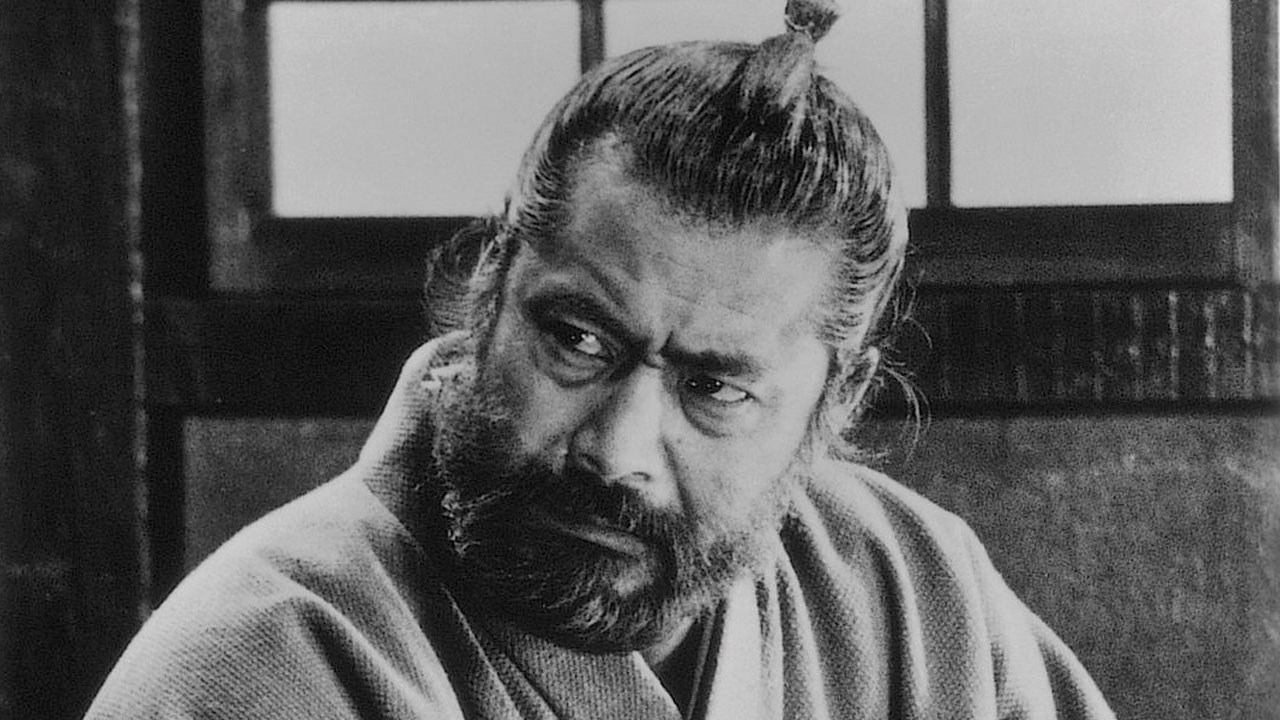
Red Beard
Kurosawa’s last collaboration with Toshiro Mifune is also one of their most underrated – a tale about the terse relationship between a doctor and his mentee in a rural village.
Family
Kurosawa adored Russian literature and his exploration of domestic relations in these films echoes Tolstoy’s belief that ‘every unhappy family is unhappy in it’s own way’.

I Live in Fear
A man is desperate to take his family away from what he sees is a growing nuclear threat, in one of Kurosawa’s most direct responses to the atomic age.
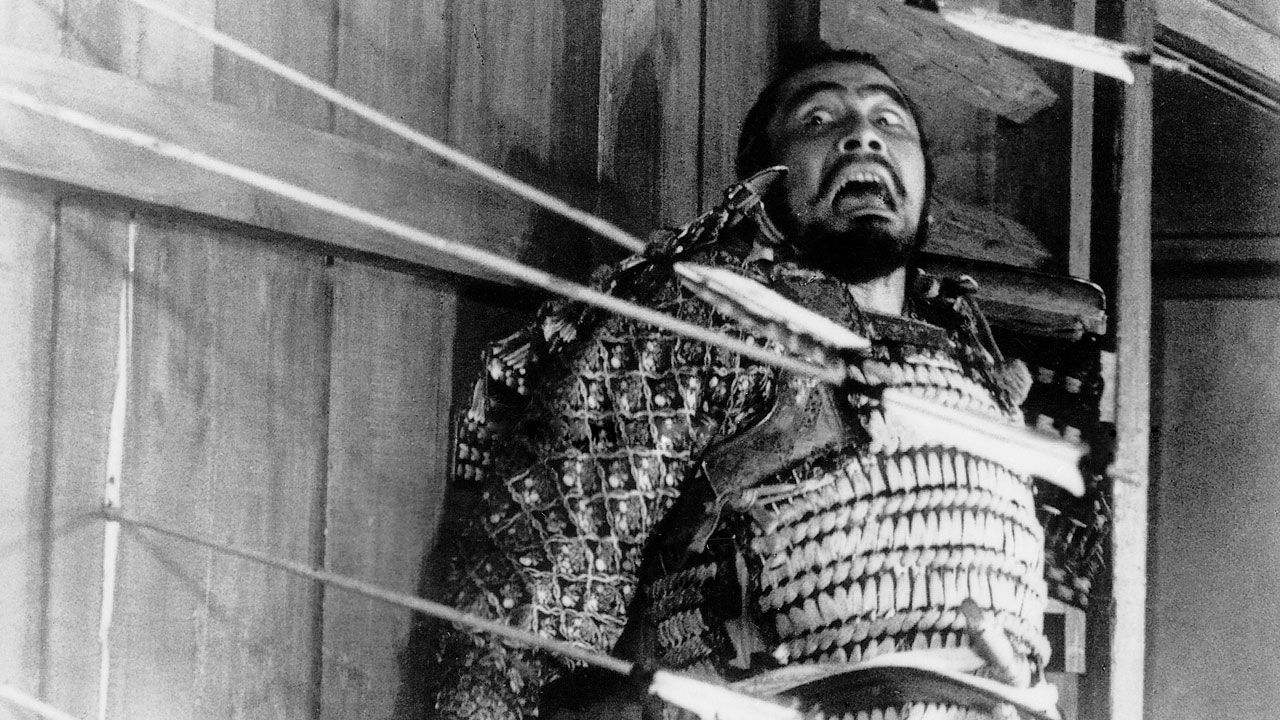
Throne of Blood
The greatest screen adaptation of Shakespeare? Kurosawa’s take on Macbeth is the thrilling work of a director at the height of his powers.
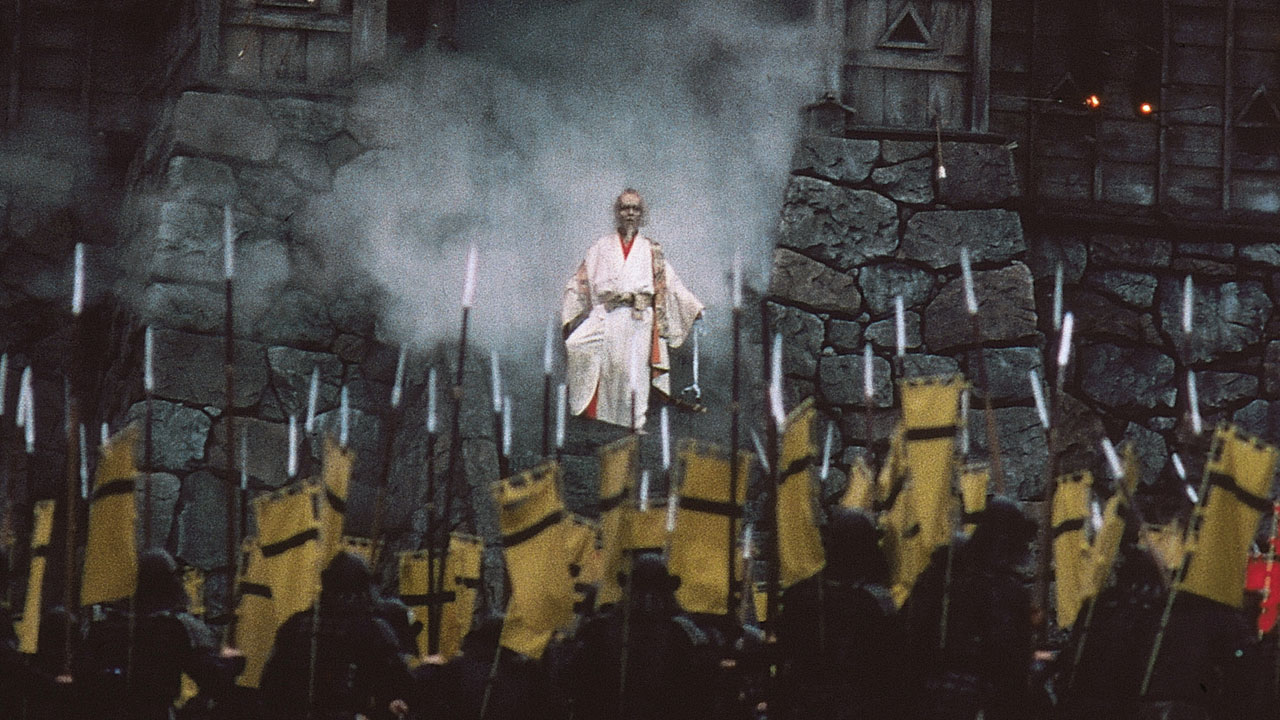
Ran
Kurosawa’s late masterpiece adapts Shakespeare’s King Lear as a thrilling tale set in feudal Japan.

A.K.
Chris Marker’s documentary is ostensibly a making-of Ran, but is more a fascinating portrait of the film’s enigmatic director.
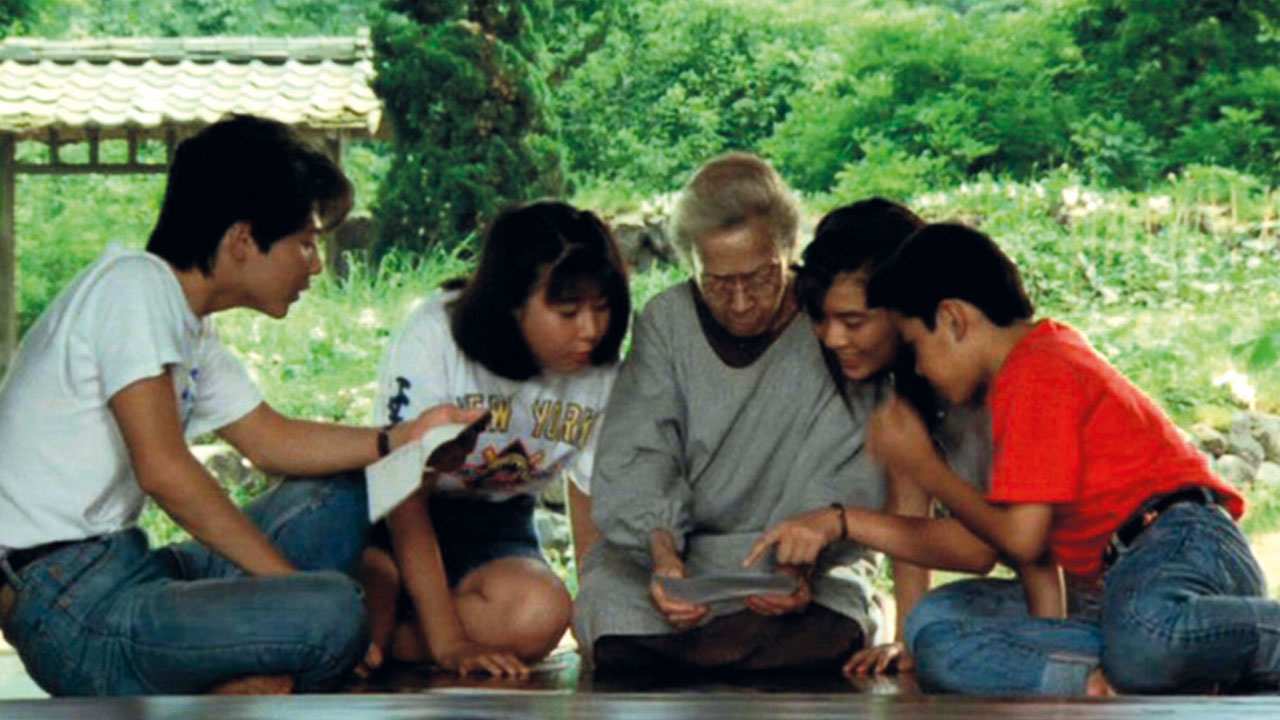
Rhapsody in August
Richard Gere plays an American relative visiting his Japanese extended family who grapple with the legacy of the Nagasaki atomic blast.
Unclassifiable Kurosawa
Many of Kurosawa’s preoccupations lie at the heart of these films, but they are also distinctive among his work in their setting, structure, subject or tone.

Sanshiro Sugata
Kurosawa’s remarkably assured debut details the struggle between two martial arts disciplines – judo and jujitsu – at the end of the 19th century.

Sanshiro Sugata Part Two
The continuation of the titular hero’s journey as he faces vengeful foes and attempts to seek solace in his life.
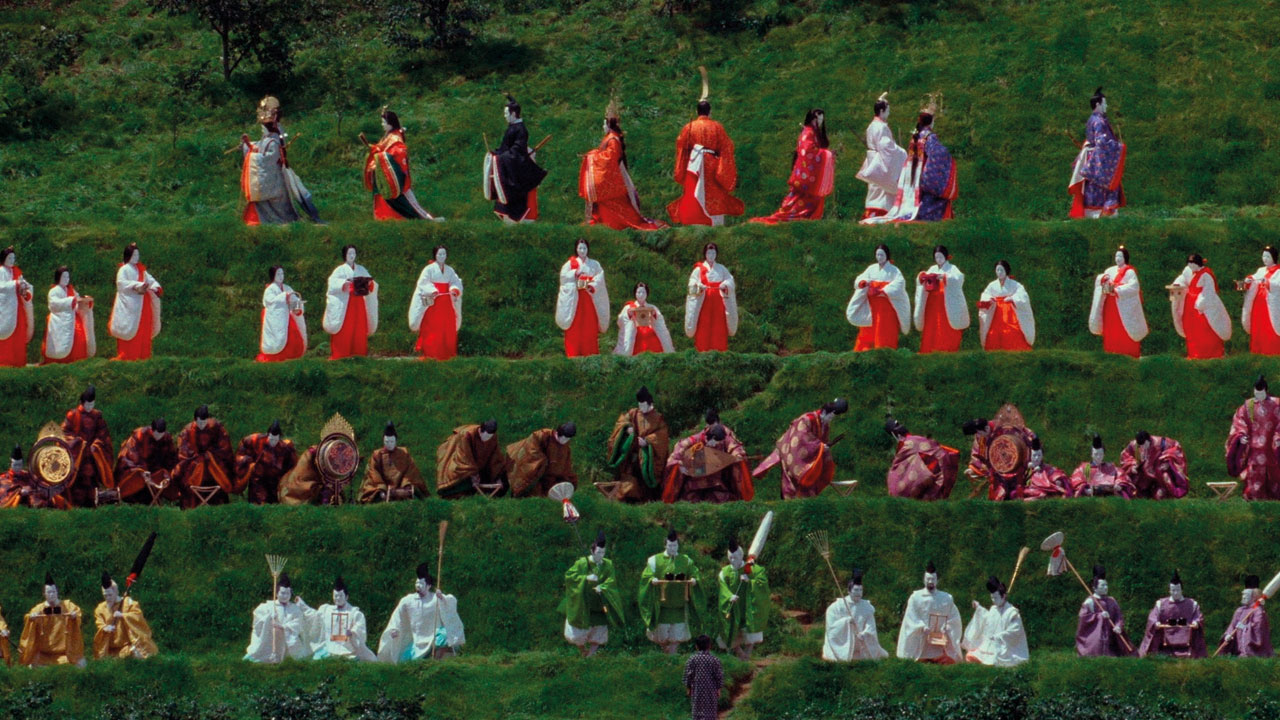
Dreams
Seven dreams that came to the director are realised here, in one of his most idiosyncratic yet sublime films.

Mâdadayo
A rare foray into comedy drama, Kurosawa’s final film is an affectionate portrait of an acclaimed writer and a chance for the filmmaker to deal with issues regarding his homeland.
Screening at BFI IMAX
Seven Samurai
One of Kurosawa’s masterpieces, a tale of seven warriors who attempt to save a village from bandits.
Throne of Blood
The greatest screen adaptation of Shakespeare? Kurosawa’s take on Macbeth is the thrilling work of a director at the height of his powers.
Ran
Kurosawa’s late masterpiece adapts Shakespeare’s King Lear as a thrilling tale set in feudal Japan.
Talks and events
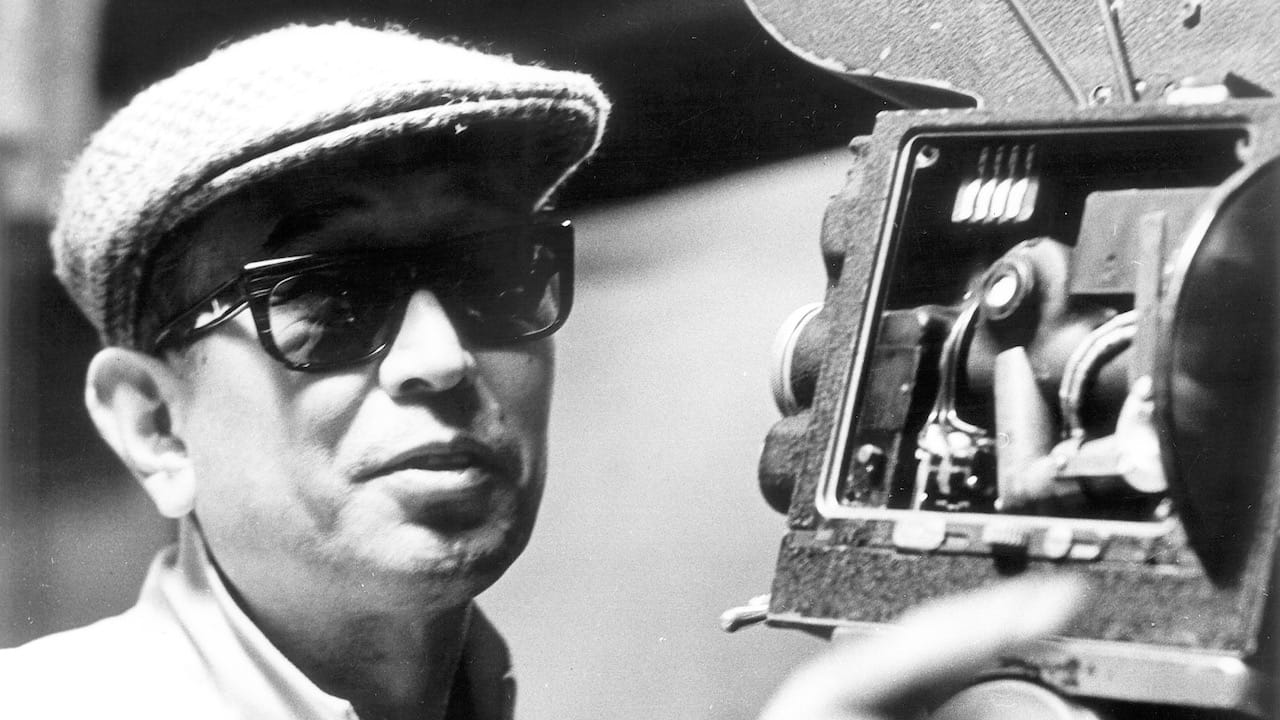
Kurosawa season introduction
The season curators and guests discuss the importance and legacy of the great Japanese filmmaker.
Scandal + intro by season co-curator Ian Haydn Smith
A young artist and singer, snapped by a paparazzo, become embroiled in a legal case with a lawyer who has their own troubles.
The Bad Sleep Well + intro by season co-curator Ian Haydn Smith
This take on Hamlet finds a businessman intent on avenging his father in the corrupt world of corporate culture.
High and Low + intro by season co-curator Ian Haydn Smith
A businessman’s son is almost kidnapped, and a moral dilemma threatens to destroy him.
Course: The Kurosawa-Effect
This six-week course will examine the richness of Kurosawa’s work and his lasting global legacy.
Yojimbo + intro by Asif Kapadia, season co-curator
One of Kurosawa’s most influential films finds Toshiro Mifune’s ronin pitting two gangs against each other in a small town.
Red Beard + intro by Ian Haydn Smith, season co-curator
Kurosawa’s last collaboration with Toshiro Mifune is also one of their most underrated – a tale about the terse relationship between a doctor and his mentee in a rural village.
Ran + intro by Adrian Wooton, CEO of Film London and film curator
Kurosawa’s late masterpiece adapts Shakespeare’s King Lear as a thrilling tale set in feudal Japan.
Sanshiro Sugata + intro by Ian Haydn Smith, season co-curator
Kurosawa’s remarkably assured debut details the struggle between two martial arts disciplines – judo and jujitsu – at the end of the 19th century.
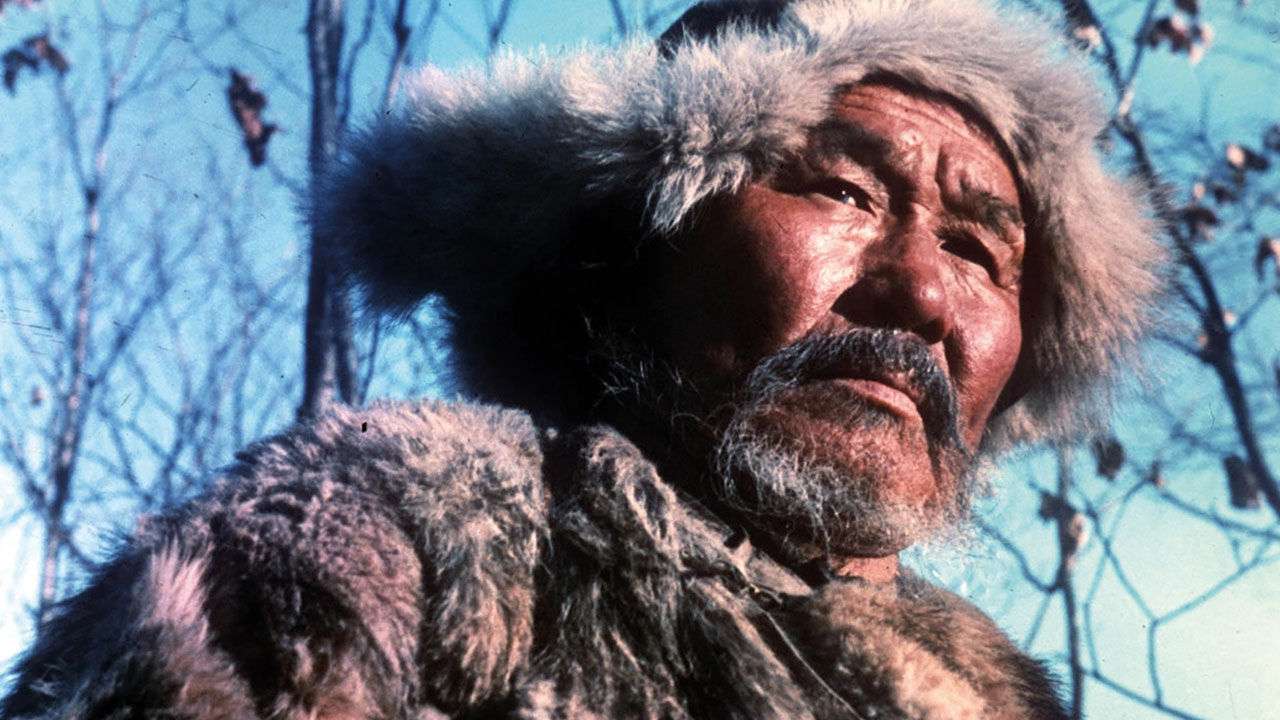
Dersu Uzala + intro by Ian Haydn Smith, season co-curator
Two rare 70mm screenings of Kurosawa’s only sole directorial effort not shot in Japan or in the Japanese language. It’s a magisterial, visually breathtaking drama set in Russia’s far east.
Dersu Uzala + intro by Doug Weir, BFI Technical Delivery Manager
Two rare 70mm screenings of Kurosawa’s only sole directorial effort not shot in Japan or in the Japanese language. It’s a magisterial, visually breathtaking drama set in Russia’s far east.

Philosophical Screens: Throne of Blood
An exploration of Throne of Blood within the larger context of Kurosawa’s work.

Kurosawa and Shakespeare, Adaptation and Reinvention: An illustrated talk by Adrian Wootton
The CEO of Film London and a regular speaker on Shakespeare in film extolls the virtues of Kurosawa’s three takes on the Bard’s work.

The Gathering Storm: Kurosawa Study Day
A celebration and exploration of the work of this beloved, extraordinary filmmaker.
find out more online here








You must be logged in to post a comment Login