

cookery
The Science Behind Cannabis Infusion In Cooking

A Unique Flavour
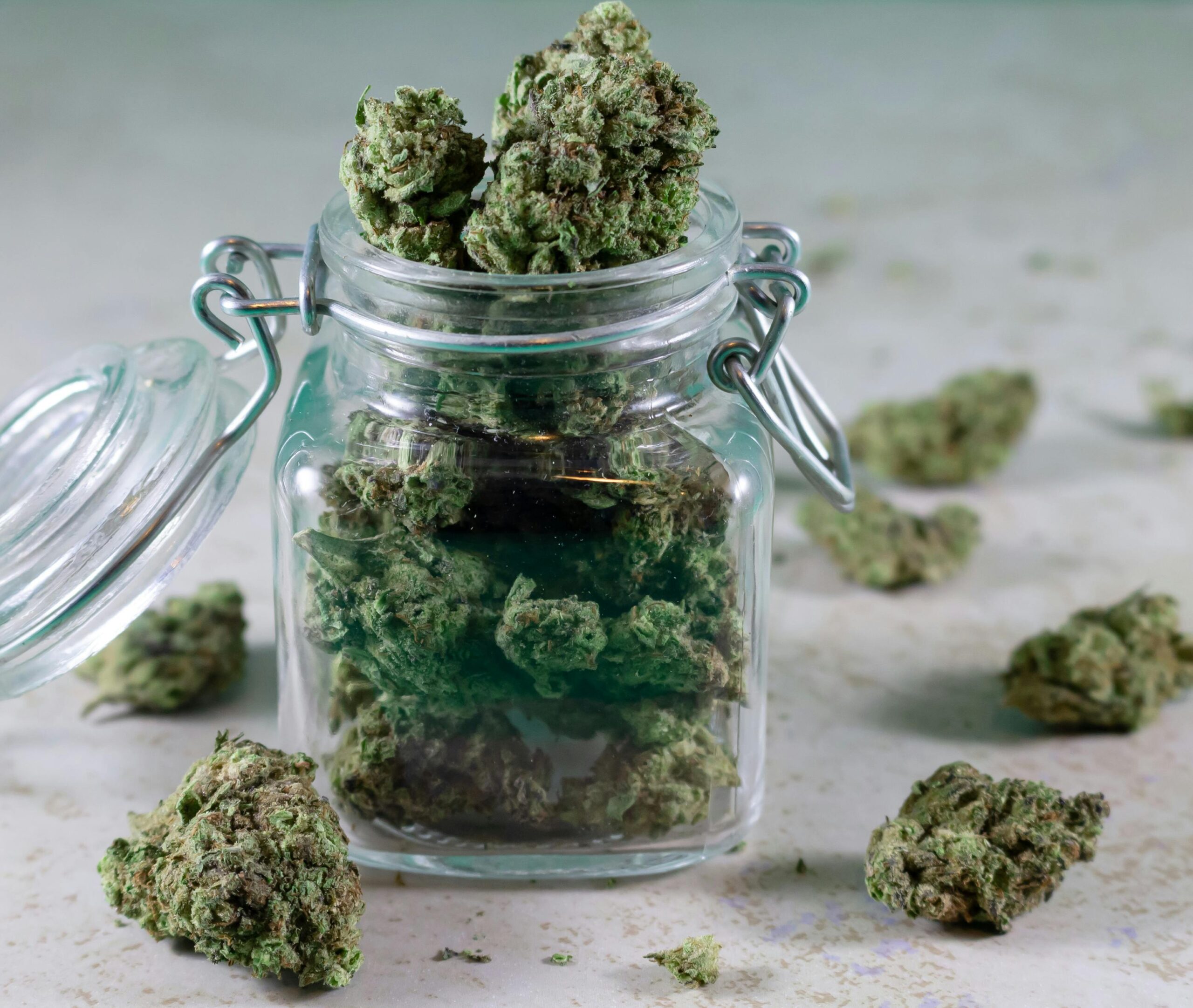
Cannabis has come a long way from its traditional role as a recreational substance. As more states and countries embrace its medicinal and recreational use, the integration of cannabis into various aspects of daily life has become more prevalent. One of the most exciting and innovative ways to harness the benefits of cannabis is through infusion in cooking. In this guest post, we will explore the science behind cannabis infusion, how it works, and the factors that contribute to a successful infusion process. Additionally, for those seeking alternative consumption methods, the use of a THC pen has gained popularity as a discreet and convenient way to enjoy the therapeutic effects of cannabis…
Understanding Cannabis Compounds:
Before delving into the science of cannabis infusion, it’s crucial to understand the key compounds present in the plant. The two primary components of interest are cannabinoids and terpenes. Cannabinoids, such as THC (tetrahydrocannabinol) and CBD (cannabidiol), are responsible for the plant’s psychoactive and therapeutic effects. Terpenes, on the other hand, contribute to the aroma and flavor of the cannabis plant.
Decarboxylation:
The first step in the science of cannabis infusion is decarboxylation. Raw cannabis contains THCA (tetrahydrocannabinolic acid), which is non-psychoactive. In order to activate the psychoactive properties of THC, decarboxylation must occur. This process involves applying heat to cannabis to remove a carboxyl group from THCA, converting it into THC. This activation is essential for achieving the desired effects when incorporating cannabis into recipes.
Temperature and Time:
Decarboxylation is a delicate process, as both temperature and time play crucial roles. Too high a temperature can result in the loss of valuable cannabinoids and terpenes, while insufficient heat might leave the cannabis underactivated. The recommended temperature for decarboxylation is around 220°F (105°C) for approximately 30-45 minutes. This careful balance ensures the optimal conversion of THCA to THC without compromising the overall quality of the infusion.
Infusion Methods:
There are several methods for infusing cannabis into cooking, each with its own set of advantages and considerations. Some of the most common methods include oil infusion, butter infusion, and tincture infusion.
- Oil Infusion:
Oil infusion is a popular method for incorporating cannabis into various recipes. The fat in the oil binds with the activated cannabinoids, allowing for easy integration into both sweet and savory dishes. Common oils used for infusion include olive oil, coconut oil, and vegetable oil. The key to successful oil infusion is maintaining a low and steady temperature during the process, ensuring that the cannabinoids are effectively extracted without degradation.
- Butter Infusion:
Cannabis-infused butter, often referred to as “cannabutter,” is another versatile option for cooking. Similar to oil infusion, the fat in the butter acts as a carrier for cannabinoids, enhancing the flavor and texture of the final product. The infusion process involves simmering ground cannabis in melted butter over low heat, allowing for the extraction of cannabinoids into the fat. Straining the mixture ensures a smooth and potent cannabutter for use in various recipes.
- Tincture Infusion:
Tinctures involve extracting cannabinoids from cannabis using alcohol as a solvent. The resulting liquid can be added drop by drop to recipes, providing a precise and controlled method of dosing. Tincture infusion is particularly popular for those who prefer a more subtle cannabis flavor in their dishes. The alcohol also acts as a preservative, extending the shelf life of the tincture.
Bioavailability and Absorption:
The science of cannabis infusion also involves understanding the bioavailability and absorption of cannabinoids in the human body. Bioavailability refers to the proportion of a substance that enters the bloodstream when introduced into the body and is made available for use or storage. When ingesting cannabis-infused edibles, bioavailability is influenced by factors such as the type of infusion, individual metabolism, and the presence of other food components.
One of the challenges with cannabis-infused edibles is the delayed onset of effects compared to smoking or vaping. This delay is due to the digestive process and the time it takes for cannabinoids to be absorbed into the bloodstream through the gastrointestinal tract. Factors such as individual metabolism, the presence of food in the stomach, and the type of infused product all contribute to the variability in onset time and overall potency.
The Entourage Effect:
The entourage effect is a phenomenon that highlights the synergistic relationship between cannabinoids and terpenes when consumed together. It suggests that the combined effects of various cannabis compounds may be more potent and beneficial than the effects of individual compounds in isolation. When infusing cannabis into cooking, the entourage effect becomes a crucial consideration, as the interplay between cannabinoids and terpenes contributes to the overall therapeutic and sensory experience.
Dosage Control and Responsible Consumption:
Achieving the perfect cannabis infusion in cooking not only involves understanding the science behind the process but also requires careful consideration of dosage control. The potency of homemade cannabis-infused products can vary, making it essential for individuals to start with a low dose and gradually increase if needed. Responsible consumption is key to avoiding overconsumption and experiencing unwanted side effects.
Conclusion:
The science behind cannabis infusion in cooking is a fascinating journey into the chemistry of cannabinoids and terpenes. From decarboxylation to infusion methods and bioavailability, each step contributes to the creation of delightful and potent cannabis-infused dishes. As the acceptance and legalization of cannabis continue to grow, exploring the world of cannabis-infused cooking provides not only a culinary adventure but also an opportunity to harness the plant’s therapeutic benefits in a delicious and creative way. Remember, knowledge and responsible consumption are essential as we embark on this exciting intersection of science, culinary art.